.jpg)
2 min walk
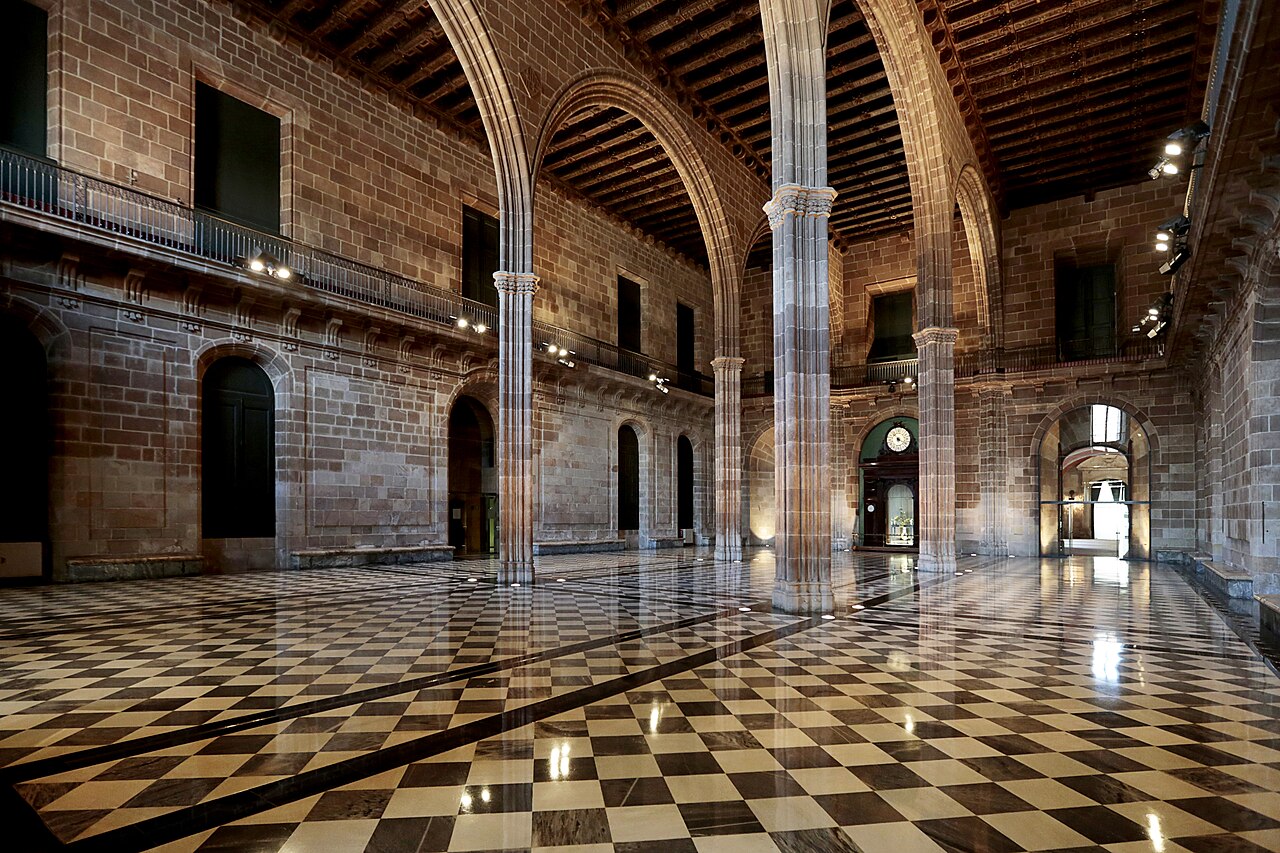
Llotja de Barcelona
- High · Heritage site
- Historic monument
Art and culture venue · Barcelona
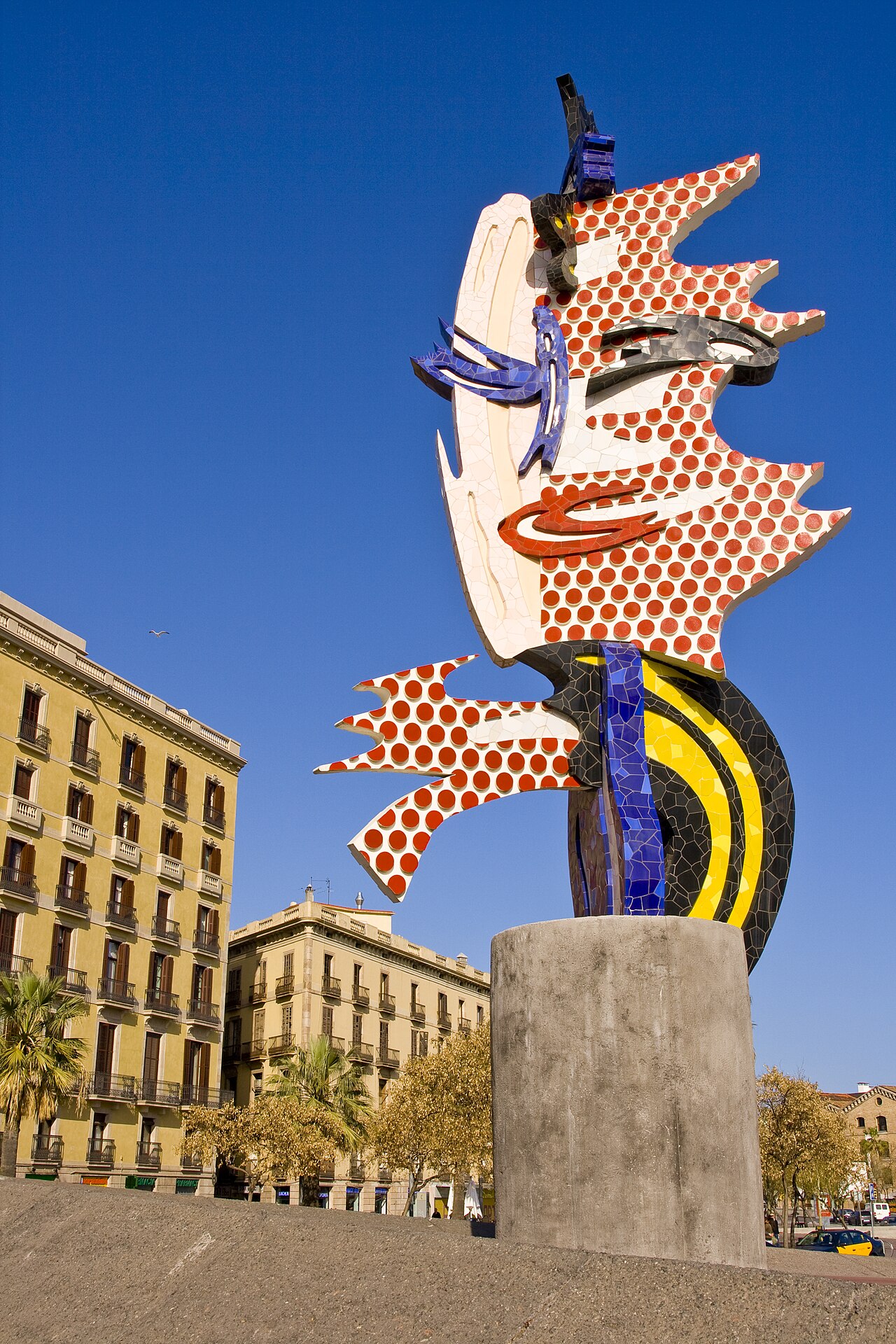
La Cara de Barcelona
The Face of Barcelona, also known as La Cara de Barcelona, is a public landmark in Barcelona’s urban landscape. Its identity is tied to the city’s street-level art and architecture rather than to an indoor collection or scheduled attraction. It works well as a short stop while exploring the central city, especially for travellers who enjoy unusual civic artworks and the way large-scale pieces interact with surrounding streets. The landmark can be treated as one element in a broader walking route through Barcelona. The Face of Barcelona, known locally as La Cara de Barcelona, is a notable point of interest in the Catalan capital. Barcelona itself is a major Mediterranean city and capital of Catalonia, Spain. This specific landmark is identified through the OpenStreetMap node system with exact coordinates copied without approximation. Visitors encounter it as part of Barcelona's rich urban fabric of cultural and artistic markers.
Checked 2026-08-26 · Source
This is an outdoor city landmark rather than a building with rooms, galleries or an interior route. The experience comes from viewing La Cara de Barcelona as a piece of public art within the surrounding streets. Take time to look at its scale, form and relationship with nearby buildings and pedestrian movement. Barcelona is especially rewarding for this kind of encounter because its public spaces combine art, architecture and everyday city life instead of keeping every cultural object inside a museum. Visitors should approach with observant curiosity. The surrounding area of Barcelona offers extensive cultural context, with the city being renowned for modernist architecture, public sculptures, and vibrant street life throughout its diverse neighborhoods.
Checked 2026-08-26 · Source
A short visit of several minutes is enough to recognise the landmark, take photographs and observe how it sits within the city. Stay longer if you enjoy public art, urban composition or the details revealed by changing viewpoints. Because there is no interior itinerary, the stop is easy to combine with other Barcelona sights. Plan it as a pause in a walking circuit rather than as a half-day destination, then continue through the surrounding streets at your own pace.
Checked 2026-08-26 · Source
The landmark is an outdoor point of interest, so daylight is the most practical setting for seeing its form and photographing it clearly. Barcelona’s Mediterranean climate supports outdoor sightseeing across the year, while summer and Easter periods bring heavier visitor activity across the city. Visit when the surrounding streets fit your route and when the light suits your camera. Early or later parts of the day can make an urban-art stop feel calmer than the busiest sightseeing hours.
Checked 2026-08-26 · Source
La Cara de Barcelona is encountered as a public urban landmark, so the visit is planned around reaching the artwork rather than entering a ticketed exhibition. There is no auditorium, museum route or scheduled performance attached to the experience described here. Keep your budget for the other attractions, food and transport in your itinerary. The landmark is most valuable as a free-feeling city encounter integrated into a walk through Barcelona’s public spaces and surrounding neighbourhoods.
Checked 2026-08-26 · Source
The Face of Barcelona is identified as a point within Barcelona’s street network. Reach it as part of a city walk or by using Barcelona’s metro and bus network to approach the surrounding district, followed by the final pedestrian section. The landmark’s urban setting makes map-based navigation useful for the last turns. Walking is often the simplest way to connect it with nearby public art, historic streets and other central places, while bicycles and taxis provide additional city travel options.
Checked 2026-08-26 · Source
This is a city-space visit, so remain aware of pedestrians, traffic and your belongings while stopping to look or take pictures. Stand clear of walking lines and do not climb, lean on or obstruct the artwork. Barcelona’s busiest visitor areas can be crowded, making a compact bag and attentive movement useful. Respect barriers, signs and the surrounding public space. The landmark rewards observation, but it should be enjoyed without turning the pavement into a stopping area for everyone else.
Checked 2026-08-26 · Source
La Cara de Barcelona is well suited to casual street photography. Walk around the surrounding public space to find a viewpoint that shows the landmark’s form against the city rather than photographing only one close detail. Midday Mediterranean light can create strong contrast, while softer daylight can help with broader architectural compositions. Keep pedestrian routes open, avoid intrusive equipment and follow any restrictions applying to commercial photography or aerial devices in Barcelona’s urban environment.
Checked 2026-08-26 · Source
It is La Cara de Barcelona, an outdoor urban landmark and piece of public art encountered within Barcelona’s streets rather than inside a museum.
Several minutes are enough for recognition, photographs and a close look. Art and architecture enthusiasts can stay longer before continuing their walking route.
No. It is experienced outdoors as a public landmark within Barcelona’s urban environment, with no interior gallery or room-based visitor route described here.
Daylight makes the form easiest to see. Early or later daylight can provide calmer conditions and softer shadows than the busiest midday period.
Use it as a brief stop in a walking circuit, linking the landmark with nearby streets, public art and other central Barcelona sights.
Keep clear of pedestrians, traffic and the artwork itself, protect your belongings and respect any barriers or signs in the surrounding public space.
Loading the interactive map…
The interactive map could not be loaded.

Last updated:
Source: OpenStreetMap contributors, Wikidata ·