

1 min walk
Resturant 7 Portes
- High · Heritage site
- Restaurant or café
Language · 11 published
Historic monument · Barcelona
Llotja de Mar
Reviewed by Elena Voss · Roavina Travel Editor
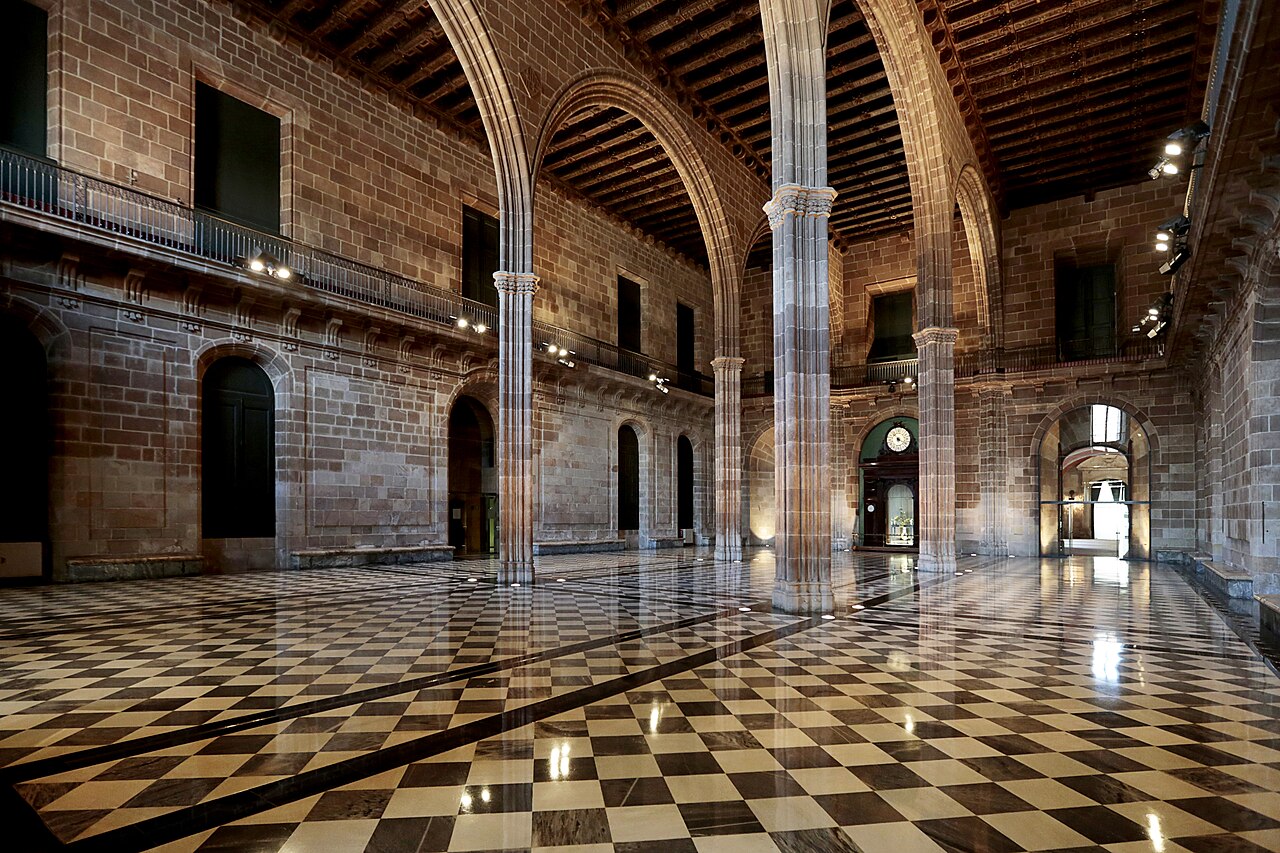
It was built in the Gothic architecture style. It was designed by Joan Soler i Faneca. It carries the bien de interés cultural heritage designation.
Llotja de Barcelona, also known as Llotja de Mar, is a historic mercantile exchange associated with Barcelona's maritime and commercial life. The building reflects the city's long role as a Mediterranean trading power and the importance of merchants, brokers and port connections to its growth. It belongs to the historic fabric near the old city and waterfront, where commercial history, civic architecture and Barcelona's relationship with the sea come together. Llotja de Barcelona, locally known as Llotja de Mar, stands as a historic mercantile exchange building in Barcelona. The structure occupies a significant position in the city's maritime and commercial heritage, reflecting Barcelona's longstanding role as a Mediterranean trading power. The building represents an important architectural landmark within the urban fabric of the Catalan capital, embodying centuries of commercial tradition and civic identity that shaped the city's development as a major port and economic center. Visitors must verify current access status through official channels before planning a visit.
Checked 2026-08-26 · Source
Llotja de Mar is valued for spaces historically connected with commercial negotiation and maritime trade. Its meaning comes from the building's role as a meeting place for people conducting business linked to overseas commerce, rather than from a modern attraction format built around many displays. When access allows, focus on the relationship between the architecture and its former civic-commercial purpose. From outside, the building still helps explain how Barcelona's port economy shaped the surrounding historic district. The interior of Llotja de Mar contains spaces historically dedicated to commercial negotiation and maritime trade.
Checked 2026-08-26 · Source
A short exterior stop can take only a few minutes, while a visit involving accessible interior spaces deserves more time for architectural observation. A practical approach is to give the building a flexible place in a walking route through Barcelona's historic district and port area. Visitors interested in commercial history may linger over the building's scale, setting and civic character. It works well as one element in a broader day rather than as the sole destination for hours of sightseeing.
Checked 2026-08-26 · Source
The building suits a daytime architectural walk through the old city and port district. Earlier hours can make it easier to appreciate the exterior before surrounding streets become busier, while a later stop fits naturally beside the waterfront and other central landmarks. The experience may be shaped by whether the building is serving civic, ceremonial or administrative purposes. Keep the rest of the route adaptable so the Llotja can be appreciated from its urban setting even when interior movement is limited.
Checked 2026-08-26 · Source
Llotja de Mar is a heritage building whose appeal lies in its commercial history and architecture. Plan it alongside the old city and port rather than treating it like a conventional museum with a guaranteed sequence of galleries. If you enter, allow time to notice how the rooms relate to the building's former role as a place for merchants and brokers. Nearby attractions can be handled as separate stops, keeping the day useful whether your focus is architecture, history or the waterfront.
Checked 2026-08-26 · Source
Llotja de Mar stands in Barcelona's historic district near the port and waterfront. The area is connected to the city's metro, bus and pedestrian networks, making it suitable for a central walking itinerary. Approach it through the old city streets and continue towards the port after seeing the building. The surrounding district is easier to explore on foot than by car, and a map is useful because several historic streets meet around the central waterfront area.
Checked 2026-08-26 · Source
Llotja de Mar may serve civic, ceremonial or administrative purposes as well as preserving its heritage role, so an interior visit should be approached with awareness of the building's formal character. Security or controlled movement may affect how you experience the site. Around the port and historic centre, keep ordinary urban awareness and protect personal belongings in busy streets. If interior access is limited, the exterior still provides a meaningful connection to Barcelona's commercial and maritime history.
Checked 2026-08-26 · Source
Photograph Llotja de Mar as part of its historic urban setting: the façade, surrounding streets and the nearby port help convey the building's relationship with Barcelona's commerce. Look for architectural lines, entrances and the contrast between the older structure and the active central district. If you enter, keep photography discreet and follow any signs or staff directions, especially during civic or administrative activity. A compact camera or phone is practical for a respectful architectural record.
Checked 2026-08-26 · Source
It is the historic Llotja de Mar, a mercantile exchange linked to Barcelona's maritime trade, merchants and commercial development.
The building represents Barcelona's long role as a Mediterranean trading city and a meeting place for commercial negotiation.
It is in Barcelona's historic district near the old port and waterfront, within a central walking route.
A few minutes suits an exterior stop; allow longer when interior spaces are accessible and you want to study the architecture and history.
Llotja de Mar is connected with merchants, brokers, maritime trade and the commercial life of Barcelona's Mediterranean port.
Combine the building with a walk through Barcelona's old city, central waterfront and port area for a broader commercial-history route.
Loading the interactive map…
The interactive map could not be loaded.
Last updated:
Source: OpenStreetMap contributors, Wikidata ·