.jpg)
01
1 hour
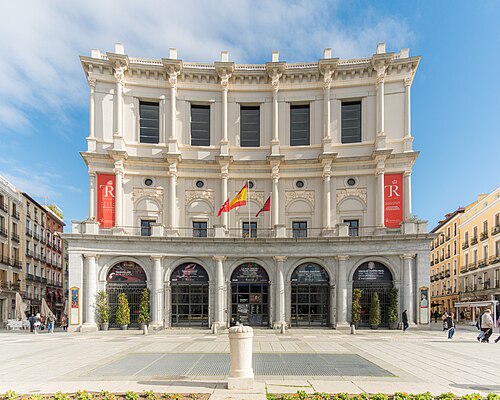
Teatro Real
Teatro Real is the principal opera house of Madrid, Spain. Located at Plaza de Isabel II in the city centre, it stands opposite the Royal Palace.
- Must see
- Art and culture venue
Language · 11 published
City guide · Spain
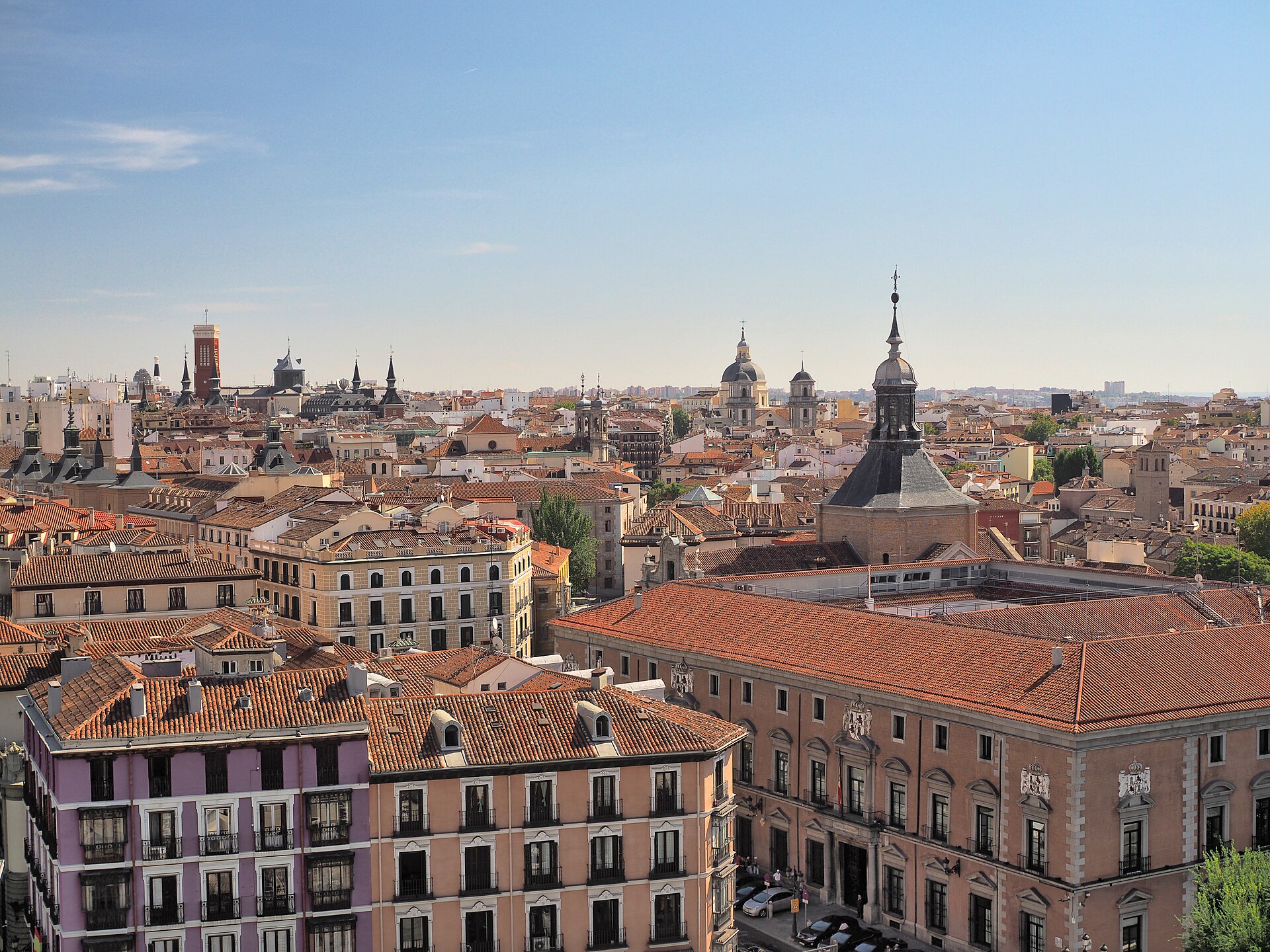
Madrid is Spain's capital, set on the central plateau and organised around a dense historic and cultural core rather than a major riverfront. The oldest royal quarter, known as Madrid de los Austrias, runs between the Royal Palace and Plaza Mayor. East of Puerta del Sol, Gran Vía, the Literary Quarter and the Paseo del Arte carry the principal commercial streets and art museums. Neighbourhoods such as La Latina, Lavapiés, Malasaña, Chueca, Chamberí and Salamanca then form distinct dining, nightlife and residential clusters around that centre.
Reviewed by Elena Voss · Roavina Travel Editor
Set your days, your pace and the hours you actually want to be out. The planner works around closing days and travel time, and leaves room to eat.
Ranked by importance — sitelinks, pageviews and heritage status, not editor preference.
5 places match
Category
Typical visit duration
Interests
Teatro Real is the principal opera house of Madrid, Spain. Located at Plaza de Isabel II in the city centre, it stands opposite the Royal Palace.
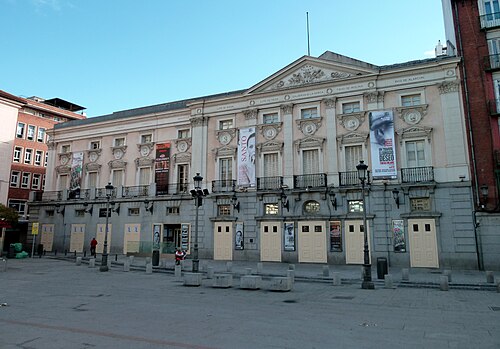
Teatro Español is a historic theatre in central Madrid and an important institution in the city’s performing-arts tradition. It is a working venue for dramatic productions rather than a general museum with casual visiting hours.
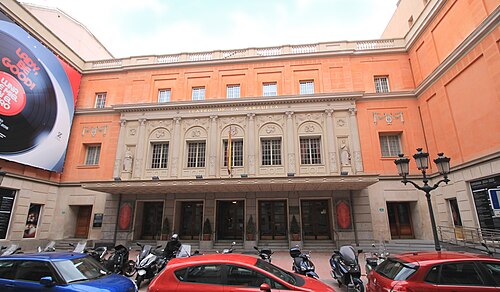
Teatro de la Zarzuela is a historic theatre in Madrid dedicated to zarzuela, a Spanish musical theatre genre combining spoken dialogue, song, and dance.
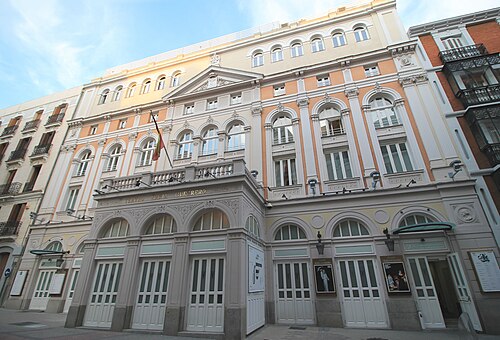
Teatro María Guerrero is a theatre in Madrid, Spain. It serves as a significant cultural venue within the city. The theatre is named after the distinguished Spanish actress María Guerrero, reflecting its connection to Spanish theatrical heritage.
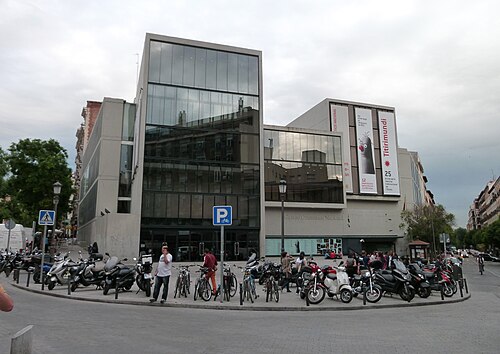
Teatro Valle-Inclán is a professional theatre in Madrid named after Ramón del Valle-Inclán, one of Spain’s important literary figures.
Source: OpenStreetMap contributors, Wikidata ·
Puerta del Sol is the practical centre for orientation. Westward lie Plaza Mayor, the Austrias quarter and the Royal Palace; eastward, Gran Vía leads toward Cibeles while the Paseo del Arte runs south past the major museums and Retiro. La Latina and Lavapiés sit south of the old core, with Malasaña and Chueca to the north. Salamanca lies east of Retiro, and the Castellana axis continues north toward the business district and the Bernabéu. Casa de Campo and Madrid Río are separate green corridors west of the centre.
Checked 2026-08-26
Walk between the Austrias quarter, Sol, Gran Vía and the Paseo del Arte, then use public transport for longer links. Madrid's official tourism service lists metro, city buses and Cercanías suburban trains among the ways to move around the capital. Cercanías also connects Madrid with towns in the region, including El Escorial and Aranjuez. Consult the current official maps and service information before travel because routes, works and ticket conditions can change.
Checked 2026-08-26
A fixed stay length is not recorded. Plan the Austrias and Sol core, the Paseo del Arte and Retiro, then add neighbourhood time or a regional excursion according to your priorities.
Use Puerta del Sol as the central reference. Plaza Mayor, the Austrias quarter and the Royal Palace extend west, while Gran Vía and the museum axis extend east.
Walk within the central neighbourhoods and use the metro for longer connections. The official network reaches the major museums, shopping streets, traditional quarters and northern visitor areas.
They cluster along the Paseo del Arte east of the historic core and close to Retiro. Treat this as one walking district rather than crossing the city between individual museum visits.
No. It lies north along the Castellana axis in a separate modern district. Metro is the practical connection from Sol, Gran Vía or the museum area.