A photograph of Spain

Country guide

Theme: History, Up to 1 hour in Spain — page 3

Spain covers 506,030 square kilometres and counts close to 50 million people, and it reads less as one country than as a set of regions that do not resemble eac...

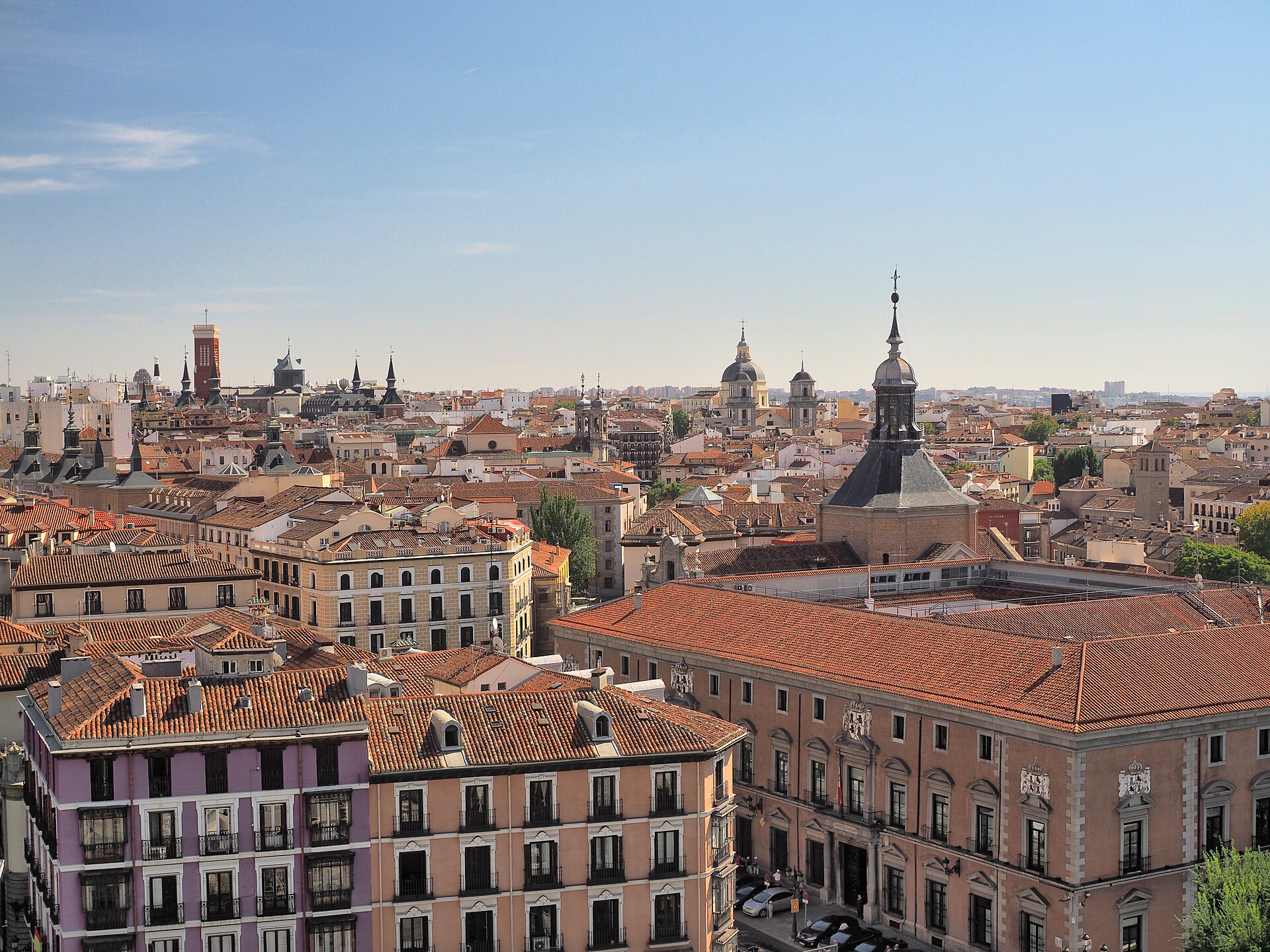
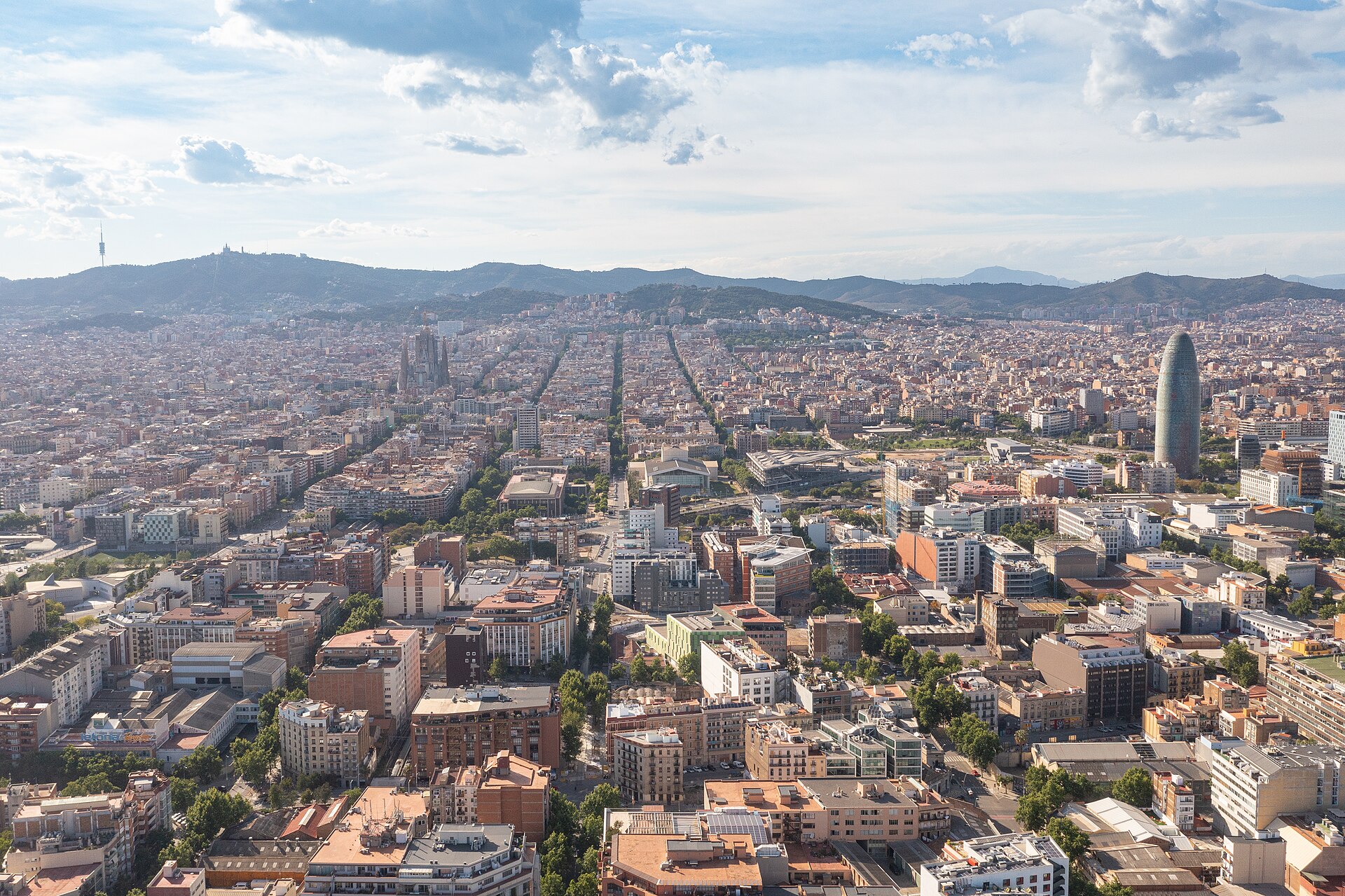
Photograph · Diego Delso · CC BY-SA 4.0

13,220 Places
2Cities

Reviewed by Elena Voss · Roavina Travel Editor

Spain covers 506,030 square kilometres and counts close to 50 million people, and it reads less as one country than as a set of regions that do not resemble each other. Madrid sits high and dry in the middle of the peninsula with the national collections in it; Barcelona is Mediterranean and Catalan-speaking. Andalusia in the south carries the Moorish architecture of Granada, Córdoba and Seville along with the heat that comes with it, while the green north coast from Bilbao to Galicia is wet Atlantic country most visitors never reach. The Canary Islands lie off Africa, and Ceuta and Melilla are on the African mainland itself.

Checked 2026-08-25

Cities

Every city catalogued in this country so far, ranked by how much there is to see.

Practical information

Language spoken
Spanish; co-official regional languages include Catalan, Galician and Basque
National practical orientation; regional and minority languages may also be used
Dialling code
+34
International calling code; local area and mobile prefixes still apply
Currency
Euro (EUR)
Use the official local currency; card acceptance varies by place
Emergency number
112
Use only for an emergency; tourist assistance may use a separate number
Plug type
Type C and F · 230 V
Check that chargers support the recorded voltage before using an adapter
Tap water
Not recorded
No verified nationwide visitor statement was recorded

Top things to see

Ranked by importance — sitelinks, pageviews and heritage status, not editor preference.

  1. Almudena Cathedral Almudena Cathedral
    51 30 min

    Almudena Cathedral

    Catedral de la Almudena

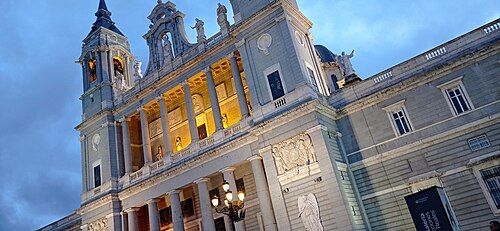
    Almudena Cathedral is Madrid’s principal Roman Catholic cathedral, facing the Royal Palace across Plaza de la Armería. Construction began in the late nineteenth century and Pope John Paul II consecrated the cathedral in 1993.

    • High
    • Place of worship
    • Madrid
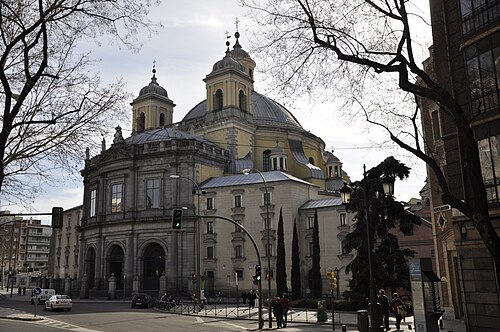
  2. Royal Basilica of Saint Francis the Great Royal Basilica of Saint Francis the Great
    52 30 min

    Royal Basilica of Saint Francis the Great

    Real Basílica de San Francisco el Grande

    Basílica de San Francisco el Grande is a prominent Roman Catholic basilica in Madrid, Spain. The local name matches its formal identity.

    • High
    • Place of worship
    • Madrid
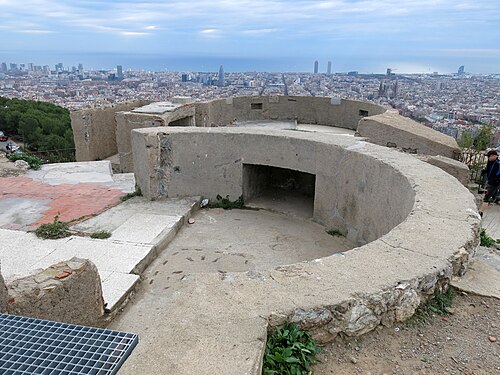
  3. The Bunker The Bunker
    53 45 min

    The Bunker

    Bateries antiaèries i barraques del Carmel

    The Bunker is a historic anti-aircraft battery site located in the Carmel neighbourhood of Barcelona. Its official local name, Bateries antiaèries i barraques del Carmel, reflects its military origins during the Spanish Civil War.

    • High
    • Historic site
    • Barcelona
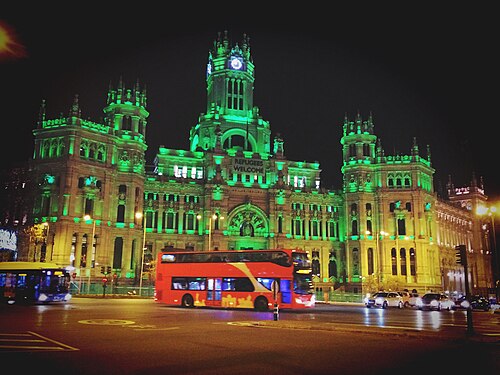
  4. Palacio de Cibeles Palacio de Cibeles
    54 45 min

    Palacio de Cibeles

    Palacio de Cibeles - Ayuntamiento de Madrid

    Palacio de Cibeles is Madrid’s former communications palace and a present civic and cultural building on Plaza de Cibeles.

    • Notable
    • Historic site
    • Madrid

Source: OpenStreetMap contributors, Wikidata ·

Common questions

How long should a first trip to Spain be?

Ten to fourteen days allows three or four days in Madrid and four in Barcelona, plus selected rail day trips. Andalusia or either island group deserves a separate route instead of being compressed into the same mainland circuit.

What entry documents are needed for Spain?

Spain follows Schengen rules, but the traveller's nationality and route determine the required documents or visa. Confirm the current requirement through Spain's official consular information before departure.

What is the best way to travel around Spain?

High-speed rail makes Madrid-Barcelona and several mainland city pairs practical, while regional buses cover gaps. Island travel needs flights or ferries, and urban ticketing remains local to each city.

When is a practical time to visit Spain?

April to June and September to October are broad choices for Madrid and Barcelona. Andalusia, the Atlantic north, Balearics, and Canaries follow different heat and weather patterns, so a regional extension should control the final dates.

What money and payment basics apply in Spain?

Spain uses the euro (EUR). Cards are common in cities, but a small euro reserve is useful for individual businesses; always check the billed currency and amount before approving a terminal transaction.

What practical safety details should I save for Spain?

Spain's emergency contact is 112. Electrical outlets accept Type C and F plugs on a 230 V supply. Because this record contains no tap-water finding, use advice from the municipality serving each overnight stop.