
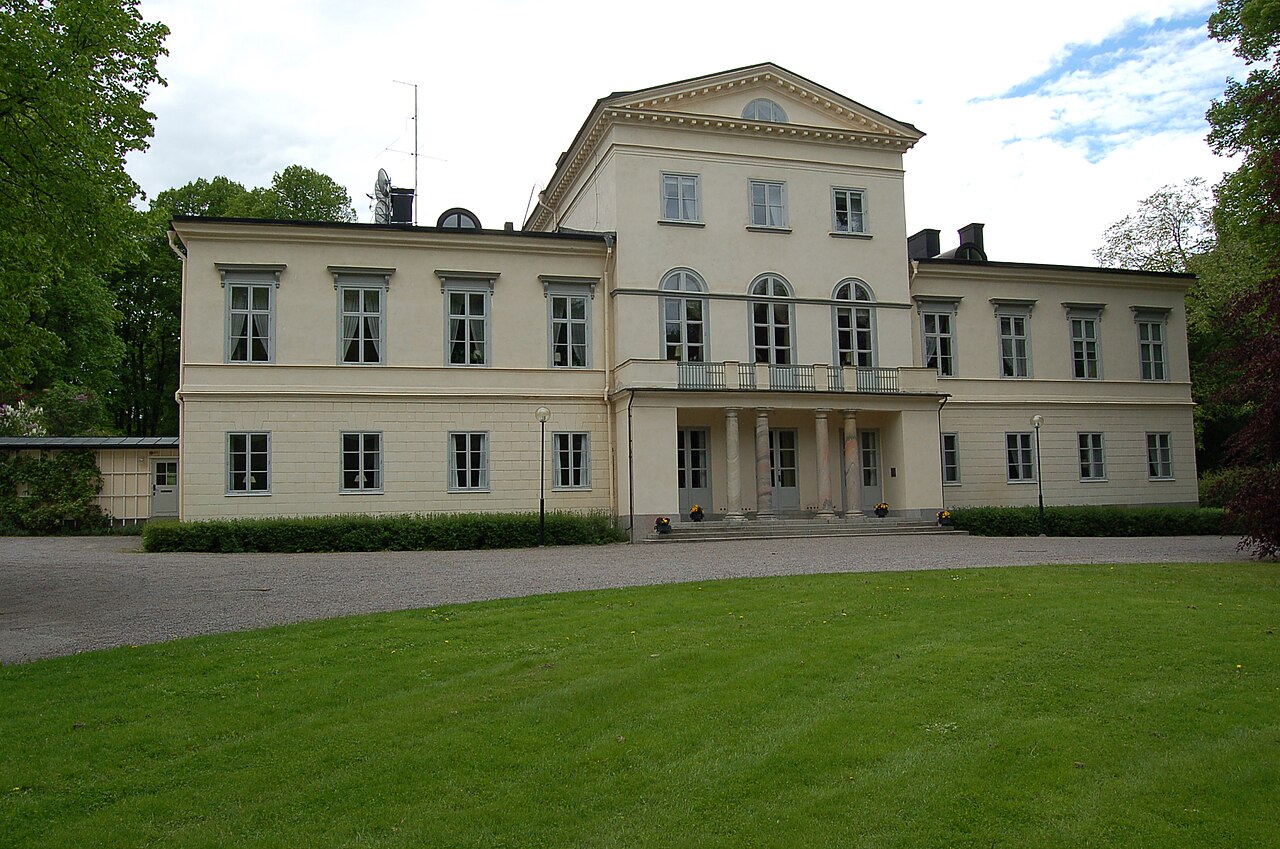
9 min walk
Haga Palace
- Must see
- Historic monument
Nature site · Stockholm
Bergianska trädgården
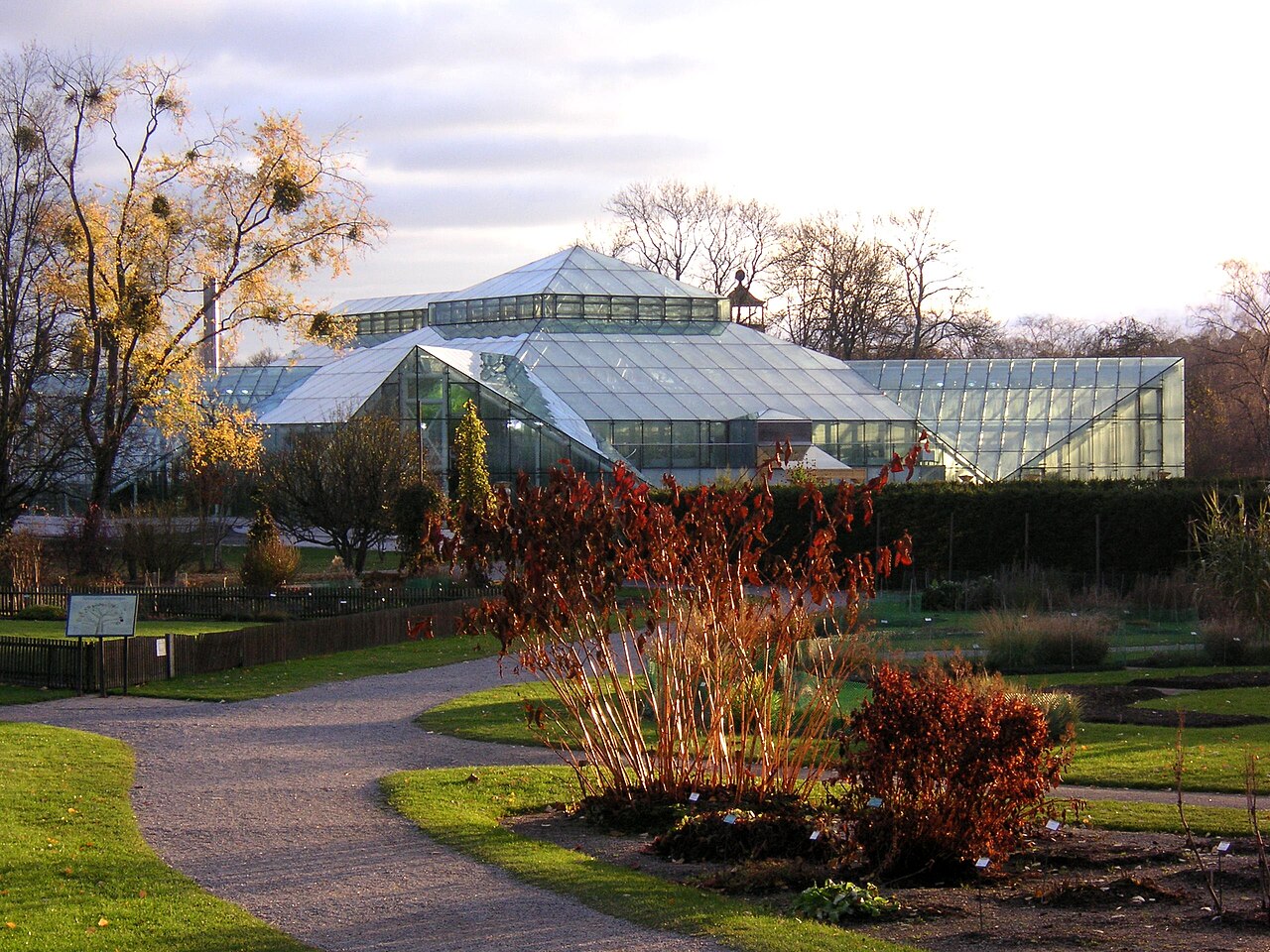
Bergian botanic garden, or Bergianska trädgården, is a botanical garden in northern Stockholm beside Brunnsviken. Connected with Stockholm University, it combines public garden displays with botanical research and education. The setting brings together cultivated plantings, naturalistic areas, greenhouse structures and a lakeside landscape, making it a rewarding destination for travellers who want plants, quiet paths and a break from the city centre. The Bergian Botanic Garden, known locally as Bergianska trädgården, is a botanical garden in Stockholm. It serves as a facility for botanical research and public education, operated in connection with Stockholm University. The garden occupies a notable position along the shores of Brunnsviken, a bay of Lake Mälaren. Its establishment reflects long-standing Swedish traditions in botanical science and horticultural display. The site combines cultivated garden areas with naturalistic plantings, presenting both native and exotic species to visitors and researchers alike.
Checked 2026-08-26 · Source
The garden contains systematic plantings, ornamental collections, educational displays, woody plants, perennial beds and seasonal planting. Greenhouses provide controlled environments for tender species, while outdoor paths lead through more open garden areas near the shore. Living collections support botanical study, and the combination of formal beds, greenhouse displays and Brunnsviken views gives the visit more variety than a simple park walk. The garden contains multiple distinct cultivated areas including systematic plantings, ornamental collections, and educational displays. Greenhouse structures house tender species requiring controlled climates. Outdoor areas feature woody plants, perennial beds, and seasonal displays. The garden maintains living collections supporting botanical study. Water features and shoreline proximity to Brunnsviken contribute to the landscape character. Visitors should expect a traditional botanic garden layout with both formal and informal planting areas.
Checked 2026-08-26 · Source
Allow between ninety minutes and three hours, depending on how closely you read labels, examine plants and explore the paths. A shorter visit can cover the main outdoor areas, while a longer one gives you time for greenhouse displays, seasonal collections and the shoreline setting. Your pace will depend strongly on weather, plant interest and how much time you spend photographing details. A thorough visit to a botanic garden of this scale typically requires between ninety minutes and three hours, depending on individual interest in plants and walking pace. Casual visitors passing through main paths may complete a basic circuit more quickly.
Checked 2026-08-26 · Source
Spring brings flowering bulbs and early blooms; summer offers the fullest outdoor planting and long daylight; autumn adds colour among woody plants. Winter reduces the outdoor display but makes greenhouse collections especially valuable. Choose dry weather if you want to walk every path, and wear shoes suited to outdoor surfaces. The garden's seasonal character is part of its appeal, so different months offer noticeably different experiences.
Checked 2026-08-26 · Source
A visit to Bergian botanic garden is built around living plants rather than a single landmark. Divide your time between the cultivated outdoor areas, greenhouse structures and the Brunnsviken shoreline. The university connection gives the garden an educational character, while the variety of planting keeps the walk visually engaging. If you enjoy botanical details, allow a slower visit so labels and plant forms do not become background scenery.
Checked 2026-08-26 · Source
The garden lies in northern Stockholm near Stockholm University and Brunnsviken. Bus connections serve the surrounding area, and walking or cycling along the bay can turn the approach into part of the outing. The waterfront setting is pleasant in good weather but means the final journey includes outdoor movement. If you arrive by car, plan the route carefully because the garden is integrated into an academic district rather than a central tourist hub.
Checked 2026-08-26 · Source
Rain, ice and wet ground can make garden surfaces slippery, so practical footwear matters throughout the year. Greenhouses are humid and warmer than the outdoor paths, which can affect comfort and camera equipment. Do not touch unfamiliar plants, since some may have thorns, irritant sap or toxic properties. Pollen can be troublesome in some seasons, and shoreline areas require ordinary care around the water.
Checked 2026-08-26 · Source
Bergian botanic garden offers photographs of greenhouse architecture, plant textures, structured beds and Brunnsviken scenery. Morning and evening light can bring out shapes and colour outdoors, while greenhouse glass creates reflections and strong contrast. Humidity may affect lenses and equipment. Keep to paths, avoid disturbing living collections and educational activity, and treat commercial or staged photography as a separate use from ordinary personal pictures.
Checked 2026-08-26 · Source
The garden is in northern Stockholm beside Brunnsviken, near Stockholm University.
You can see systematic plantings, ornamental collections, perennial beds, woody plants, seasonal displays, greenhouse species and the Brunnsviken shoreline.
Allow about ninety minutes for a shorter circuit and up to three hours for a detailed visit through the outdoor areas and greenhouses.
Spring brings flowering bulbs, summer offers the fullest planting, autumn adds woody colour and winter places greater emphasis on the greenhouse collections.
Bus connections serve the area near the garden, which is located close to Stockholm University in northern Stockholm.
Yes. Greenhouse structures house tender species in controlled climates and provide an important part of the visit, especially when outdoor conditions are cold.
Loading the interactive map…
The interactive map could not be loaded.
Last updated:
Source: OpenStreetMap contributors, Wikidata ·