
4 min walk
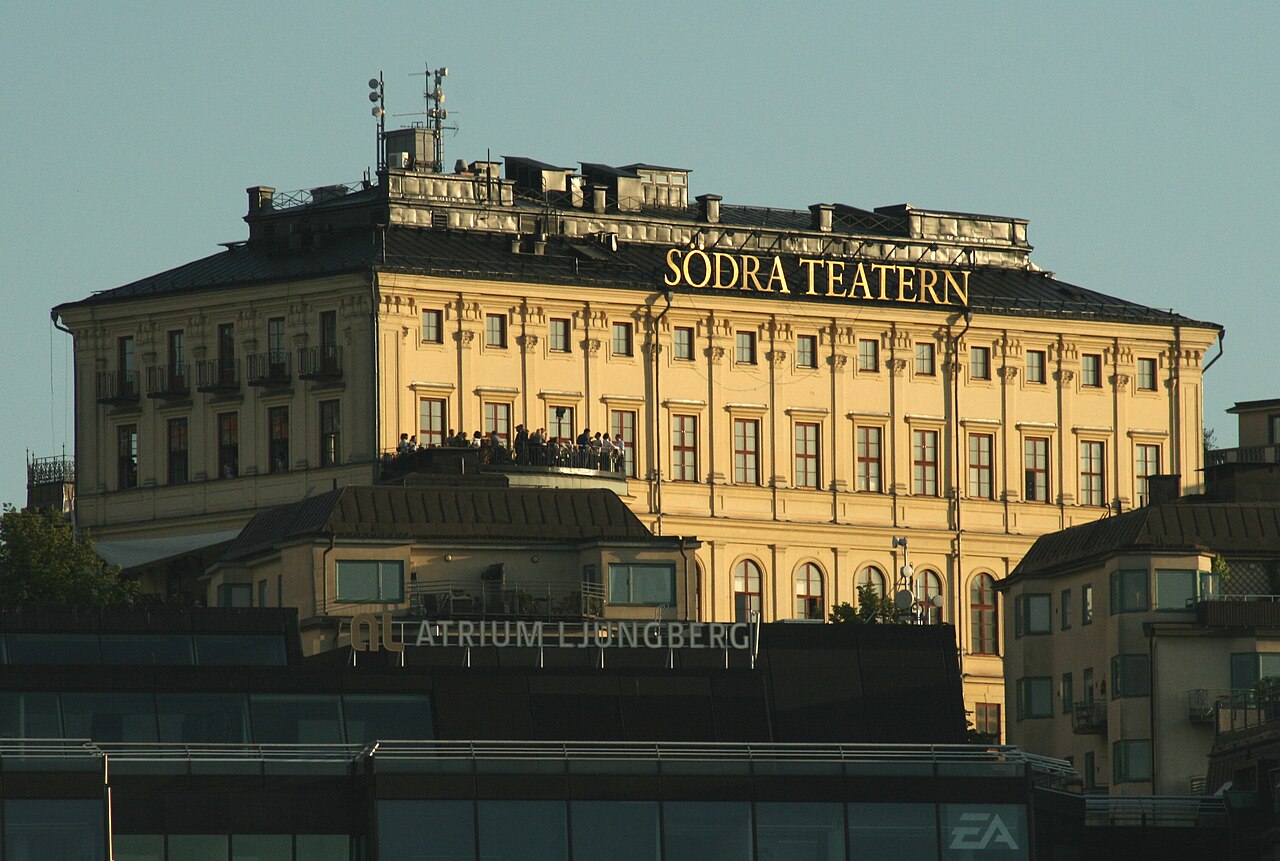
Södra Teatern
- High · Heritage site
- Art and culture venue
Place of worship · Stockholm
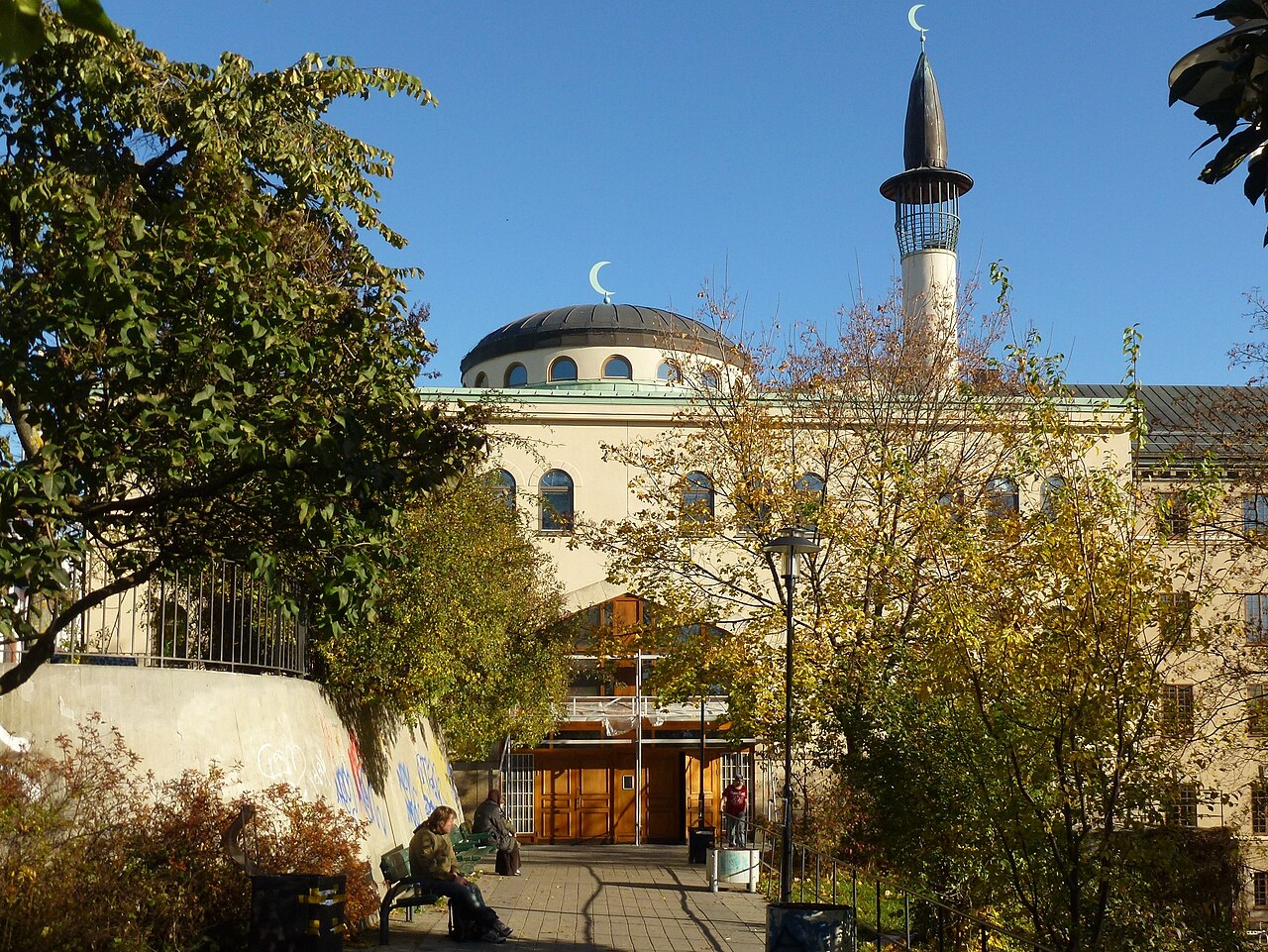
Stockholms moské
Stockholm Mosque, locally known as Stockholms moské, is a place of Islamic worship and a community centre in Sweden’s capital. The mosque provides space for prayer, religious education and cultural activity, making it both a spiritual venue and an important part of Stockholm’s religious diversity. A visit offers insight into Muslim life in the city, but the mosque’s primary purpose remains worship. Travellers should therefore approach Stockholm Mosque as a living religious institution rather than as a conventional museum or performance venue. The community setting is central to understanding the place and to behaving appropriately inside it.
Checked 2026-08-26 · Source
Inside Stockholm Mosque, prayer halls are oriented towards Mecca, with separate areas for men and women in keeping with Islamic tradition. Ablution facilities support ritual washing before prayer. The interior is functional and devotional, with the atmosphere shaped by worship rather than by a tourist display. Islamic decorative traditions may be reflected in the prayer environment, but the supplied place description does not identify a room-by-room collection or exhibition. Visitors should focus on the religious character of the space, enter quietly and follow the arrangements used by worshippers. The building’s community role matters as much as its physical interior.
Checked 2026-08-26 · Source
Allow around thirty to sixty minutes for a respectful visit to Stockholm Mosque, while letting the congregation’s needs set the pace. Prayer takes priority, so a shorter visit may be appropriate when worship is underway. Travellers interested in the mosque’s role in Stockholm’s Muslim community may need additional time for quiet observation or conversation when the setting permits it. This is not a venue with a fixed tourist circuit. The right duration depends on whether the mosque is busy, whether prayer is taking place and how much time can be spent without interrupting religious activity.
Checked 2026-08-26 · Source
The best time to visit Stockholm Mosque is a quiet period outside active prayer, especially outside the Friday midday congregation. Muslim prayer takes place five times each day, and the timing changes through the year with the daily cycle of daylight. Ramadan and other Islamic holidays bring additional observances and can change the character of the mosque. A considerate visit begins with awareness of the worship schedule and the needs of the congregation. Arriving quietly and accepting that prayer areas may be unavailable protects the mosque’s religious function and makes a brief cultural visit more respectful.
Checked 2026-08-26 · Source
Stockholm Mosque is a house of worship, so the visit is centred on prayer and community life rather than commercial ticketing. The supplied place description does not state an admission charge, ticket desk or paid exhibition. Travellers should not plan the stop around a museum-style entry process. Anyone wishing to support the mosque should treat a contribution as a matter for the community and its representatives. The important preparation is cultural: arrive in appropriate dress, remove shoes before entering prayer areas and keep the visit quiet and unobtrusive.
Checked 2026-08-26 · Source
Stockholm Mosque is located within Stockholm and is served by the city’s wider public transport and pedestrian network. Urban travel by public transport, walking or bicycle suits the mosque’s city setting. Leave room for a quiet transition from the street into the religious space, particularly if arriving during a busy period. The journey is part of a city neighbourhood visit, but the destination itself requires attention to worship rather than to tourist throughput.
Checked 2026-08-26 · Source
Wear modest clothing that covers the shoulders and knees, and choose more conservative dress for the prayer environment. Remove shoes before entering prayer areas. Keep voices low, do not interrupt worshippers and respect separation between men’s and women’s spaces. Non-Muslim visitors should remain outside active prayer unless the community clearly welcomes their presence. Photography can affect privacy, especially during worship, so ask before taking pictures. Stockholm Mosque is a living place of faith: observation, patience and courtesy matter more than seeing every part of the building.
Checked 2026-08-26 · Source
Photography inside Stockholm Mosque requires particular care because worshippers may not wish to be photographed. Ask mosque representatives before using a camera in prayer areas, and never interrupt prayer to create an image. Flash is unsuitable for the quiet devotional atmosphere. Exterior photography is a less intrusive way to document the mosque’s place in Stockholm, but people entering or leaving still deserve privacy. Keep equipment compact and follow any local direction immediately. The most successful photographs will convey the building’s community setting without turning worshippers into an unplanned part of a tourist scene.
Checked 2026-08-26 · Source
Stockholm Mosque is a place of Islamic worship and community gathering in Sweden’s capital. It supports prayer, religious education and cultural activity.
Wear modest clothing covering the shoulders and knees, with more conservative dress preferred. Shoes are removed before entering prayer areas.
Speak quietly, avoid interrupting worshippers, respect separate prayer spaces and follow the mosque’s arrangements. Treat the building as a working place of worship rather than a tourist attraction.
The mosque hosts five daily prayers, and Friday midday prayer is the main weekly congregation. These periods can be busy and require visitors to give worship priority.
Stockholm Mosque has prayer halls oriented towards Mecca and ablution facilities for ritual washing. The interior is organised around worship and community use.
A respectful visit commonly takes about thirty to sixty minutes, although prayer activity and the needs of the congregation should determine the pace.
Loading the interactive map…
The interactive map could not be loaded.
Last updated:
Source: OpenStreetMap contributors, Wikidata ·