8 min walk
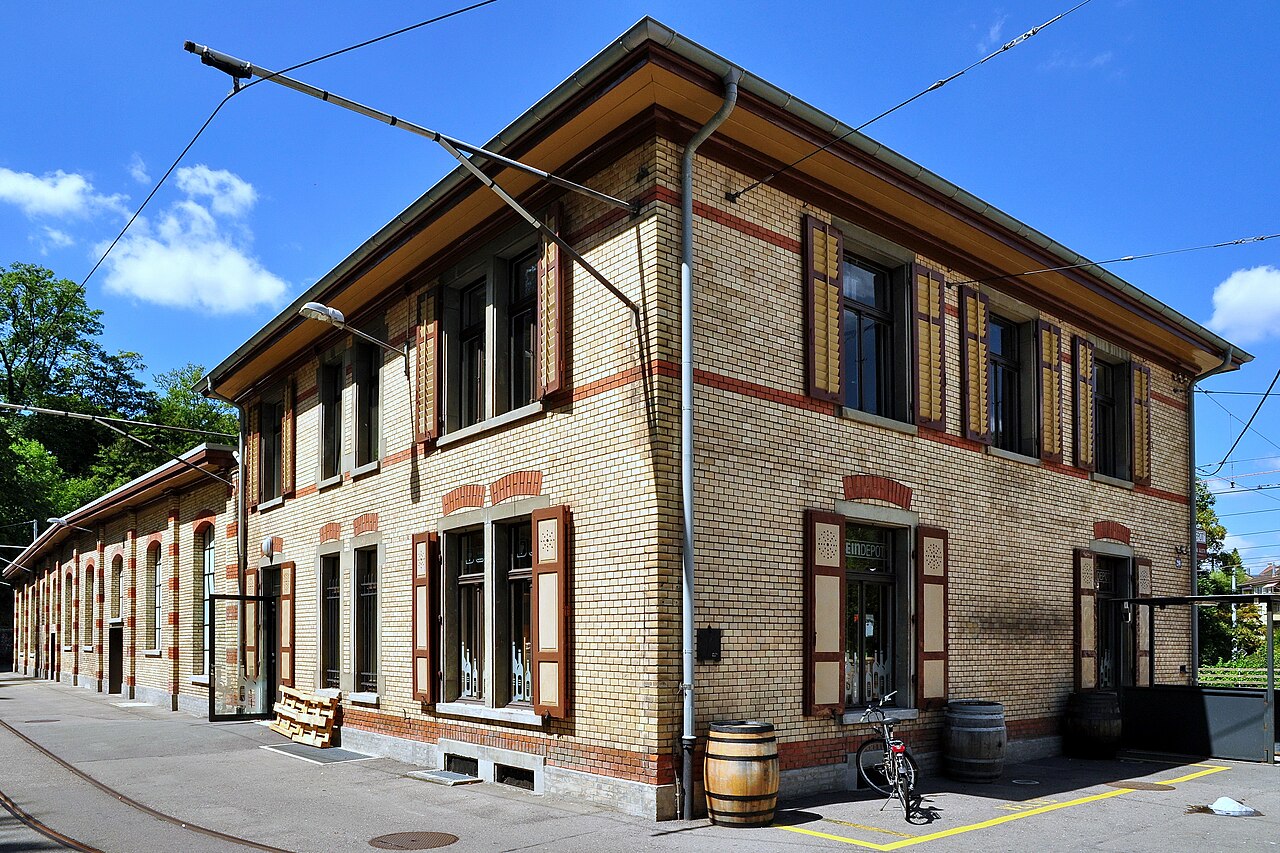
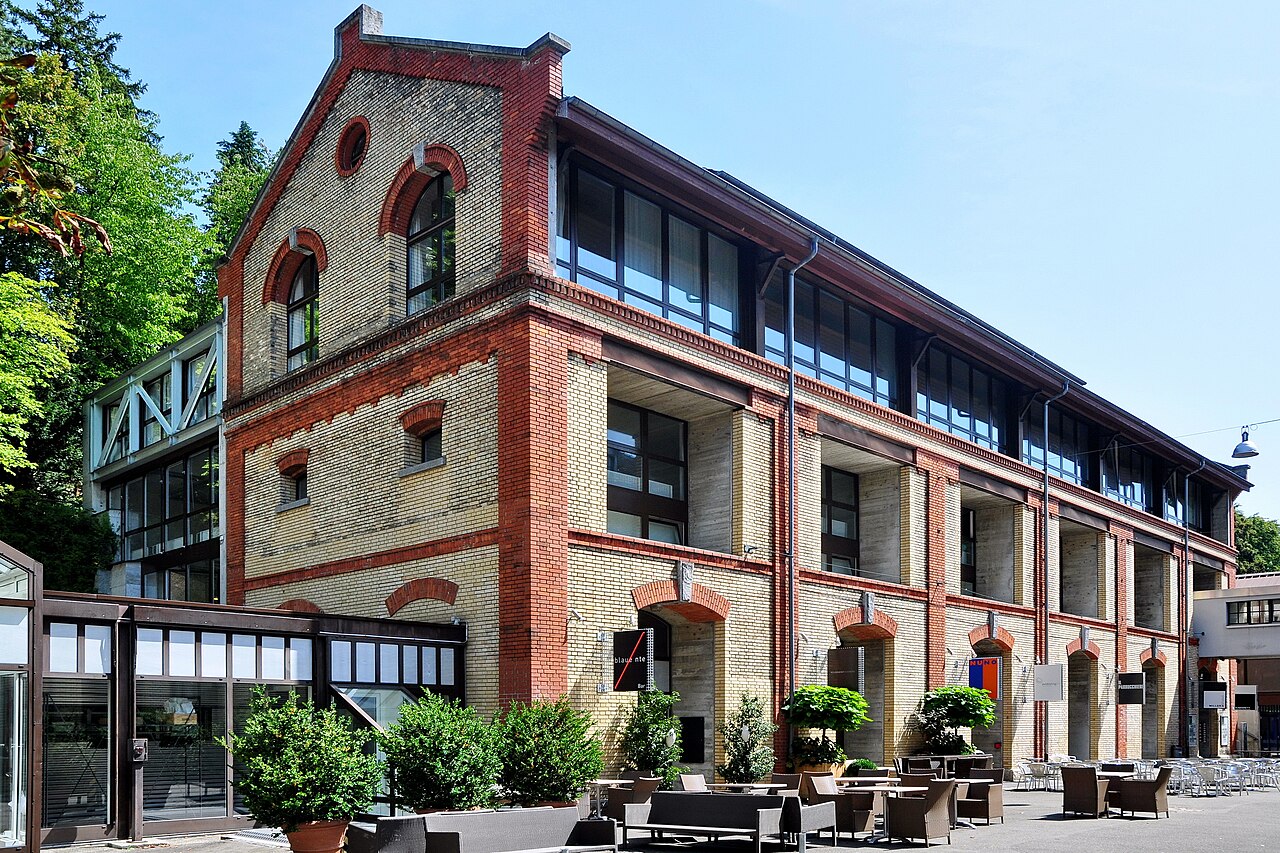
Mühle Tiefenbrunnen
- Must see · Heritage site
- Museum
Museum · Zurich
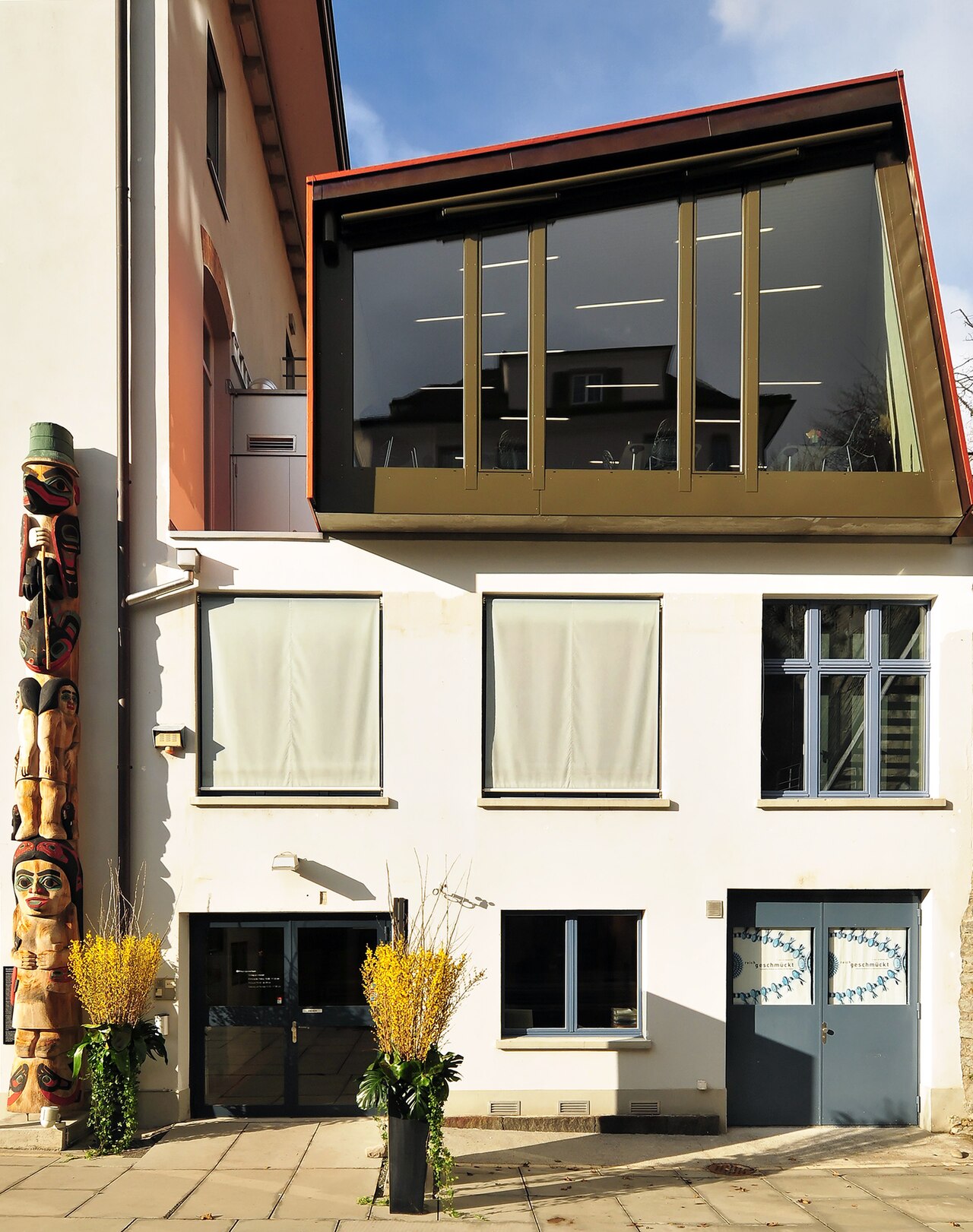
Nordamerika Native Museum NONAM
| Monday | Closed |
|---|---|
| Tuesday | 13:00 – 17:00 |
| Wednesday | 13:00 – 17:00 |
| Thursday | 13:00 – 17:00 |
| Friday | 13:00 – 17:00 |
| Saturday | 13:00 – 17:00 |
| Sunday | 10:00 – 17:00 |
Checked 2026-08-31 · Source
| Per person | CHF 17.00 |
|---|
Checked 2026-08-31 · Source
Read from the OpenStreetMap access tags; anything not listed has no tag recorded.
Set the group type to family in the planner and the day window contracts to about three quarters of a solo day.
North America Native Museum, known locally as Nordamerika Native Museum or NONAM, is a Zurich museum devoted to Indigenous peoples of North America. It presents cultural history, artistic traditions and material culture within a European museum setting. The museum offers a focused alternative to broad world-culture collections, making it useful for visitors who want to spend time with one region and its many communities rather than move quickly across a global survey. The North America Native Museum, known locally as Nordamerika Native Museum NONAM, is a cultural institution in Zurich dedicated to Indigenous peoples of North America. Located within the Swiss city, it serves as a space for exhibiting and interpreting Native American cultures, histories, and artistic traditions. The museum represents an effort to present Indigenous perspectives within a European context, though visitors should approach its interpretations with critical awareness of who shapes narratives about colonized peoples. Rank 33 reflects the corrected visitor-priority order and excludes similarly named or nearby proxies. The museum may engage children interested in cultural topics, though suitability depends on specific exhibit content and individual child sensitivity to historical themes including colonial impacts on Indigenous peoples.
Checked 2026-08-26 · Source
The visit centres on objects, art and ethnographic material associated with diverse Indigenous nations and communities of North America. Displays can include crafts, textiles, pottery, ceremonial objects and themes linking historical traditions with contemporary Indigenous creativity. Read the surrounding interpretation carefully, especially where it discusses identity, provenance and cultural context. A visit is most rewarding when objects are treated as part of living communities and histories, not simply as decorative examples from a distant culture. The museum's collections and displays focus on material culture, art, and ethnographic objects representing diverse Native American nations and communities. Exhibits typically include traditional crafts, textiles, pottery, and ceremonial items. The museum may also host temporary exhibitions exploring specific themes, regions, or contemporary Indigenous artistic production. Visitors should note that presentation frameworks vary, and the museum's approach to cultural representation warrants thoughtful examination regarding authenticity, provenance, and the ethics of displaying sacred or culturally sensitive objects. A flexible visit lets travellers connect North America Native Museum with the rest of the day without treating one room, viewpoint or photograph as the whole experience.
Checked 2026-08-26 · Source
Allow one to two hours for a thoughtful visit. The museum’s specialised subject supports a focused pace, while visitors who read the interpretation closely or engage deeply with a temporary theme may stay longer. It can anchor a cultural afternoon in Zurich or balance a day otherwise spent outdoors. Leave enough time to consider the context of the displays instead of treating the museum as a quick collection of objects.
Checked 2026-08-26 · Source
NONAM is an indoor destination that can strengthen a Zurich plan in any season. It is particularly useful during rain, cold weather or a day when you want a quieter cultural experience. Summer daylight makes it easier to combine the museum with outdoor sightseeing elsewhere, while winter visitors may value the shelter and concentration of the galleries. Give the visit a dedicated time window so the interpretation does not become an afterthought.
Checked 2026-08-26 · Source
Plan the museum as a focused cultural stop and keep the surrounding Zurich day flexible. Its specialised scope can complement larger museums, but the value comes from the subject and interpretation rather than from trying to cover many collections quickly.
Checked 2026-08-26 · Source
The museum sits within Zurich’s urban transport network, with access planned through the city’s trams, buses and trains. Zurich Hauptbahnhof is the main interchange for visitors arriving by rail. Walking and cycling can also fit a Zurich day, depending on where you start and how much time you want to spend outdoors.
Checked 2026-08-26 · Source
NONAM deserves a respectful, attentive visit. Indigenous cultures are diverse, and a single exhibition cannot represent every nation or experience. Notice whose voices frame the interpretation and how objects are identified, contextualised and connected with living communities. Some subjects may involve colonial history, ceremony or cultural sensitivity. The museum’s focused scope is a strength for visitors seeking depth, but it may feel narrow beside a large general ethnographic institution.
Checked 2026-08-26 · Source
Photograph only where the exhibition permits it, and give particular care to objects with ceremonial or culturally sensitive meaning. Avoid flash and keep cameras from interrupting other visitors. A display’s labels and context are as important as the object itself, so make space for reading before taking pictures. For publication or commercial use, treat personal photography rules as insufficient and seek the relevant permission through the museum’s own process.
Checked 2026-08-26 · Source
It focuses on Indigenous peoples of North America through cultural history, art, material culture and ethnographic interpretation.
Allow one to two hours, with additional time useful when reading the displays closely or exploring a temporary theme.
Displays can include crafts, textiles, pottery, ceremonial objects, artworks and material connected with diverse Indigenous communities.
Yes. The indoor galleries provide a concentrated cultural experience during rain or cold weather.
Use Zurich’s tram, bus or train network, starting from the mapped museum location for the final stop and walking route.
Read the context carefully, recognise the diversity of Indigenous communities and treat ceremonial or culturally sensitive material with respect.
Loading the interactive map…
The interactive map could not be loaded.
Last updated:
Source: OpenStreetMap contributors, Wikidata ·