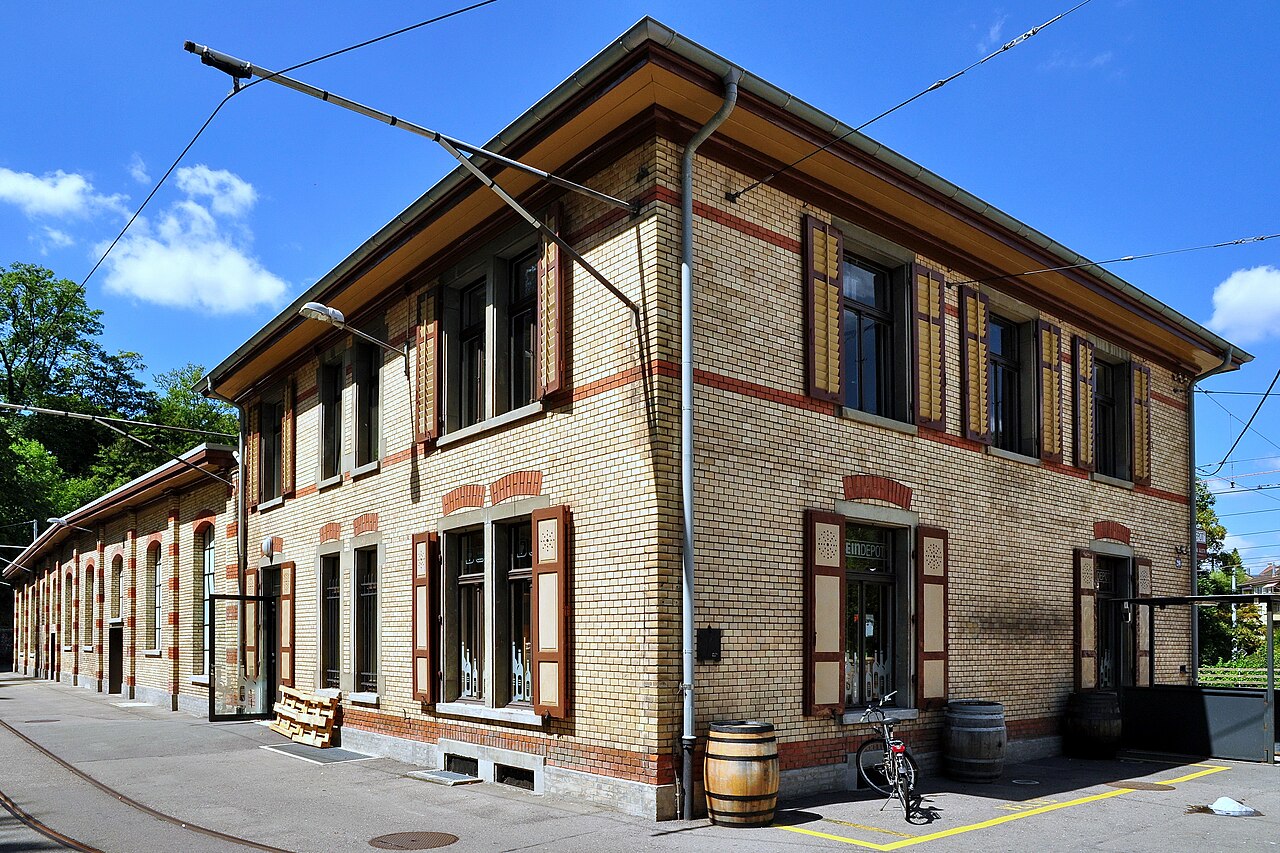
Zurich Tram Museum preserves the history of Zurich’s tramway system in a former tram depot. The museum combines public exhibitions with the atmosphere of a working transport heritage site, making it a focused stop for visitors interested in engineering, urban history, and the vehicles that shaped everyday movement through Switzerland’s largest city. Historic trams connect the museum with the city outside: Zurich’s present-day network still makes the subject immediately familiar. The depot setting gives the visit a practical, physical character rather than presenting transport history only through text and photographs. Visitors can move from the development of public transport to the details of individual vehicles, while the preserved surroundings provide context for maintenance and operation. The museum suits travellers who enjoy seeing how a city works, especially those who want a quieter specialist attraction alongside Zurich’s larger museums and viewpoints.
The collection brings together historic Zurich tram cars from several periods of the city’s transport history. Visitors can examine vehicle exteriors, passenger compartments, original fittings, signs, ticketing equipment, photographs, and technical material. The depot retains an industrial character, with the arrangement of vehicles and working spaces helping explain how a tram network is maintained. Early twentieth-century cars offer a strong contrast with later models, so the collection works best when viewed as a sequence of changing designs, technologies, and passenger experiences. Archival displays place the vehicles within daily life: routes expanded, equipment changed, and trams became part of Zurich’s civic identity. The museum is more rewarding when visitors look closely at details such as seating, controls, destination boards, lighting, and construction methods. The combination of full-size vehicles and documentary material gives the collection depth without requiring specialist knowledge.
Allow about one to two hours for a normal visit to Zurich Tram Museum. The depot is compact, so visitors can see the principal vehicles and displays without a long walk between separate buildings. Transport enthusiasts may spend longer studying technical features, fleet changes, and restored interiors. A shorter visit still works for travellers fitting the museum between other Zurich activities, while a slower visit gives more time to compare vehicle generations and read the historical material. Special heritage services or demonstrations can add a separate experience beyond the exhibition circuit. The museum’s focused subject makes it easier to plan than a large encyclopedic museum: visitors can decide whether they want a quick overview, a detailed examination of the fleet, or a combination with nearby city sightseeing. Children may also need extra time to inspect the trams from inside and outside.
Zurich Tram Museum is an indoor attraction, so it remains useful on cold or wet days when outdoor sightseeing is less comfortable. Choose a quieter period if you want to study the vehicles and archival displays without rushing. The museum is especially interesting for visitors who enjoy Zurich’s living tram system, because the exhibits explain the older vehicles and practices behind a form of transport still visible across the city. Heritage tram operations and special events are separate from an ordinary museum visit and can change the character of the day. Seasonal travel patterns may make central Zurich busier, but the museum’s specialist focus offers a break from the busiest landmarks. Build the visit around the museum’s confirmed public schedule, particularly when travelling for a special service or demonstration, because the availability of operational vehicles is distinct from the permanent collection.
Zurich Tram Museum is a specialist museum devoted to the city’s tram heritage. The supplied place record does not state an admission amount or ticket category, so this guide does not attach a price to entry. Treat the museum visit and any heritage tram service as separate parts of the experience: a special ride may have its own arrangements even when the depot exhibition is open. Visitors planning a tight Zurich budget can place the museum alongside free city walks, but the cost of a particular visit cannot be calculated from the place record. The collection itself is the main reason to come, with full-size vehicles, preserved fittings, and archival interpretation providing the substance of the visit. A transport enthusiast may also value special programming, while a casual visitor can enjoy the depot and the contrast between historic cars and Zurich’s current network.
Zurich Tram Museum is naturally suited to reaching by Zurich’s public transport network, since the attraction is devoted to the city’s trams and their history. Regular trams and other urban services connect the museum area with central Zurich, the main railway station, and accommodation districts. Arriving by tram adds context to the visit: the journey lets visitors observe the modern network before examining its predecessors in the depot. Walking or cycling can work for travellers already exploring surrounding neighbourhoods. Public transport is generally the practical choice for a city museum, while driving into Zurich brings the usual central-city concerns of traffic and limited parking. Use the museum’s mapped position to plan the final walk from the selected stop, and leave enough time for the approach if the visit forms part of a wider itinerary.
The former depot is an industrial environment, not a modern gallery designed around completely level circulation. Watch for uneven surfaces, rails, maintenance features, and boundaries around working or restricted areas. Historic tram cars can have steep steps, narrow aisles, and original fittings, so the interiors may be difficult for some visitors to enter. Children should stay close to accompanying adults around vehicles, tracks, and equipment. The museum’s heritage function also means that parts of the site can be connected with maintenance or special operations. Keep clear of marked areas and follow staff directions. The place record does not establish wheelchair access, toilet provision, or other amenities, so this guide does not describe them as available. The depot’s practical character is part of its appeal, but it calls for slower movement and attention to the floor and vehicle edges.
Zurich Tram Museum offers strong subjects for photography: full-size historic trams, period liveries, destination boards, passenger interiors, mechanical details, and the depot’s industrial structure. Photographing from several angles helps show the difference between vehicle design and the working environment around it. Window light can emphasize polished surfaces and old fittings, while the wider depot provides a useful sense of scale. Keep equipment and bags out of circulation areas, especially where visitors need to pass between cars. The supplied place record does not define photography permissions, so follow signs and staff directions inside the museum. Avoid using flash or a tripod wherever the museum restricts them. A respectful approach protects the experience for other visitors and keeps attention on the collection rather than on the photographer.
Children can explore full-size historic tram cars, passenger interiors, destination signs, ticketing equipment, and the industrial depot setting. Adults should keep children close to vehicles, tracks, and equipment.
What is the main subject of Zurich Tram Museum?
The museum presents the development of Zurich’s tramway system through historic vehicles, restored interiors, technical equipment, photographs, signs, and archival material.
How long does a visit to Zurich Tram Museum take?
Allow about one to two hours for the museum circuit. Transport enthusiasts may spend longer examining vehicle details and historical displays.
Why visit Zurich Tram Museum by tram?
Arriving by tram connects the present-day Zurich network with the historic vehicles inside the museum and gives the visit useful urban context.
What kind of setting does Zurich Tram Museum use?
The museum occupies a former tram depot with an industrial atmosphere, vehicle displays, maintenance features, and workshop-related spaces that support the transport-history exhibits.
What should visitors watch for inside Zurich Tram Museum?
Visitors should take care around uneven flooring, rails, vehicle steps, narrow aisles, and marked restricted areas. Children need close supervision around historic vehicles and equipment.