3 min walk
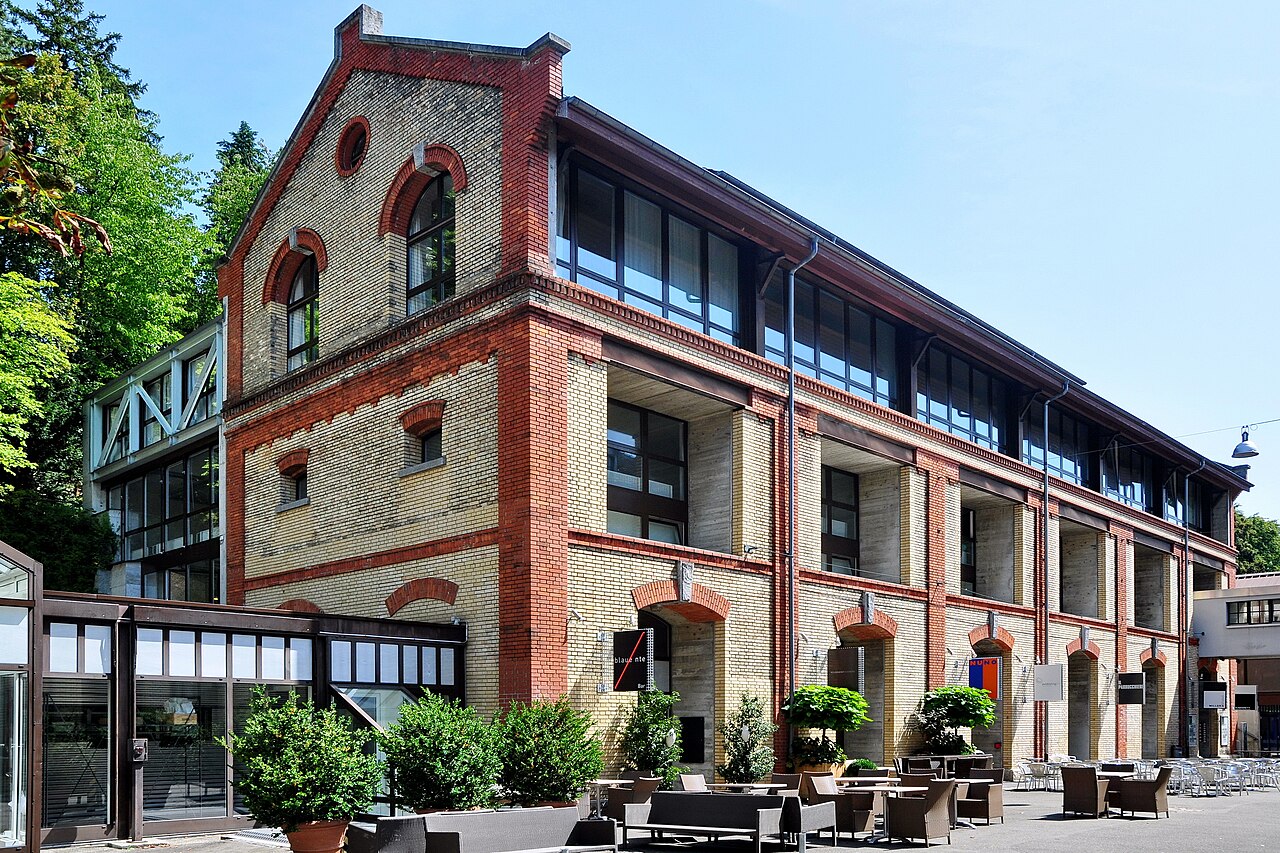
Villa Patumbah
- Must see · Heritage site
- Historic monument
Nature site · Zurich
Botanischer Garten der Universität Zürich
| Monday | 07:00 – 19:00 |
|---|---|
| Tuesday | 07:00 – 19:00 |
| Wednesday | 07:00 – 19:00 |
| Thursday | 07:00 – 19:00 |
| Friday | 07:00 – 19:00 |
| Saturday | 08:00 – 18:00 |
| Sunday | 08:00 – 18:00 |
Also recorded: 08:00 – 18:00, 09:30 – 16:45
Also recorded: 08:00 – 17:00, 09:30 – 16:45
Checked 2026-08-31 · Source
| Per person | Free entry |
|---|
Checked 2026-08-31 · Source
Read from the OpenStreetMap access tags; anything not listed has no tag recorded.
Set the group type to family in the planner and the day window contracts to about three quarters of a solo day.
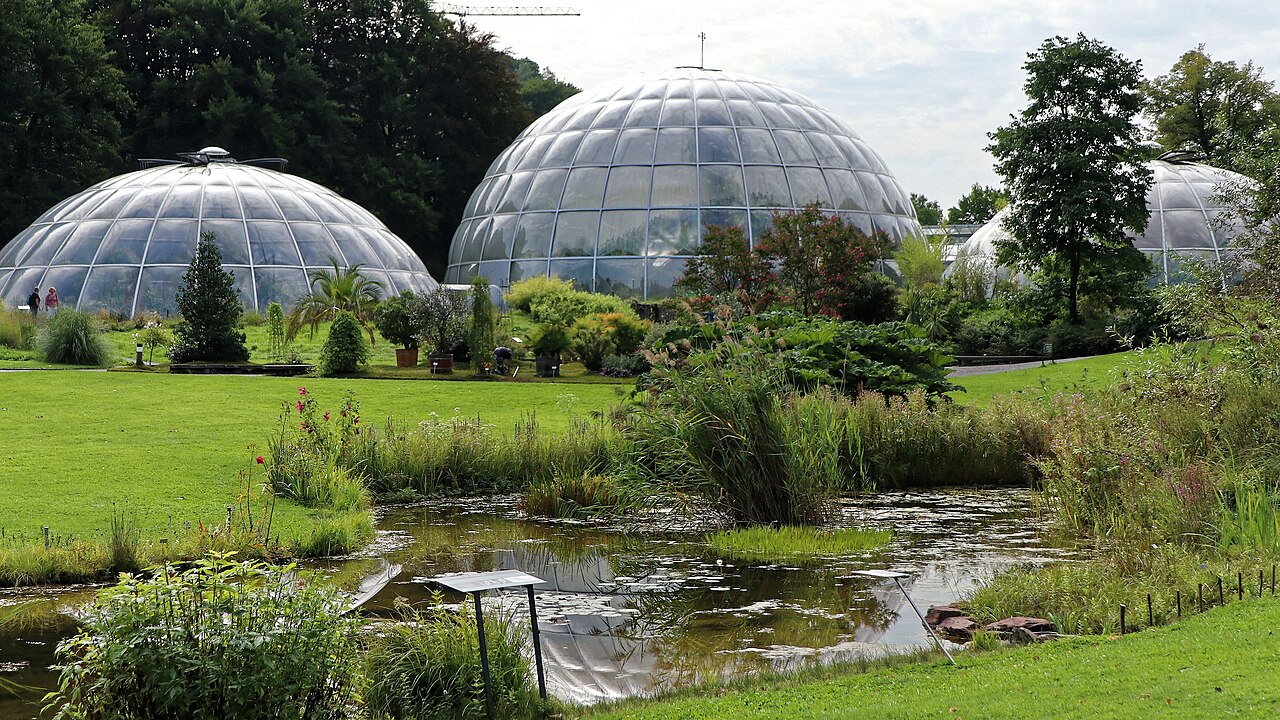
The Botanical Garden of the University of Zurich is a living plant collection serving research, teaching and public education. It gives visitors a chance to encounter botany within the city while seeing how a university uses cultivated plants to explain scientific relationships, ecological adaptations and the diversity of vegetation from different climates and regions. The Botanical Garden of the University of Zurich, known locally as Botanischer Garten der Universität Zürich, is a botanical garden operated by the University of Zurich. It serves as a research and teaching facility for the university while also being accessible to the general public. The garden is located in the city of Zurich, Switzerland. It functions as a living collection of plants for scientific study, conservation, and public education. The garden represents one of the city's cultural and educational attractions for visitors interested in botany, horticulture, and natural sciences. Visitors should verify current entry policies directly with the University of Zurich.
Checked 2026-08-26 · Source
The garden contains organised plantings arranged for scientific and educational purposes, with specimens representing varied climates and regions. Visitors can read the grounds as a living lesson in plant form, relationships and adaptation. Seasonal growth changes the display naturally, so the same paths can offer different colours, textures and flowering subjects at different points of the year. The garden contains diverse plant collections arranged for scientific and educational purposes. As a university botanical garden, it maintains living specimens from various climates and regions worldwide. The collections support research activities and student instruction at the University of Zurich. Visitors can expect to find organized plantings that demonstrate botanical relationships and ecological adaptations. The plantings change seasonally, reflecting natural growth cycles and research priorities of the institution.
Checked 2026-08-26 · Source
Allow roughly one to two hours for a relaxed walk through the collections. About an hour suits a general overview, while plant enthusiasts, photographers and visitors who enjoy reading scientific displays may stay longer. The garden works well as a measured half-day activity and can be combined with other Zurich sights without requiring a full day on its own. Visitors typically spend between one and two hours exploring the Botanical Garden of the University of Zurich. The duration depends on individual interest in botany and the depth of observation desired. Casual visitors may complete a general walkthrough in approximately sixty minutes, while those with strong interest in plant identification and garden design may prefer extended visits. The garden's size as a university facility suggests manageable grounds that do not require full-day commitment. Combining this visit with nearby attractions in Zurich is practical for efficient itinerary planning.
Checked 2026-08-26 · Source
Spring and summer bring active growth and the greatest variety of flowers and foliage. Autumn adds changing colours among deciduous plants, while winter places more emphasis on evergreen collections and the structure of the garden. Outdoor comfort depends on weather. The seasonal character is part of the attraction, making repeat visits rewarding for travellers interested in plants and landscapes.
Checked 2026-08-26 · Source
The garden is a university facility with public access, so the visit belongs to Zurich’s educational and cultural landscape rather than a commercial attraction model. The grounds provide a way to experience cultivated collections and scientific education in the city. If you are planning a visit around a special programme or event, treat that activity separately from simply walking through the garden.
Checked 2026-08-26 · Source
Reach the Botanical Garden within Zurich’s integrated tram, bus and train network, then continue on foot from the nearest suitable stop. Walking or cycling can also work from nearby city districts. Its university setting places it within an urban neighbourhood rather than an isolated countryside location, making it practical to add after another Zurich activity.
Checked 2026-08-26 · Source
Remember that the garden serves research and teaching as well as visitors. Stay on paths, avoid touching specimens and leave room for academic work. Outdoor sections can be wet or uncomfortable in poor weather, while plant collections from warmer climates may create different indoor conditions. Quiet behaviour helps protect the garden’s educational atmosphere and delicate living displays.
Checked 2026-08-26 · Source
Use the garden’s organised plantings to frame close studies of leaves, flowers, stems and textures, as well as wider views showing the relationship between collections and paths. Spring flowers, summer greenery and autumn foliage provide distinct palettes. Stay on designated routes and keep photography unobtrusive around research, teaching and other visitors enjoying the grounds.
Checked 2026-08-26 · Source
It is a living plant collection used for university research, teaching and public education, giving visitors an urban setting in which to explore botanical diversity and plant adaptations.
You can see organised plantings and living specimens representing varied climates and regions. Seasonal growth changes the colours, flowers, foliage and textures visible along the garden paths.
Use Zurich’s integrated tram, bus and train network, then walk from the nearest suitable stop. Depending on your starting point, walking or cycling from another city district is also practical.
Plan about one to two hours. An hour covers a general walk, while visitors interested in plant identification, scientific context or photography may prefer more time.
Spring and summer offer active growth and flowers, autumn brings changing foliage, and winter highlights evergreen plants and garden structure. Choose according to the seasonal atmosphere you prefer.
Stay on paths, avoid touching specimens and keep your voice low around research and teaching areas. The garden is both a public attraction and an active university collection.
Loading the interactive map…
The interactive map could not be loaded.
Last updated:
Source: OpenStreetMap contributors, Wikidata ·