

2 min walk
Pavillon Le Corbusier
- Must see
- Museum
Language · 11 published
Nature site · Zurich
Chinagarten Zürich
Reviewed by Elena Voss · Roavina Travel Editor
| Monday | 11:00 – 19:00 |
|---|---|
| Tuesday | 11:00 – 19:00 |
| Wednesday | 11:00 – 19:00 |
| Thursday | 11:00 – 19:00 |
| Friday | 11:00 – 19:00 |
| Saturday | 11:00 – 19:00 |
| Sunday | 11:00 – 19:00 |
Checked 2026-08-31 · Source
Read from the OpenStreetMap access tags; anything not listed has no tag recorded.
Set the group type to family in the planner and the day window contracts to about three quarters of a solo day.
This place is a Attraction.
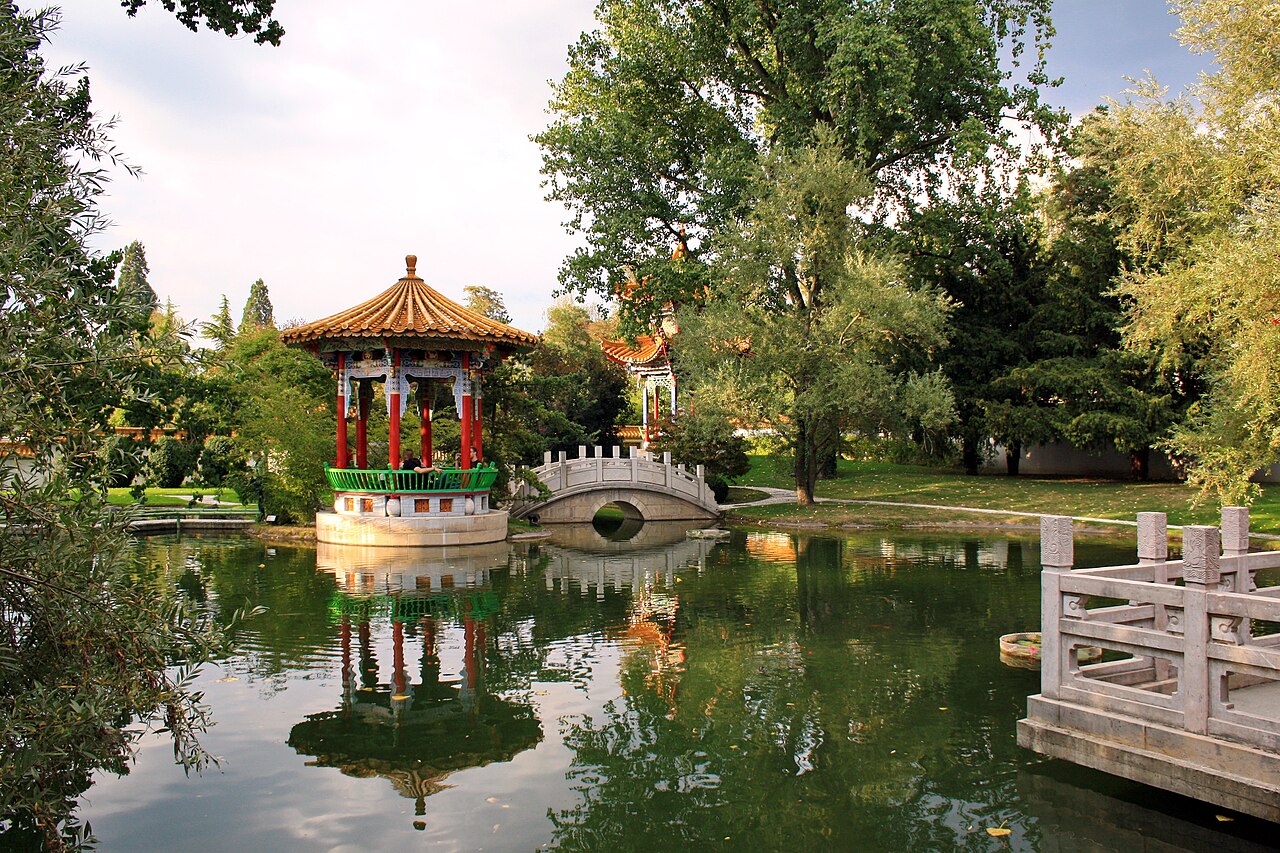
Chinese Garden Zürich is a traditional Chinese garden given to the city by its Chinese partner town, Kunming. It creates a carefully composed cultural landscape within Zurich, using architecture, water, planting and symbolic design to offer a quiet contrast with the surrounding urban environment. The garden works as both a place of beauty and a cultural bridge. The Chinese Garden Zürich is a traditional Chinese garden located in the city of Zürich, Switzerland. It was a gift from the city's Chinese partner town, Kunming, and represents classical Chinese garden design with its distinctive architectural and landscaping elements. The garden serves as a cultural bridge between Switzerland and China, offering visitors an authentic experience of Chinese horticultural philosophy. Its placement within Zürich's urban environment creates a notable contrast between European and East Asian aesthetic traditions. The garden is recognized as one of the notable places to visit in Zürich according to tourism sources.
Checked 2026-08-26 · Source
Pavilions, covered walkways, ornamental structures, water features, decorative stonework and carefully selected plants shape the garden. The layout follows the visual language of classical Chinese garden design, balancing built forms with nature and creating framed views for contemplation. Its compact scale rewards slow observation: look at how bridges, water, vegetation and architecture work together rather than rushing from one feature to the next. The garden contains traditional Chinese garden architecture including pavilions, covered walkways, and ornamental structures typical of classical Chinese design. Water features are central to the layout, reflecting the Chinese garden principle of balancing natural elements. Decorative stonework, carefully selected plantings, and symbolic arrangements follow traditional Chinese aesthetic conventions. The garden's design incorporates principles of feng shui and classical Chinese poetry through its visual composition. Visitors will find spaces designed for contemplation and appreciation of nature.
Checked 2026-08-26 · Source
Thirty minutes is enough for a compact walk through the main spaces. Allow up to an hour if you want to study the pavilions, bridges, planting and water reflections or pause for quiet contemplation. The garden’s design is dense with visual details, so a slower visit is more rewarding than measuring the experience by distance covered. A visit to the Chinese Garden typically requires between thirty minutes and one hour for a meaningful experience, though individual pacing varies considerably. Visitors interested in detailed observation of architectural elements, plant species, and symbolic design features may wish to allocate additional time. The compact nature of traditional Chinese gardens means that the physical area is not extensive, but the density of design elements rewards careful attention. Photography enthusiasts and those seeking quiet contemplation often extend their visits.
Checked 2026-08-26 · Source
Spring brings flowers, summer gives the garden its fullest green growth, autumn adds foliage colour and winter can make the architectural outline especially clear. Morning and late afternoon provide gentle light for the water and pavilions. Because the garden is intimate, quieter periods make it easier to appreciate the composed views without interrupting other visitors’ reflective experience.
Checked 2026-08-26 · Source
The garden is a cultural gift and a public Zurich attraction, with entry handled separately from city transport. The visit itself centres on the garden’s pavilions, water, planting and Chinese design principles. When planning your day, allow for the garden as a short cultural stop rather than assuming it functions like a large museum or full-day ticketed complex.
Checked 2026-08-26 · Source
The Chinese Garden is within Zurich’s urban public transport network and can be reached by tram or bus before a final walk. It also suits a walking or cycling route through the city, particularly when combined with lakeside sightseeing. Use the garden’s OSM location to orient yourself in relation to Lake Zurich and the surrounding neighbourhood streets.
Checked 2026-08-26 · Source
This is a contemplative garden, so keep noise low and let others enjoy the pavilions, water and framed views peacefully. Paths may be narrow, wet or uneven, and children need supervision near water features. Treat the planting and structures carefully. The garden’s Chinese origins and its role as a gift from Kunming deserve respectful attention during your visit.
Checked 2026-08-26 · Source
Frame pavilions, bridges, water reflections and planting as connected layers rather than isolated objects. The garden’s compact design creates strong compositions through doorways, covered walkways and carefully arranged views. Spring flowers, summer greenery, autumn leaves and winter light change the palette. Work carefully around narrow paths, keep equipment unobtrusive and avoid blocking contemplative spaces.
Checked 2026-08-26 · Source
It was given to Zurich by its Chinese partner town, Kunming, and presents classical Chinese garden design through pavilions, water, planting, stonework and carefully framed views.
The garden includes pavilions, covered walkways, ornamental structures, water features, decorative stonework, bridges and plantings arranged according to classical Chinese aesthetic principles.
Plan thirty minutes for a concise visit or up to an hour for slow observation of the architecture, water, planting and symbolic relationships within the compact garden.
Spring offers flowers, summer lush greenery, autumn changing foliage and winter clearer architectural outlines. Morning and late afternoon are especially attractive for gentle light and reflections.
Children can enjoy the architecture, planting and water, but the compact paths and water features require close supervision. Quiet behaviour also protects the garden’s contemplative atmosphere.
Keep noise low, remain considerate on narrow paths and avoid touching plants or structures. The garden is designed for quiet appreciation and carries cultural significance as a gift from Kunming.
Loading the interactive map…
The interactive map could not be loaded.

Last updated:
Source: OpenStreetMap contributors, Wikidata ·