
01
2 hours
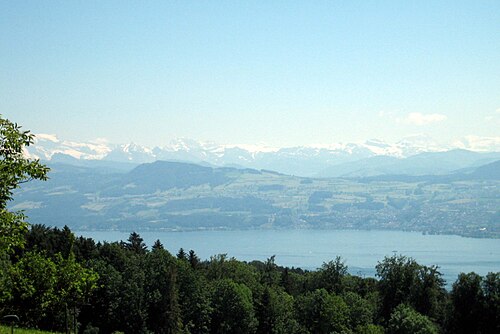
Lake Zurich
Zürichsee
Lake Zurich is not an attraction the city contains but the body of water the city was built at the end of.
- Must see
- Nature site
Language · 11 published
City guide · Switzerland
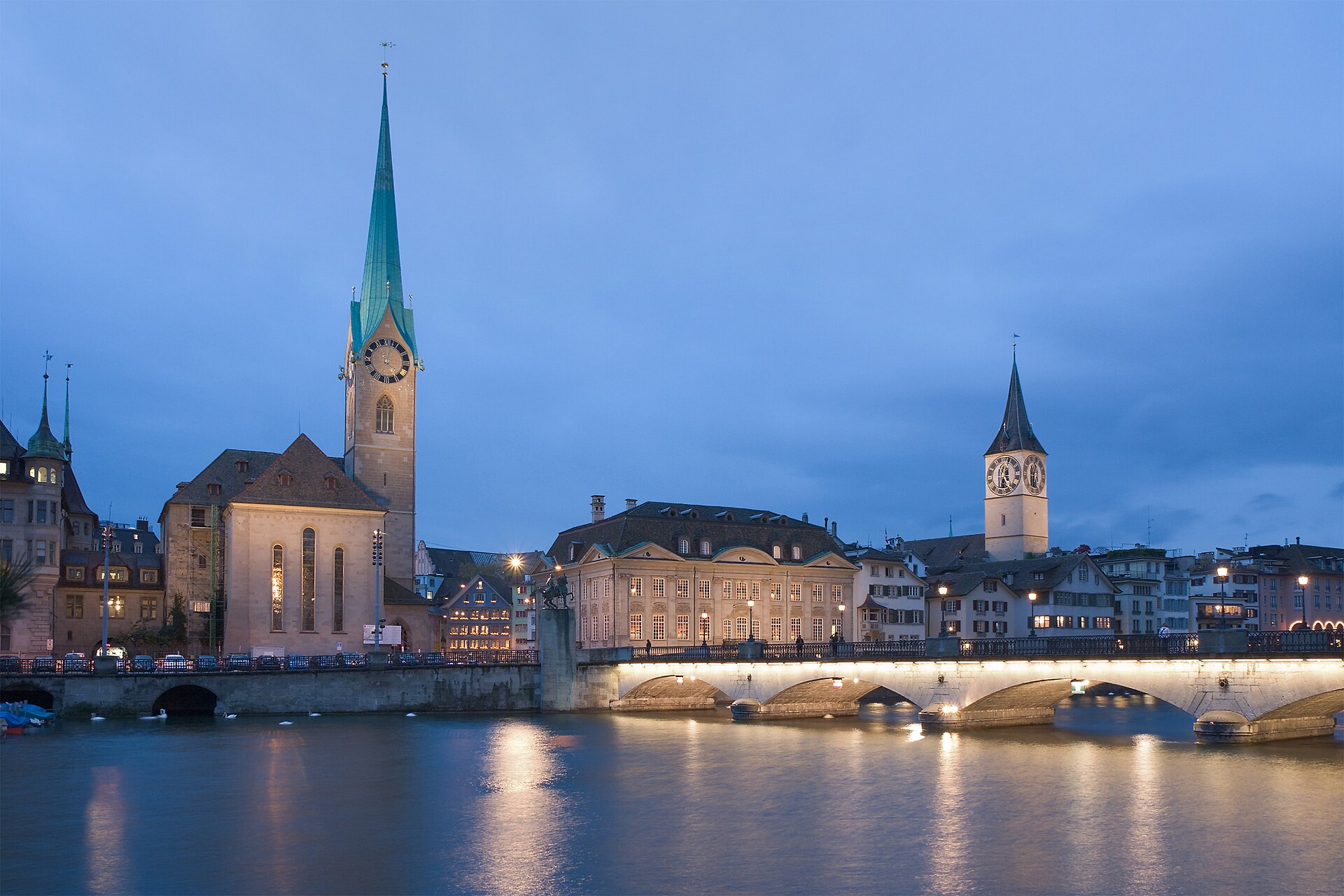
Zurich’s centre is compact and organised around the Limmat River, the lakefront and the main railway station. The Old Town occupies both riverbanks, while the university terraces rise east and the former industrial districts extend west. Trams, S-Bahn trains, buses, boats and funiculars share an integrated zonal network. Walk the historic core, then use public transport for Uetliberg, outer neighbourhoods and longer lake connections.
Reviewed by Elena Voss · Roavina Travel Editor
Set your days, your pace and the hours you actually want to be out. The planner works around closing days and travel time, and leaves room to eat.
Ranked by importance — sitelinks, pageviews and heritage status, not editor preference.
30 places match
Category
Typical visit duration
Interests
Zürichsee
Lake Zurich is not an attraction the city contains but the body of water the city was built at the end of.
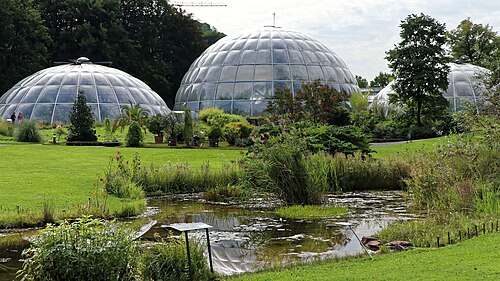
Botanischer Garten der Universität Zürich
The Botanical Garden of the University of Zurich is a living plant collection serving research, teaching and public education.
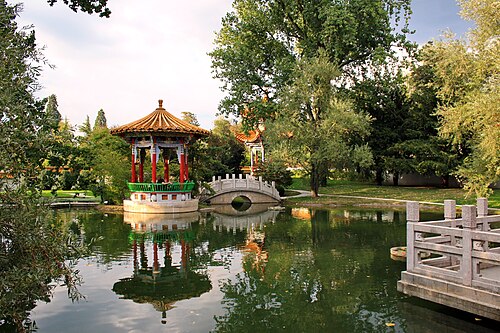
Chinagarten Zürich
Chinese Garden Zürich is a traditional Chinese garden given to the city by its Chinese partner town, Kunming.
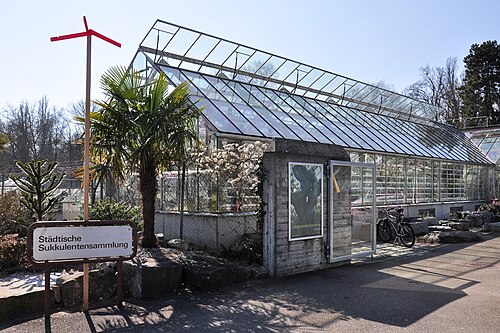
Sukkulenten-Sammlung Zürich is a specialist botanical collection devoted to succulent plants in Zurich. It brings together cacti and other water-storing species from dry regions around the world.
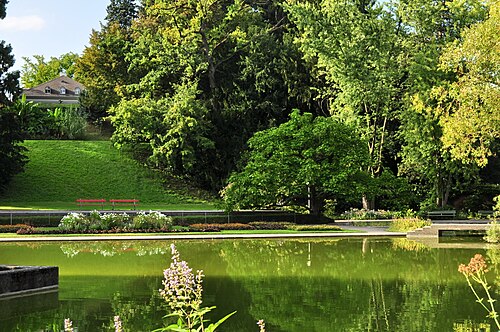
Belvoirpark
Villa Belvoir stands within Belvoirpark in Zurich’s Enge district, combining historic architecture with landscaped parkland.
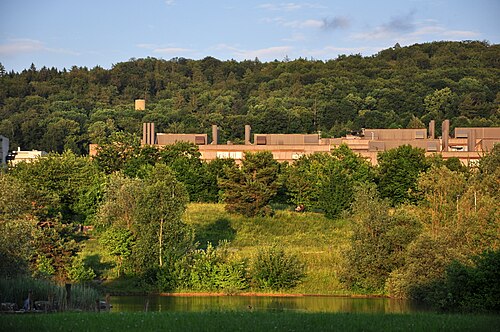
Irchelpark is a public green space beside the University of Zurich’s Irchel Campus. Its lawns, trees, paths, and sloping ground serve residents, students, and visitors looking for outdoor time away from the busiest central streets.
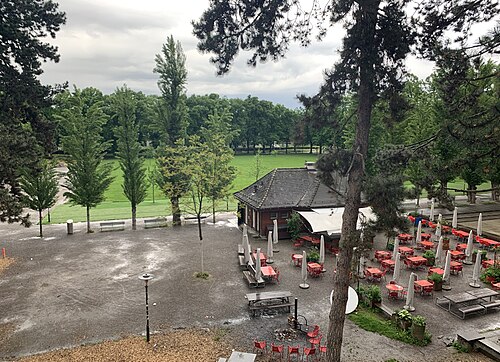
Josefwiese is an urban public park in Zurich, centred on an open meadow where visitors can pause, relax, and enjoy outdoor space within the city.
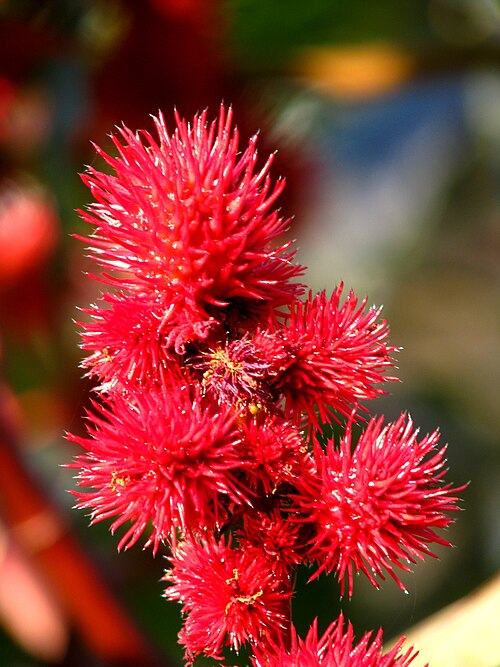
Alter Botanischer Garten is a historic botanical garden in Zurich, located near the main railway station in the city center. It served as Zurich's primary botanical garden before the establishment of the newer Botanischer Garten der Universität Zürich.
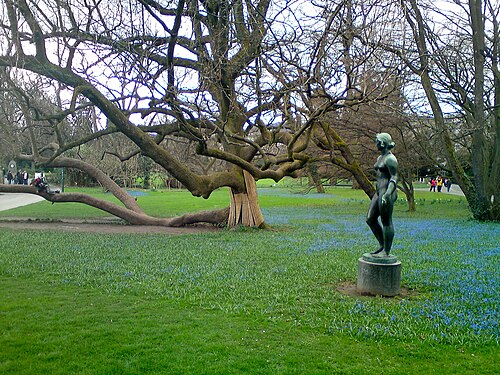
Arboretum
Arboretum Zürich is a public park and botanical collection on the western shore of Lake Zurich. It combines a lakeside promenade setting with trees and shrubs gathered from different climate regions.
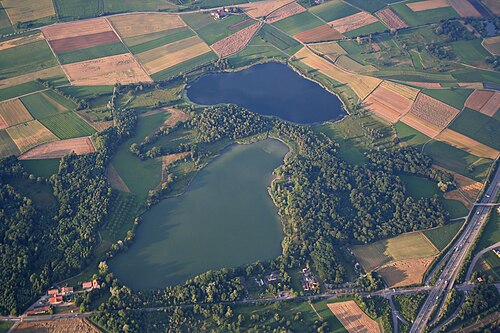
Chatzesee, Chräenriet
Katzensee is a lake in northern Zurich, also known locally as Chatzesee or Chräenriet. It offers an informal outdoor escape within the city’s administrative area, with water, shoreline, meadows and nearby woodland.
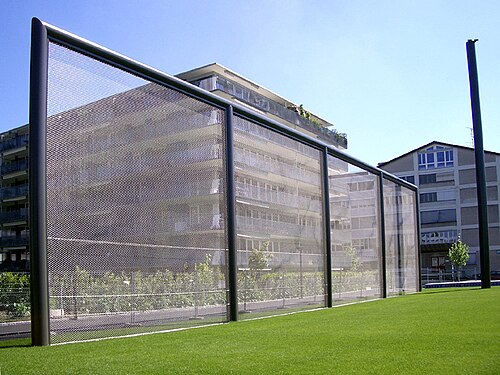
Oerlikerpark
Oerliker Park is a public green space in Zurich's Oerlikon district, serving as recreational grounds for residents and visitors. The park forms part of the city's northern urban landscape, positioned within a formerly industrial area that has undergone significant transformation.
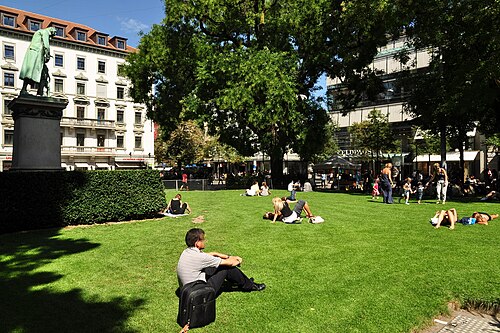
Pestalozzianlage
Pestalozziwiese, also known locally as Pestalozzianlage, is a green public space in Zurich. Its name recalls Johann Heinrich Pestalozzi, the Swiss educational reformer.
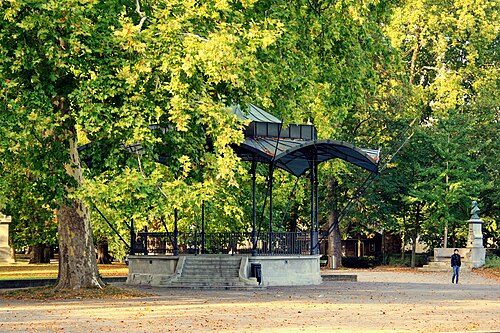
Platzpromenade
Platzspitz park, also known as Platzpromenade, is a riverside public park in central Zurich. It stands where the Limmat and Sihl meet, giving the site a distinctive setting shaped by two waterways and the city’s main railway district nearby.
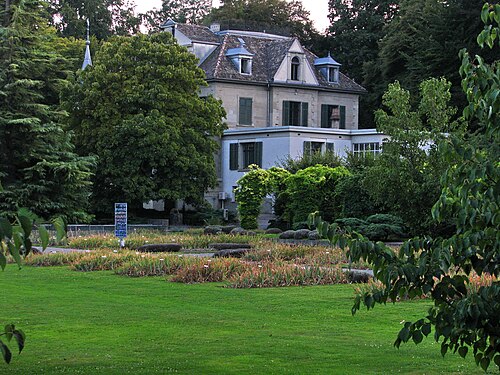
Rieterpark is a landscaped public park in Zurich’s Enge district, on the western shore of Lake Zurich. Its historic character is connected with Villa Wesendonck and with nineteenth-century landscape design.
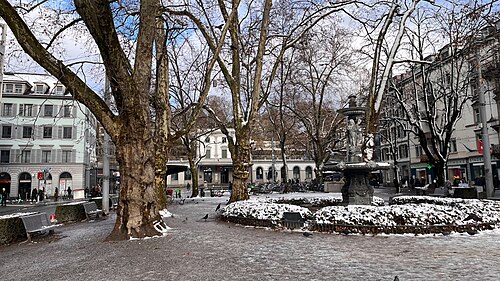
Stadelhoferplatz is a central Zurich square beside Stadelhofen railway station. It functions as both a public urban space and a busy transport interchange, linking railway passengers, tram users, pedestrians, and nearby streets.
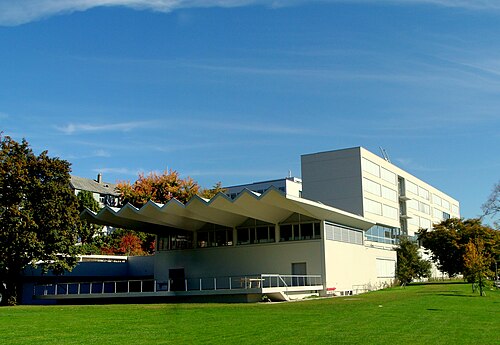
Wipkingerpark is a public green space in Zurich’s Wipkingen district. It gives residents and travellers a place to pause away from the busiest central streets while remaining within the city.
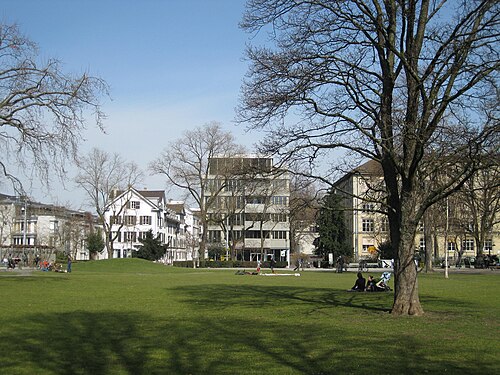
Bäckeranlage is a public park and green space in Zurich, Switzerland. The park brings open outdoor space into the city’s urban fabric and provides a place for walking, pausing and everyday recreation.
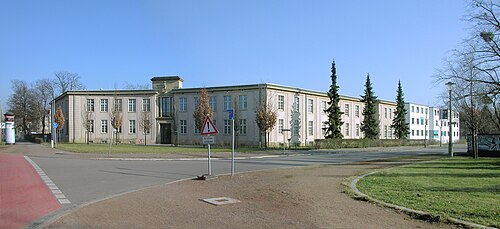
Basteiplatz is a public square in Zürich, Switzerland. It belongs to the city’s network of open civic spaces and provides an urban setting for passing through, orienting yourself, or pausing during a walk.
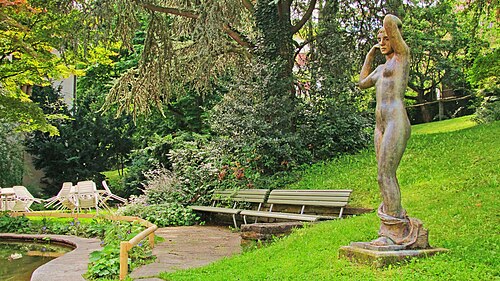
Gustav-Ammann-Park is a public green space in Zurich named after Gustav Ammann, a Swiss landscape architect. The park offers an urban pause for residents and visitors who want open air and greenery within the city.
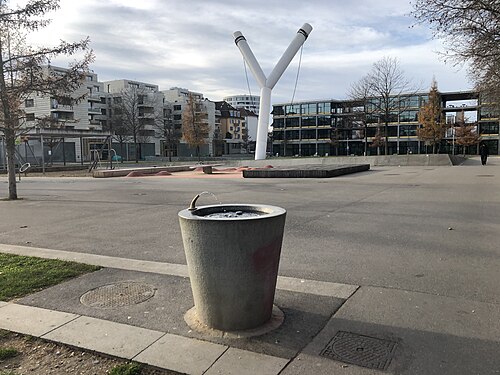
Hardaupark is an urban public park in Zurich that gives residents and travellers a place to walk, pause and spend time outdoors. It belongs to the city’s network of green spaces woven through developed neighbourhoods.
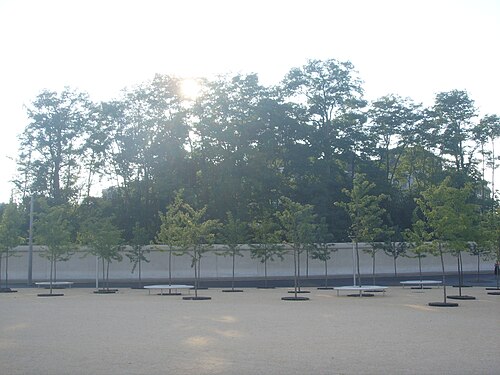
Leutschenpark is a public park in Zurich and part of the city’s network of urban green spaces.
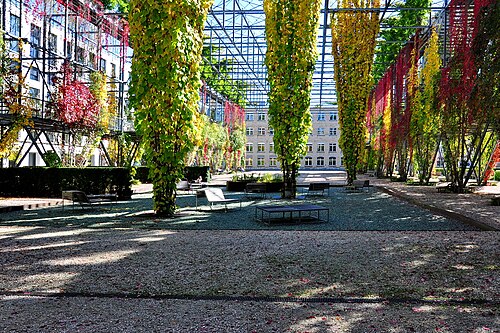
MFO-Park is a public green space in Zurich’s Oerlikon district, created on the former grounds of Maschinenfabrik Oerlikon.
Rieterplatz is a public square in Zurich, Switzerland, forming part of the city’s everyday urban fabric. It is best understood as an open civic space rather than a single-purpose museum, monument, or ticketed attraction.
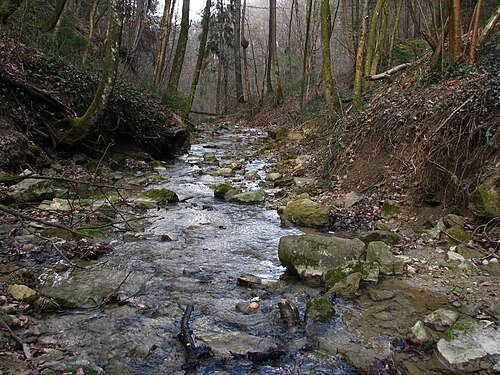
Sagentobelbachfall
Sagentobelbach is a small watercourse in the Zurich area, and the local name Sagentobelbachfall identifies a waterfall or cascade along its course.
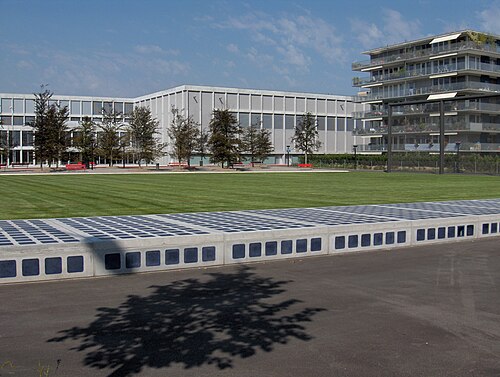
Wahlenpark is a public green space in Zurich, offering an outdoor pause within the city. It suits travellers who want a simple break from streets, museums and built-up neighbourhoods.
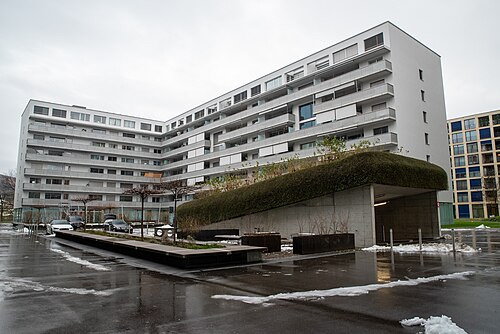
Andreaspark is an urban green space in Zurich, Switzerland, suited to a quiet pause within the city. Its character is that of a neighbourhood park rather than a major landmark, making it useful between visits to busier attractions.
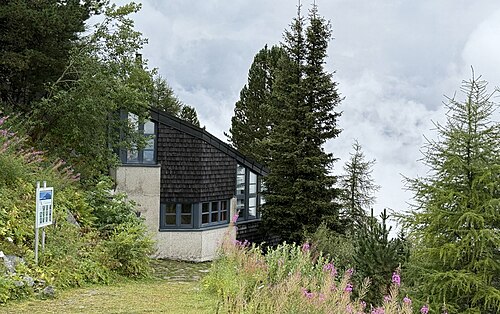
Alpengarten is a distinct Zurich garden place mapped as OpenStreetMap way/263478530. Its name gives the stop an alpine-garden identity, making cultivated planting, paths, rockwork and seasonal change the natural focus of a visit.
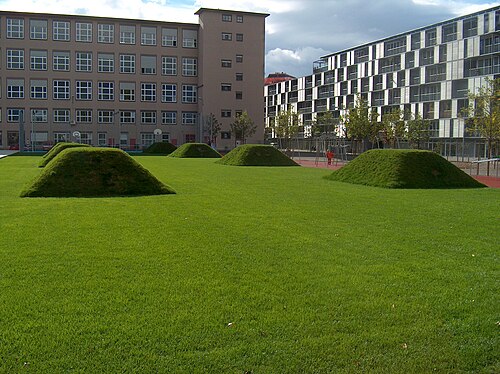
Louis-Häfliger-Park is a public green space in Zurich named after Louis Häfliger, a Swiss humanitarian associated with efforts during the Second World War.
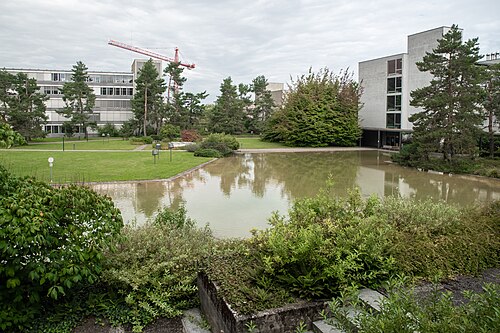
Albert-Steiner-Garten is a garden space in Zurich named for Albert Steiner, a Swiss photographer associated with landscape imagery of the Alps. The name gives the place a commemorative connection to Swiss visual culture.
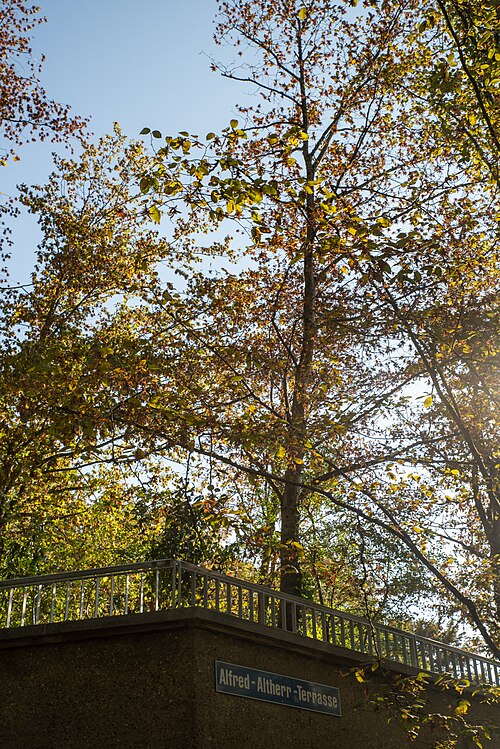
Alfred-Altherr-Terrasse is a named terrace viewpoint in Zurich, Switzerland. It is an elevated urban pause where travelers can step away from the pace of the surrounding streets and look across the city setting.
Source: OpenStreetMap contributors, Wikidata ·
The main station anchors the northern edge of central Zurich. Bahnhofstrasse runs south toward Lake Zurich, with Lindenhof and the western Old Town between it and the Limmat. Niederdorf and the eastern Old Town climb toward the university and Polyterrasse. Enge and the lake promenades continue south, while Zurich West occupies converted industrial ground beyond the centre. Uetliberg, the zoo and farther lake destinations are separate excursions reached efficiently by rail or tram.
Checked 2026-08-26
Use the ZVV network for trams, buses, S-Bahn trains, boats and funicular railways. Zurich Tourism notes that one zonal ticket can cover these modes within the selected zones, which makes transfers straightforward. The central Old Town and lakefront are best walked, while rail is the practical choice for Uetliberg and the airport. Check the zones before travel and do not assume a scenic boat or mountain connection uses the same validity area.
Checked 2026-08-26
Two to three days are enough for a first visit. Two cover the Old Town, lakefront and central museums; add a third for Uetliberg, the zoo or a longer trip on the lake.
May through September gives longer daylight for the lakefront, viewpoints and outdoor district walks. Winter is better suited to museums and shorter central routes unless snow activities are the main purpose.
The Old Town, Bahnhofstrasse, lakefront and university terraces fit into connected walking routes. Use transit for Zurich West, the zoo, Uetliberg and other destinations beyond the compact centre.
Within the relevant ZVV zones, tickets can cover trams, buses, trains, boats and funicular or cable connections included in the network. Confirm the required zones for longer journeys.
Combine both sides of the Old Town with Bahnhofstrasse and the lakefront. Give Zurich West, Uetliberg or a longer lake trip its own block to avoid repeated crossings through the main station.