
.JPG)
.JPG)
.JPG)
_2011-10-21_16-03-26.JPG)

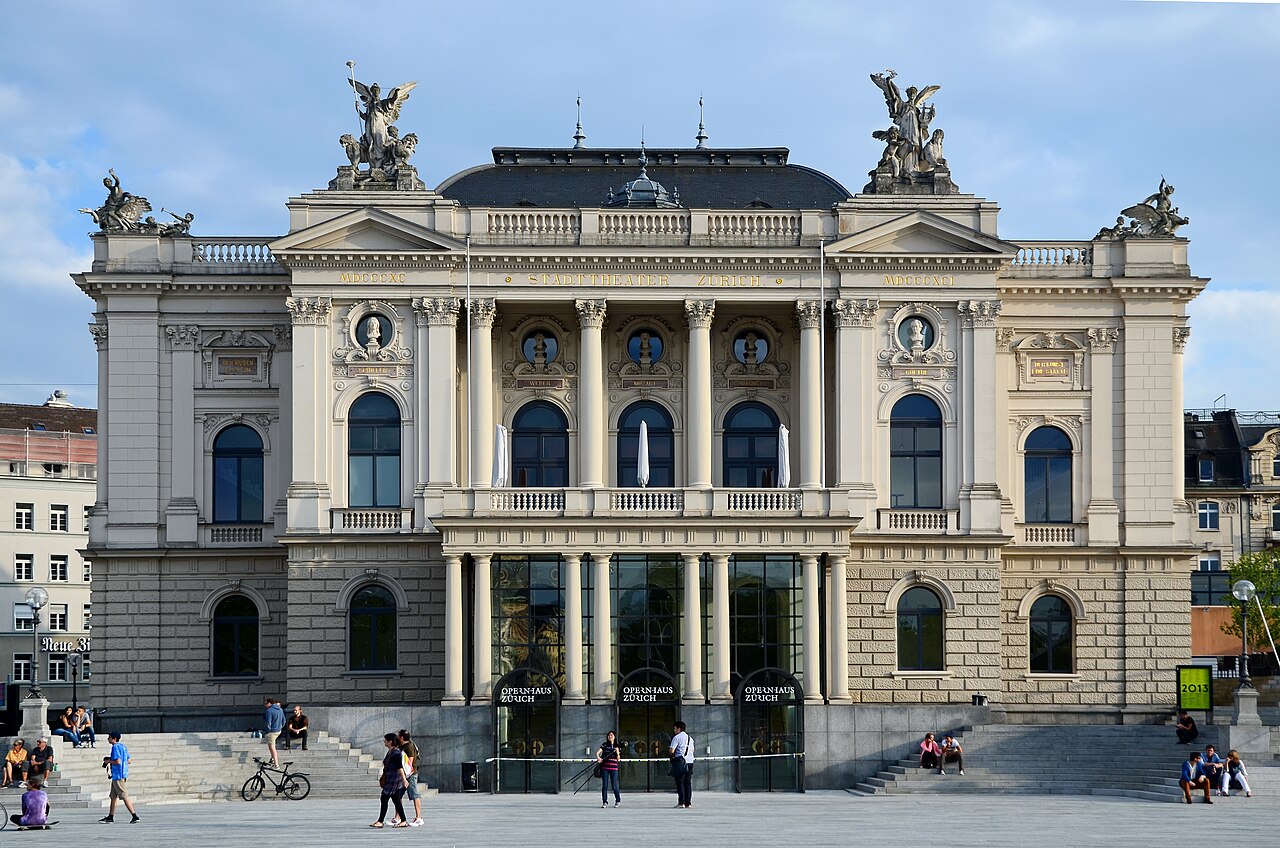
2 min walk
Zürich Opera House
- Must see · Heritage site
- Art and culture venue
Language · 11 published
Nature site · Zurich
Reviewed by Elena Voss · Roavina Travel Editor
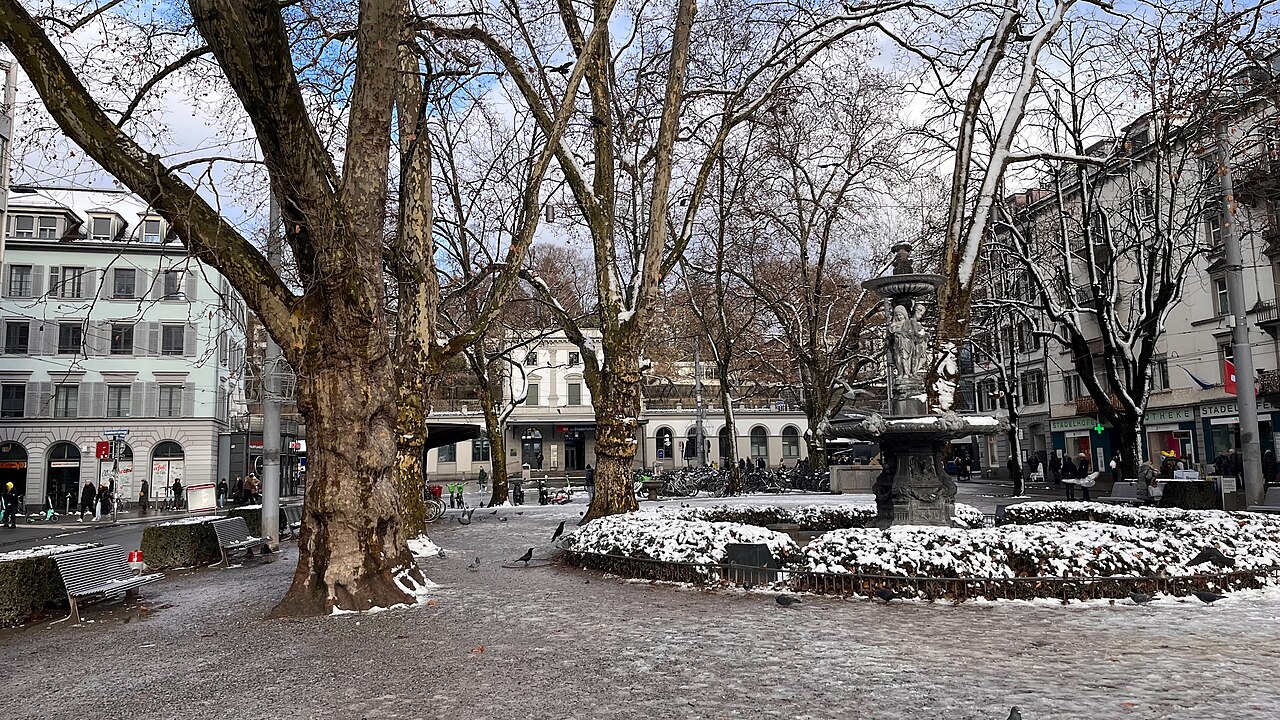
This place is a Park.
Stadelhoferplatz is a central Zurich square beside Stadelhofen railway station. It functions as both a public urban space and a busy transport interchange, linking railway passengers, tram users, pedestrians, and nearby streets. Visitors usually encounter it while moving between the lakefront and central Zurich, but the square also rewards a short pause for architecture and city observation. Stadelhoferplatz is a public square in Zurich, situated in the city centre near Lake Zurich. The space functions as an urban plaza and transport interchange, with the Stadelhofen railway station adjacent to its western edge. The square forms part of Zurich's network of central public spaces, connecting pedestrian routes between the lakefront and the city's commercial and financial districts. Its name derives from historical Germanic roots related to the area's medieval settlement patterns. No. It is a functional public square and transport interchange, not a designed tourist destination. Visitors typically pass through rather than visit specifically.
Checked 2026-08-26 · Source
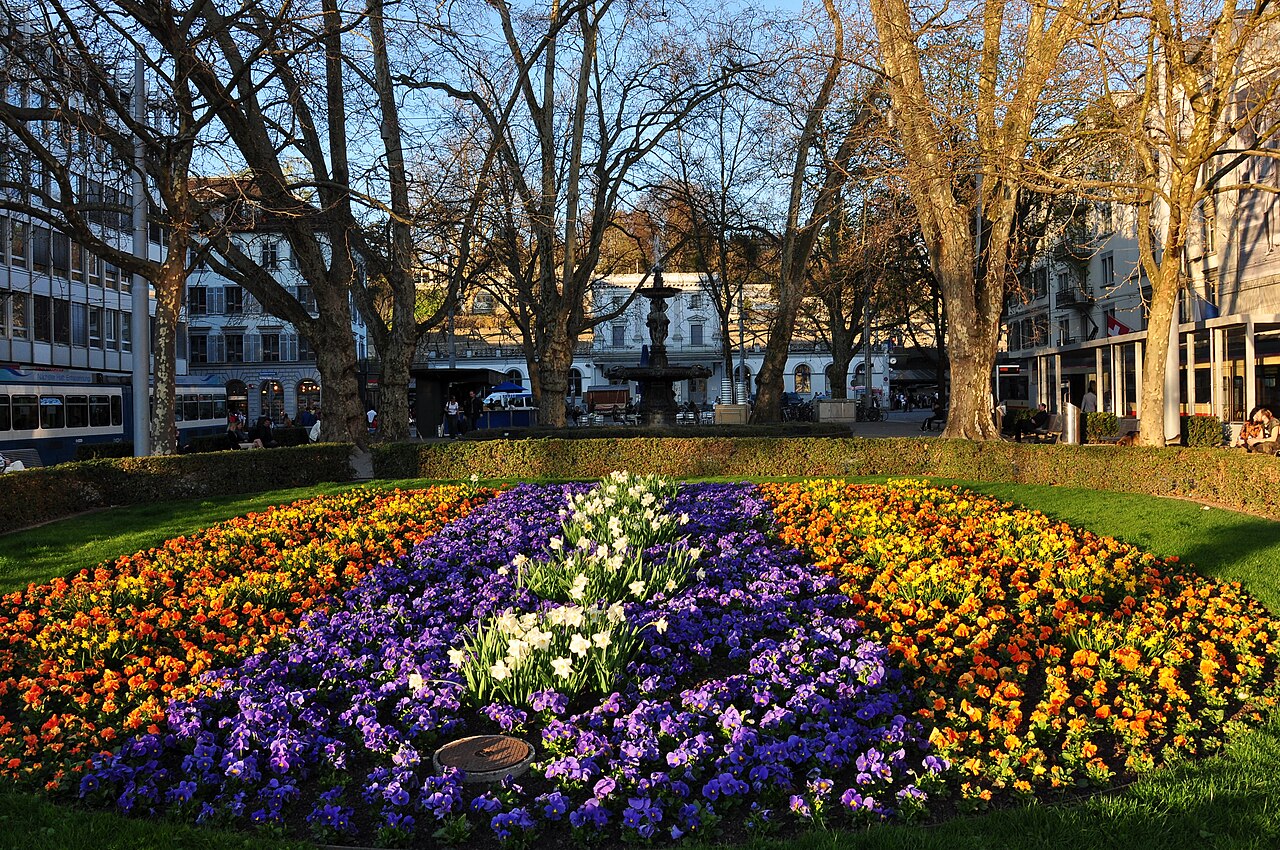
The square contains paved pedestrian space, seating, trees, and the distinctive station architecture associated with Santiago Calatrava. Curved structural forms, glass, steel, and transport movement define the scene. Restaurants, shops, and other city services surround the plaza. Stadelhoferplatz is therefore most interesting as a meeting point where Zurich's public transport, architecture, commerce, and everyday urban life meet. The square contains paved open space with seating arrangements and pedestrian pathways. The Stadelhofen station, designed by architect Santiago Calatrava, features distinctive curved glass and steel canopies that extend toward the plaza. Trees and modest landscaping elements are present. The surrounding area includes commercial buildings, restaurants, and retail establishments. The square serves as a convergence point for tram lines, bus services, and suburban rail connections, making it a functional transport node rather than a dedicated recreational or cultural facility.
Checked 2026-08-26 · Source
Allow fifteen to twenty minutes for a focused stop to observe the station structure, cross the square, and take photographs. Many visitors experience Stadelhoferplatz as part of a route rather than as a standalone destination. Add time if you plan to use the surrounding cafés, shops, or walking connection toward Lake Zurich. Its value lies in its position within the city. A visit to Stadelhoferplatz typically requires minimal dedicated time, as it functions primarily as a thoroughfare and meeting point. Most visitors pass through while transferring between transport modes or walking between the lake and central Zurich. A brief pause to observe the station architecture or rest on available seating might extend a stop to fifteen or twenty minutes. The square does not contain attractions demanding extended engagement, so it is generally experienced incidentally rather than as a primary destination requiring planned duration.
Checked 2026-08-26 · Source
The square can be visited throughout the day as an open public space. Weekday mornings and late afternoons bring stronger commuter movement, making the transport character especially vivid but leaving less room for an unhurried pause. Weekends can feel calmer. Visit in daylight for architectural details, or after dark for the illuminated rhythm of a central Zurich interchange.
Checked 2026-08-26 · Source
There is no admission charge for Stadelhoferplatz itself because it is a public square. Rail, tram, and bus journeys beginning there require the appropriate Zurich transport ticket. The station and its services serve travel rather than sightseeing admission. Cafés, restaurants, and shops around the plaza operate as separate businesses, so any purchase there is independent of visiting the square.
Checked 2026-08-26 · Source
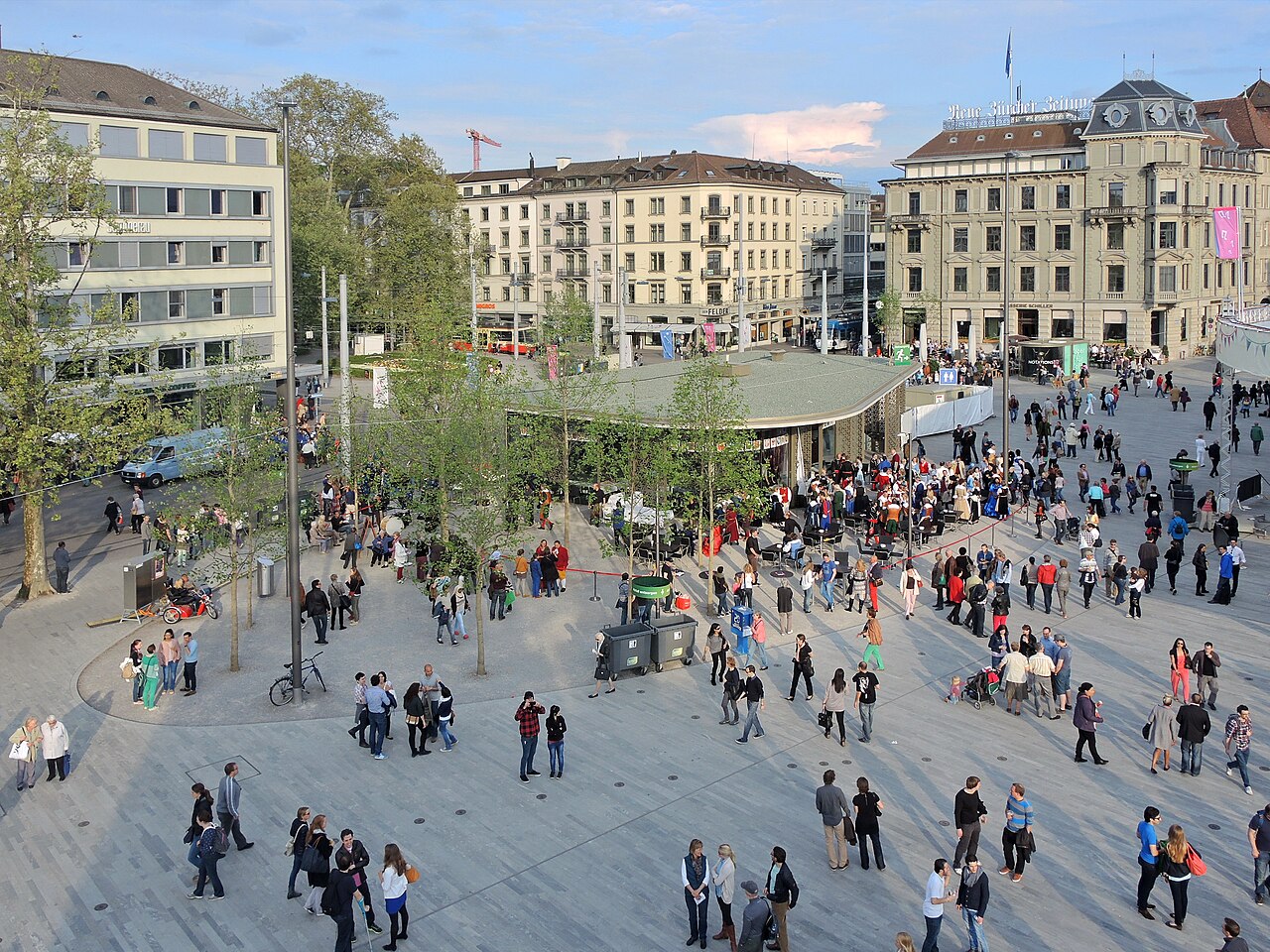
Stadelhoferplatz is directly beside Stadelhofen station, making rail the clearest arrival point. Zurich trams and buses also serve the square or its immediate surroundings. From the lakefront, walk inland through the central streets; from other central districts, the plaza is easy to include on foot. The transport interchange makes Stadelhoferplatz a practical starting point for exploring Zurich's eastern centre.
Checked 2026-08-26 · Source

Stay alert where pedestrians, cyclists, trams, buses, and station traffic meet. Follow crossings and transport markings rather than taking the most direct line across the plaza. Busy periods require extra attention to bags and phones. Rain can make paved and glass-adjacent surfaces slippery, while the open square offers limited shelter. Treat the area as an active interchange first and a sightseeing stop second.
Checked 2026-08-26 · Source
The Calatrava-designed station provides the square's strongest photographic subject, with sweeping white forms, glass, steel, and the movement of public transport. Stand back for the relationship between structure and plaza, or move closer to isolate curves and repeating lines. Daylight reveals the materials clearly; evening adds artificial light and motion. Keep clear of passenger routes and crossings while composing images.
Checked 2026-08-26 · Source
It is a central Zurich public square beside Stadelhofen railway station, combining transport connections with urban space and distinctive architecture.
The square is closely associated with the curved glass and steel station architecture designed by Santiago Calatrava.
No ticket is needed for the public square. A valid Zurich transport ticket is needed when travelling by rail, tram, or bus.
A focused visit usually takes fifteen to twenty minutes, with additional time if you use nearby cafés, shops, or walking routes.
Arrive directly at Stadelhofen railway station, use nearby trams or buses, or walk from Zurich's lakefront and central districts.
The square is an active interchange, so watch for trams, buses, cyclists, crossings, and heavy passenger movement around the station.
Loading the interactive map…
The interactive map could not be loaded.
Last updated:
Source: OpenStreetMap contributors, Wikidata ·