


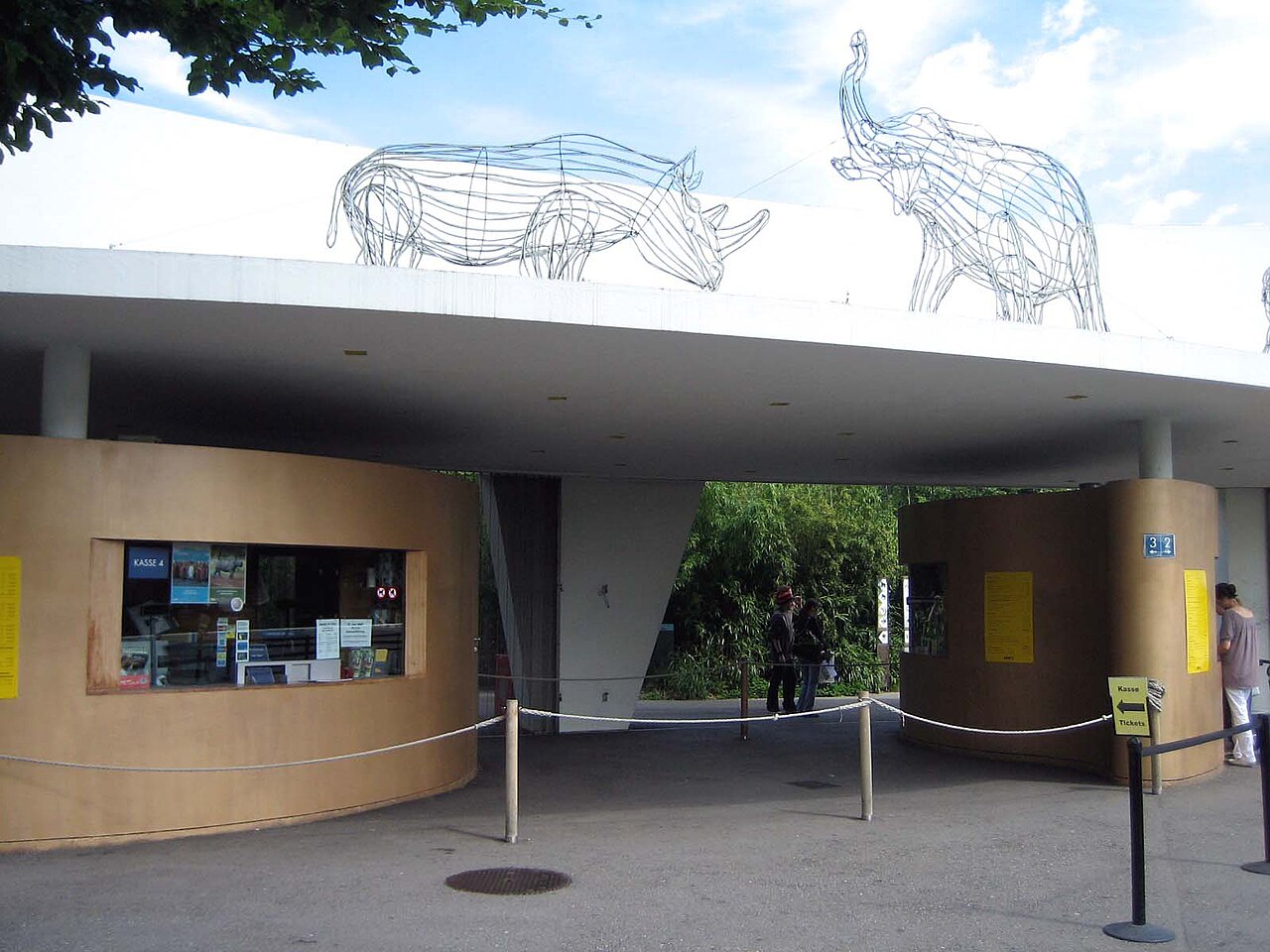
8 min walk
Zürich Zoo
- Must see
- Family attraction
Language · 11 published
Nature site · Zurich
Sagentobelbachfall
Reviewed by Elena Voss · Roavina Travel Editor
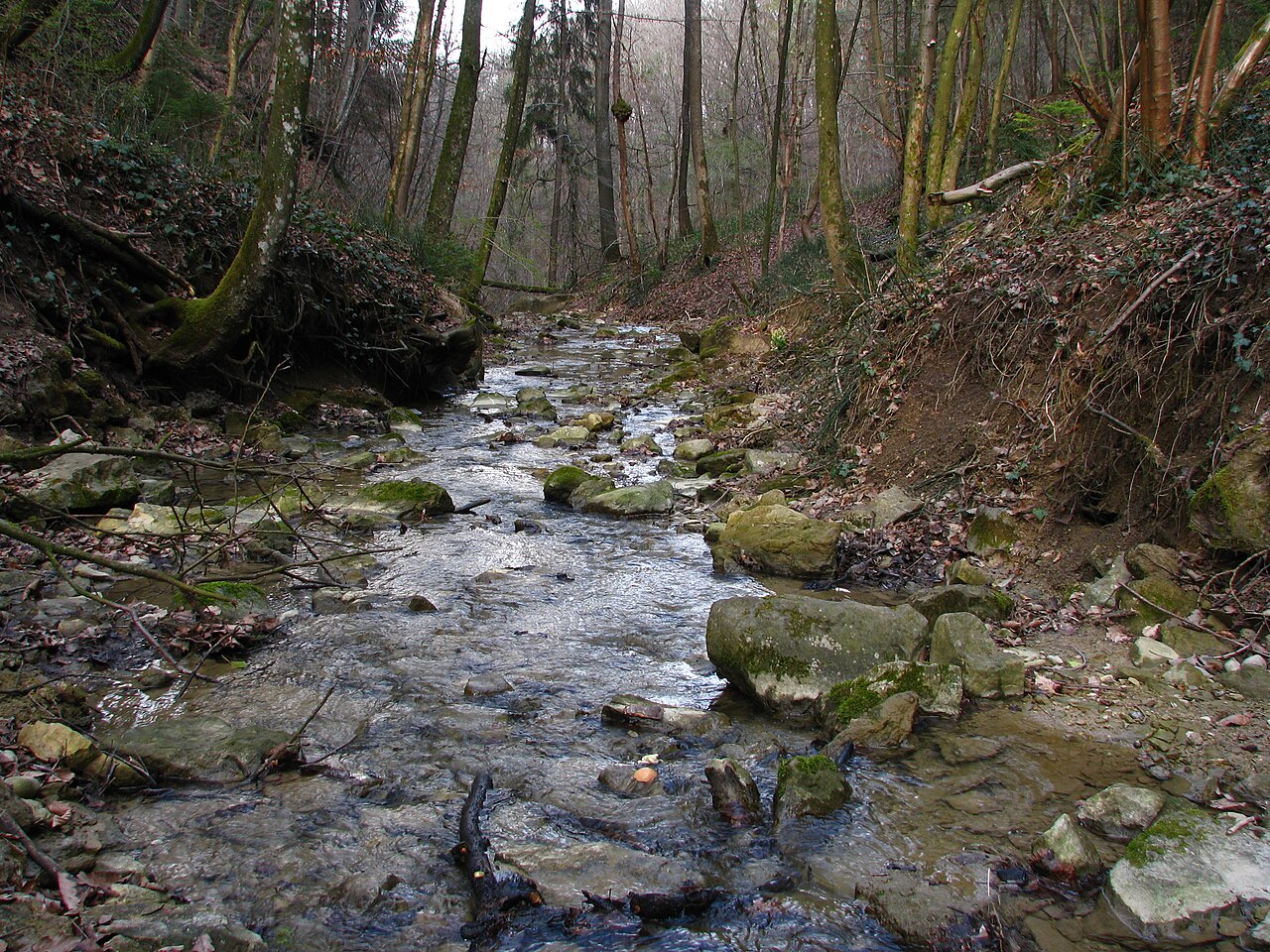
Sagentobelbach is a small watercourse in the Zurich area, and the local name Sagentobelbachfall identifies a waterfall or cascade along its course. It is a natural landscape feature rather than a developed attraction with a visitor centre, exhibition programme, or formal sightseeing route. The stream offers a quieter contrast to Zurich’s dense urban landmarks, especially for travelers interested in modest natural details and the relationship between water, woodland, and changing ground levels. Treat the location as an informal outdoor stop and plan around the conditions of the surrounding landscape. The experience is the stream and cascade in their natural setting, not a managed attraction built for crowds.
Checked 2026-08-26 · Source
The Sagentobelbachfall setting is made up of the stream, the cascade, and natural vegetation alongside the watercourse. Travelers should therefore focus on the landscape itself: flowing water, rocks shaped by erosion, stream banks, and surrounding woodland or undergrowth. A small cascade rewards close observation more than a distant panorama. Stay on ground that is stable and clearly suitable for passage, and keep away from the water’s edge when footing is uncertain. The lack of a formal attraction layout means the scene is experienced directly, with care for vegetation and the character of the streamside environment.
Checked 2026-08-26 · Source
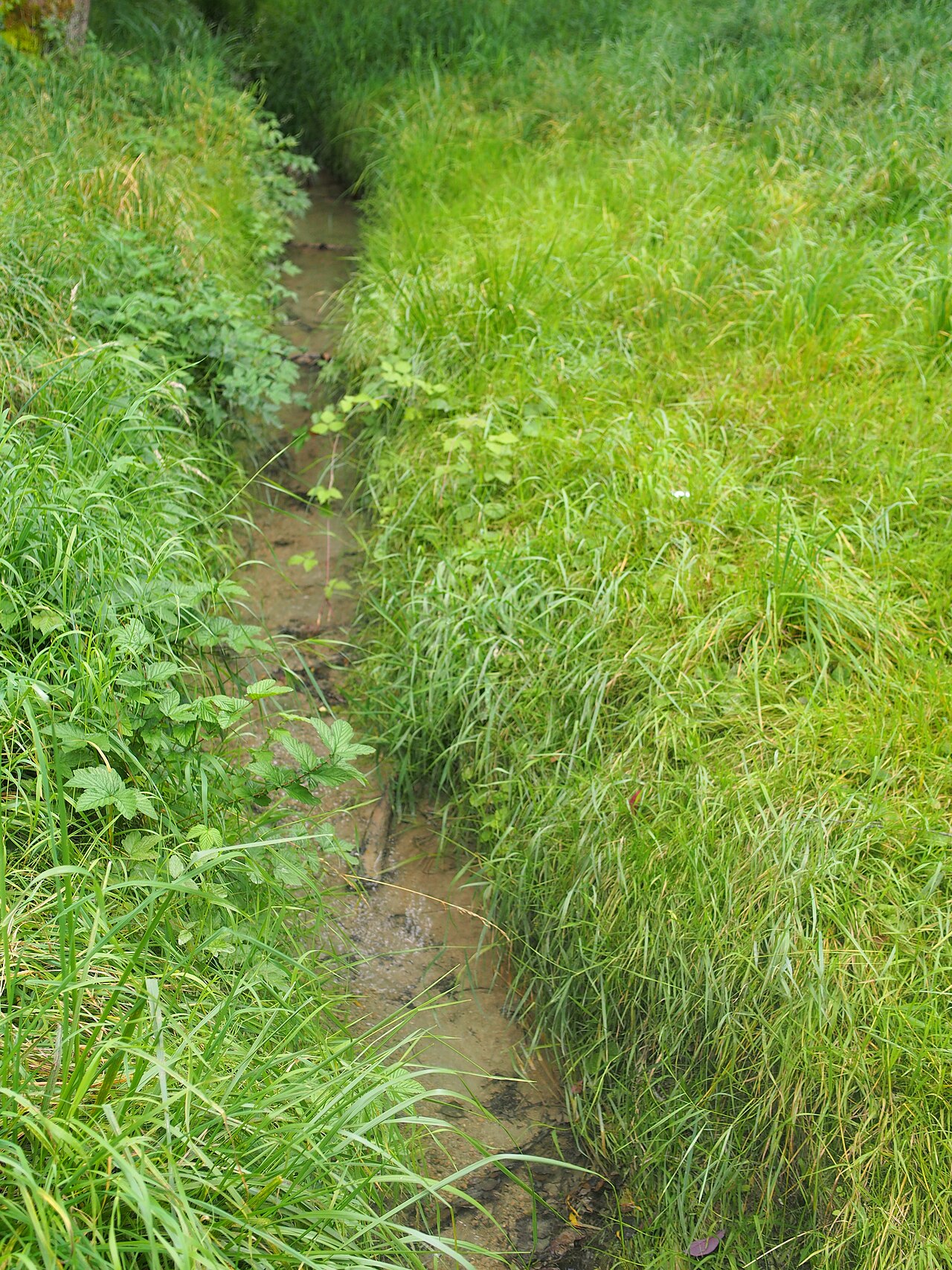
Sagentobelbachfall is suited to a brief nature stop, with roughly fifteen to thirty minutes for observing the cascade and taking photographs from safe ground. The final duration depends on how easily the watercourse can be reached and how much time you want to spend studying the surrounding vegetation and streambed. Because no structured tour, exhibition, or named trail programme is described, the waterfall does not require a fixed half-day schedule by itself. It can, however, become one element in a longer exploration of Zurich’s eastern or northeastern outskirts. Build in extra walking time only when the broader route is known and comfortable for the group.
Checked 2026-08-26 · Source
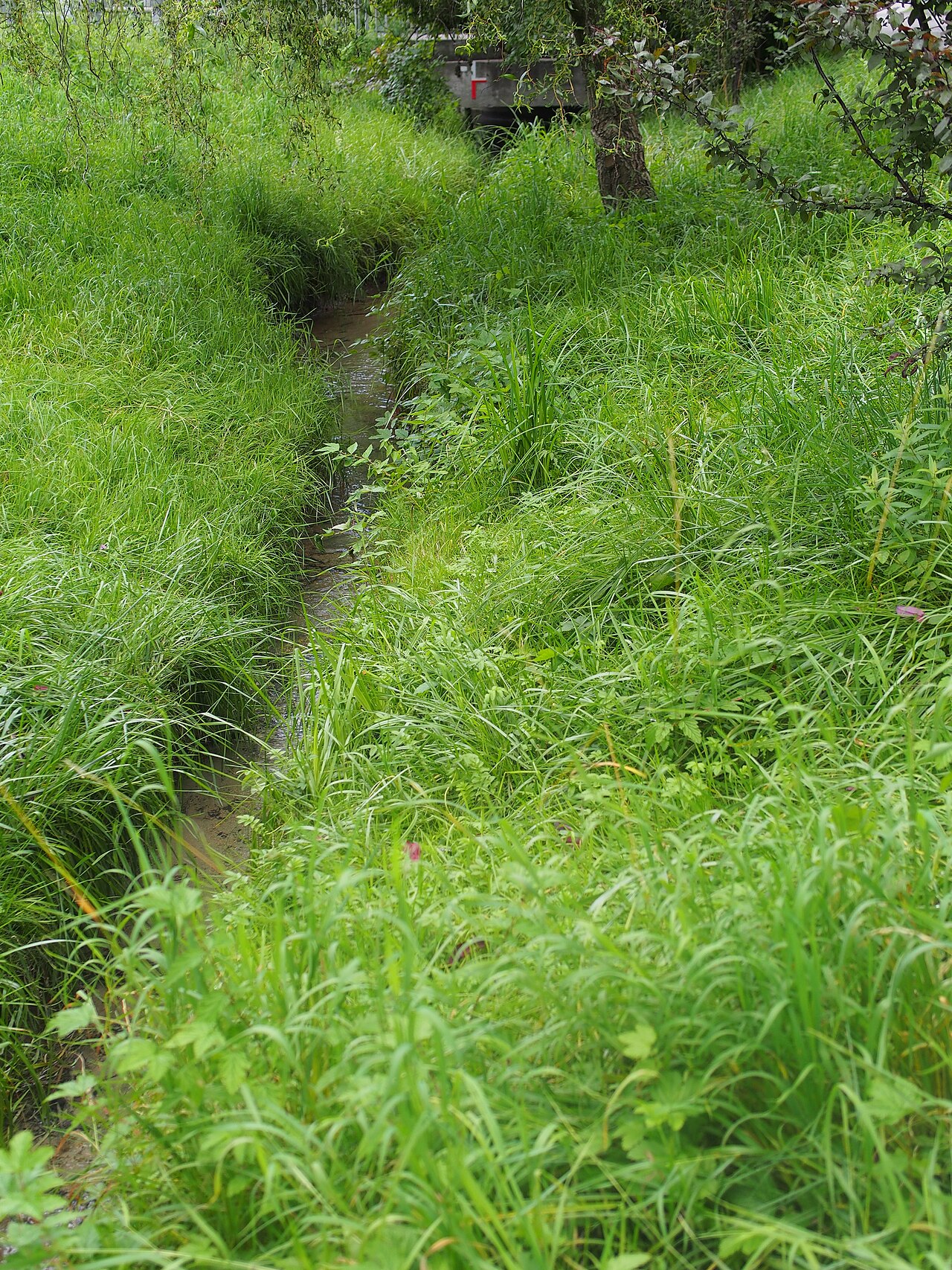
The appearance of a small stream waterfall changes with weather and season. Spring snowmelt and autumn rain can increase the water’s movement, while dry summer conditions can reduce the cascade. Winter may bring ice, snow, muddy ground, or more difficult walking. Visit in daylight so the streamside ground and route are easier to read. After rain, take extra care around wet rocks and banks. Choose weather that supports safe outdoor walking, and allow the natural conditions to determine how close you get.
Checked 2026-08-26 · Source
Sagentobelbachfall is identified as a natural stream feature rather than a managed attraction with an entrance building or ticketing system. Plan the stop as an outdoor encounter with the watercourse and do not expect a conventional ticketed experience. Access to the approach must still respect the character of the land and any local restrictions encountered along the route. Stay on legitimate paths or public approaches, avoid crossing private property, and follow signs at the site. The absence of ticket infrastructure describes the nature of the stop; it does not authorize movement across land without permission.
Checked 2026-08-26 · Source
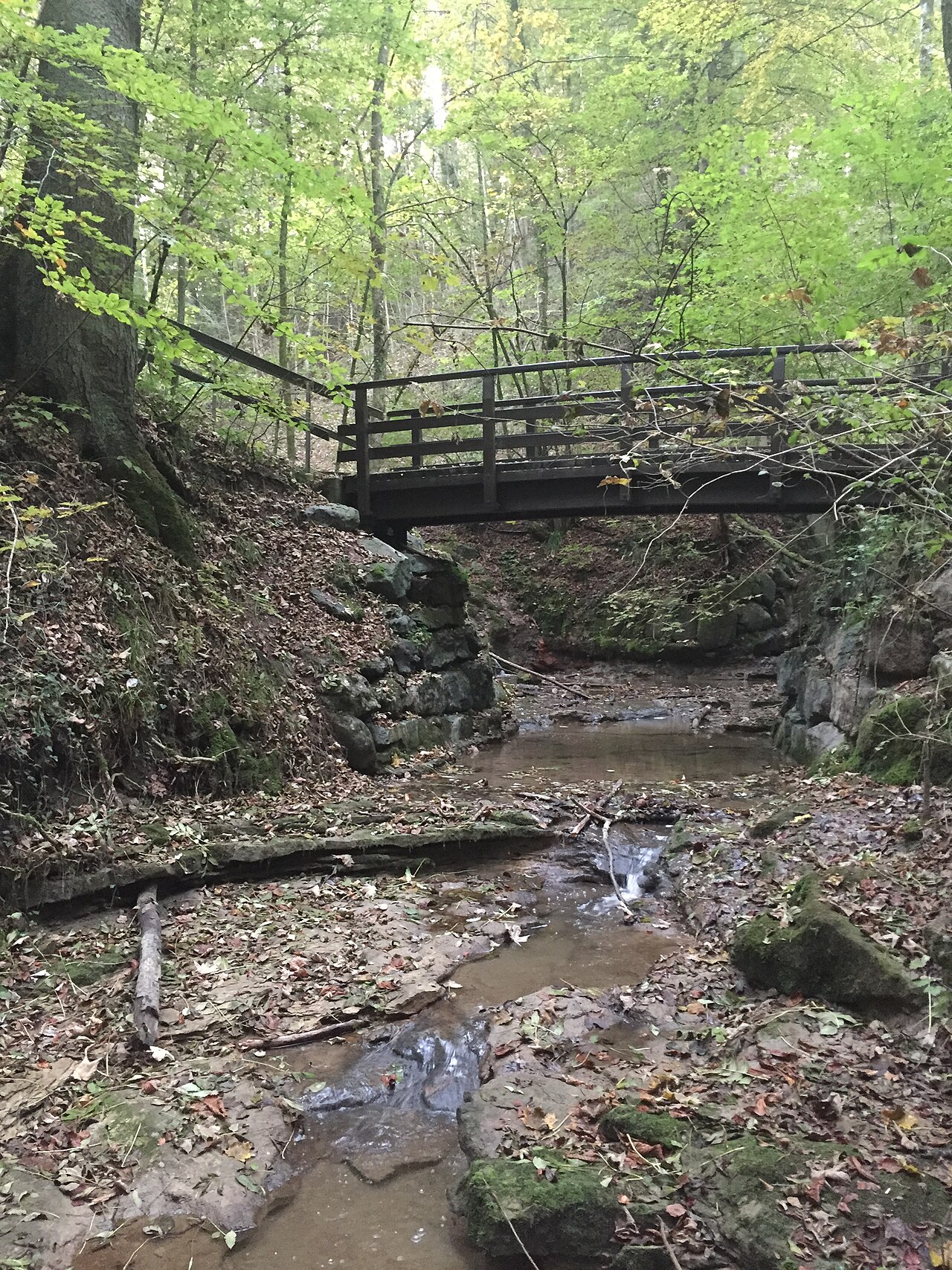
Reaching the cascade therefore requires careful use of current maps and attention to the stream’s position in the landscape. Public transport may bring you toward the surrounding district, followed by walking, while a private vehicle would require a lawful place to leave it away from the watercourse. Do not treat an arbitrary roadside stopping point as a trailhead. Keep to marked or clearly public routes, respect property boundaries, and allow time for navigation through a potentially semi-rural edge of the Zurich area.
Checked 2026-08-26 · Source
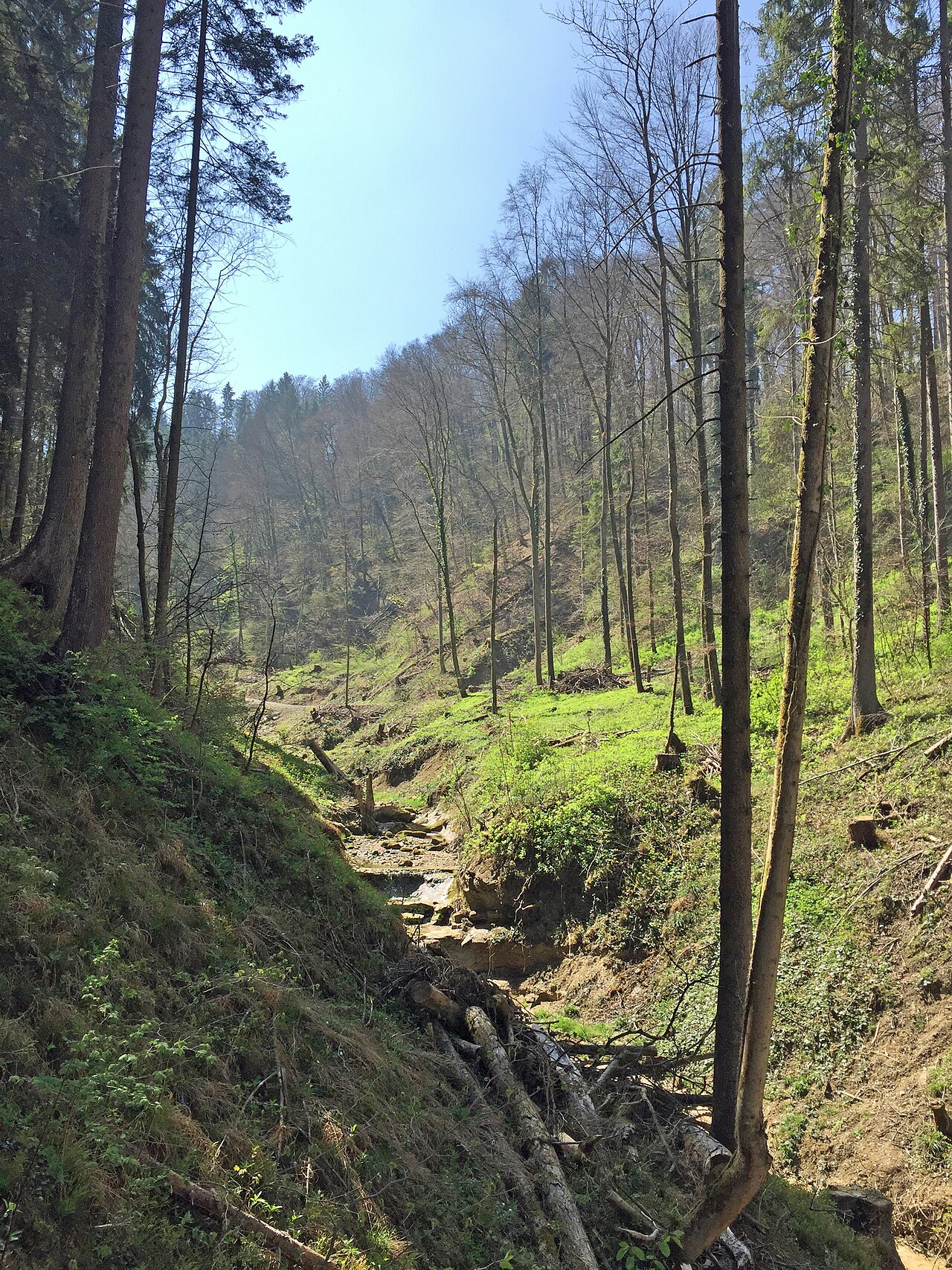
A natural stream and cascade demand more caution than a paved city attraction. Wet rocks, uneven ground, slippery banks, sudden drops, and unstable edges can all make close approach unsafe. Water levels may rise after rain, and the streambed can change in character with seasonal conditions. Wear footwear suited to uneven outdoor ground, keep children within reach, and stay away from edges that do not provide secure footing. Woodland routes can also bring ticks and insects during warmer periods. Respect private land and any barriers or signs.
Checked 2026-08-26 · Source
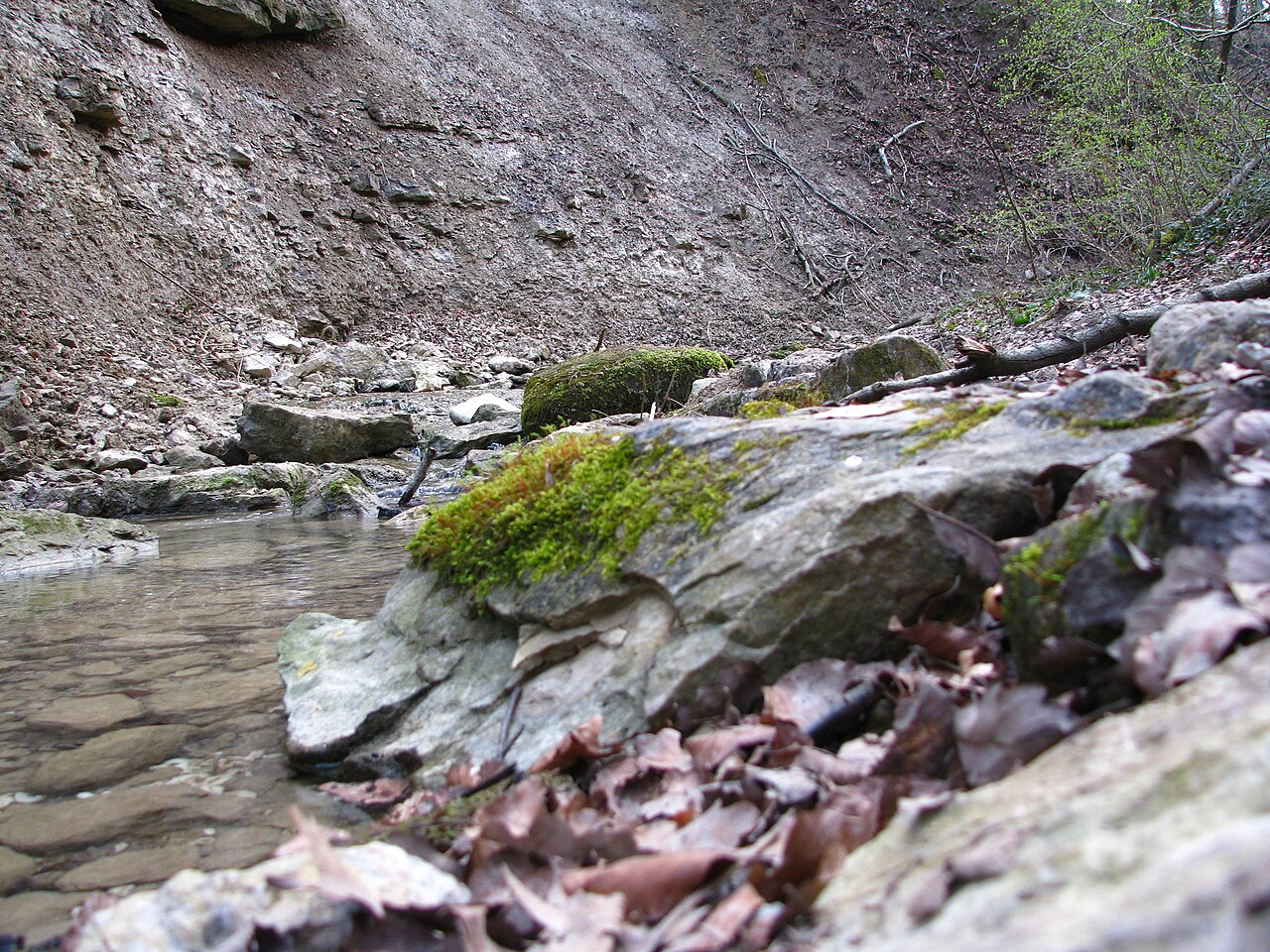
Sagentobelbachfall is best photographed as an intimate woodland water scene. A small cascade benefits from close framing that includes the falling water, wet rocks, stream banks, and surrounding vegetation. Overcast light can reduce harsh contrast beneath trees, while seasonal foliage changes the background and the amount of water visible. A tripod can help with longer exposures, but place it only where the ground is stable and never block a route. A wide-angle lens can work in the confined streamside setting. Explore composition from dry, secure positions rather than stepping onto slippery rocks. The absence of a designated viewpoint makes safety more important than reaching the closest possible angle.
Checked 2026-08-26 · Source
It is a small watercourse in the Zurich area, known locally as Sagentobelbachfall where a waterfall or cascade occurs along the stream.
A brief visit can take about fifteen to thirty minutes for observation and photography from safe ground.
The cascade is associated with a natural streamside setting of rocks, woodland, and vegetation rather than a developed visitor complex.
Spring snowmelt and autumn rain can increase the movement of water in a small stream, while dry summer weather can reduce it.
Wear footwear suited to uneven outdoor ground and wet conditions, because streamside rocks and banks can be slippery.
Its intimate streamside scale works well for close compositions of falling water, rocks, banks, and surrounding vegetation.
Loading the interactive map…
The interactive map could not be loaded.
Last updated:
Source: OpenStreetMap contributors, Wikidata ·