


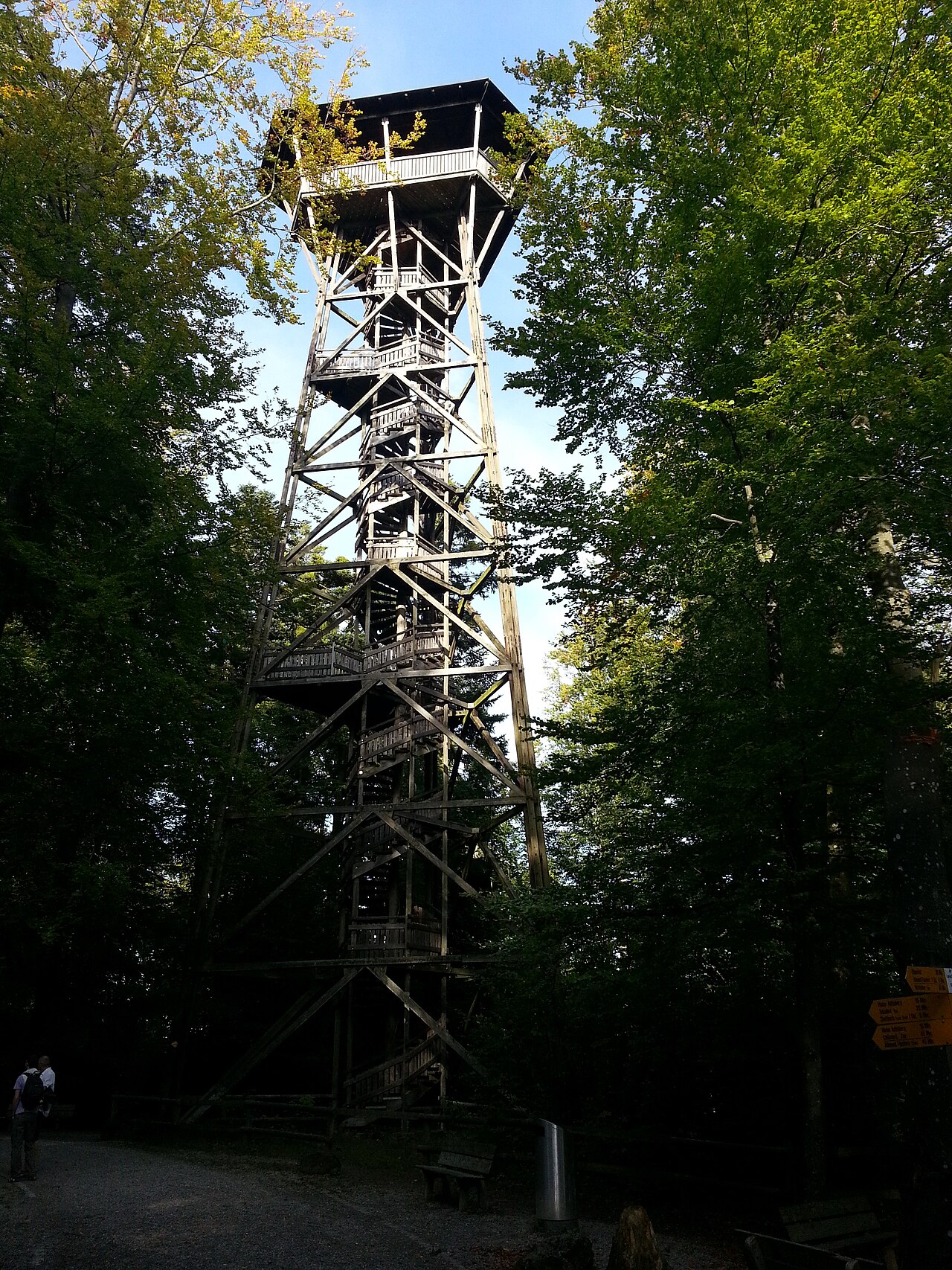
7 min walk
Loorenkopf tower
- Notable
- Viewpoint
Language · 11 published
Viewpoint · Zurich
Reviewed by Elena Voss · Roavina Travel Editor
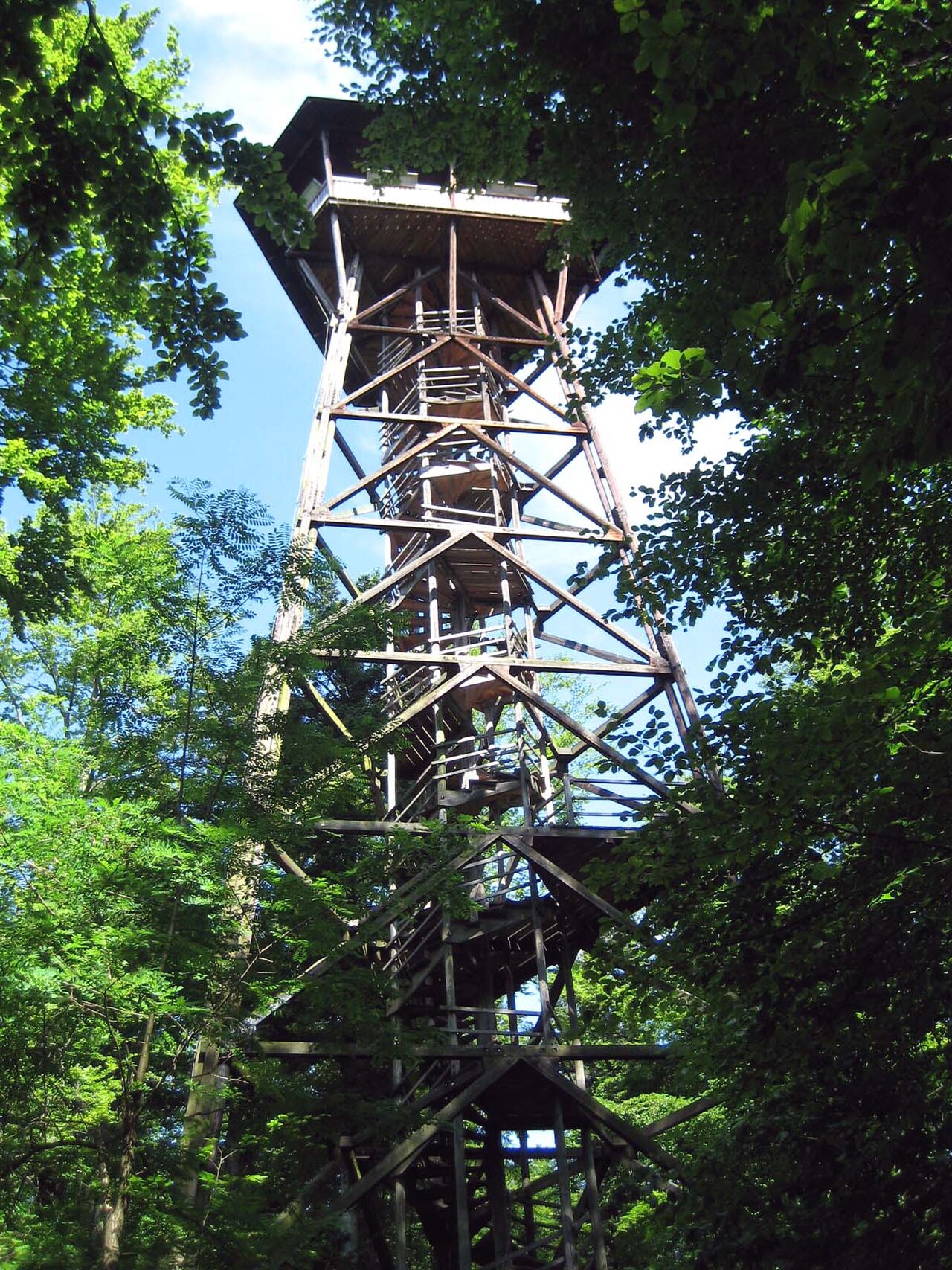
This place is a Peak.
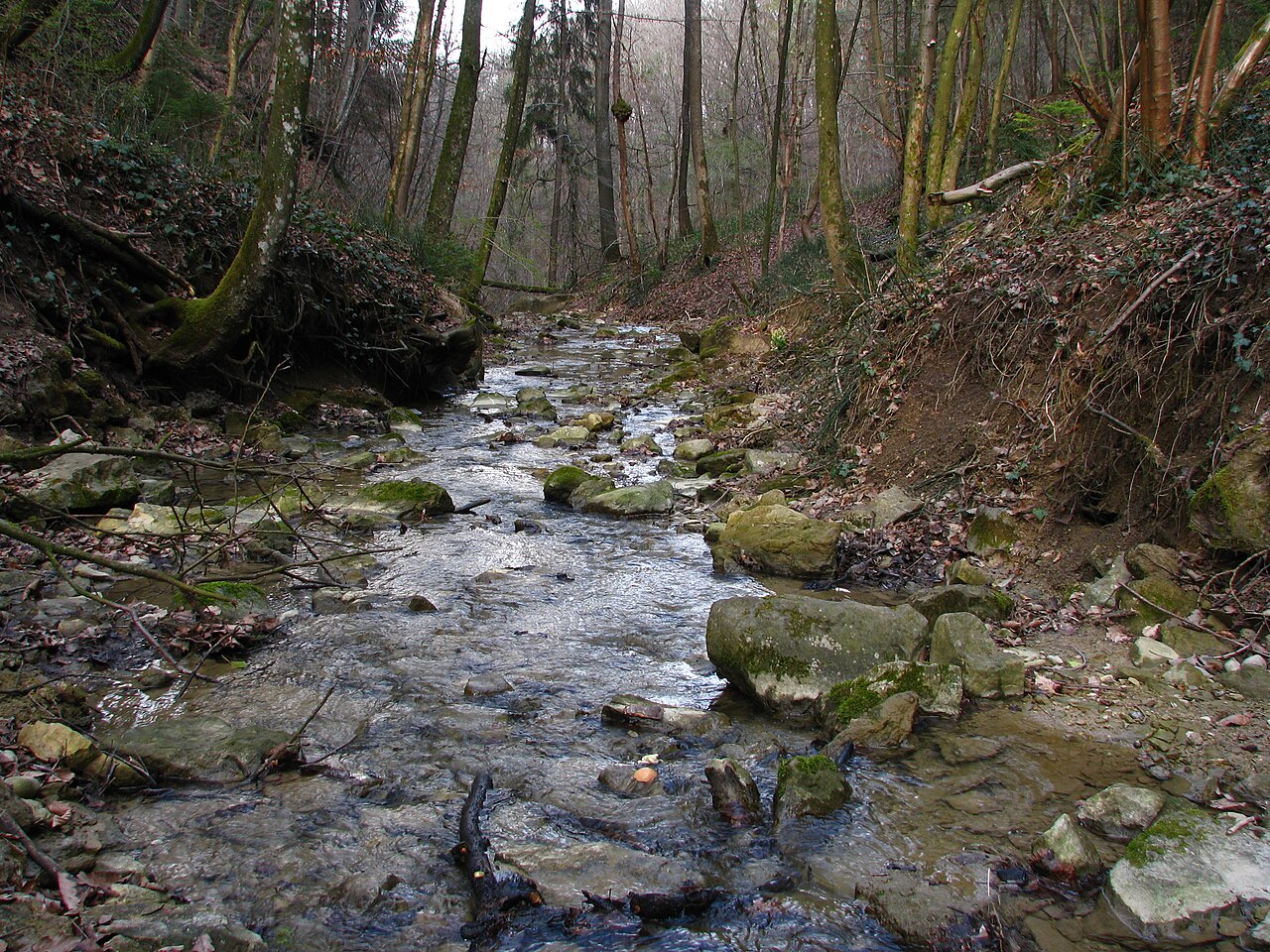
Adlisberg is a forested hill east of central Zurich, Switzerland. The wooded elevation forms part of the landscape between the Limmat and Glatt valleys and serves as a recreational escape from the city. Visitors come for walking, hiking and the changing character of an urban-edge forest rather than for a single museum or monument. Maintained paths cross the woodland, and some routes offer views toward Zurich and Lake Zurich where the trees and conditions allow. Adlisberg is useful for travellers who want a nature stop within reach of the city, with enough route variety for a short walk or a longer outing. The experience depends on terrain, weather and chosen path. Treat the hill as open woodland to explore at your own pace, not as a formal park with a fixed attraction sequence. Its value lies in the contrast between Zurich’s built centre and the quieter forested slopes nearby.
Checked 2026-08-26 · Source
Adlisberg contains predominantly deciduous and coniferous woodland with established walking and hiking routes. The main experience is the forest itself: changing vegetation, shaded paths, elevation and occasional openings toward Zurich or Lake Zurich. The hill does not function as a museum district or a built attraction with an indoor programme. Follow the maintained paths and use the surrounding landscape to set the pace of the visit. Different sections of woodland can feel distinct as tree cover, slope and light change. The area connects with broader walking routes around Zurich’s eastern uplands, giving visitors options beyond a single short circuit. Adlisberg suits travellers who prefer self-directed outdoor exploration and who are comfortable choosing a route according to time and conditions. Bring attention to the path rather than expecting a sequence of displays. The natural setting supplies the content of the visit, while the wider Zurich landscape provides the reason to climb into the woods.
Checked 2026-08-26 · Source

Adlisberg can support anything from a brief walk of less than an hour to an extended half-day outing. The right duration depends on the path selected, walking speed and the amount of elevation you want to cover. A short visit works when you want woodland air and a quick change from central Zurich. Set aside several hours when you want to link Adlisberg with surrounding trails and spend time looking for openings toward the city or lake. Forest walking does not have a fixed viewing order, so the route determines the length more than the place name does. Allow extra time after rain, snow or other conditions that slow movement on uneven ground. Visitors should choose a turnaround point before the walk becomes tiring, especially when combining the hill with other sightseeing. Adlisberg is most flexible when treated as a route-based nature experience rather than a timed indoor attraction.
Checked 2026-08-26 · Source
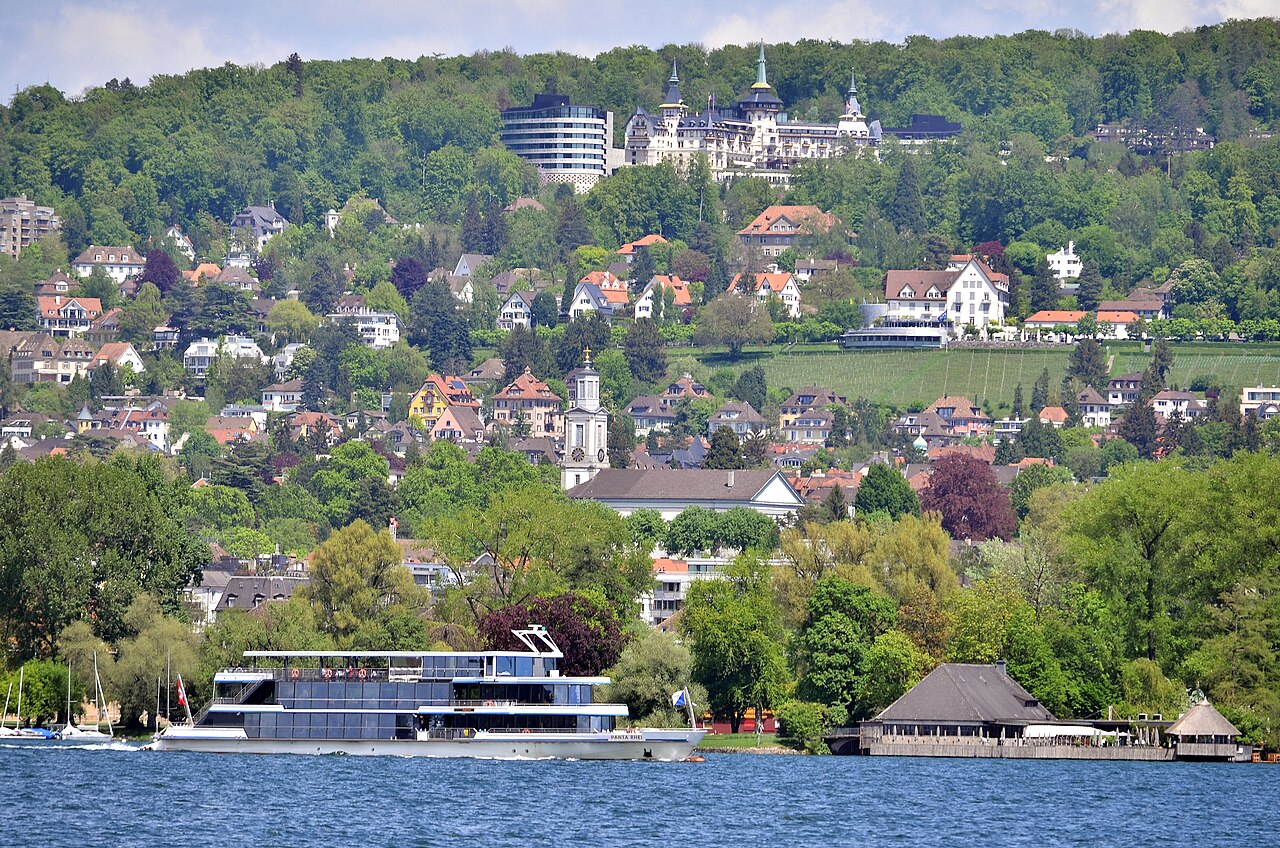
Spring through autumn generally offers the most comfortable conditions for walking on Adlisberg, with changing vegetation and longer daylight shaping the woodland experience. Winter remains possible when visitors are prepared for cold, shorter days and snow or wet ground. Daylight is the practical limit for a forest walk because the visit depends on outdoor paths rather than an indoor schedule. Weather can change quickly on elevated ground, so choose clothing and footwear that suit the conditions on the day. Adlisberg is rewarding in different seasons: spring brings fresh growth, summer provides deep shade, autumn changes the colour and texture of the woodland, and winter opens a quieter landscape when conditions permit. Plan the route around the season instead of expecting the hill to feel identical throughout the year. A clear day may also improve the chance of seeing Zurich or Lake Zurich through gaps in the trees.
Checked 2026-08-26 · Source
Adlisberg is an open forested hill with walking paths and no indicated admission mechanism. The visit is therefore centred on entering the woodland and following its routes rather than passing through a ticketed attraction. Visitors should budget for the journey to the hill but not plan the experience around an on-site entrance. Public transport fares belong to the Zurich network and are separate from the woodland itself. Parking at approach points, where available, is also distinct from access to Adlisberg. The absence of a formal ticketed sequence makes the hill convenient for travellers who want a flexible nature break during a Zurich stay. You can choose a short path, extend the walk into the surrounding trail network or turn back when the terrain and time suit you. The main preparation is practical: suitable shoes, weather-aware clothing and enough daylight for the route you choose.
Checked 2026-08-26 · Source

Adlisberg is within Zurich’s transport reach and can be approached from surrounding urban districts on foot or by public transport. The Dolderbahn rack railway serves the broader Adlisberg-Dolder area, while bus connections reach nearby districts. Walking approaches connect with areas such as Zurichberg and Hottingen, allowing visitors to turn the journey into part of the outing. Vehicle access is more limited at the woodland edge, where parking options are peripheral rather than the focus of the visit. Cyclists can use marked routes where available, but the hill itself is primarily experienced through walking paths. Choose an approach that matches the route you want to walk, then keep enough daylight for the return journey. Adlisberg is especially convenient for visitors who want to move from Zurich’s urban streets into forest without planning a long regional excursion. The hill’s transport connection and trail network make it adaptable to both short walks and longer outdoor days.
Checked 2026-08-26 · Source

Adlisberg is woodland terrain, so expect roots, uneven surfaces, slopes and changing trail conditions. Wet weather can make paths slippery, while snow can alter the effort required for even a familiar route. Wear footwear that gives secure footing and carry clothing suited to rapid weather changes. The hill can feel quieter than central Zurich, making ordinary personal awareness sensible during a solo walk. Keep track of your position and planned return route, particularly when moving through connected paths. Daylight matters because forest paths become harder to read as light fades. Stay on established routes where possible and respect the woodland environment. The guide information gives no specific shelter, drinking-water point or maintained safety facility for the area, so plan the walk around what you carry. Adlisberg rewards independence, but a comfortable visit depends on matching the route to fitness, weather and available time.
Checked 2026-08-26 · Source
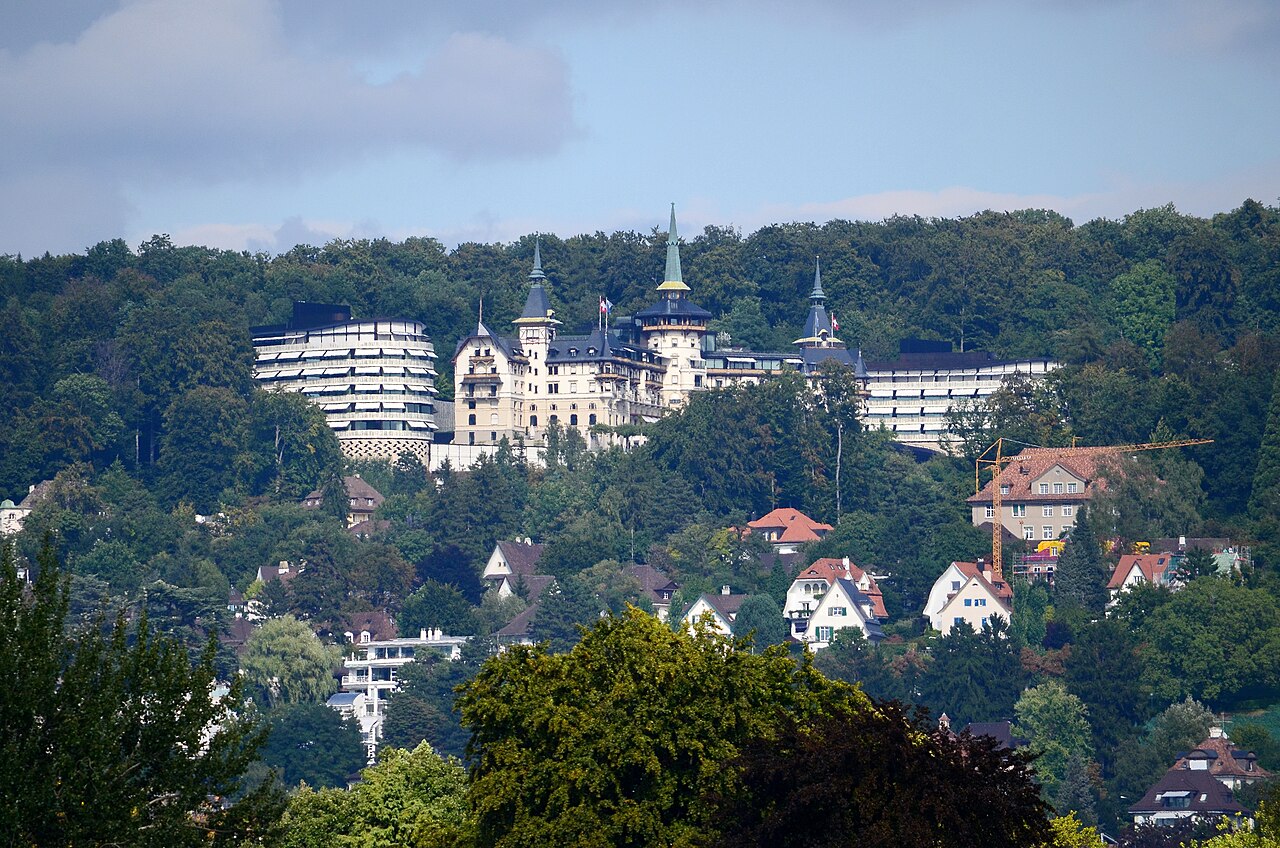
Adlisberg offers nature photography through woodland textures, seasonal vegetation, changing light and views toward Zurich or Lake Zurich where openings and atmospheric conditions permit. Forest canopy creates alternating shade and brightness, so photographs can benefit from patient observation as the light changes along the path. Look for the relationship between trees, trail direction and distant urban landscape rather than expecting one guaranteed panorama. Keep tripods and other equipment clear of walking routes, especially where paths narrow. Drone use is governed by Swiss aviation regulations and any local restrictions, so aerial photography is not a casual extension of a forest walk. The strongest images often come from the contrast between dense woodland and glimpses of the city. Autumn vegetation, spring growth and winter conditions create distinctly different subjects. Carry equipment lightly enough to walk safely over roots and slopes, since the terrain remains more important than the camera setup.
Checked 2026-08-26 · Source
Adlisberg is a forested hill east of Zurich with walking and hiking paths, woodland scenery and occasional views toward Zurich and Lake Zurich.
A visit can last less than an hour for a short walk or extend to a half-day when linked with surrounding trails.
The broader area is served by the Dolderbahn and buses, and walking approaches connect from Zurichberg, Hottingen and nearby districts.
Bring footwear suitable for uneven forest paths and clothing suited to changing weather, elevation and possible wet or snowy ground.
Photograph woodland textures, seasonal vegetation, shaded paths and glimpses toward Zurich or Lake Zurich where the trees and conditions allow.
Adlisberg is forested hill terrain with walking and hiking routes rather than a formal park organized around developed attractions.
Loading the interactive map…
The interactive map could not be loaded.
Last updated:
Source: OpenStreetMap contributors, Wikidata ·