


6 min walk
Andreaspark
- Notable
- Nature site
Language · 11 published
Nature site · Zurich
Reviewed by Elena Voss · Roavina Travel Editor
This place is a Park.
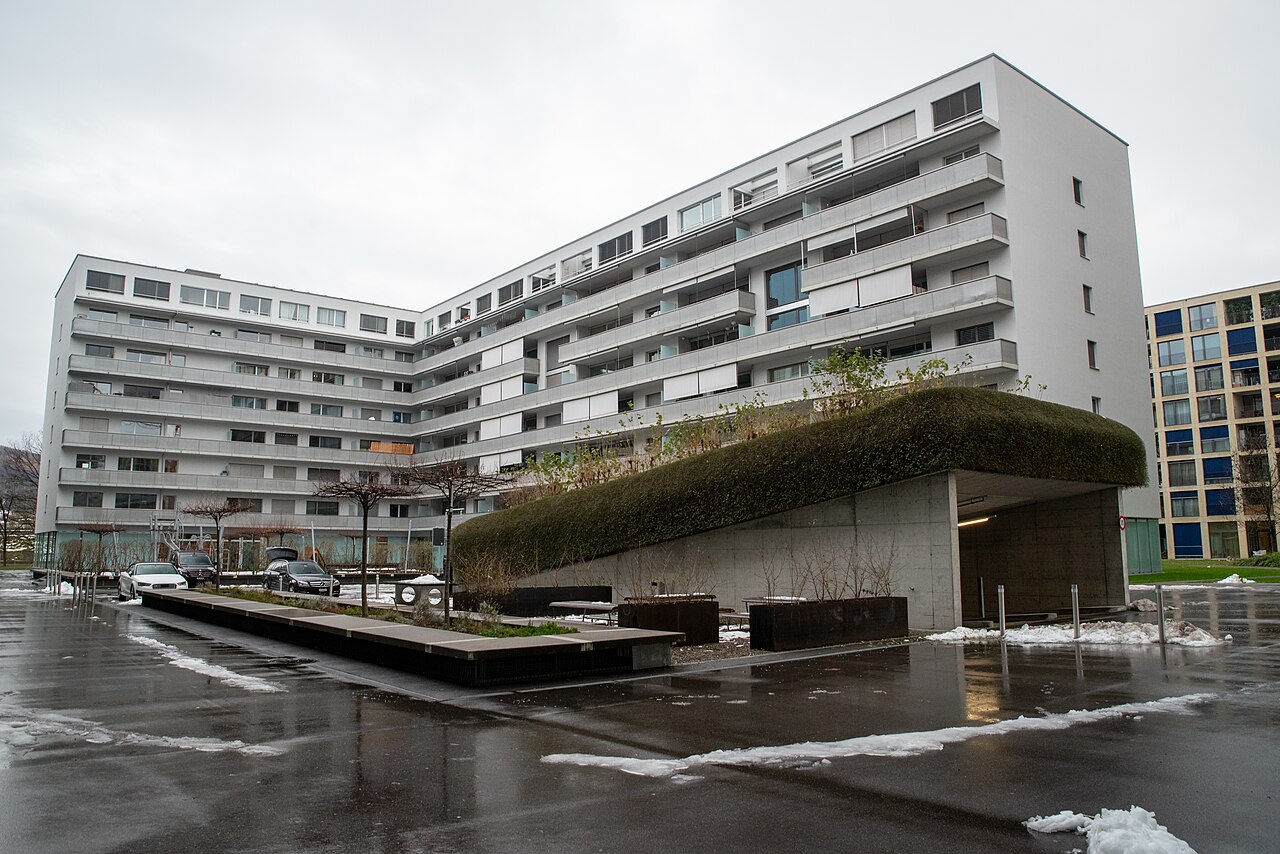
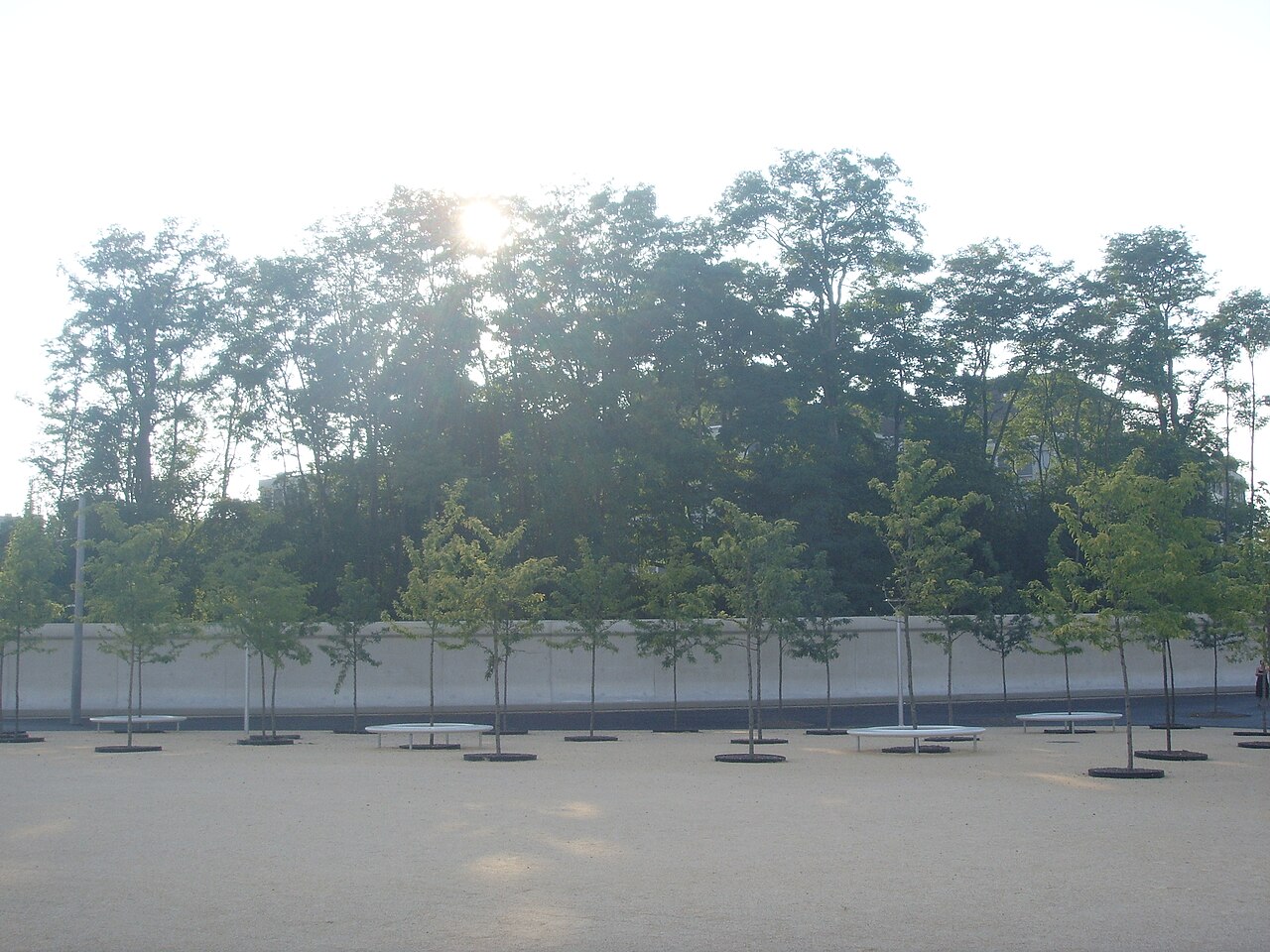
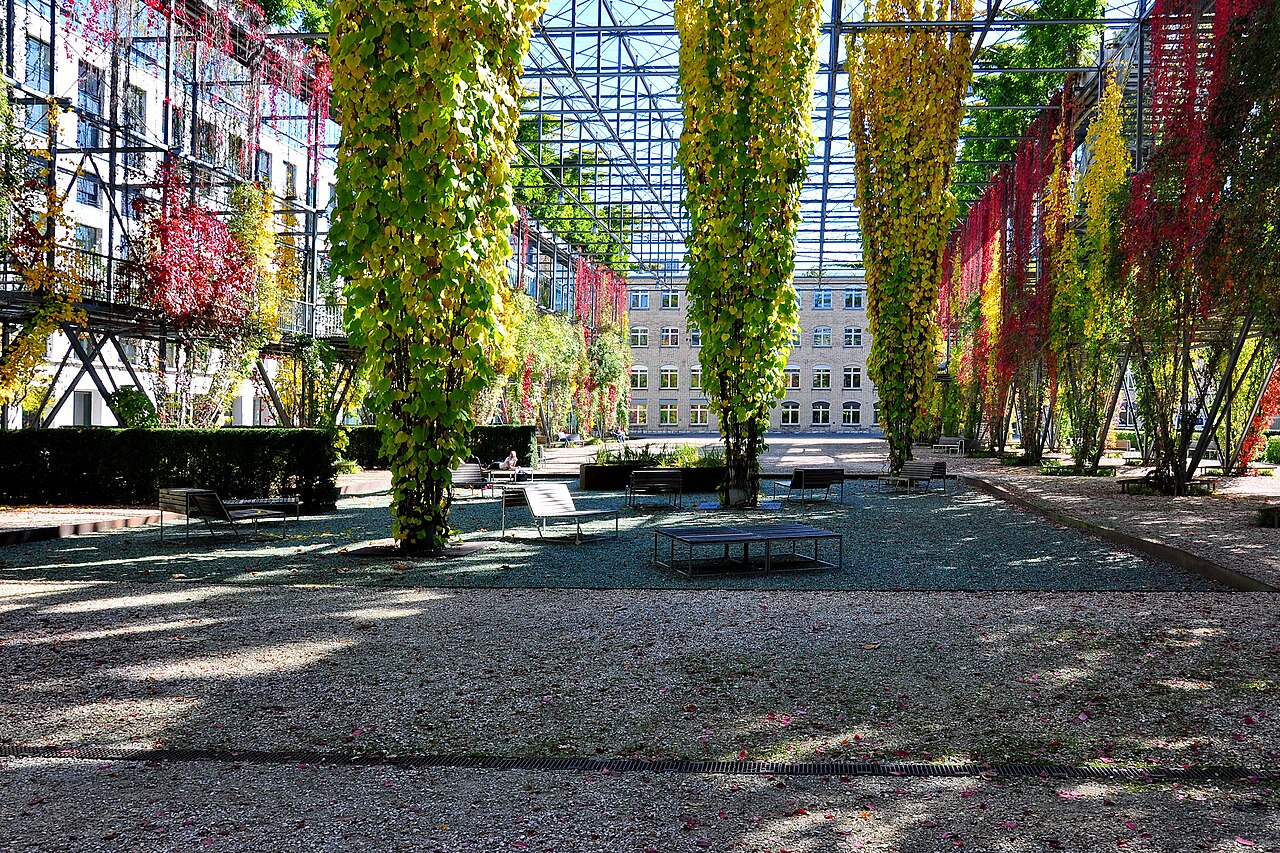
Leutschenpark is a public park in Zurich and part of the city’s network of urban green spaces. It provides an outdoor setting within the city, giving residents and visitors a place to walk, pause and experience a quieter side of Zurich’s built environment. Its confirmed identity is simpler and more useful: Leutschenpark is a named public park that can be included in a Zurich neighbourhood outing. It suits travellers who want time outside between museums, churches, shopping streets or other urban sights. Treat it as a flexible green-space stop rather than a guaranteed attraction programme. The park’s character will come from its paths, planting, open areas and relationship with the surrounding district, although individual landscape features are not defined here. A visit can be active or restful, depending on whether you walk through, sit for a pause or use the park as a breathing space in a longer day. Leutschenpark brings ordinary urban nature into a Zurich itinerary.
Checked 2026-08-26 · Source
It does not establish a playground, sports court, public toilet, drinking-water point, café, monument, pond or specialised garden. Travellers should focus on the basic park experience: outdoor space, a change of pace and the chance to observe Zurich from a greener setting. Paths, lawns, trees or seating may shape the visit, but the guide does not present those features as confirmed facilities for this specific park. Use the space according to what is visibly available and respect any local signs. Leutschenpark can work well for a short walk, a quiet pause or a break between city activities. It is also a useful setting for noticing how Zurich integrates green areas into its urban fabric. Avoid planning a particular family, sports or picnic experience around facilities that are not described. The park’s strength is its role as a public outdoor place, with the detailed experience shaped by the landscape encountered during the visit.
Checked 2026-08-26 · Source
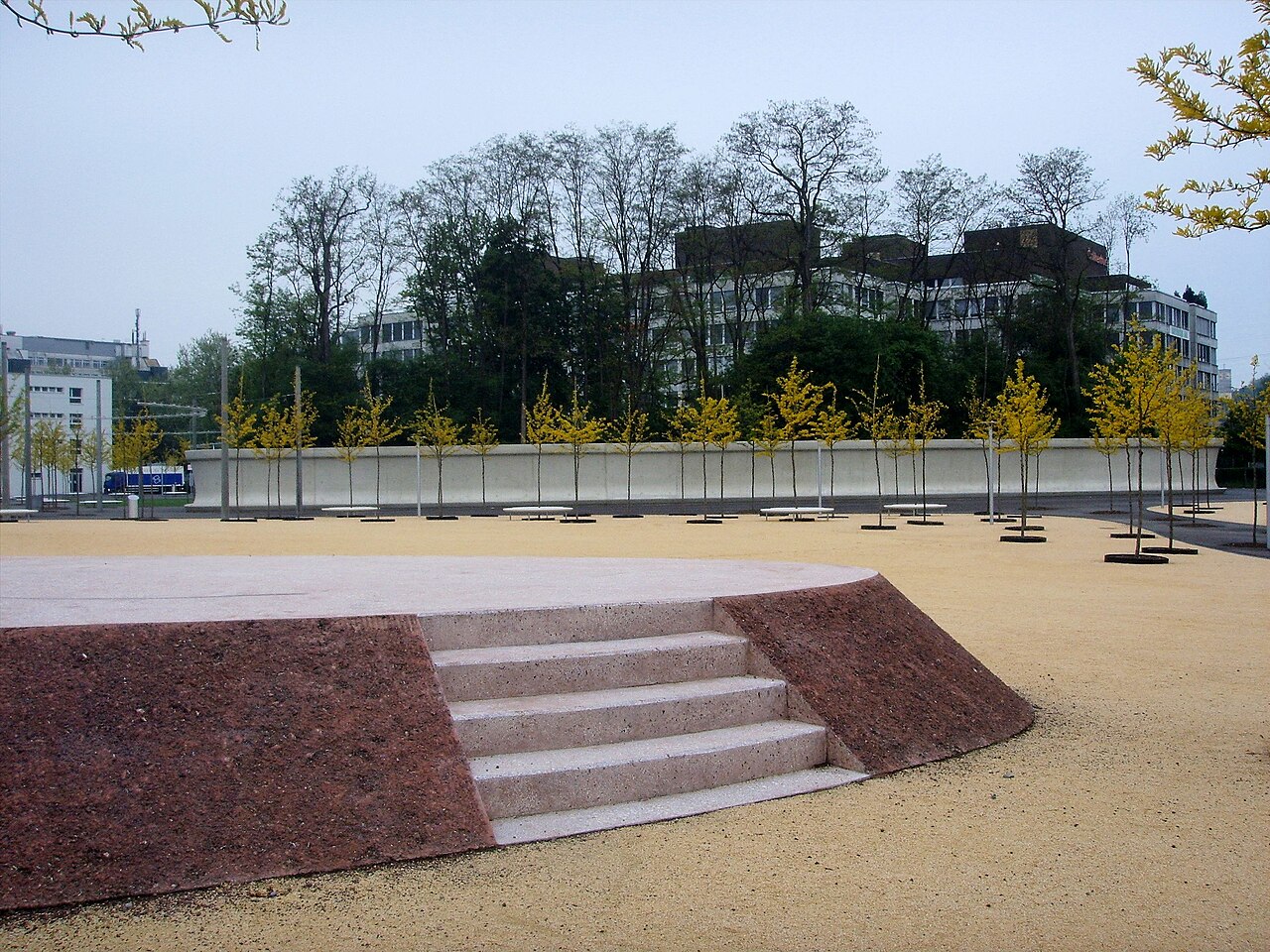
Leutschenpark is easy to use as a flexible part of a Zurich day. A traveller passing through may need only a short walk and pause, while someone looking for a slower outdoor break can remain longer. Plan enough time to move at a comfortable pace, find a suitable place to pause and take in the relationship between greenery and the surrounding city. If the park forms one link in a neighbourhood walk, the overall time will depend on the other streets and destinations included. If it is your main outdoor stop, allow the conditions on arrival to shape the length of the visit. Leutschenpark does not need a rigid appointment: its role is to give an itinerary breathing room. The park can be valuable even during a brief visit, particularly after indoor attractions or busy city streets. Keep the stop adaptable and place-specific.
Checked 2026-08-26 · Source
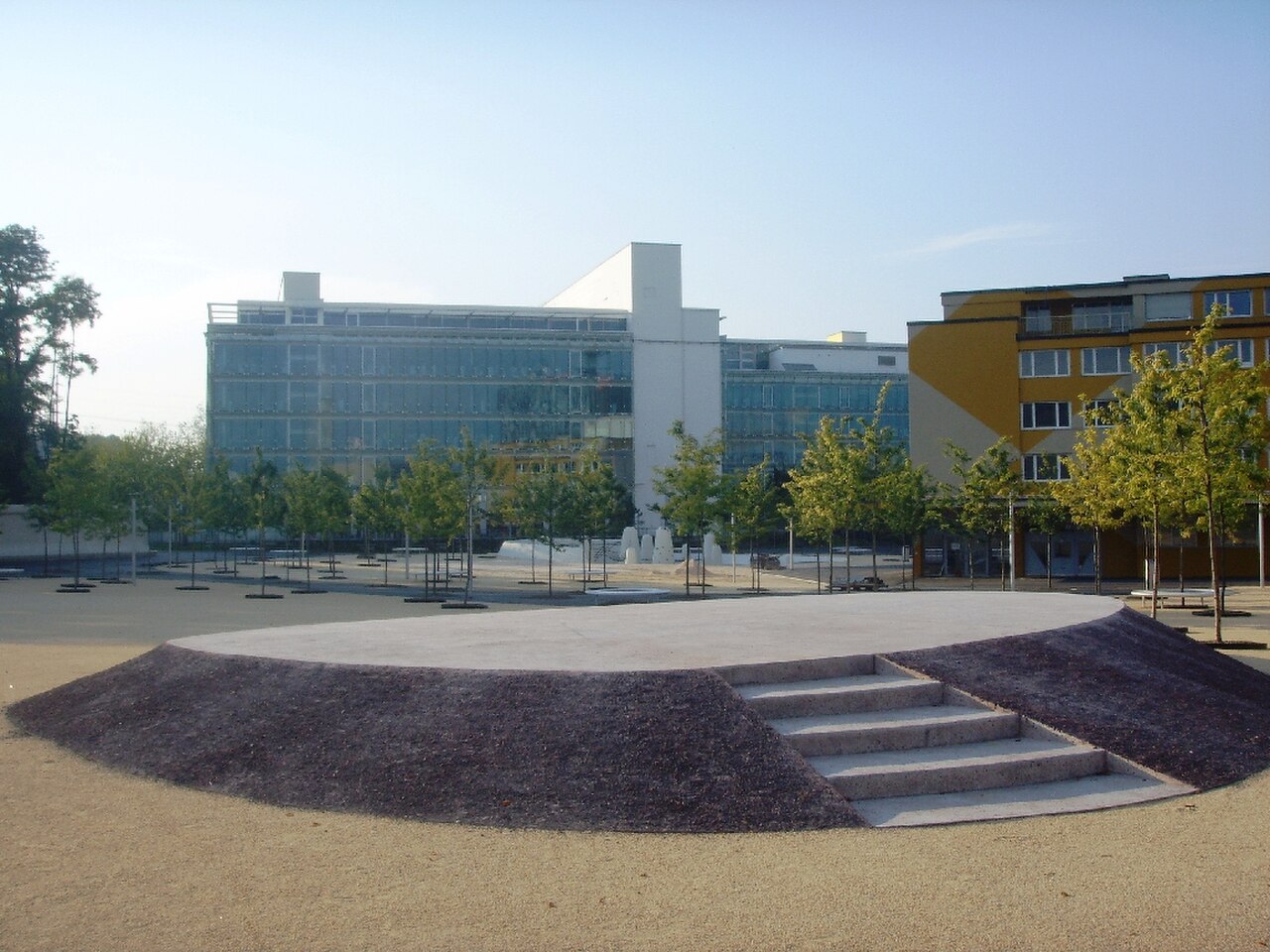
Leutschenpark is an outdoor place, so daylight and weather shape the experience. Late spring, summer and early autumn generally offer more comfortable conditions for walking, sitting and observing vegetation, while winter brings shorter days and colder weather. These seasonal comments describe the outdoor setting rather than a confirmed park schedule. Choose the timing that suits the activity you want: a bright daytime visit for seeing the landscape, or a shorter stop when weather is unsettled. Rain can make paths and seating less comfortable, and sudden changes in temperature are possible in Zurich. Build the park into a route with nearby indoor alternatives if outdoor conditions deteriorate. Leutschenpark is most useful when treated as a real green-space pause rather than as an attraction requiring a fixed timetable. Let the park’s public setting, surrounding neighbourhood and visible conditions guide the pace of the visit.
Checked 2026-08-26 · Source
No separate charge is established for walking through the park or spending time outdoors there. The guide also does not identify ticketed events, managed facilities or third-party activities within the park. Keep the financial planning for this stop focused on the wider Zurich day, including transport or any separate attractions joined to the route. Do not turn the park into a paid attraction in your itinerary. If a special event or facility has its own conditions, that would be separate from the park’s confirmed identity as public green space. A free outdoor pause can make a city schedule more balanced, especially between museums, churches and busy commercial areas. Leutschenpark’s contribution is time, space and a change of setting rather than a defined ticketed experience.
Checked 2026-08-26 · Source
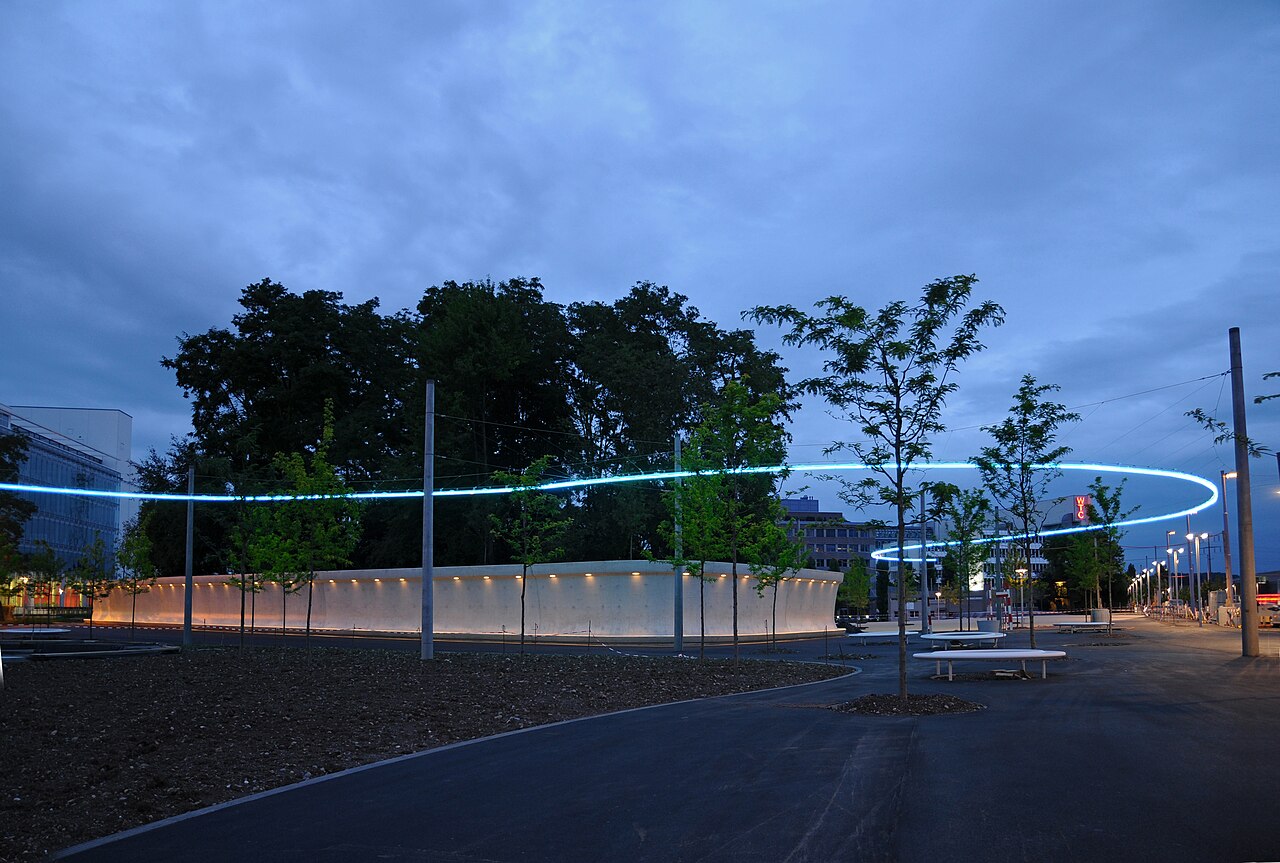
Leutschenpark is in Zurich, a city connected by trams, buses, S-Bahn trains and other public transport. Use the park’s mapped location when planning the final approach, then expect the visit to continue on foot through an urban neighbourhood. Public transport is a practical basis for reaching a Zurich park, while walking or cycling can make Leutschenpark part of a longer local route. The guide does not support a specific line or travel time, so keep the access description general. Pay attention to crossings, shared paths and ordinary city traffic as you move between transport and the park. Parking conditions are not established here; public transport or walking keeps the itinerary simpler. Once inside, use the available paths and open areas without obstructing other park users. Leutschenpark works best as a neighbourhood green-space stop connected to the rest of Zurich rather than as an isolated destination with a dedicated visitor route.
Checked 2026-08-26 · Source
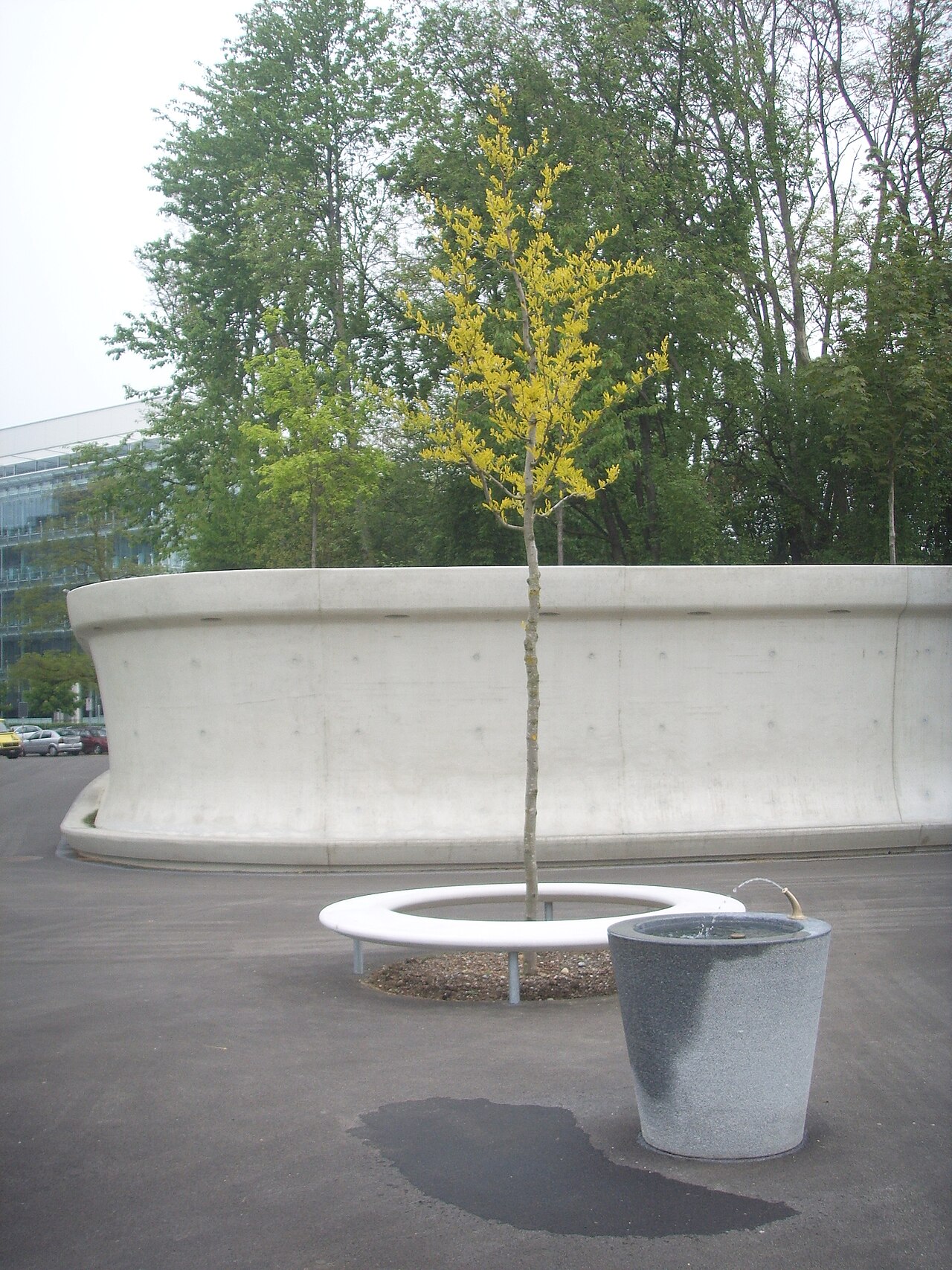
Leutschenpark is a public urban space, so visitors should share it considerately. Watch for bicycles or other moving users on paths, keep children supervised and follow any signs concerning dogs, waste, planting or activities. Weather can change quickly, making grass, paving or paths slippery. Evening conditions may reduce visibility, and ordinary urban awareness remains useful for personal belongings and route finding. Leave plants and public furniture undisturbed, keep the park clean and give other visitors room. If you bring food, use the area in a way that respects the shared public setting and local signs. Leutschenpark is intended as a city green space, not as a private event area. The safest visit is one that follows the visible environment and treats the park as a place shared by residents, families, walkers and other travellers.
Checked 2026-08-26 · Source
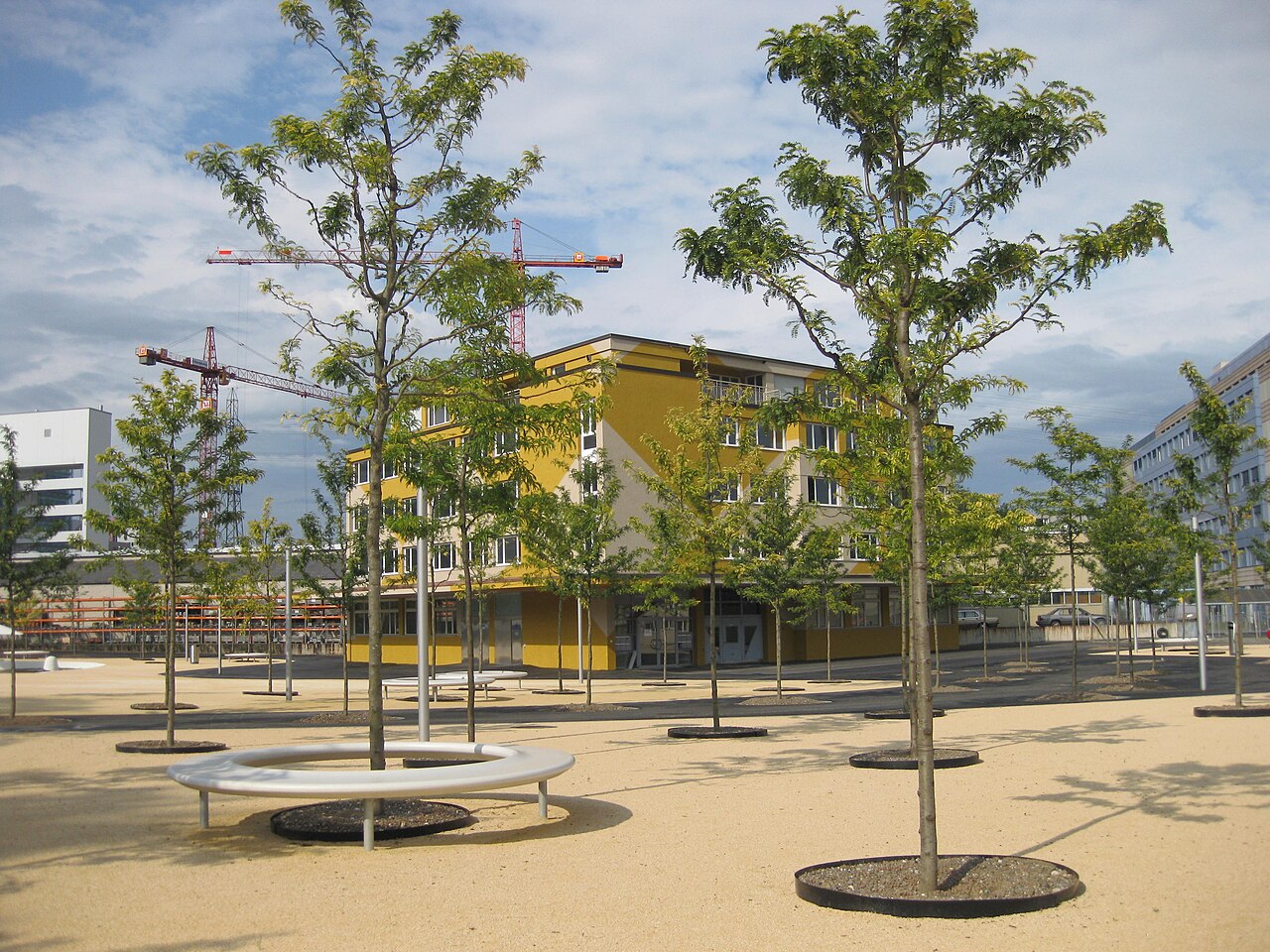
Leutschenpark provides a natural setting for photographs of urban greenery and everyday Zurich. Look for compositions that connect planting, paths and surrounding architecture, allowing the image to show the park as part of the city rather than as an isolated landscape. Personal photography should remain considerate of other visitors, especially children and anyone who may be identifiable. Avoid blocking shared paths while composing a frame, and keep equipment proportionate to a public park visit. The changing seasons alter vegetation, colour and available daylight: warmer months can emphasise green space, while winter can reveal the park’s structure and its relationship with nearby buildings. Overcast weather may soften contrast, whereas bright conditions create stronger shadows. The guide does not establish commercial photography or tripod permissions, so organised shoots should respect any local requirements and visible signs. Leutschenpark’s photographic appeal lies in ordinary outdoor atmosphere and the meeting of nature with Zurich’s urban fabric.
Checked 2026-08-26 · Source
Leutschenpark is a named public park and urban green space in Zurich, suitable for walking, pausing and enjoying an outdoor change of pace.
Yes. Its role as a public urban park makes it suitable as a flexible green-space stop within a wider neighbourhood walk.
Yes. Leutschenpark is an urban green space where the experience centres on being outdoors in Zurich.
Late spring through early autumn generally offers more comfortable outdoor conditions, while winter brings shorter daylight and colder weather.
Photograph the relationship between paths, planting and Zurich’s surrounding urban architecture rather than relying on a named special viewpoint.
Share paths considerately, supervise children, follow visible local signs, protect the planting and leave the public space clean.
Loading the interactive map…
The interactive map could not be loaded.
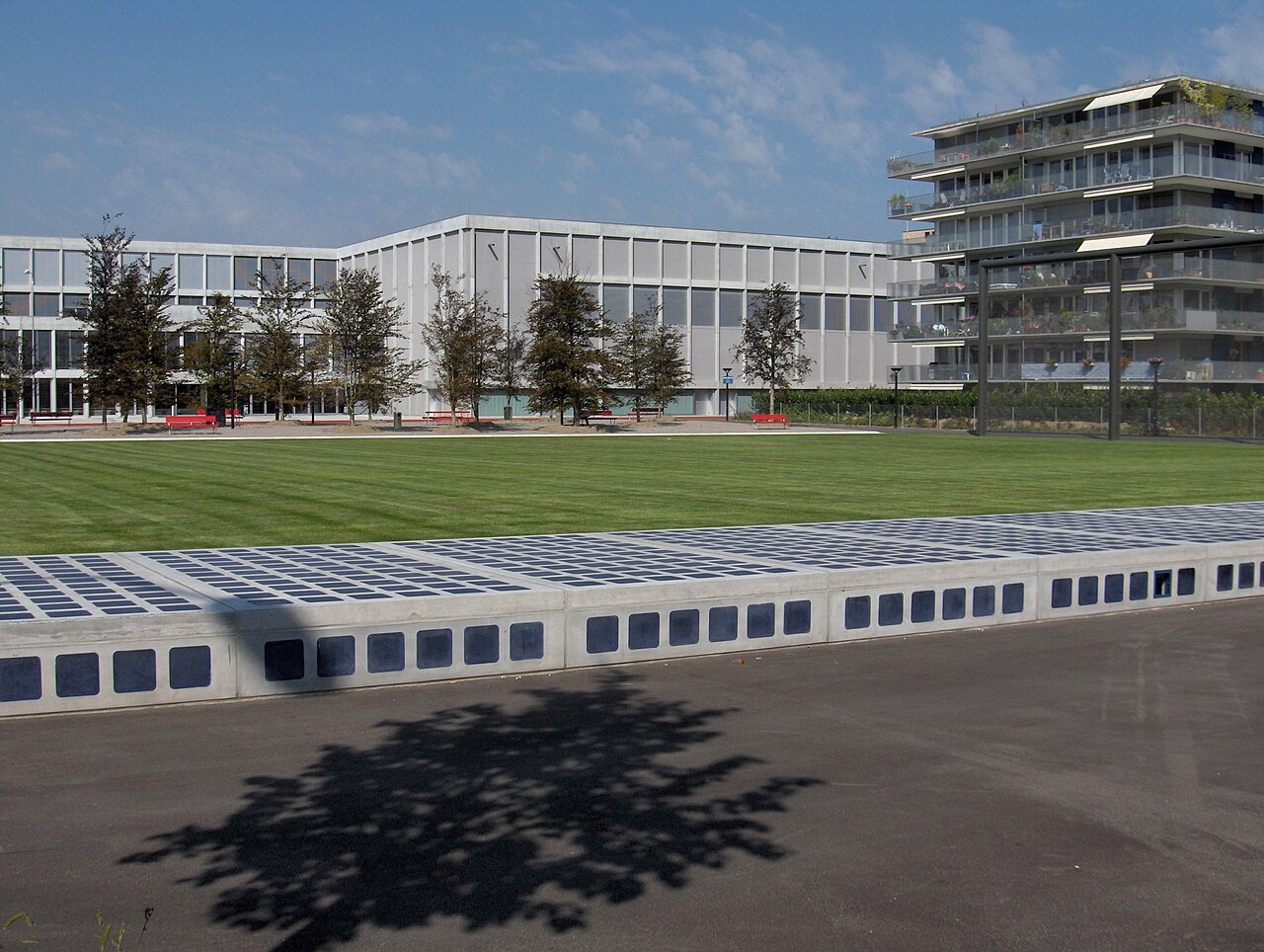
Last updated:
Source: OpenStreetMap contributors, Wikidata ·