.jpg)

51
1 hour
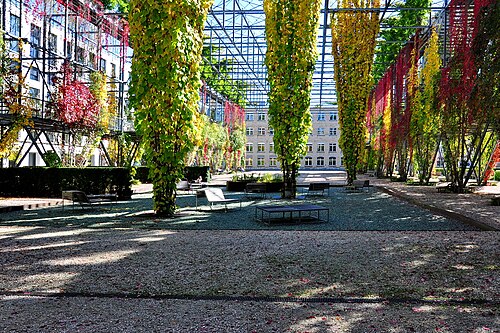
MFO-Park
MFO-Park is a public green space in Zurich’s Oerlikon district, created on the former grounds of Maschinenfabrik Oerlikon.
- Notable
- Nature site
- Zurich
Country guide
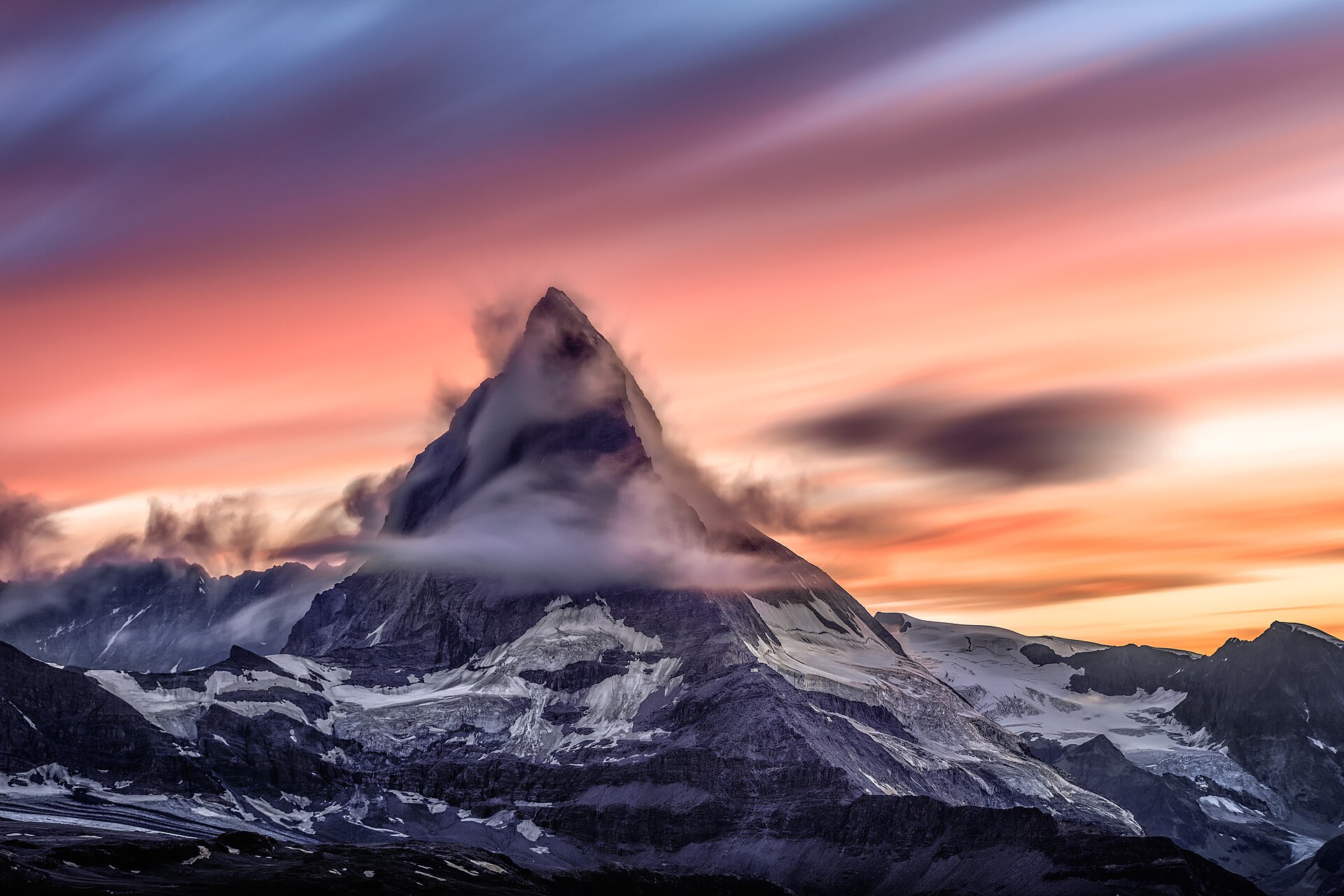
The Alps cover most of Switzerland's 41,291 km², which is why almost all of its 9,154,242 people live on the plateau — a band of low ground carrying Zurich, Ber...
Photograph · Sam Ferrara · CC0 1.0
Reviewed by Elena Voss · Roavina Travel Editor
The Alps cover most of Switzerland's 41,291 km², which is why almost all of its 9,154,242 people live on the plateau — a band of low ground carrying Zurich, Bern, Basel, Lausanne, Geneva, Lucerne and Winterthur within a few hours of one another. Cross a ridge and it is the language that changes: German is spoken by 62 per cent of the country, French by 23, Italian by 8, Romansh by half a per cent. Twenty-six cantons write their own rules on top of that. A trip here is usually a choice between the flat line of cities and the valleys branching off it.
Checked 2026-08-25
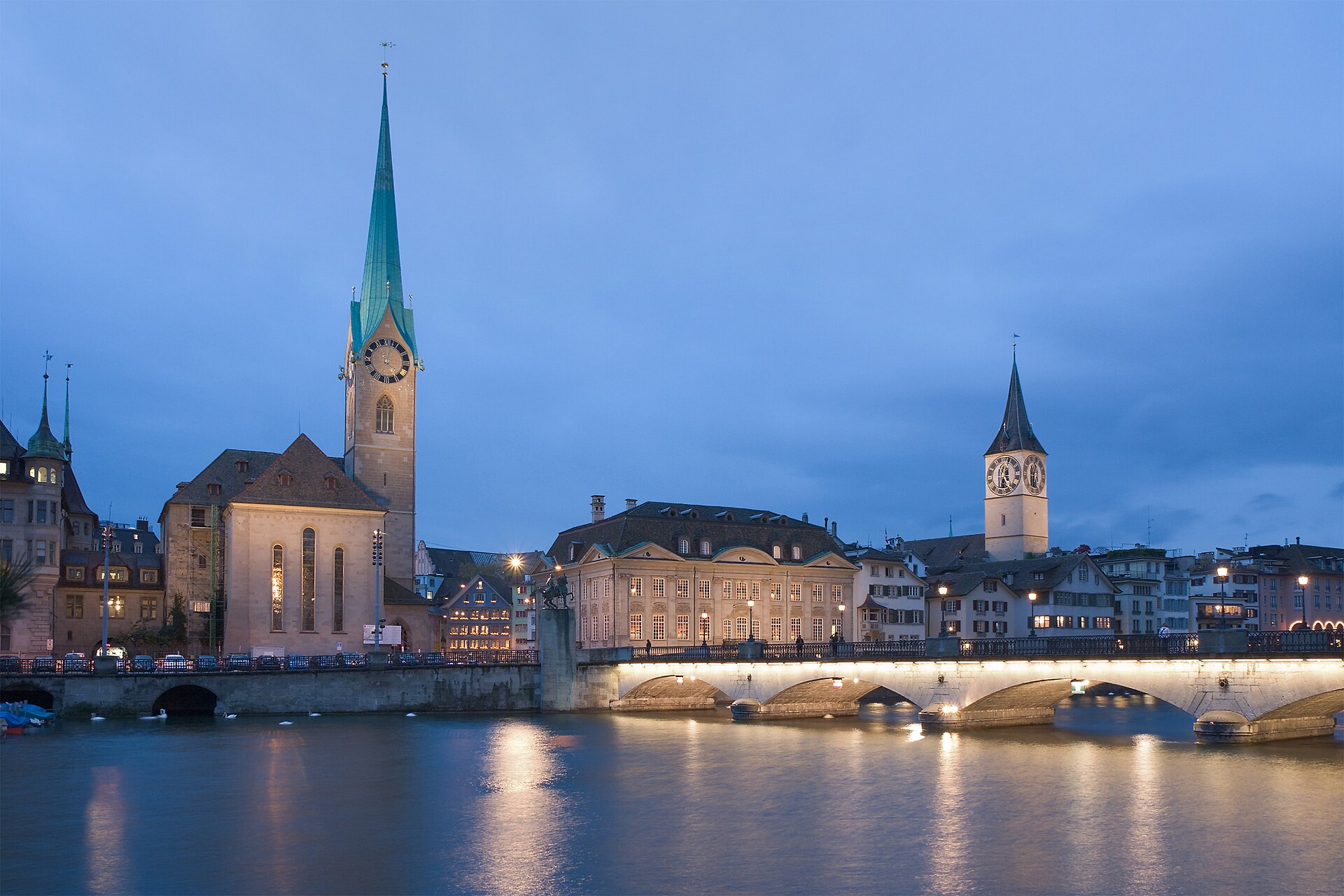
Every city catalogued in this country so far, ranked by how much there is to see.
Photograph · Ikiwaner · CC BY-SA 3.0
Ranked by importance — sitelinks, pageviews and heritage status, not editor preference.
66 places match
Category
Typical visit duration
Interests
MFO-Park is a public green space in Zurich’s Oerlikon district, created on the former grounds of Maschinenfabrik Oerlikon.
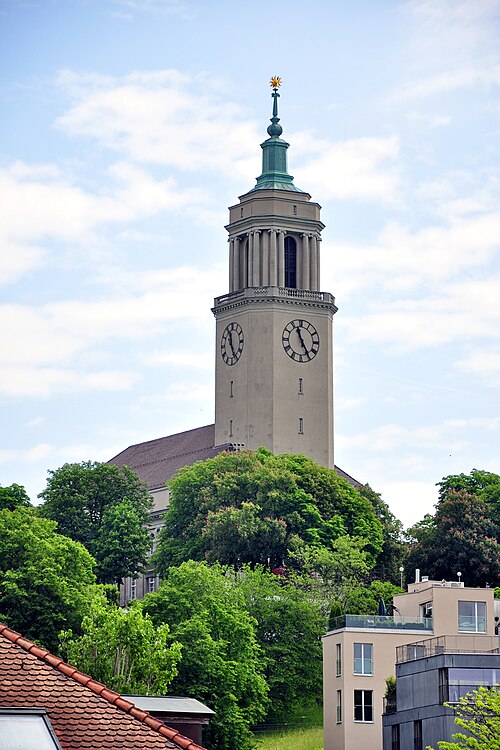
Grosse Kirche Fluntern
Reformed Church Fluntern, also known locally as Grosse Kirche Fluntern, is a Protestant church in Zurich’s Fluntern district. It serves the local congregation and forms part of the city’s religious and community landscape.
Rieterplatz is a public square in Zurich, Switzerland, forming part of the city’s everyday urban fabric. It is best understood as an open civic space rather than a single-purpose museum, monument, or ticketed attraction.
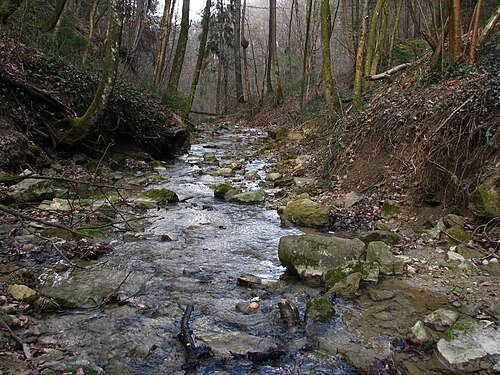
Sagentobelbachfall
Sagentobelbach is a small watercourse in the Zurich area, and the local name Sagentobelbachfall identifies a waterfall or cascade along its course.
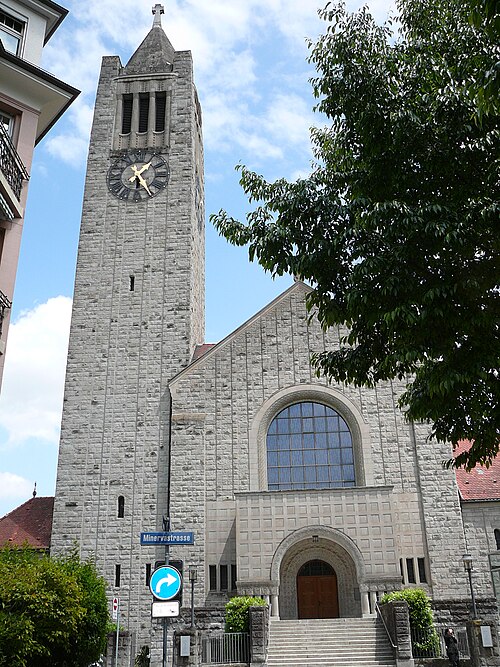
St. Anton
St. Anthony Catholic Church, also known locally as St. Anton, is an active Catholic parish church in Zurich. It serves the local Catholic community and contributes to the city’s varied religious landscape.
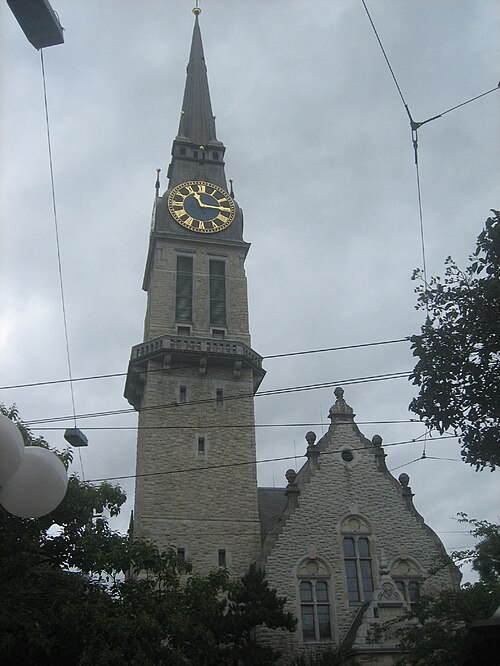
St. Jakob
St. Jakob church is a church in Zurich and an active place of worship with religious and community functions. Its role is local and ecclesiastical rather than that of a dedicated tourist attraction.
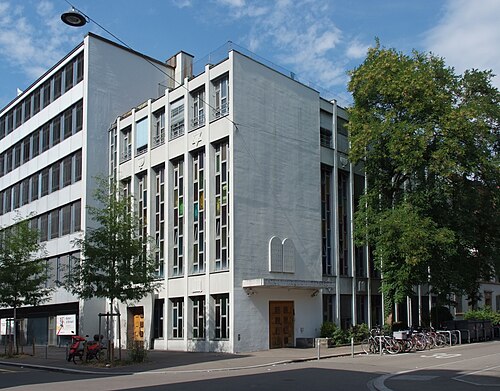
Synagoge Agudas Achim
Agudas Achim Synagogue is a Jewish place of worship and community gathering in Zurich. Its purpose is prayer, religious ceremony and communal life, making it a meaningful stop for travellers interested in the city’s Jewish heritage.
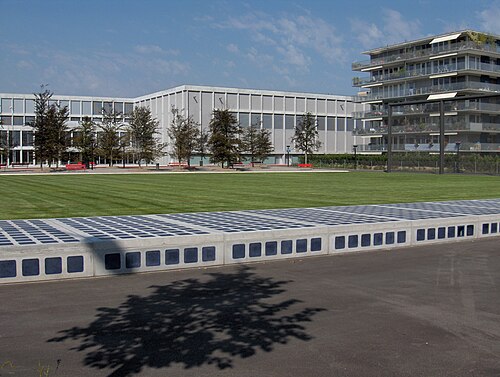
Wahlenpark is a public green space in Zurich, offering an outdoor pause within the city. It suits travellers who want a simple break from streets, museums and built-up neighbourhoods.
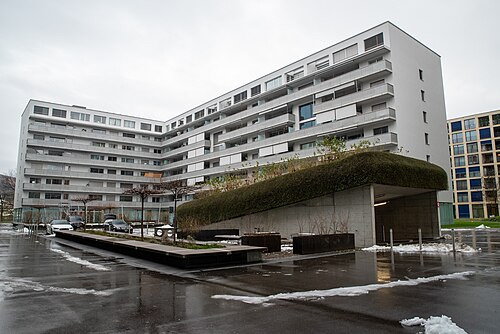
Andreaspark is an urban green space in Zurich, Switzerland, suited to a quiet pause within the city. Its character is that of a neighbourhood park rather than a major landmark, making it useful between visits to busier attractions.
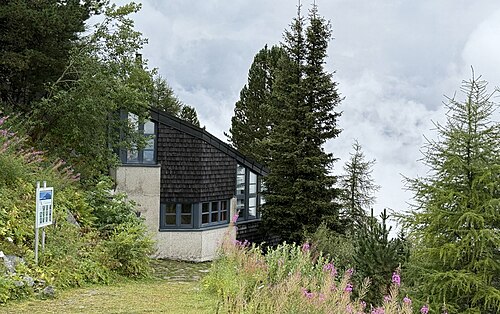
Alpengarten is a distinct Zurich garden place mapped as OpenStreetMap way/263478530. Its name gives the stop an alpine-garden identity, making cultivated planting, paths, rockwork and seasonal change the natural focus of a visit.
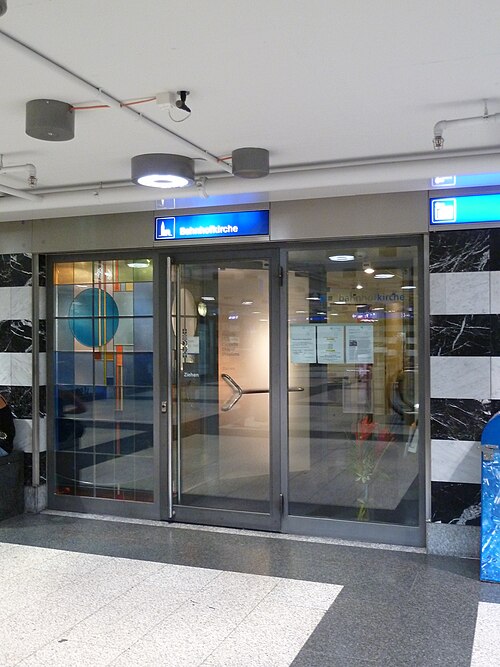
Bahnhofkirche
Station Church, known locally as Bahnhofkirche, is a place of worship beside Zurich’s main railway station. Its position gives it a distinctive role in the city: travellers and commuters can encounter a religious space amid platforms, shopping, and constant movement.
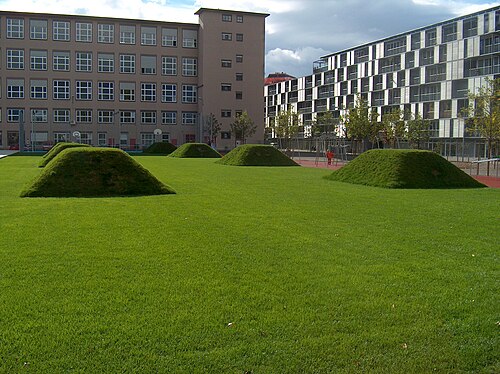
Louis-Häfliger-Park is a public green space in Zurich named after Louis Häfliger, a Swiss humanitarian associated with efforts during the Second World War.
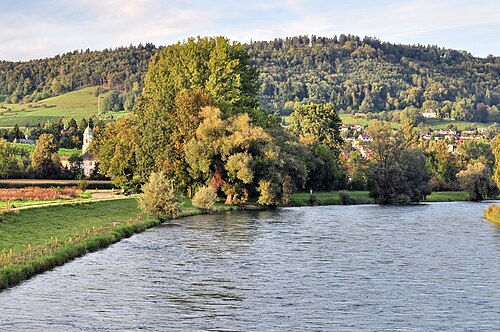
Gubrist is a named locality within Zurich, Switzerland, represented by a precise point in the city’s geographic landscape. It is better suited to orientation and neighborhood exploration than to a conventional sightseeing visit.
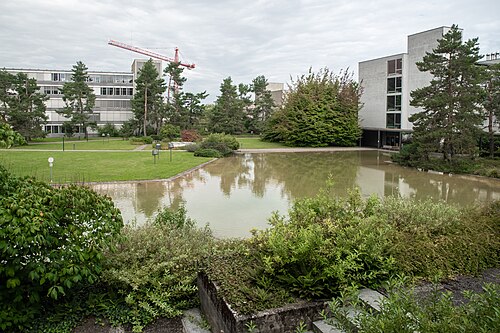
Albert-Steiner-Garten is a garden space in Zurich named for Albert Steiner, a Swiss photographer associated with landscape imagery of the Alps. The name gives the place a commemorative connection to Swiss visual culture.
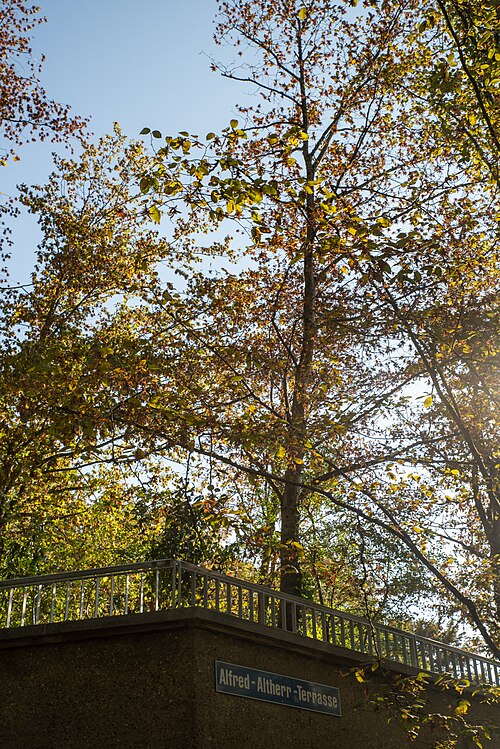
Alfred-Altherr-Terrasse is a named terrace viewpoint in Zurich, Switzerland. It is an elevated urban pause where travelers can step away from the pace of the surrounding streets and look across the city setting.
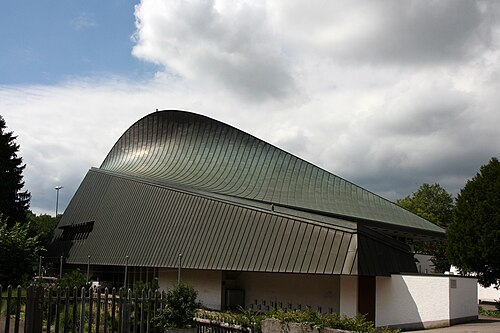
Pfarrei Sankt Elisabeth
St. Elizabeth Catholic Church is an active Catholic parish church in Zurich, Switzerland. Its bell tower gives the building a clear architectural feature and helps distinguish it within the city’s religious landscape.
Seven to ten days can combine two city or lake bases with one mountain region. Switzerland’s dense transport network reduces transfer friction, but weather-dependent alpine excursions still need flexible time.
Switzerland’s State Secretariat for Migration publishes entry requirements. Passport nationality, visit purpose and the wider Schengen route determine whether a visa is required and where to apply.
Zurich and Geneva airports connect directly to national rail. SBB trains, regional railways, PostBus routes and lake boats form the core network, while many mountain railways and cable cars use separate products.
June to September serves hiking and high-pass travel; December to March is the broad snow season. Mountain operating dates and weather vary by altitude, so verify the specific lift or route rather than relying on a national season.
Switzerland prices in Swiss francs (CHF). The current treatment of euros, card fees and exchange rates is Not recorded here; verify the charged currency and amount before accepting conversion.
Switzerland uses 112 as a general emergency number, 117 for police and 144 for ambulance. Type C and J sockets supply 230 V, and mains tap water is recorded as safe.