36 min walk
River Theater
- Notable
- Art and culture venue
Language · 11 published
Nature site · Phuket
Reviewed by Elena Voss · Roavina Travel Editor
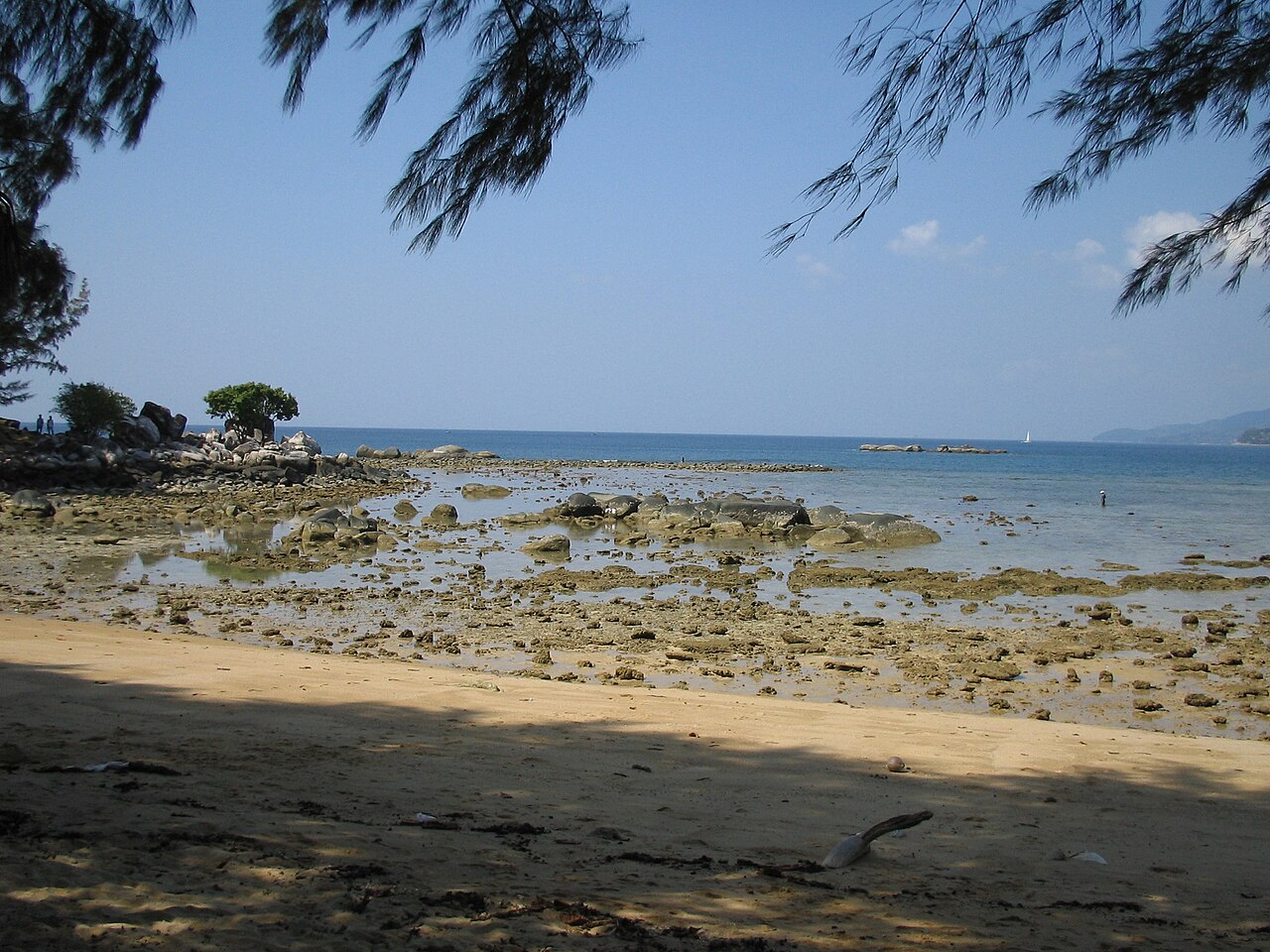
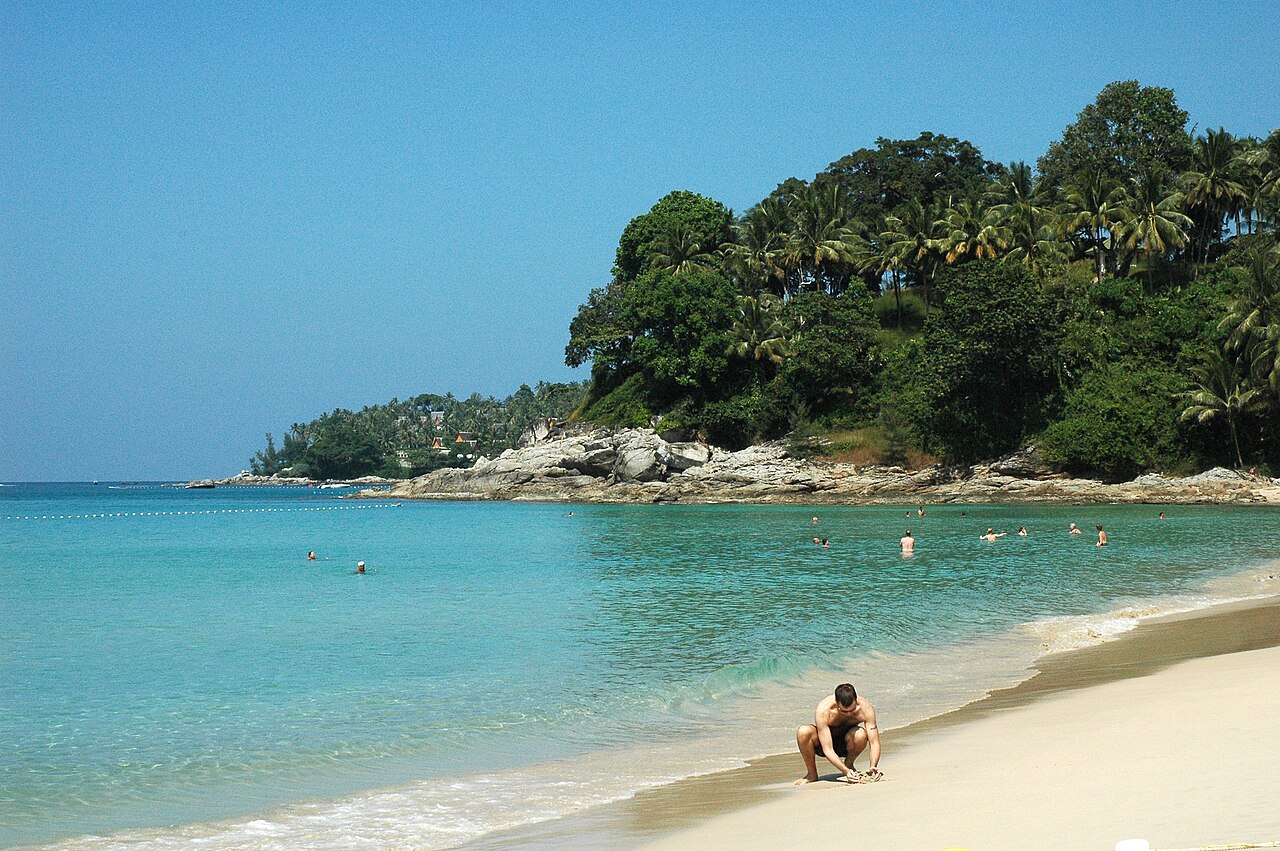
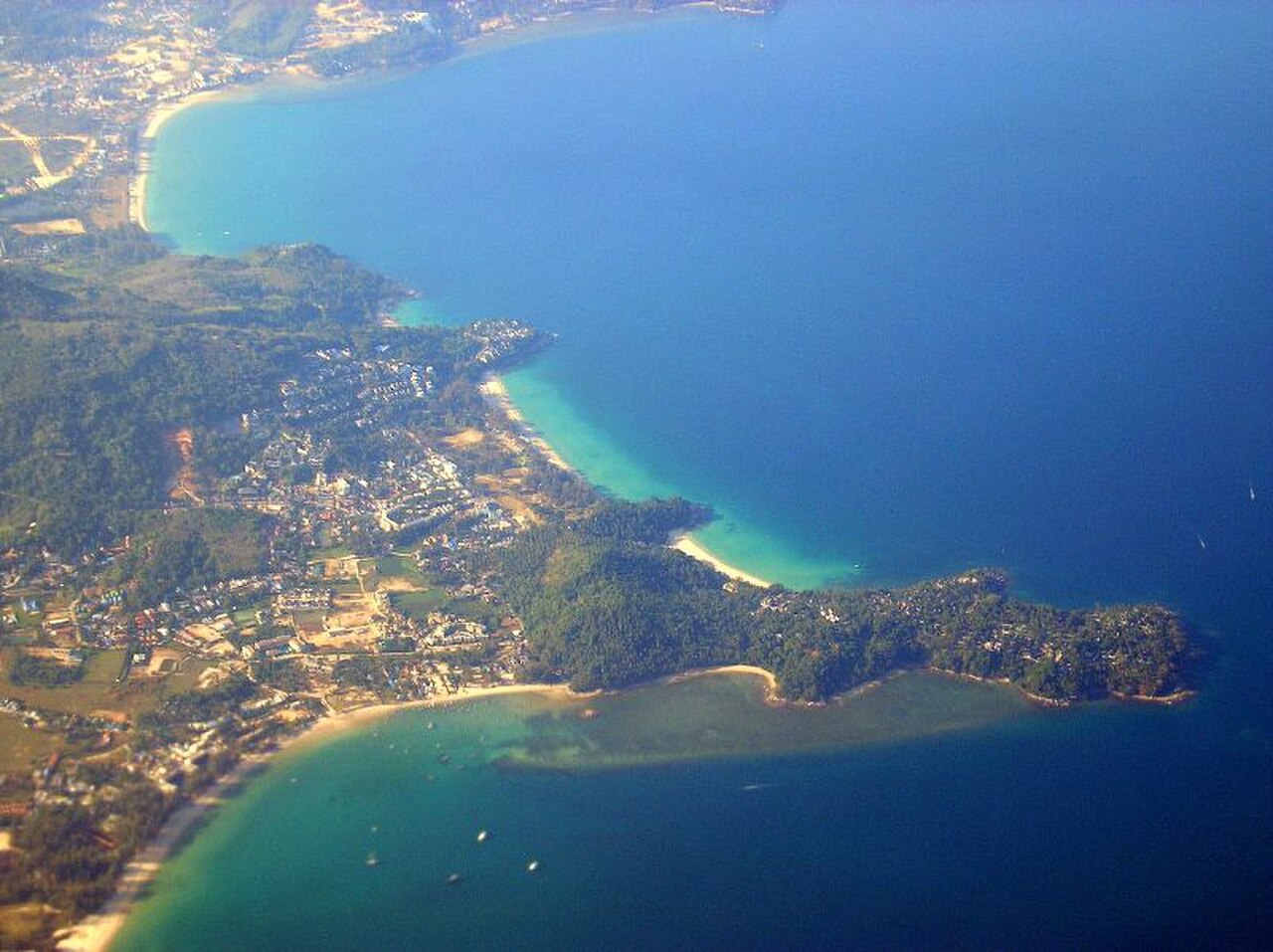
Hua Beach is a coastal access point on Phuket, Thailand’s largest island. The beach belongs to Phuket’s wider Andaman Sea landscape of sandy shores, tropical vegetation and inland hills. A visit works best as a straightforward piece of coastal time: walk beside the water, spend time on the shore or include Hua Beach within a route linking several island locations. The experience is shaped by the beach setting itself rather than by a documented building, museum or formal attraction. Hua Beach is a coastal area on the island of Phuket, Thailand's largest island and a major tourist destination in the Andaman Sea. Phuket province attracts millions of visitors annually with its beaches, marine activities, and resort infrastructure. The beach represents one of numerous coastal access points that characterize Phuket's tourism-dependent economy and landscape. Visitors should assess water conditions, current strength, and any warning flags upon arrival, as these vary by season and weather at Phuket beaches generally.
Checked 2026-08-26 · Source
Hua Beach provides a natural coastal setting with shore, sea and the tropical environment associated with Phuket. Plan around the shoreline and the surrounding beach landscape rather than expecting a formal sequence of rooms or exhibits. The beach can serve as a short stop between other Phuket destinations or as a longer pause for swimming and relaxation when conditions permit. Phuket beaches typically offer varying combinations of sand quality, swimming conditions, shade trees, and nearby commercial services. Visitors should expect standard coastal environment with possible informal food vendors, rental equipment operators, or adjacent businesses common to Thai beach areas. Cautious visitors should survey conditions upon arrival rather than relying on assumed amenities.
Checked 2026-08-26 · Source
Hua Beach can fit into a short coastal stop of under an hour when the purpose is shoreline observation or a brief walk. Allow longer for swimming, sitting on the sand or combining the beach with nearby travel. Visitors moving between several Phuket beaches may give each location a shorter pause, while a relaxed day leaves room for weather and road delays. Because the beach has no documented activity programme, the visit length is set by your chosen pace. Beach visits typically range from brief stops of under one hour to full-day excursions depending on individual preferences, weather conditions, and available activities.
Checked 2026-08-26 · Source
Phuket’s November-to-April period is generally drier, while May-to-October weather brings heavier rain and stronger seas. The calmer-season pattern is useful for a beach itinerary, but conditions can still change during the day. Morning visits offer an earlier start and less direct heat than midday. Tide, rain and water movement shape the experience at a natural beach, so build the stop into a route that can accommodate a shorter shoreline visit if conditions turn poor.
Checked 2026-08-26 · Source
This guide therefore does not attach an admission price. Separate spending may arise from services or purchases around the beach, including refreshments, equipment or parking where available. Keep optional costs separate from the beach visit itself. A modest, flexible plan suits a place whose main attraction is open coastal space rather than a timed programme or ticketed interior.
Checked 2026-08-26 · Source
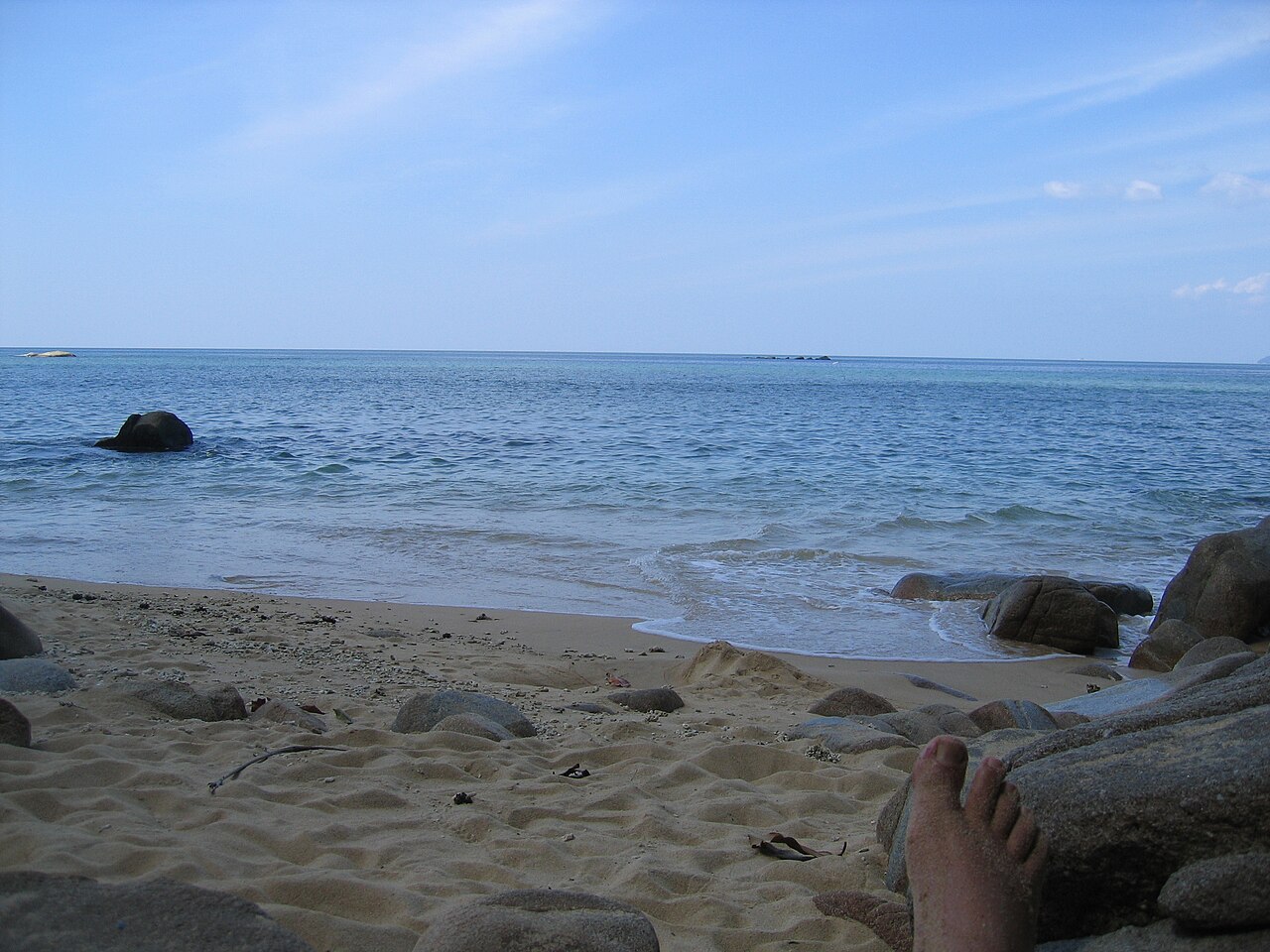
Hua Beach is approached through Phuket’s roads, which connect the island’s coastal settlements and inland areas. The transport options described for Phuket beach travel include songthaews, tuk-tuks, motorcycle taxis, rental vehicles and ride-hailing applications. Congestion can lengthen journeys during the busy season. Use the exact beach location for navigation because smaller coastal access points may have less prominent road signs. Motorbike riders need the correct licence and should take particular care on busy island roads.
Checked 2026-08-26 · Source
Phuket’s Andaman Sea beaches can experience strong currents, rip tides and seasonal jellyfish. Water entry should match your swimming ability, and warning flags or local beach guidance take priority. Tropical sun requires protection, while sand and uneven ground can make walking uncomfortable. Keep valuables attended. Water-sports transactions elsewhere on Phuket have generated disputes over damage claims, so read any terms before signing. Informal food service varies in hygiene, making careful selection sensible during a beach day.
Checked 2026-08-26 · Source
Hua Beach offers the familiar Phuket composition of shoreline, tropical surroundings and the Andaman Sea. Strong daylight calls for careful exposure, while the western seascape can provide sunset colour. Protect equipment from sand, salt spray and rain, and ask before photographing people closely. Respect private resort boundaries and sensitive locations. Drone flights in Thailand require attention to registration rules and restrictions near airports, crowds and protected or sensitive areas. The beach’s changing light and tide can alter the same composition during one visit.
Checked 2026-08-26 · Source
Hua Beach is a natural coastal access point on Phuket, suited to shoreline walks, swimming when conditions permit and relaxed time beside the Andaman Sea.
A short visit can take under an hour, while swimming and relaxation can occupy several hours. The beach can also be one stop in a longer Phuket coastal route.
November through April is generally drier in Phuket. May through October brings heavier rainfall and stronger sea conditions, which can affect beach activities.
Phuket beach travel includes songthaews, tuk-tuks, motorcycle taxis, rental vehicles and ride-hailing applications. Use Hua Beach’s exact location when navigating to the coastal access point.
Strong currents, rip tides and seasonal jellyfish can affect Phuket’s Andaman Sea beaches. Follow warning flags or local guidance and enter the water only within your ability.
Morning or sunset light can soften the strong tropical daylight. Protect equipment from sand, salt spray and rain, ask before close portraits and follow Thai rules for drone flights.
Loading the interactive map…
The interactive map could not be loaded.
Last updated:
Source: OpenStreetMap contributors ·