


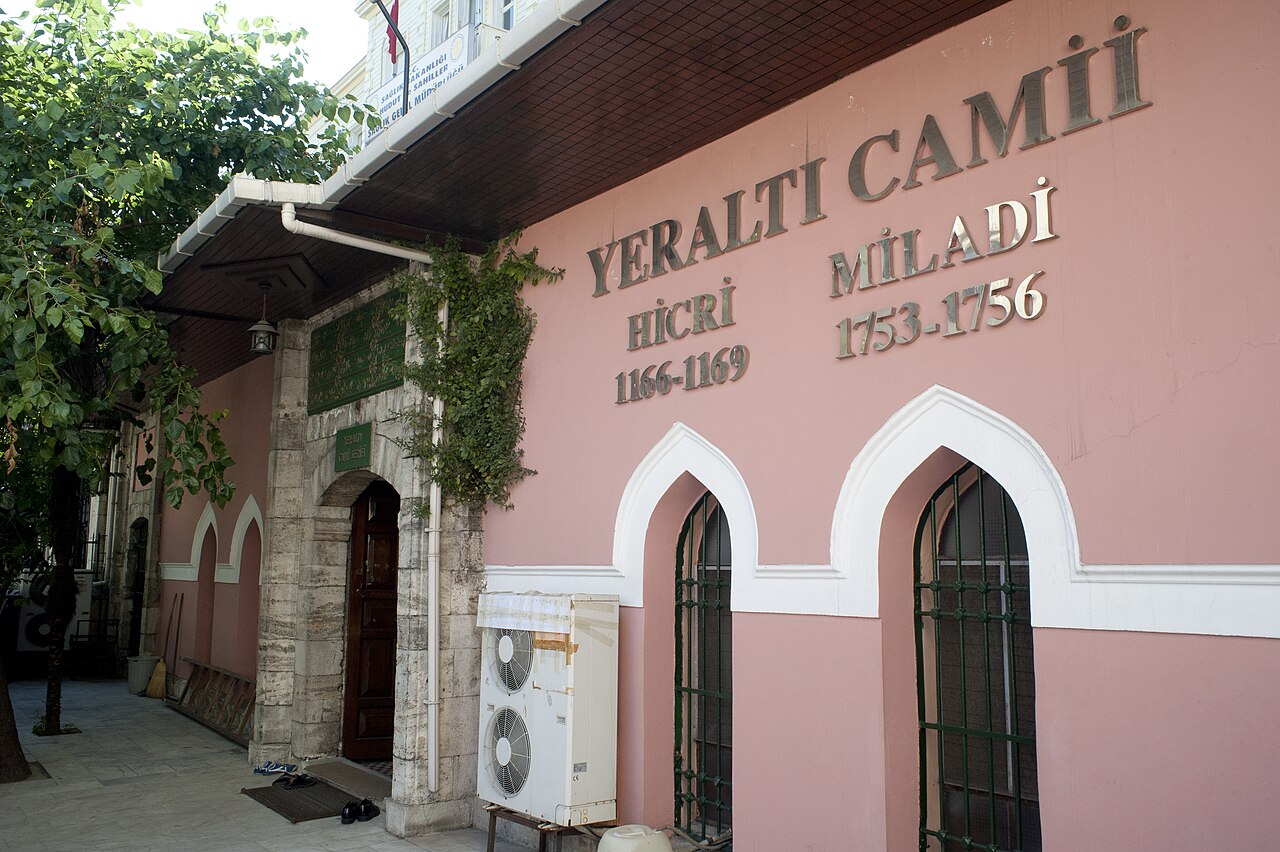
2 min walk · Beyoğlu
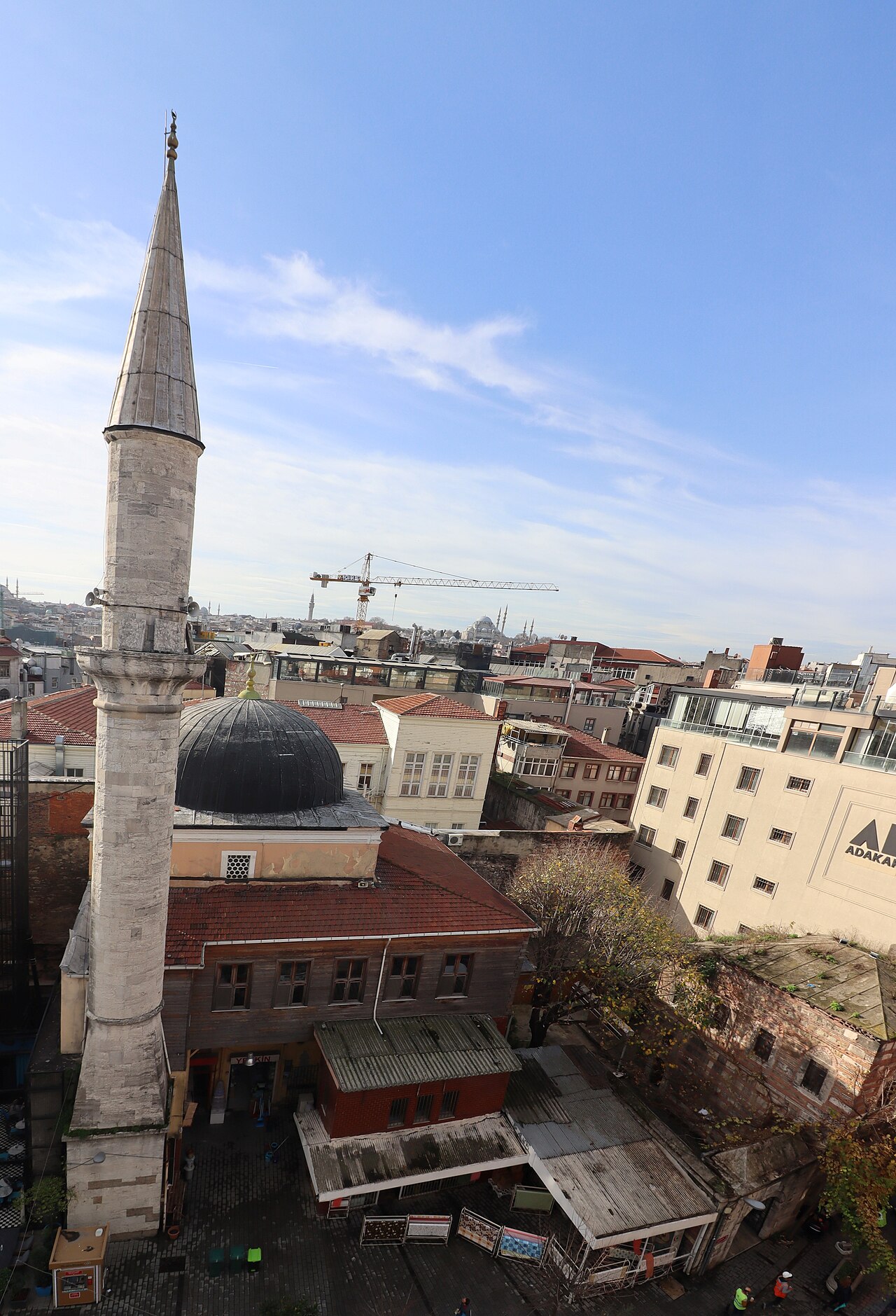
Yeraltı Camii
- Must see
- Place of worship
Activity · Beyoğlu, Istanbul
| Monday | 06:00 – 23:00 |
|---|---|
| Tuesday | 06:00 – 23:00 |
| Wednesday | 06:00 – 23:00 |
| Thursday | 06:00 – 23:00 |
| Friday | 06:00 – 23:00 |
| Saturday | 06:00 – 23:00 |
| Sunday | 06:00 – 23:00 |
Checked 2026-08-31 · Source
Not recorded
Source · Checked 2026-08-31
A regular Şehir Hatları commuter ferry across the Bosphorus, the everyday version of the Long Bosphorus Tour: no sightseeing stop, no turnaround at Anadolu Kavağı, just a working boat moving Istanbul residents between the European and Asian shores on a public transit timetable.
Checked 2026-08-31 · Source
A working deck, not a sightseeing one: commuters reading on the way to work, a tea seller working the cabin, and the same crossing that has linked the two shores since long before either bridge existed. Boats have crossed the Bosphorus for millennia, but the first private steam ferries only date to 1837; until the first Bosphorus bridge opened in 1973, the ferry was the only way across for people and vehicles alike, and it is still faster than the bridges at rush hour.
Checked 2026-08-31 · Source
Under half an hour dock to dock on the shortest inner-city crossings, such as Üsküdar to Eminönü — short enough that the boat rarely reaches cruising speed before it is slowing for the far pier again. The exact minutes for a given line and sailing are set by the day's timetable and are not reproduced here; the operator's timetable page lists the scheduled crossing time for each line. Longer inner-city lines that call at more than one pier, such as the routes running down to Kadıköy or Bostancı, take proportionally longer.
Checked 2026-08-31 · Source
Şehir Hatları commuter ferries run daily from early morning until late evening on route-specific seasonal timetables; Kadıköy-Eminönü, Kadıköy-Karaköy and Üsküdar-Eminönü are the principal cross-continent links. Worship, weather, restoration and events can replace ordinary access.
Checked 2026-08-31 · Source
Each boarding uses the route-specific public-transport fare shown by Şehir Hatları; İstanbulkart and supported contactless payment media are accepted. There is no separate sightseeing admission. The base amount and currency follow the operator tariff. Transport, private hotel areas, tours and separately controlled sections remain excluded unless named.
Checked 2026-08-31 · Source
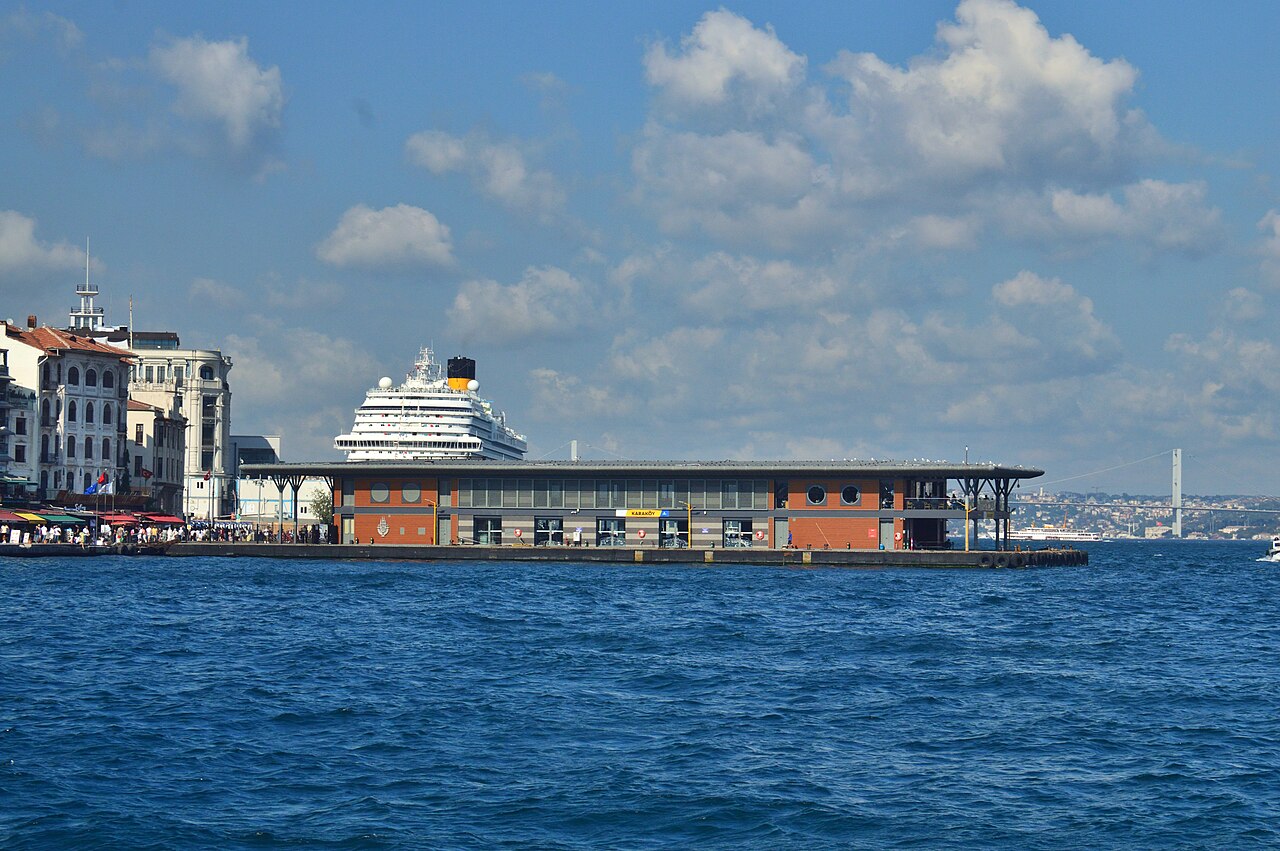
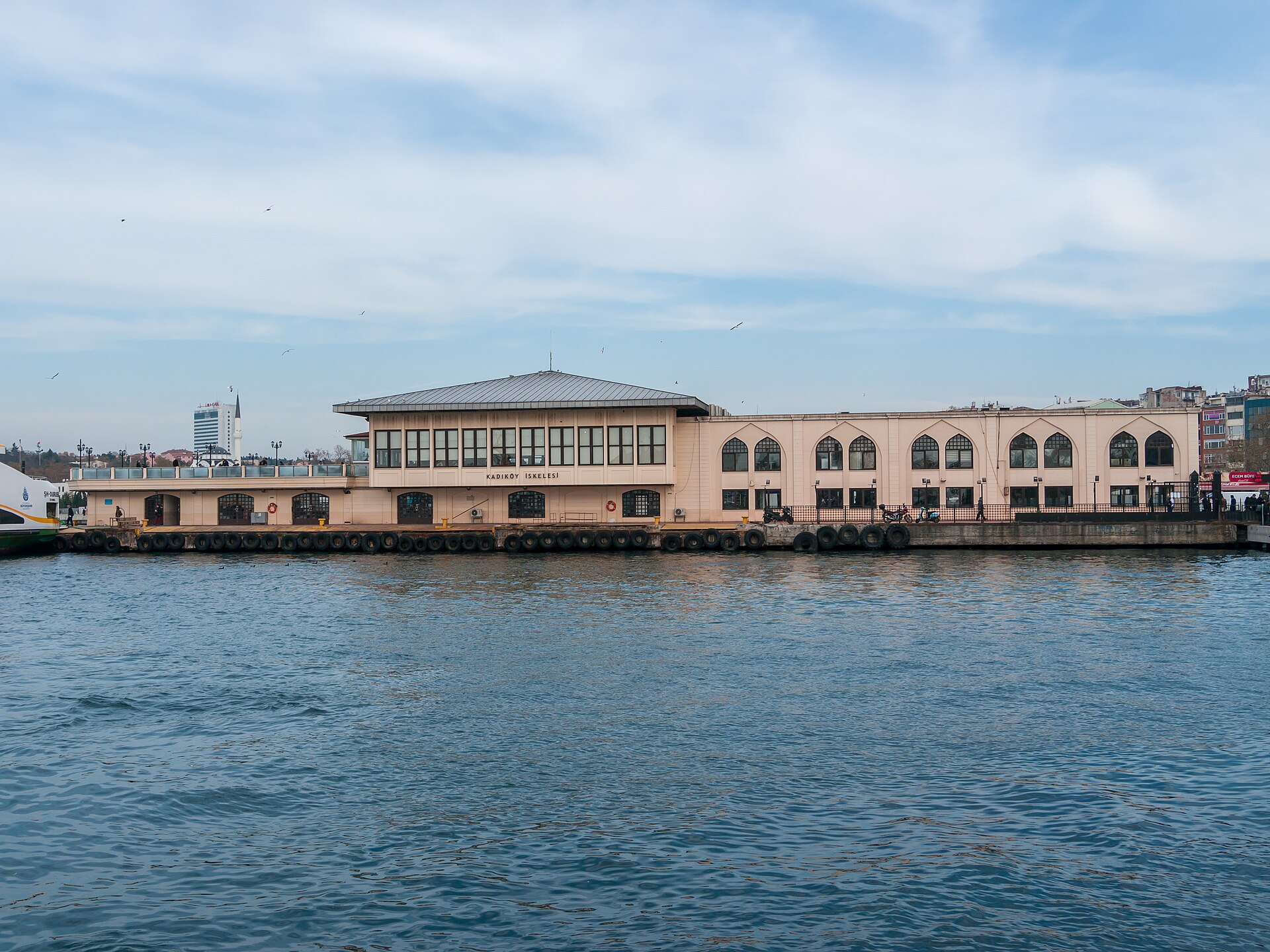
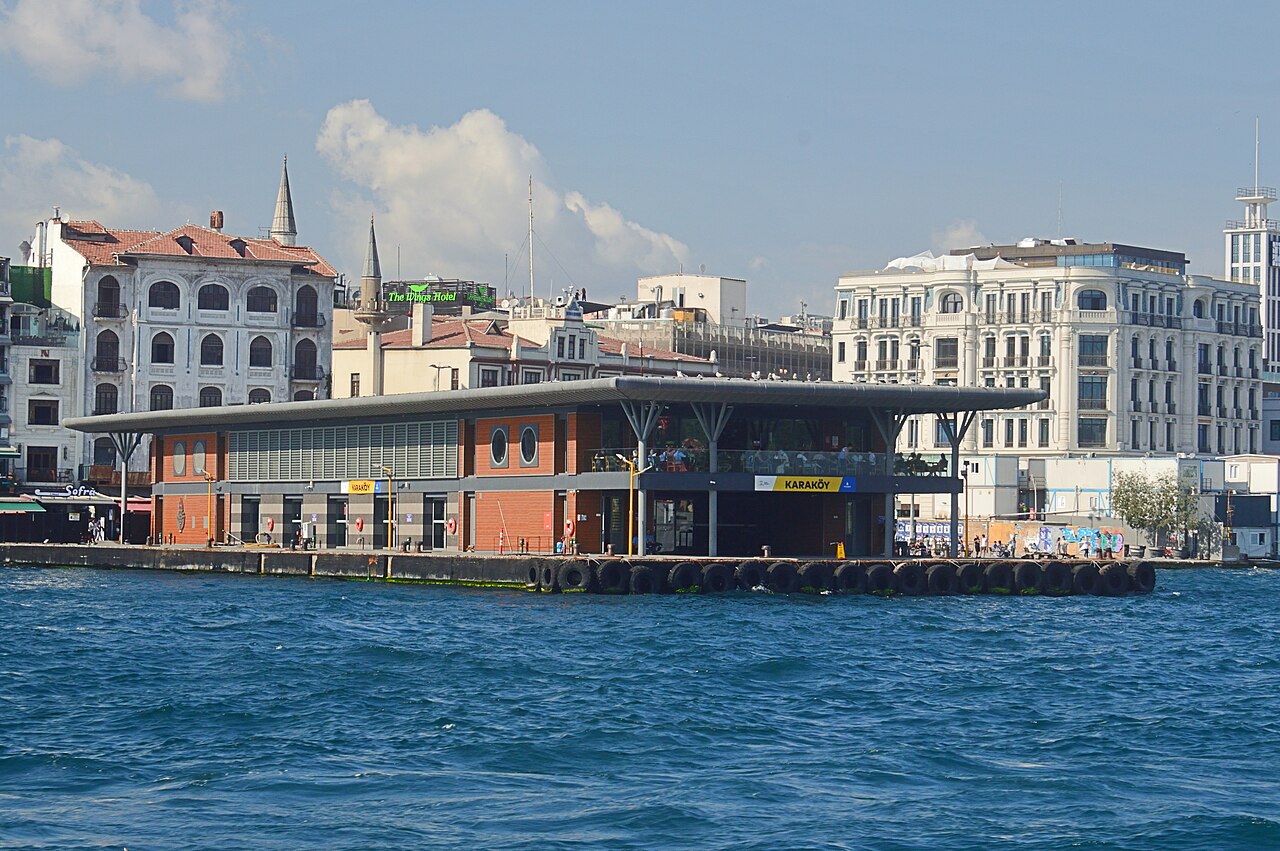
Use Eminönü or Karaköy on the European side and Kadıköy or Üsküdar on the Asian side; all four terminals connect directly with rail and bus networks. Use the named entrance, stop or pier because hills, controlled sites and narrow historic streets change the practical approach.
Checked 2026-08-31 · Source
Accessible piers and suitable vessels use ramps, allocated seating and accessible toilets. Tide can steepen gangways, so wheelchair users may need crew assistance. Historic surfaces, crowds and security remain relevant.
Checked 2026-08-31 · Source
The historic peninsula's skyline — the Hagia Sophia and Blue Mosque domes rising behind the Galata Bridge — is the shot most crossings toward Eminönü or Karaköy deliver without any detour, best taken from the open deck rather than through a cabin window. A crossing timed for sunset, when the light comes low and flat across the water, catches the same skyline without the midday haze that flattens it on a clear afternoon.
Checked 2026-08-31 · Source
No. These are scheduled public ferries used for ordinary city travel.
Yes. Transfers and concessions follow the current public-transport tariff.
Yes on accessible vessels, with crew help where the gangway is steep.
Üsküdar-Eminönü is among the quickest central crossings, while Kadıköy routes run farther south.
Yes. Fog, wind and maritime restrictions can delay or cancel sailings.
Yes. Major commuter routes continue into the evening under their published timetable.
Loading the interactive map…
The interactive map could not be loaded.
Last updated:
Source: OpenStreetMap contributors ·