
_mozaik_detail_1.JPG)
_mozaik_detail_2.JPG)
_mozaik_detail_3.JPG)
_mozaik_detail_4.JPG)
_mozaik_detail_5.JPG)
9 min walk · Salihli
Bath-Gymnasium Complex
- Notable
- Historic monument

Historic monument · Salihli, Manisa
| Per person | TRY 200.00 |
|---|
Checked 2026-09-02 · Source
Ancient Sardis Ruins preserve Sardis, capital of the Lydian Kingdom, in Sart in Salihli district of Manisa. Lydian, Persian, Hellenistic, Roman and Byzantine layers meet across this open archaeological landscape. Sardis is also associated with the earliest state-guaranteed coinage, reflecting its political and commercial importance. The visit is spread across two principal areas on opposite sides of the İzmir–Ankara highway, about 2 km apart, so plan for a connected archaeological outing rather than one compact circuit. Ancient Sardis Ruins preserve Sardis, the capital of the Lydian Kingdom, in a landscape where Lydian, Persian, Hellenistic, Roman and Byzantine histories overlap. This is not a single enclosed monument but a dispersed archaeological site in Sart, Salihli district of Manisa. Sardis is especially associated with the earliest state-guaranteed coinage, a detail that helps explain its political and commercial importance. The site’s two main visitor areas lie on opposite sides of the İzmir–Ankara highway, approximately 2 km apart. That separation is central to the experience: the ruins are best understood as connected archaeological stops, not as one compact circuit.
Checked 2026-09-02 · Source
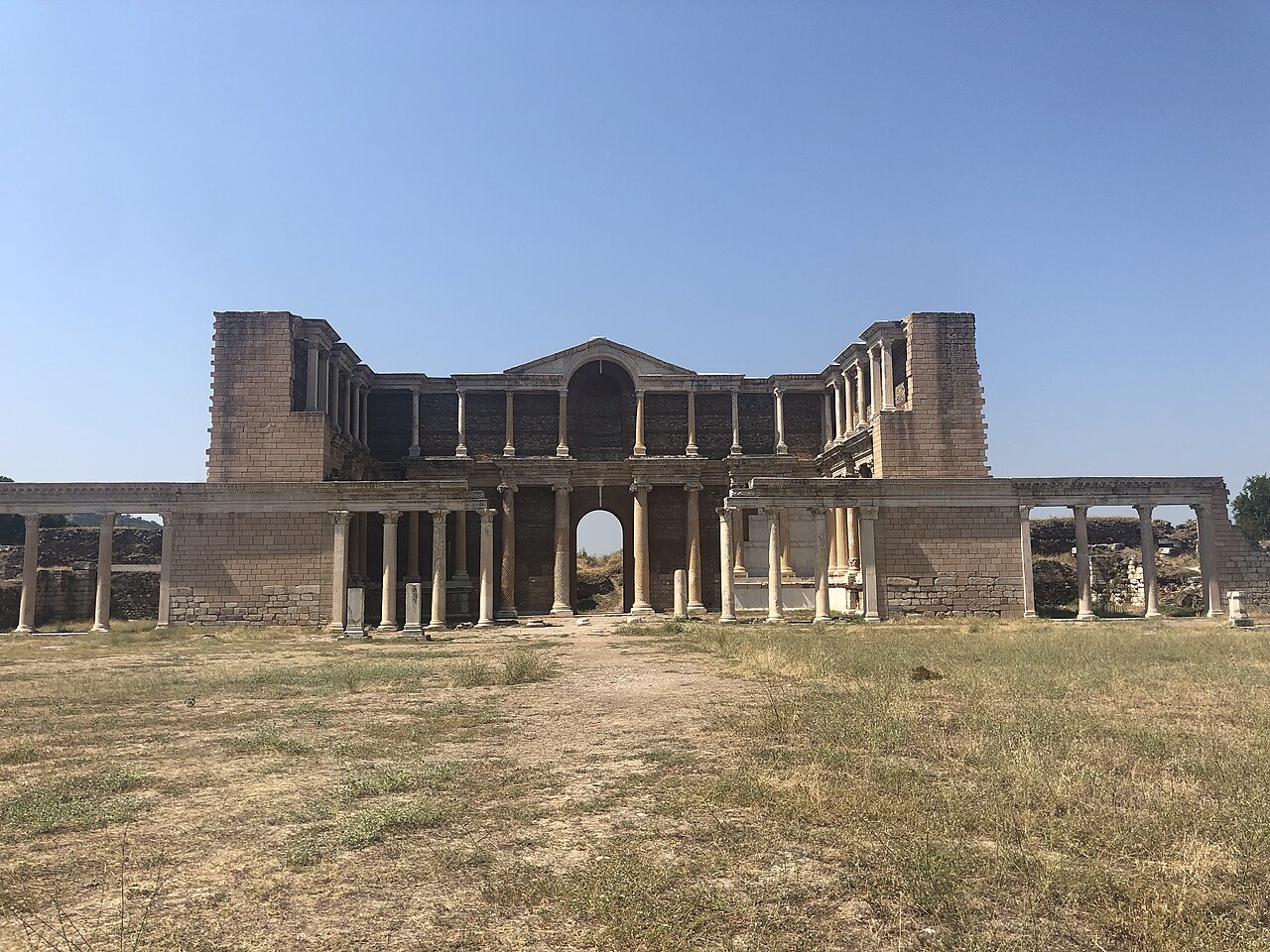
Begin with the Gymnasium, Bath and Synagogue, the largest group of remains and a vivid display of Roman public architecture alongside evidence of Sardis’s later Jewish community. Continue to the Temple of Artemis, where columns and foundations mark a sanctuary used across changing historical periods. The Roman road and Byzantine shops reveal the city at a human scale, bringing movement, trade and daily life into the wider monumental setting. The Acropolis offers a separate, elevated experience reached by a steep and arduous ascent.
Checked 2026-09-02 · Source
Allow at least two hours for the two principal visitor areas, including the transfer between them and enough time to study inscriptions, masonry and architectural fragments. The Gymnasium, Bath and Synagogue deserve unhurried attention before you continue to the Temple of Artemis, Roman road and Byzantine shops. Add extra time and energy for the Acropolis, whose route is steep and arduous. A longer visit makes it easier to connect Sardis’s Lydian, Roman and Byzantine stories instead of seeing isolated ruins.
Checked 2026-09-02 · Source
Much of Sardis is exposed archaeological ground, and the Acropolis route is steep and arduous. Cooler parts of the day can make walking between the ruins more comfortable, especially when you intend to spend time outdoors. Keep flexibility in your plan because the two visitor areas are separated by the highway. If your energy or time is limited, focus on the lower archaeological areas and treat the Acropolis as an optional addition to the visit.
Checked 2026-09-02 · Source
A single ticket covers both principal visitor areas, despite their separation of approximately 2 km. Published admission is 200 TL per person for Turkish citizens aged 8 and over, or €3 per person for foreign visitors aged 8 and over. Turkish citizens aged 65 and over enter free, and foreign children aged 8–18 enter free under the published conditions. Carry the relevant identity document if you are using an age or citizenship concession.
Checked 2026-09-02 · Source
Sardis is in Sart, approximately 9 km west of Salihli, beside the İzmir–Ankara highway. Salihli is the nearest practical base described for reaching the ruins, with regular buses and taxis serving the journey to Sardis. The two main entrances are on opposite sides of the highway and about 2 km apart. Include the transfer in your plan if you want to see both the Gymnasium group and the Temple of Artemis area in one outing.
Checked 2026-09-02 · Source
Sardis is an open archaeological landscape with uneven ground, not a fully level museum. Step-free access is limited overall, and the Acropolis ascent is particularly steep and arduous. Wear firm footwear and allow for physical effort in warm weather. The highway divides the principal visitor experiences, so moving between them requires attention and planning. The separation is approximately 2 km rather than a short transition between adjacent rooms. Keep the Acropolis optional if elevation or rough terrain would be uncomfortable.
Checked 2026-09-02 · Source
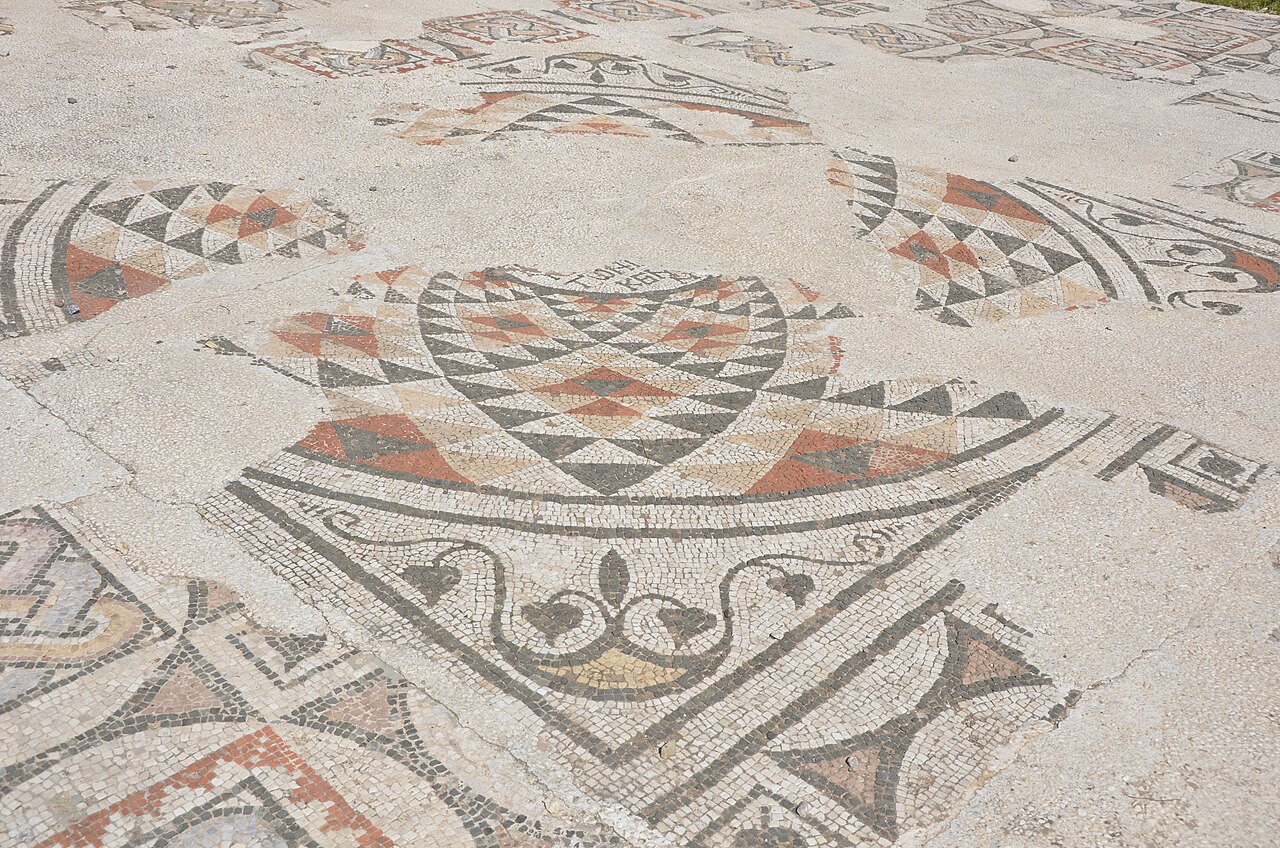
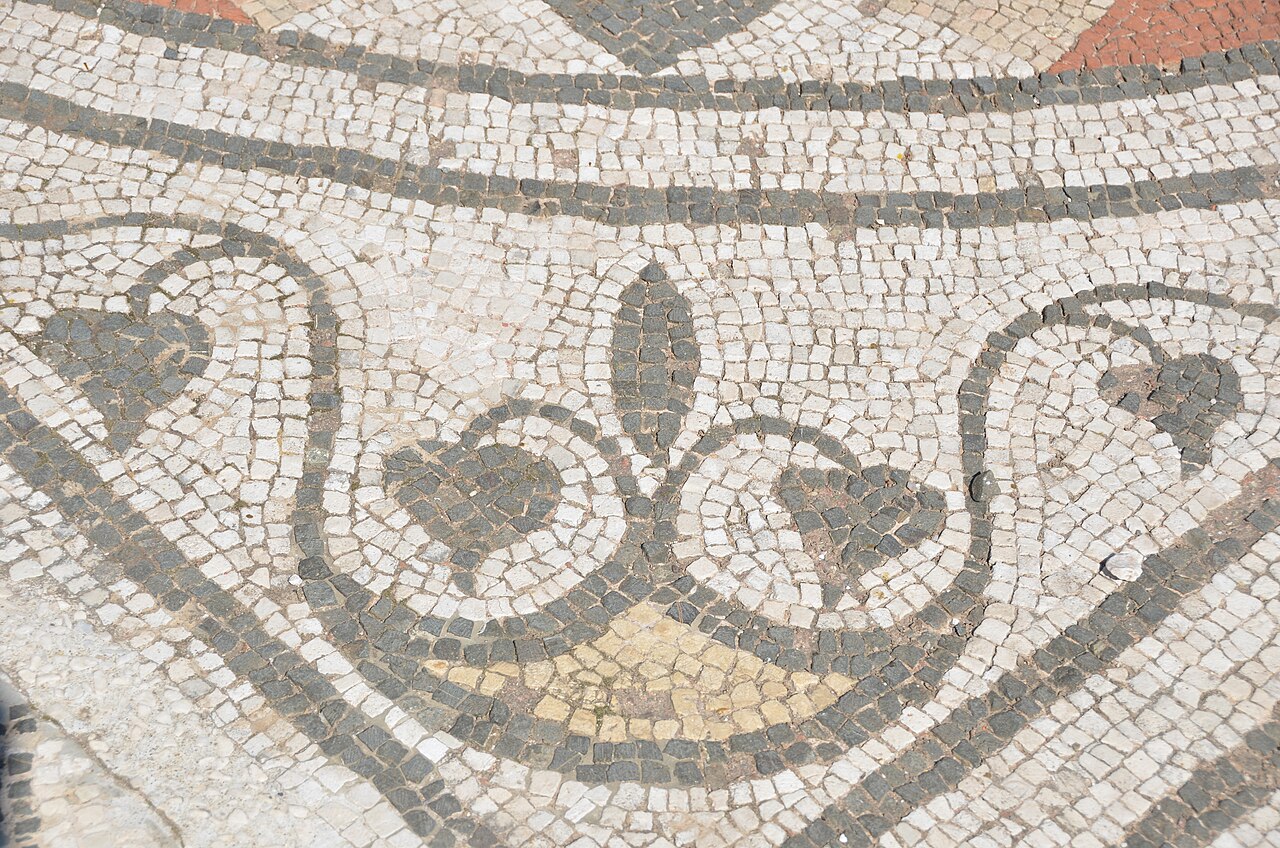
Use wide compositions at the Gymnasium, Bath and Synagogue to show the scale of Sardis’s Roman public complex, then move closer to masonry, inscriptions and architectural fragments. At the Temple of Artemis, frame columns and foundations with the surrounding sanctuary landscape. The Roman road and Byzantine shops provide human-scale details that distinguish later urban layers. The Acropolis offers an elevated geographical view, but its steep ascent makes it one element of a broader photographic route across both visitor areas.
Checked 2026-09-02 · Source
Ancient Sardis Ruins are in Sart, in Salihli district of Manisa, beside the İzmir–Ankara highway.
Sardis is approximately 9 km west of Salihli.
The principal remains include the Gymnasium, Synagogue, Bath, Temple of Artemis, Acropolis, Roman road and Byzantine shops.
No. Sardis has two main visitor areas on opposite sides of the İzmir–Ankara highway, about 2 km apart.
Yes. A single ticket covers both main visitor areas, which are approximately 2 km apart.
Sardis was the capital of the Lydian Kingdom and is associated with the earliest state-guaranteed coinage.
Loading the interactive map…
The interactive map could not be loaded.

Last updated:
Source: OpenStreetMap contributors ·