Mount Sipylus
Spil Dağı
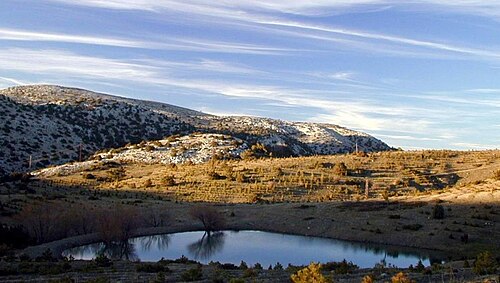
Mount Sipylus — Spil Dağı in Turkish — is the 1,513 m limestone massif standing immediately south of Manisa, the highest point on the city's skyline and the reason the city sits where it does.
- Must see
- Viewpoint
Language · 11 published
District guide · Manisa
Şehzadeler is the historic half of Manisa, on the lower slopes of Mount Spil. The Sultan Mosque, the Muradiye and the archaeological museum stand within a few hundred metres of each other here, and the bazaar streets run downhill from them. It is the district a visitor walks.
Editorial responsibility: Elena Voss · Roavina Travel Editor
Set your days, your pace and the hours you actually want to be out. The planner works around closing days and travel time, and leaves room to eat.
Ranked by importance — sitelinks, pageviews and heritage status, not editor preference.
25 places match
Category
Typical visit duration
Interests
Spil Dağı
Mount Sipylus — Spil Dağı in Turkish — is the 1,513 m limestone massif standing immediately south of Manisa, the highest point on the city's skyline and the reason the city sits where it does.
Spil Dağı Millî Parkı
Spil Dağı Milli Parkı is the protected forest on the mountain behind Manisa, opened to the public on 22 April 1968.
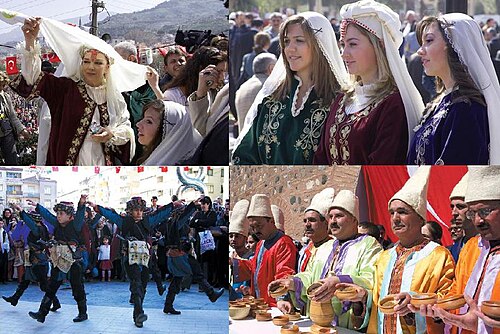
Once a year Manisa climbs onto the roof of a mosque and throws medicine at its own population.
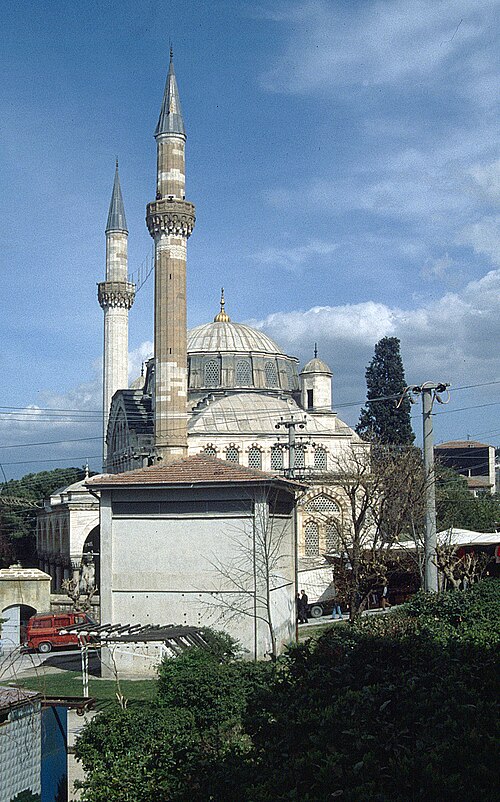
Sultan Camii
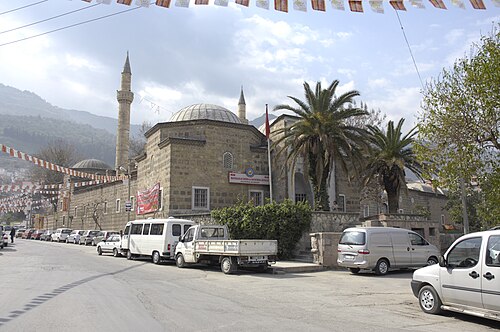
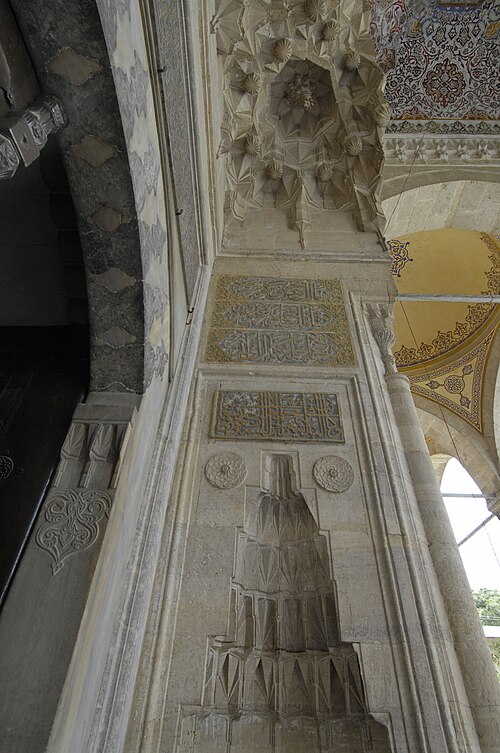
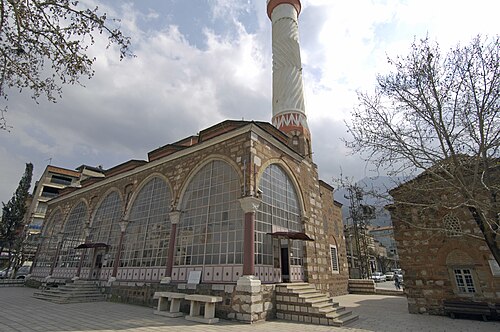
The Sultan Mosque is the centrepiece of Manisa and the reason the city has a festival.
Muradiye Külliyesi
The Muradiye Külliyesi is the walled compound Sultan Murad III endowed in Manisa, and it is the reason three of the city's sights sit within a few steps of each other.
Niobe Ağlayan Kaya
The Weeping Rock of Niobe — Ağlayan Kaya on the roadside marker — is a natural cliff formation on the northern flank of Mount Sipylus above Manisa, in Dere Mahallesi — formerly Karaköy — at Çaybaşı, along the stream of…
Ulu Camii
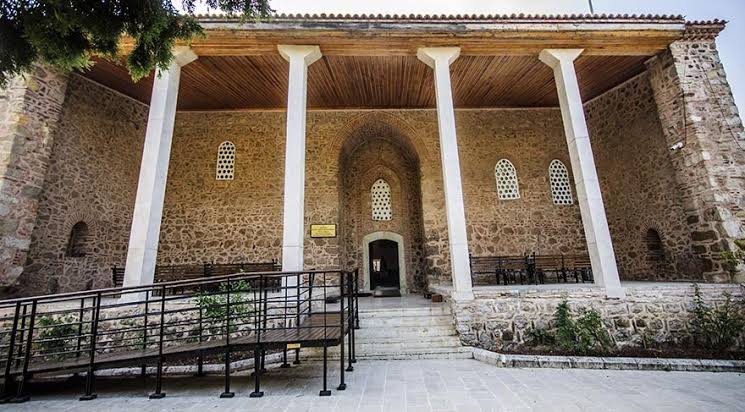
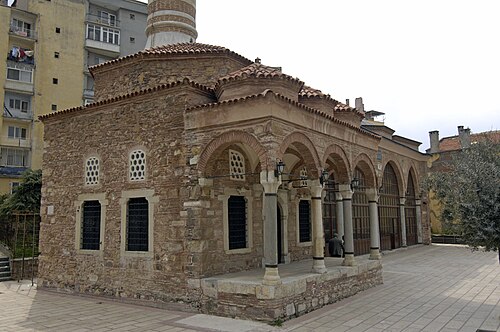
The Ulu Camii is the oldest important mosque in Manisa and the one that predates the Ottomans here.
Sandikkale
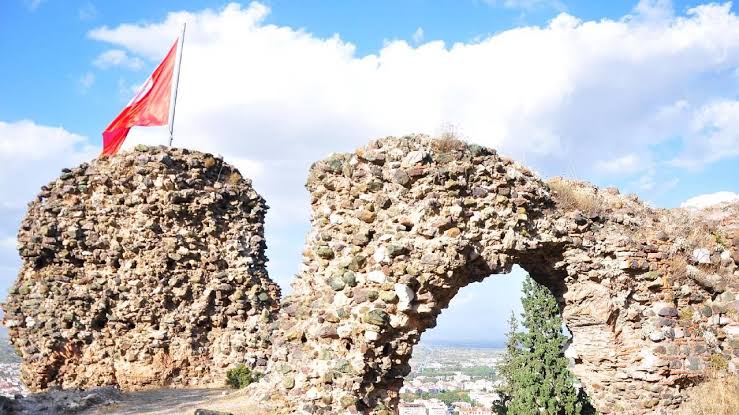
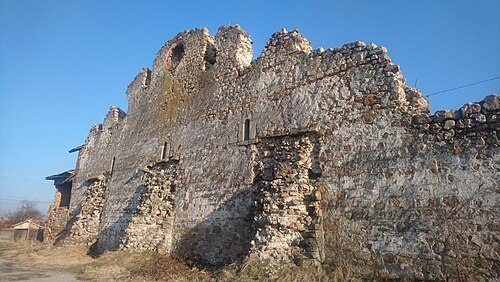
Sandıkkale is the inner citadel of the Byzantine-era Manisa Kalesi, on the north slope of Spil Dağı immediately above Manisa city centre, in the Turgutalp neighbourhood.
Hatuniye Cami
The Hatuniye Camii was built in 1490–91 by Şehzade Şehinşah, a son of Bayezid II, in honour of his mother Hüsnüşah Hatun.
Manisa Mevevihane Müzesi
The Manisa Mevlevihane is a Mevlevi dervish lodge built in 1368-69 by İshak Çelebi, grandson of the Saruhanoğlu ruler Saruhan Bey, on a slope at the foot of Spil Mountain.
Saruhan Bey Türbesi
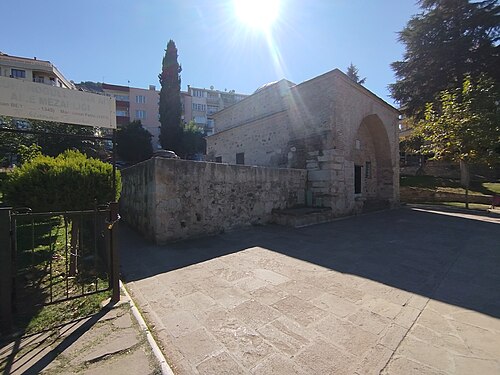
The tomb of Saruhan Bey is the oldest dated monument in Manisa's historic quarter, built in 1345 by his grandson İshak Çelebi.
Manisa Hafsa Sultan Şifahanesi
The Hafsa Sultan Hospital Museum is the surviving hospital wing of the Sultan Camii complex, the külliye Ayşe Hafsa Sultan — wife of Selim I and mother of Süleyman the Magnificent — commissioned in Manisa in 1522, where she lived…
Muradiye Cami
The Muradiye is the mosque Mimar Sinan designed for Manisa, built between 1583 and 1586 for Sultan Murad III. It replaced a smaller mosque begun on the site in 1571 and is the finest Ottoman building in the city.
Tarihi Lokomotif 56507
Tarihi Lokomotif 56507 is a preserved steam locomotive displayed beside Manisa railway station in Şehzadeler. Henschel & Sohn of Kassel built the engine in 1943, and its builder’s construction number is 27741.
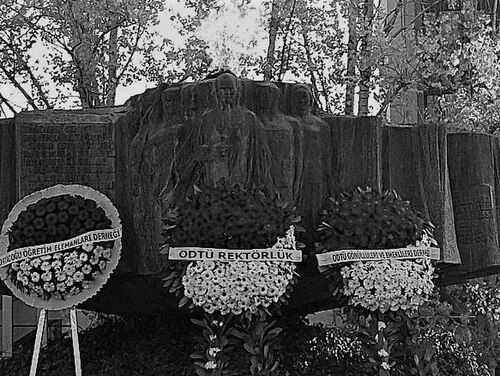
Atatürk Anıtı, officially named Atatürk ve Milli Egemenlik Anıtı, stands in Cumhuriyet Meydanı in Manisa’s Şehzadeler district.
Çeşnigir Cami
The Çeşnigir Camii of 1474 is one of the oldest mosques in Manisa, built by Çeşnigir Sinan Bey — a man who had been enslaved and was freed by Mehmed II, the sultan who took Constantinople.
Kırtık Mezarlığı
Kırtık Mezarlığı is the largest cemetery in Manisa, a Muslim civil burial ground of 333,000 m² in Şehzadeler, still in use. It is also known as Kırtık Asri Mezarlığı or the Manisa Municipality Asri Cemetery.
Manolya Meydanı is a named public square in central Manisa where everyday movement, meetings and civic activity come together.
Yeni Han
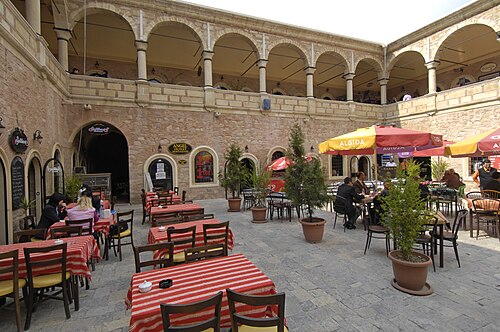
Yeni Han is a two-storey trading inn in Şehzadeler, Manisa, organised around an internal courtyard. Its identity comes from this inward-facing arrangement: rooms and businesses meet the open centre, creating a compact architectural space within the city’s everyday commercial fabric.
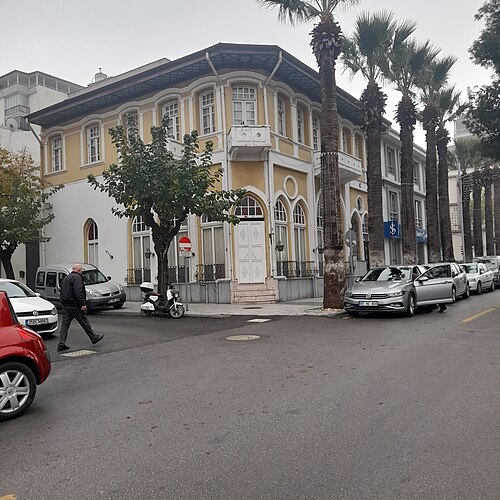
Park Otel (Demokrat Parti Lokali) is a compact two-storey masonry heritage building at the corner of Atatürk Bulvarı and 1205 Sokak in Manisa’s Nişancıpaşa neighbourhood.
Kurşunlu Hanı is a late-fifteenth-century Ottoman han in Manisa, built in 1488 as part of the Hatuniye Külliyesi beside Hatuniye Mosque. Hüsnüşah Sultan, the wife of Sultan Bayezid II, commissioned the building.
Müftü Alim Efendi Evi is a registered historic residence in Çarşı Mahallesi, within Manisa’s Şehzadeler district, at the junction of Dr. Sadık Ahmet Caddesi and Dumlupınar Caddesi.
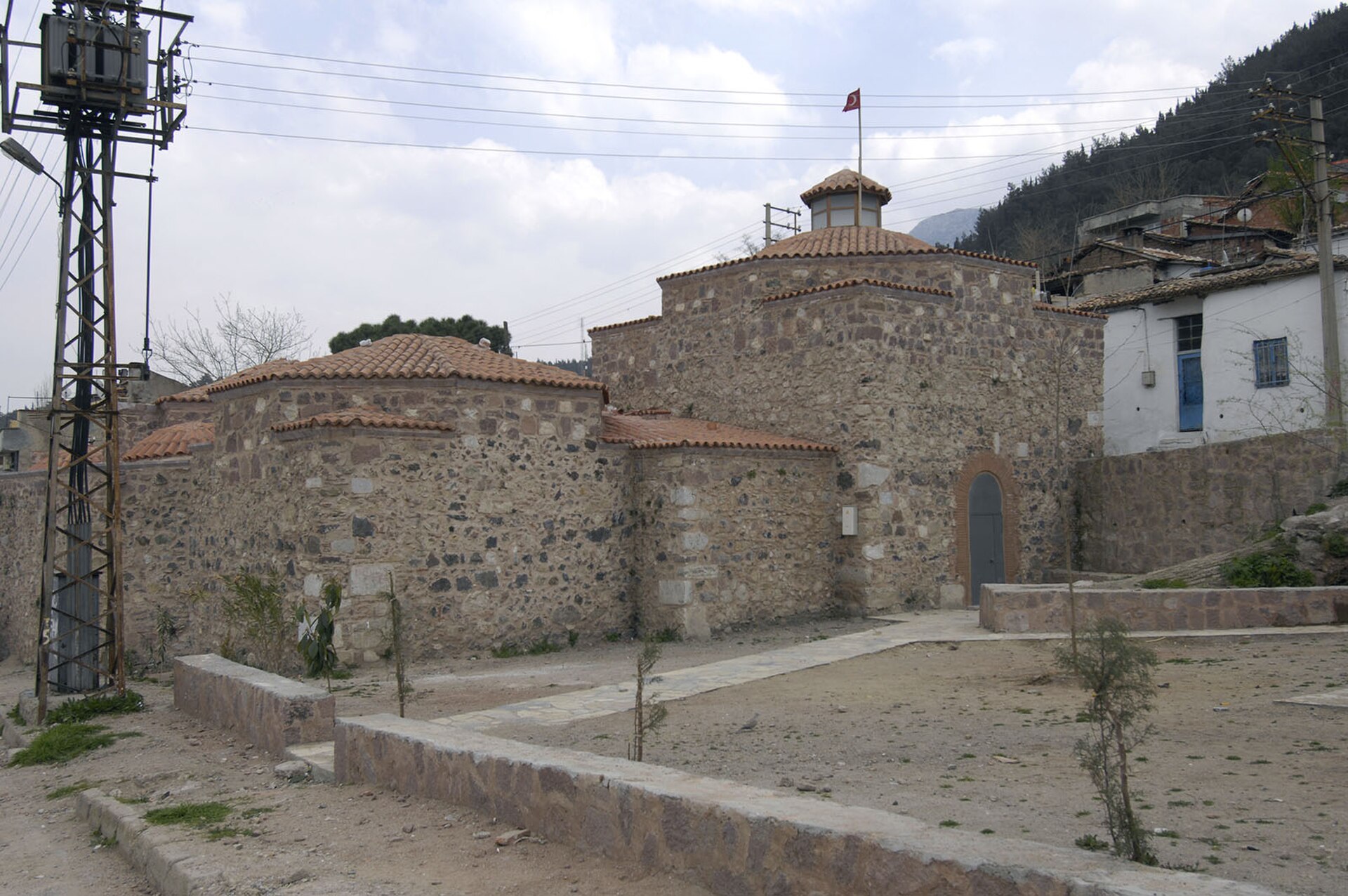
Sultan Hamamı is a protected Ottoman double bathhouse in central Manisa, built in 1539 according to the official cultural inventory.
Rum Mehmet Paşa Hanı, also known as Rum Mehmet Paşa Bedesteni, is a restored historic covered commercial building in Manisa’s Çarşı Mahallesi.
Turan Bayraktepe Seyir Terası is a mountain viewpoint in the summit area of Spil Dağı Milli Parkı above Manisa. Its character comes from the open mountain setting and the elevated outlook, rather than from an enclosed exhibition or built collection.
Source: OpenStreetMap contributors, Wikidata ·