

117 min walk
Lake Bafa
- Must see · Heritage site
- Nature site
Language · 11 published
Historic monument · Muğla
Yediler Manastırı
Reviewed by Elena Voss · Roavina Travel Editor
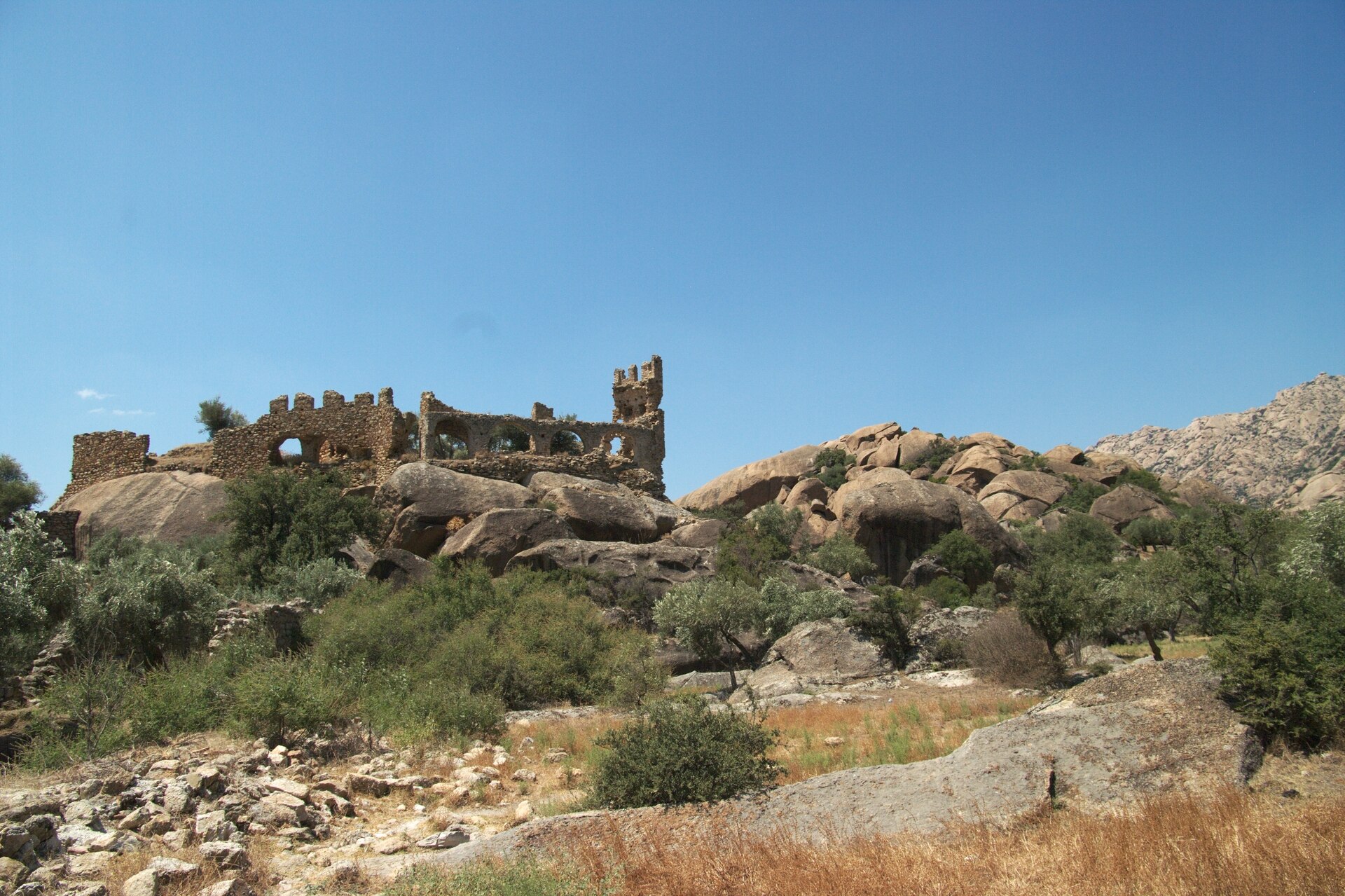
This place is a Archaeological site.
Kellibaron Monastery is the site identified in official material as Yediler Monastery, set near Gölyaka village in Bafa Mahallesi, Milas, Muğla. Its character comes from the combination of monastic remains, painted decoration and the Beşparmak, or Latmos, mountain setting. The approach leaves the village and follows a signed mountain footpath, making the monastery a destination within the landscape rather than a roadside building. Courtyards, fortified areas and surviving religious spaces give the site a distinct identity. The Muğla Provincial Directorate of Culture and Tourism is identified as responsible for the site.
Checked 2026-09-02 · Source
The remains form a connected monastic settlement rather than a solitary chapel. Look for courtyards, fortified upper and lower areas, monastic cells and chapels, then continue to the refectory area, kitchen structures and storerooms. Together these spaces show how worship, communal meals, domestic work and storage belonged to one mountain complex. Fresco remains provide the most distinctive visual details. Recorded subjects include the raising of Lazarus, the Crucifixion, the tomb and the Anastasis, as well as scenes from the life and death of Jesus. Read the complex room by room, allowing its different functions to emerge from the surviving fabric.
Checked 2026-09-02 · Source
Kellibaron Monastery works best as a substantial half-day outing or longer, depending on the pace of the mountain walk and the time spent exploring the remains. Allow space for both the outward and return journeys from Gölyaka, as well as pauses in the courtyards, fortified areas, cells and chapels. Visitors who want to examine the fresco subjects closely will need unhurried observation rather than a quick circuit. The total duration depends on walking conditions, weather, footing and photography stops, so include the return route in the plan from the beginning. Combining the approach and the complex in one visit leaves room for careful looking.
Checked 2026-09-02 · Source
Plan the visit around the mountain approach and available daylight. A walking period with manageable weather and firm conditions will make the Beşparmak terrain easier to negotiate, while an early start leaves time for the monastery and the return to Gölyaka. The Directorate’s inspection responsibility describes site stewardship, not a visitor timetable. Daylight, weather and route conditions are the practical limits that matter most for this visit.
Checked 2026-09-02 · Source
No supported admission tariff, ticket booth, staffed entrance or payment facility is recorded for Kellibaron Monastery. The admission price should therefore be treated as unavailable rather than assumed to be free. Plan the mountain outing independently of a published ticket amount and bring what you need for the walk. This reflects the documented admission position without turning an absence of pricing information into a claim about free admission. The site’s remote approach is a practical consideration, but it is not evidence of a charge or of free admission.
Checked 2026-09-02 · Source
Use Gölyaka as the public-transport access point. MUTTAŞ route 4-48 serves the Milas–Bafa–Gölyaka–Kapıkırı route; after reaching Gölyaka, follow the signed footpath toward Yediler Monastery. The final approach continues on foot through the Beşparmak, also called Latmos, mountain terrain, so arrival is a two-stage journey rather than a bus stop beside the ruins. Check the route information before setting out, and reserve daylight and energy for the walk after leaving the bus. The signed path provides the concrete connection from the village to the archaeological complex.
Checked 2026-09-02 · Source
The principal challenge is the foot approach through Beşparmak/Latmos terrain and the uneven ground around the remains. Wear footwear suited to a mountain path, keep enough daylight for the return to Gölyaka, and move carefully between the courtyards, fortified sections and cells. The monastery contains fragile archaeological fabric and painted surfaces: do not touch, climb or lean on surviving structures or frescoes. Stop securely before taking photographs, and treat the route and the ruins as one continuous outdoor visit. Careful movement protects both visitors and the surviving historic fabric.
Checked 2026-09-02 · Source
Photograph Kellibaron Monastery in layers: begin with the fortified upper and lower areas against the Beşparmak landscape, then move closer to the courtyards, chapels, cells and communal structures. The surviving fresco subjects give detail images a strong focus, especially the raising of Lazarus, the Crucifixion, the tomb and the Anastasis. A wider sequence can show how the refectory area, kitchen structures and storerooms belong to one complex. Compose from stable ground and keep bags, tripods and equipment away from archaeological fabric and painted surfaces. The contrast between painted interiors and rugged mountain surroundings gives the site its strongest photographic story.
Checked 2026-09-02 · Source
Kellibaron Monastery is in Gölyaka village, within Bafa Mahallesi of Milas, Muğla.
Official material also identifies the site as Yediler Monastır, or Yediler Monastery.
The Muğla Provincial Directorate of Culture and Tourism is identified as responsible for the site and conducts routine inspections.
The complex includes courtyards, fortified upper and lower areas, monastic cells, chapels, a refectory area, kitchen structures and storerooms.
Yes. Recorded subjects include the raising of Lazarus, the Crucifixion, the tomb and the Anastasis, together with scenes from the life and death of Jesus.
MUTTAŞ route 4-48 serves Gölyaka on the Milas–Bafa–Gölyaka–Kapıkırı route; from Gölyaka, follow the signed mountain footpath toward Yediler Monastery.
Loading the interactive map…
The interactive map could not be loaded.

Last updated:
Source: OpenStreetMap contributors, Wikidata ·