


251
45 min
Akhisar Kalesi
Akhisar Kalesi is the separately mapped castle feature that gives a physical focus to Akhisar’s name in central Manisa.
- Notable
- Historic monument
- Manisa
Country guide
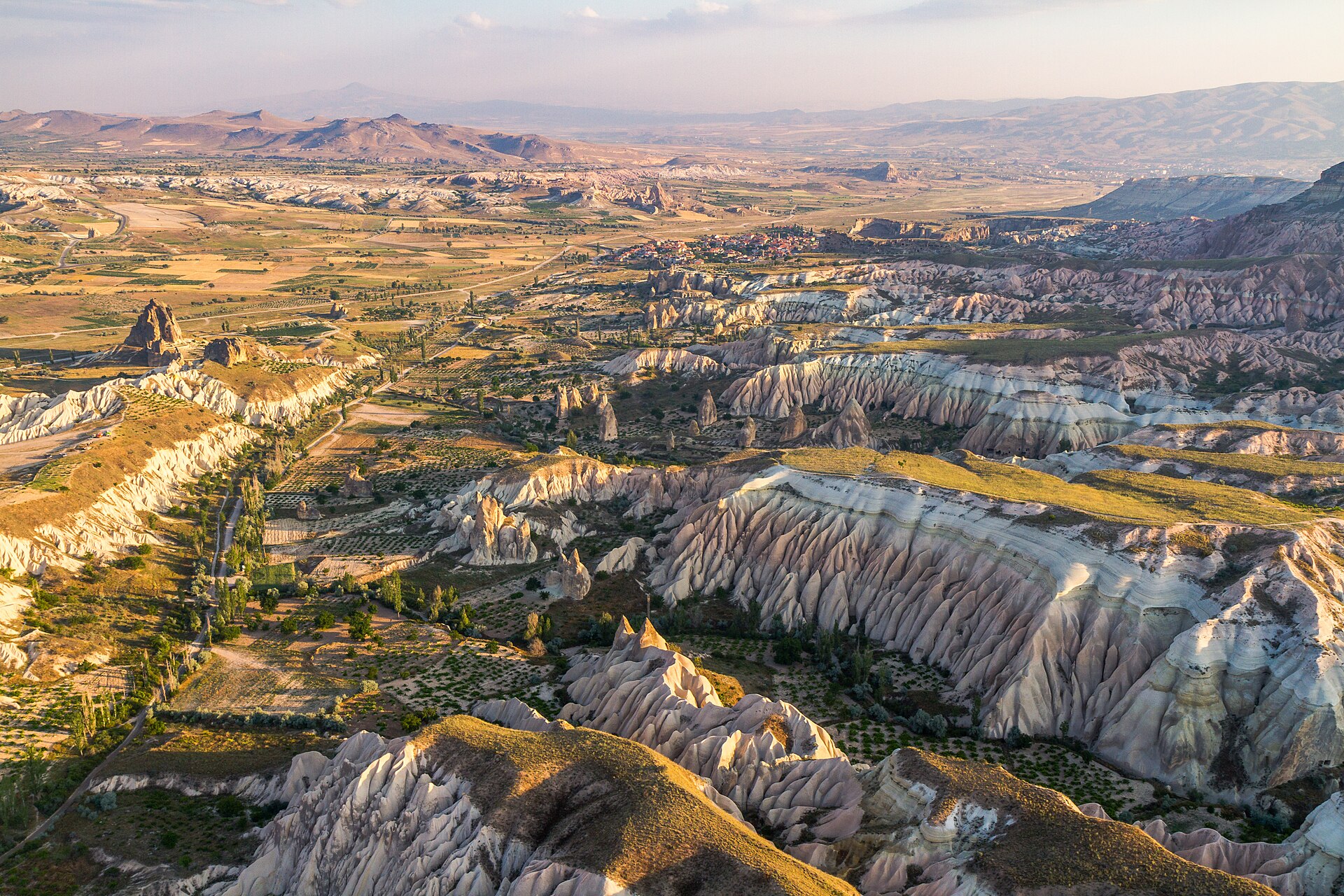
Türkiye is 783,562 km² across 81 provinces, most of it Anatolia in West Asia with East Thrace on the European side of the straits. It has three coasts to choose...
Photograph · Benh LIEU SONG · CC BY-SA 4.0
Reviewed by Elena Voss · Roavina Travel Editor
Türkiye is 783,562 km² across 81 provinces, most of it Anatolia in West Asia with East Thrace on the European side of the straits. It has three coasts to choose between — the Black Sea to the north, the Aegean to the west, the Mediterranean to the south — and an interior plateau that behaves like a different country in winter. Istanbul is the largest city and the economic centre, Ankara the capital and the second-largest, and the December 2025 population of 86,092,168 is weighted heavily to the west. A first trip is usually Istanbul and one coast; the plateau is the second trip.
Checked 2026-08-25
Every city catalogued in this country so far, ranked by how much there is to see.
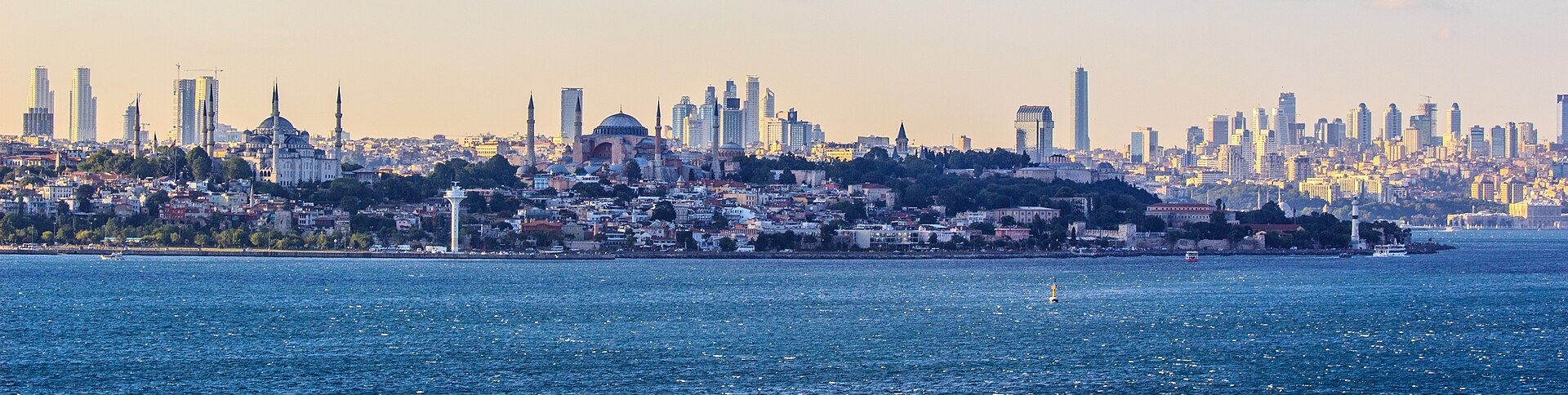
Photograph · Ben Morlok · CC BY-SA 2.0
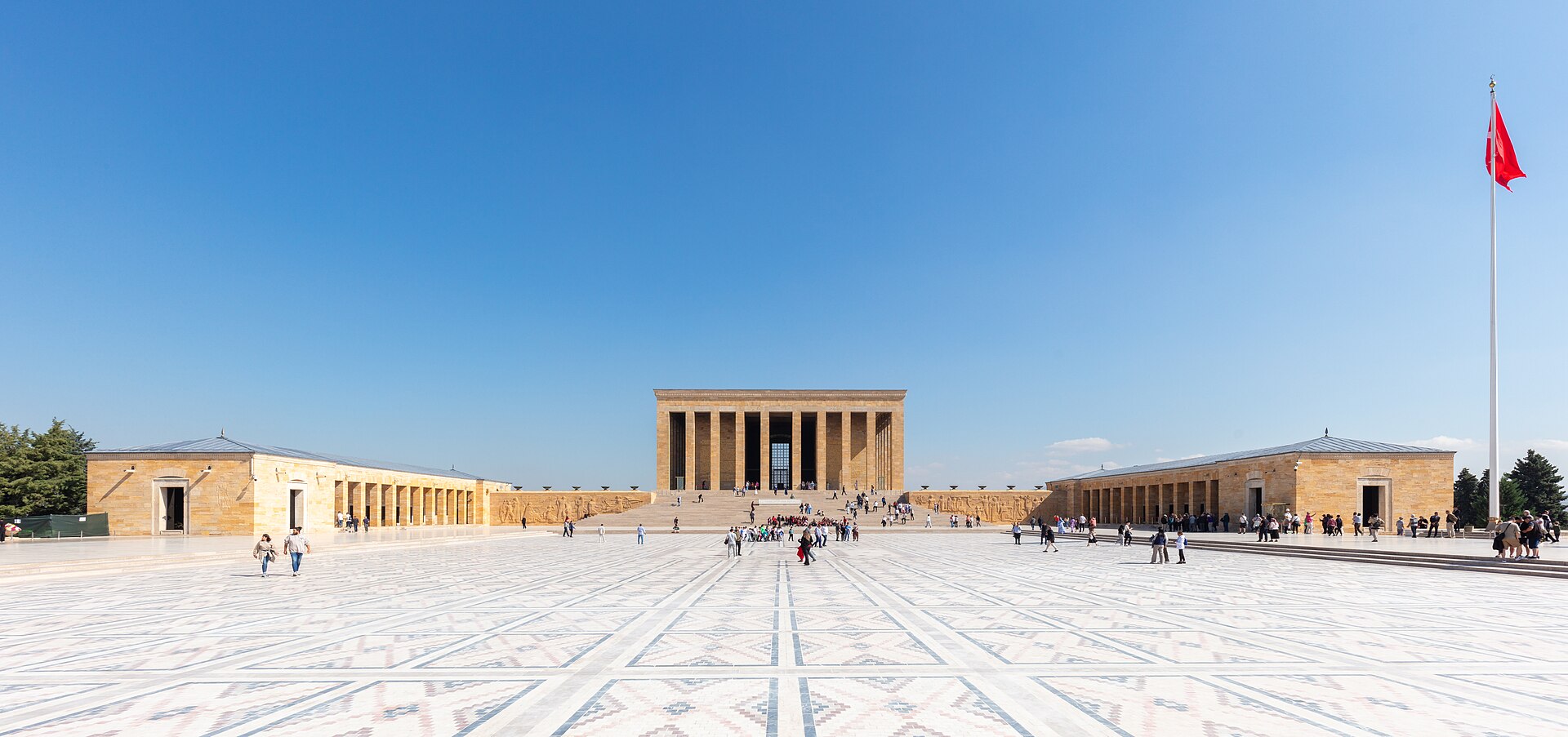
Photograph · Diego Delso · CC BY-SA 4.0
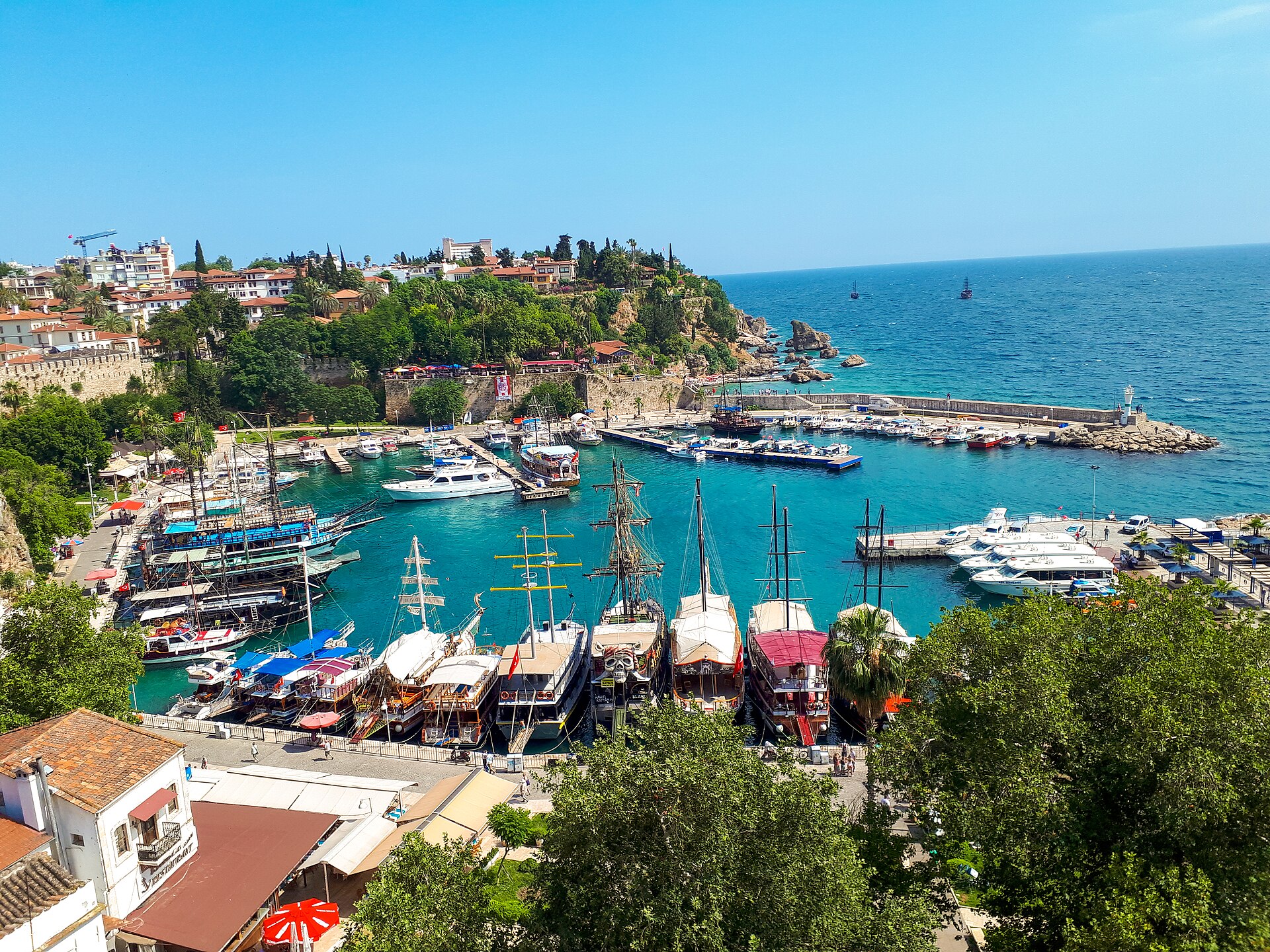
Photograph · REHBER0770 · CC BY-SA 4.0
Photograph · Anonymous · CC0
Photograph · Dan Taylor · CC BY 2.0
Photograph · Dogaaunlu · CC BY-SA 4.0
Photograph · Egemenakgul · CC BY-SA 4.0
Ranked by importance — sitelinks, pageviews and heritage status, not editor preference.
421 places match
Category
Typical visit duration
Interests
Akhisar Kalesi is the separately mapped castle feature that gives a physical focus to Akhisar’s name in central Manisa.
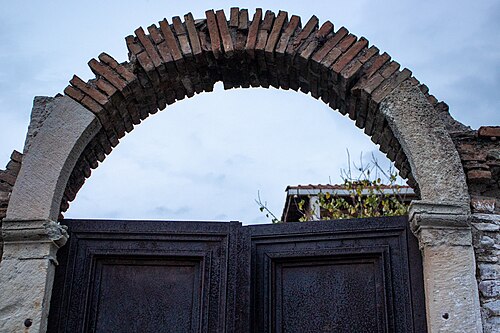
Akhisar Sinagogu is a surviving Jewish-heritage fragment in Paşa Mahallesi, Akhisar, rather than a complete synagogue preserved as a conventional attraction. Historical material identifies it with Akhisar’s former Jewish community, while the visible survival is chiefly the historic doorway.
Akropol is the walled upper settlement within Pedasa, a Lelegian archaeological site in the wooded hills north of Bodrum.
Akropolis is the elevated fortified quarter within the Iasos archaeological site at Kıyıkışlacık in Milas, Muğla. Unlike a standalone monument, it is one identifiable part of a peninsula settlement surrounded by sea on three sides.
Aktüel Traverten Oluşumu is the Cambazlı travertine formation near the Urganlı geothermal area in Turgutlu district, Manisa. It is an outdoor geological landscape within the Turgutlu Neogene basin, at the western end of the Gediz Graben.
Akvaryum Koyu
Akvaryum Koyu is a natural cove on the Bozburun Peninsula, reached as a sea stop rather than a conventional beach complex. Its identity comes from the contrast between clear-looking water and an undeveloped coastal setting.
Akyapı is a large Roman-period building complex within Ören, a settlement in Muğla’s Milas district and the setting associated with ancient Keramos.
Alakilise is an Early Byzantine basilica in the Belören area, preserved as part of the wooded Lycian Way landscape. The responsible public body dates the church to the 5th–6th centuries.
Alazeytin Kalesi / Syangela is a Leleg settlement spread over a conical hill in Çiftlik Mahallesi, within Bodrum district of Muğla Province.
Ali Guven is a named outdoor monument in Bodrum’s Çarşı, commemorating a local sandal-maker rather than a military leader, ruler, or archaeological site.
Altıkapı Türbesi is a 13th-century Seljuk-era tomb in Kavaklıönü, within Ürgüp town centre in Nevşehir Province. Ürgüp Municipality identifies it as a monument known to belong to a mother and her two daughters.
This mapped feature is a short natural underwater tunnel in the Kabak coastal area near Faralya, within the wider Fethiye diving zone. It is reached through the sea rather than through a land entrance.
Ambar gediği is an open-air memorial recorded as a historic=memorial feature near Bozkonur Tepesi in Dalaman district, Muğla Province, Türkiye. It is a small, place-specific point of interest rather than a museum, staffed monument complex or enclosed attraction.
Amfi Tiyatro is the open-air performance venue within Milas Municipality’s Atatürk Kültür Merkezi complex in Hayıtlı Mahallesi.
Amos amphitheatre
Amos amphitheatre is the surviving theatre of an ancient Hellenistic settlement on Asarcık Hill, above the north-western side of Kumlubük Bay near Marmaris.
amfi tiyatro
Amfi Tiyatro is the surviving theatre within Kadyanda, also known as Cadianda Ancient City, in the uplands near Fethiye, Muğla.
Bodrum’s Amphitheatre is the ancient theatre of Halicarnassus, built into the southern slope of Göktepe in Yeniköy Mahallesi. Dating to the 4th century BC, it connects modern Bodrum with the classical city.
Anchor was a former restaurant, cafe and bar at Manastır Caddesi 3 in Güllük, within Milas district of Muğla. Its recorded identity belongs to a casual coastal hospitality venue, not to a monument, museum or ticketed attraction.
Ancient Loryma is the archaeological site identified with Bozukkale, on the hill at the entrance to Bozukkale Bay on the Bozburun Peninsula in Marmaris district of Muğla.

Ancient Sardis Ruins preserve Sardis, capital of the Lydian Kingdom, in Sart in Salihli district of Manisa. Lydian, Persian, Hellenistic, Roman and Byzantine layers meet across this open archaeological landscape.
Ancient site at Sarıçam is a recorded archaeological area in Saruhanlı district of Manisa Province.
The Ancient Theater is a roughly 5,000-seat performance space within Kaunos Ancient City in Çandır, across the Dalyan River from Dalyan in Muğla Province.
Ancient Water Reservoir is a small water-management structure on Gemile Island, off Fethiye in Muğla Province. Its importance comes from its setting: an inhabited island needed dependable ways to collect and store water alongside churches, tombs and settlement buildings.
Ancient water well is a mapped archaeological feature in the Söğüt area of Marmaris district, Muğla, at 36.65638, 28.08556. It is associated with the ancient settlement known as Thyssanos, also called Saranda in municipal visitor material.
Anfi Tiyatro is an open-air performance venue in Turgutreis, Bodrum, Muğla, also identified in municipal event information as Turgutreis D-Marin Amfi Tiyatro. Its stepped seating faces an outdoor stage beside the D-Marin waterfront and near Şevket Sabancı Parkı.
Ten to fourteen days allows about four days in İstanbul and at least three around Antalya when coastal archaeology is included. Cappadocia needs its own regional stay, and a one-way coastal route is more workable than returning to the same city each night.
Türkiye's visa position varies by passport and purpose. Verify the rule through the Ministry of Foreign Affairs and, when eligible, use only the official e-Visa service rather than an intermediary.
İstanbul's two airports and Antalya are the principal gateways for this itinerary. Domestic flights cover long cross-country legs, coaches serve many city pairs, and high-speed rail is most useful on the İstanbul-Ankara axis rather than as a universal substitute.
April to May and September to October are broad choices for combining İstanbul with the Mediterranean coast. Cappadocia nights, inland heat, and Antalya's coastal conditions differ, so confirm weather for each overnight base.
Türkiye uses the Turkish lira (TRY). Keep lira available for smaller transport and market transactions even when cards are accepted, and review the displayed amount in TRY before agreeing to any card conversion.
Dial 112 for emergencies in Türkiye. Electricity is 230 V through Type C and F sockets; tap-water safety is not recorded here, so obtain current local advice at each stop.