Asarlik Kale
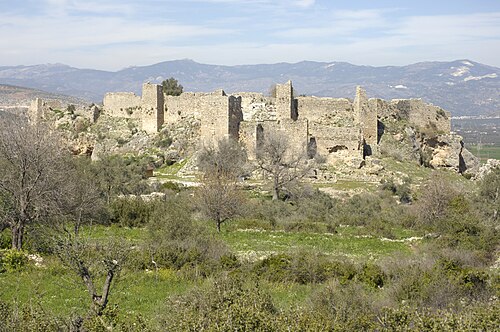
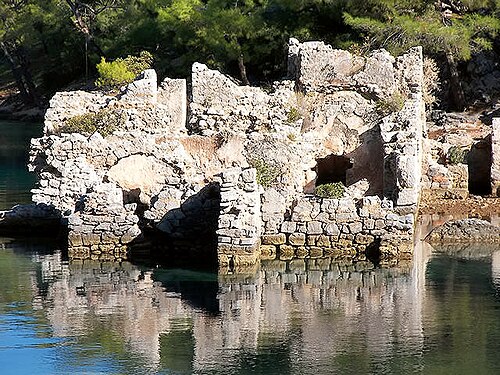
Asarlik Kale is a hilltop archaeological ruin near Taşlıca in Marmaris district, where the remains are encountered in their original rural setting rather than inside a restored building or museum.
- Notable
- Historic monument
- Muğla
Language · 11 published
Country guide
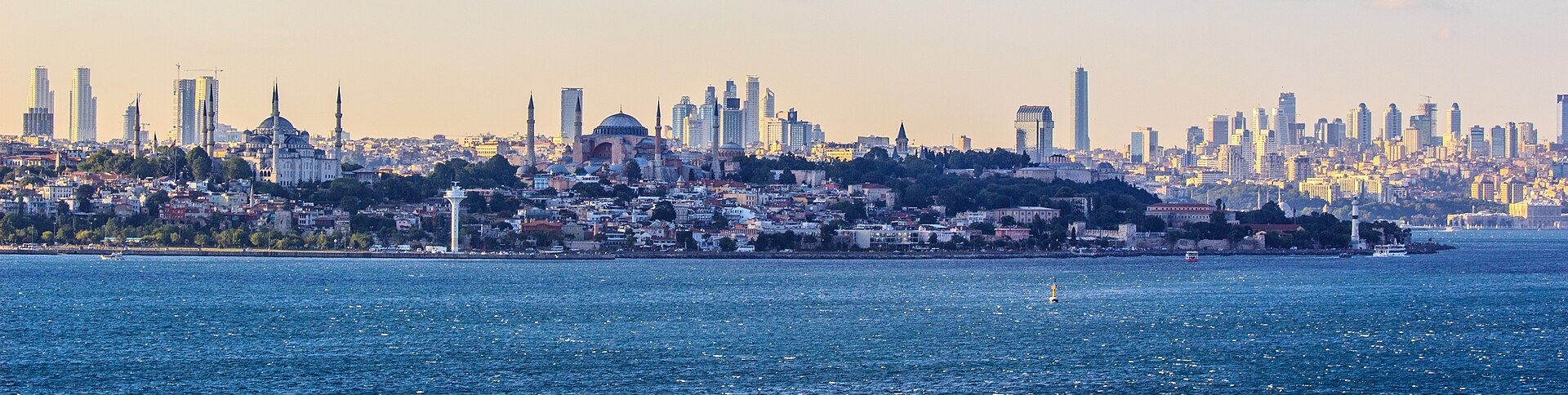
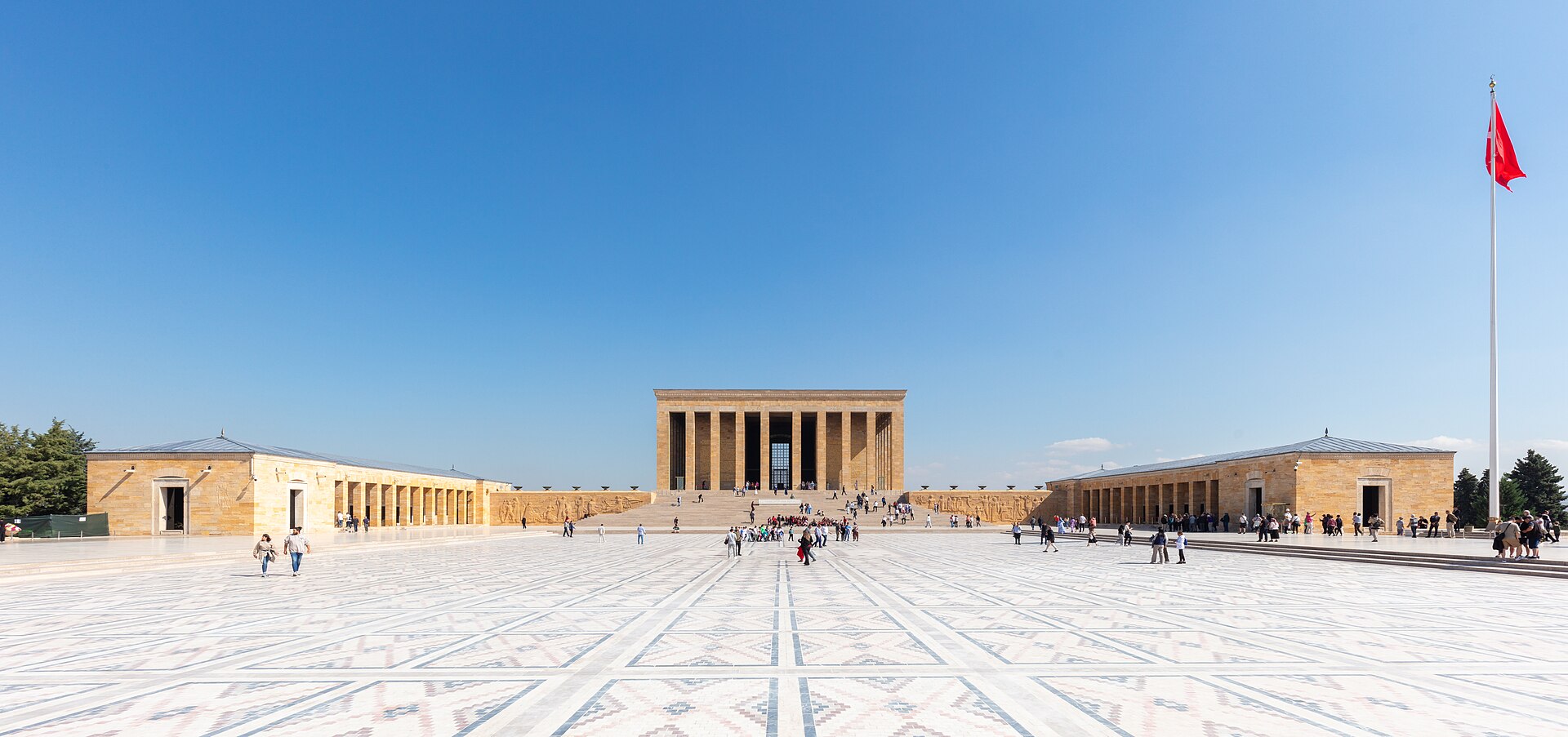
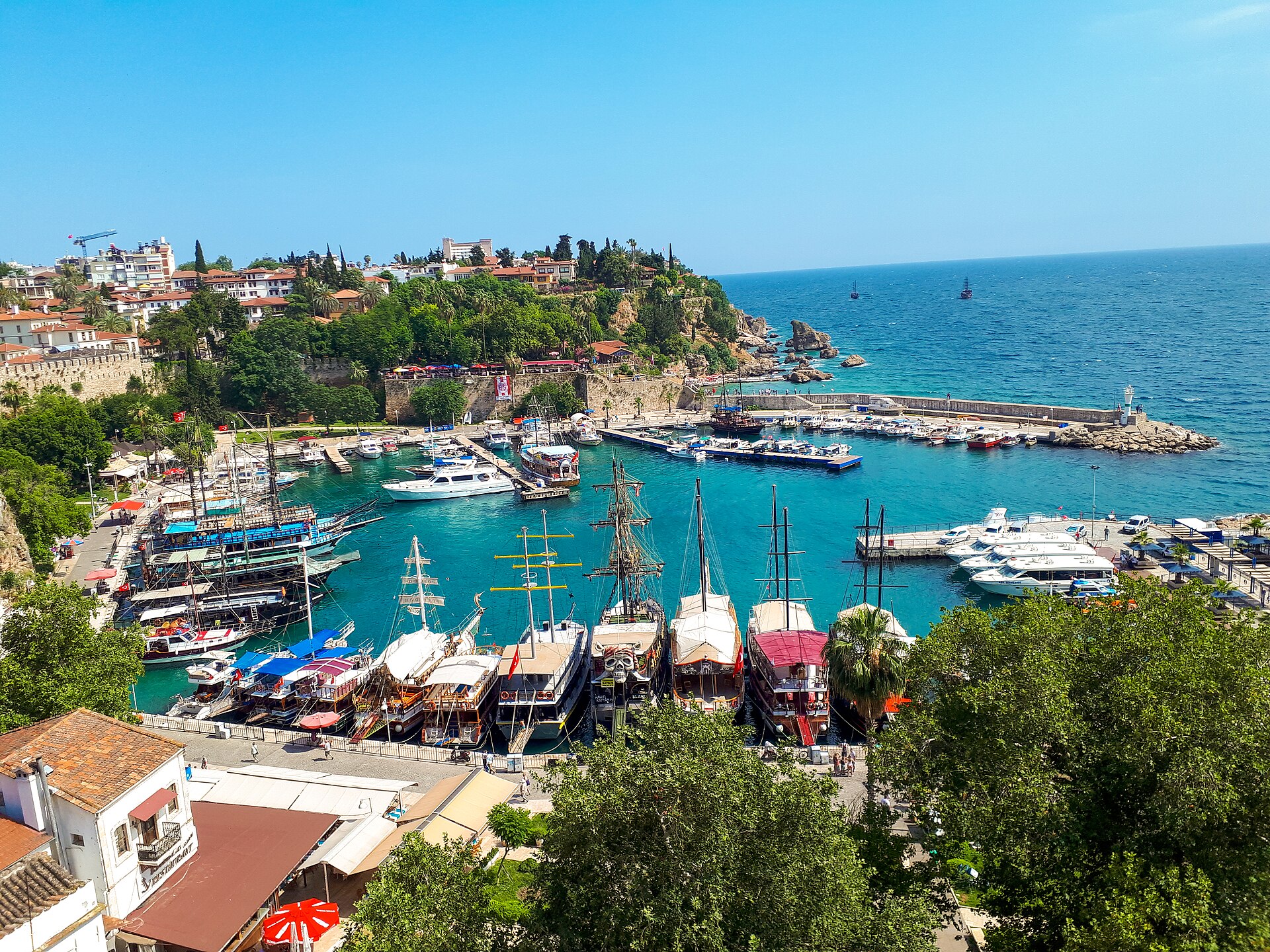
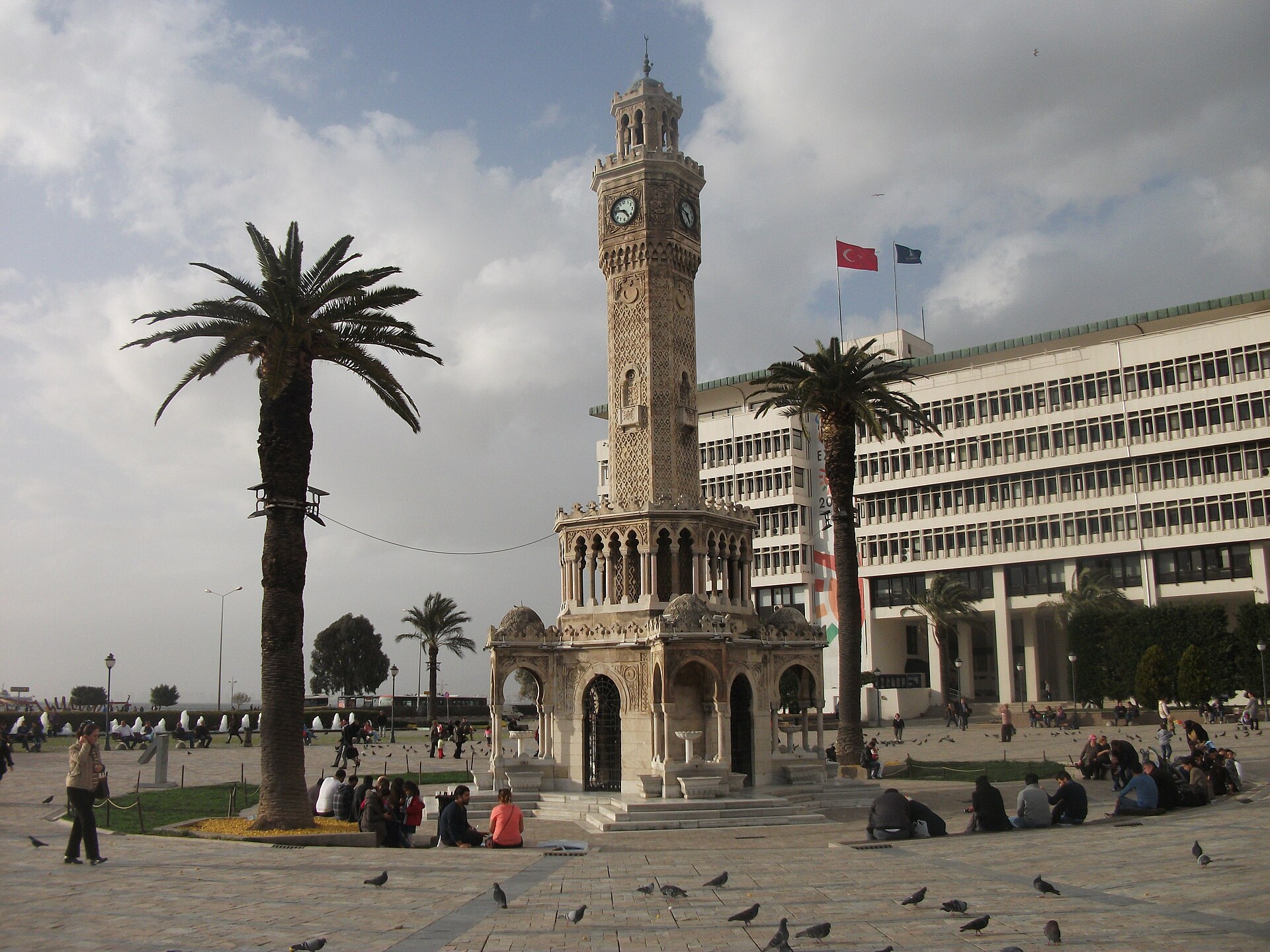
Türkiye is 783,562 km² across 81 provinces, most of it Anatolia in West Asia with East Thrace on the European side of the straits. It has three coasts to choose between — the Black Sea to the north, the Aegean to the west, the Mediterranean to the south — and an interior plateau that behaves like a different country in winter. Istanbul is the largest city and the economic centre, Ankara the capital and the second-largest, and the December 2025 population of 86,092,168 is weighted heavily to the west. A first trip is usually Istanbul and one coast; the plateau is the second trip.
Reviewed by Elena Voss · Roavina Travel Editor
Every city catalogued in this country so far, ranked by how much there is to see.
Photograph · Ben Morlok · CC BY-SA 2.0
Photograph · Diego Delso · CC BY-SA 4.0
Photograph · REHBER0770 · CC BY-SA 4.0
Photograph · Anonymous · CC0
Photograph · Dan Taylor · CC BY 2.0
Photograph · Dogaaunlu · CC BY-SA 4.0
Photograph · Egemenakgul · CC BY-SA 4.0
Ranked by importance — sitelinks, pageviews and heritage status, not editor preference.
438 places match
Category
Typical visit duration
Interests
Asarlik Kale is a hilltop archaeological ruin near Taşlıca in Marmaris district, where the remains are encountered in their original rural setting rather than inside a restored building or museum.
Asklepion
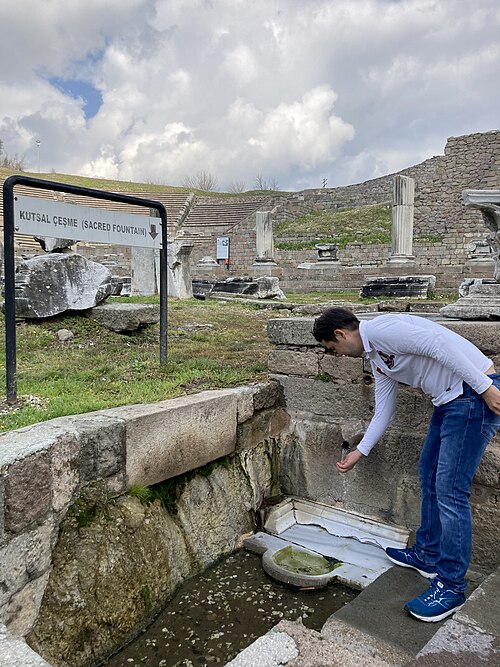
Asklepion is Pergamon’s ancient healing sanctuary, founded in the 4th century BC for Asklepios, the god associated with medicine. Its identity comes from the way a sacred precinct organised healing, movement and public experience together.
Aşıklı Dağı Günbatımı Alanı is an open-air sunset viewpoint on the slopes of Aşıklı Dağı, in Nevşehir’s Merkez district near Göre and Güvercinlik.
Asklepion is a healing sanctuary near Bergama, arranged as a connected landscape of approach, worship, public gathering and treatment. The long Via Tecta leads towards the monumental propylon and the principal sacred area.
Asmalı Konak is a historic Ürgüp building now presented by its operator as Asmalı Konak Cave Suites, a hotel with restaurant and cafe services.
Atatürk Anıtı, officially named Atatürk ve Milli Egemenlik Anıtı, stands in Cumhuriyet Meydanı in Manisa’s Şehzadeler district.
Atatürk Anıtı is an outdoor civic monument in the open area before Nevşehir Hükümet Konağı. It is not a museum or enclosed attraction; its significance comes from its place within the city’s administrative landscape and public commemorative life.
Avcılar vadisi
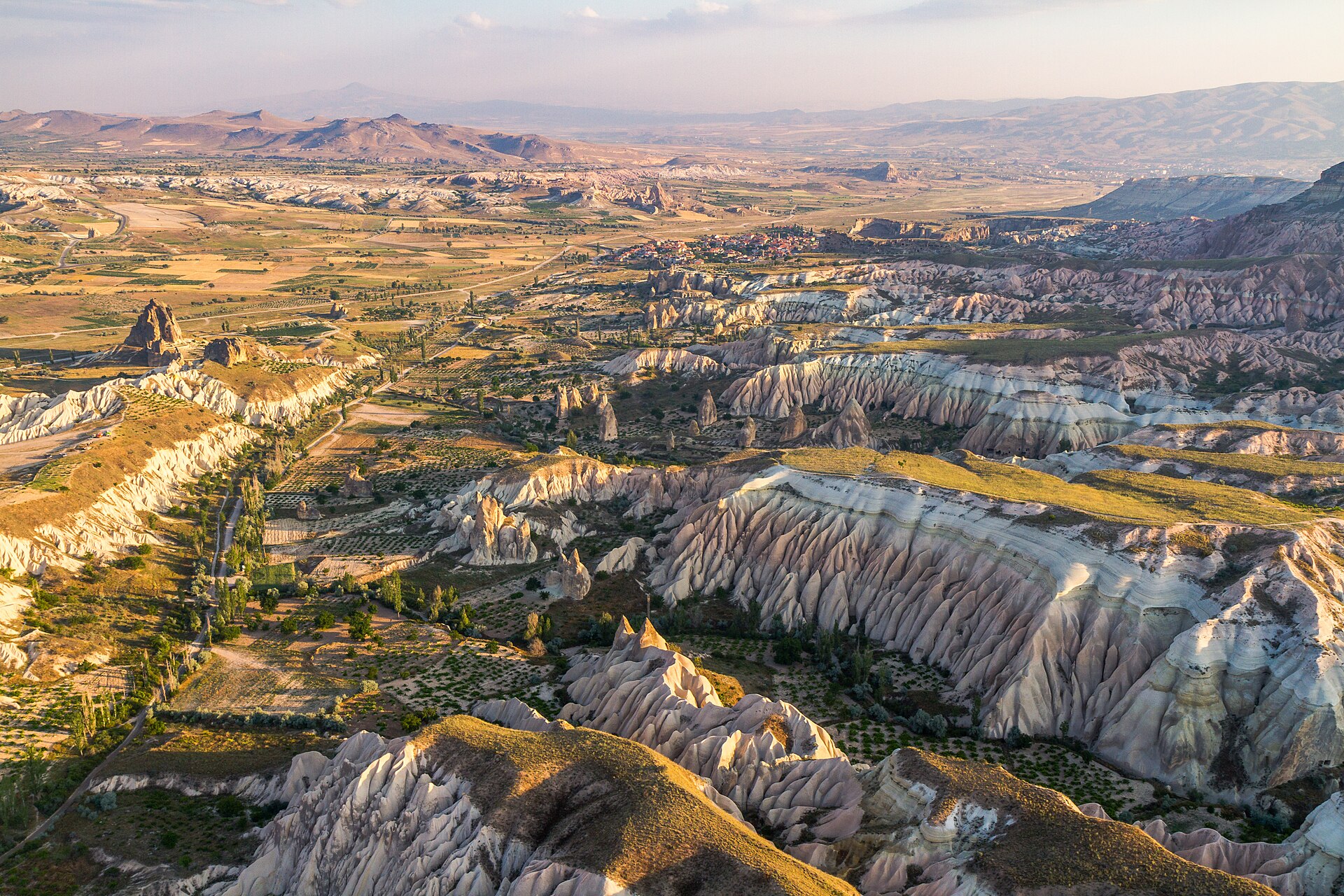
Avcılar vadisi is a named open-air valley in the Göreme area of Nevşehir, positioned at 38.63975° north and 34.82005° east. Its identity comes from the landscape itself: pale eroded tuff, valley cuts, ridges and the fairy-chimney scenery associated with Cappadocia.
Ayvali Kilise is a rock-cut church in Güllüdere 2 Valley, on the eastern side of Güllüdere Valley near Çavuşin village in Avanos, Nevşehir. Its inscription dates the church to 913–920, during Emperor Constantine VII Porphyrogennetos’s reign.
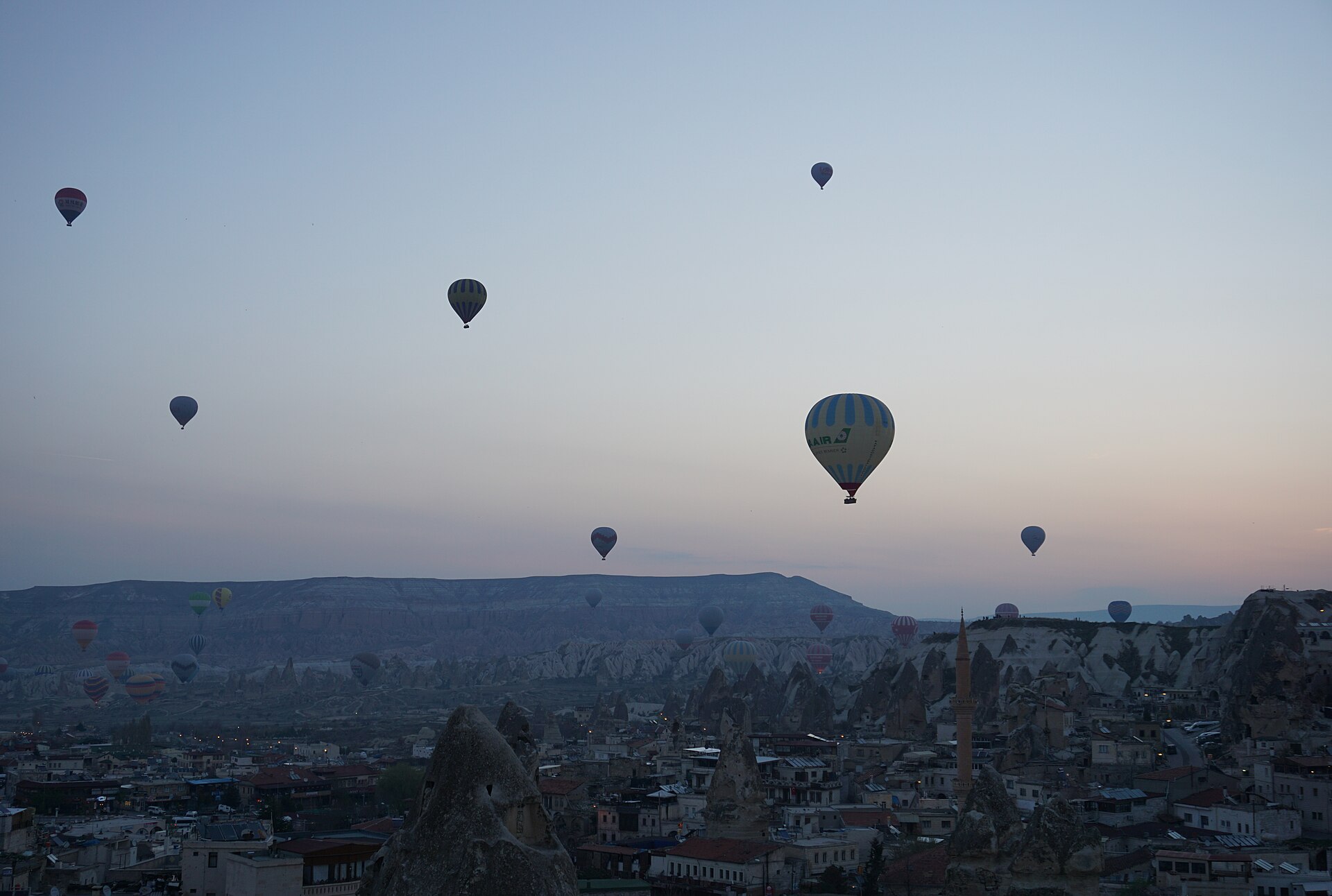
The Balloon Viewing Area is a dedicated outdoor lookout in Göreme, Nevşehir, for seeing Cappadocia’s hot-air balloons above the region’s valleys and rock formations.
Balon Kalkış Alanı
Balon Kalkış Alanı is an outdoor launch point in the Göreme area of Nevşehir, at 38.65482, 34.83946. It belongs to Cappadocia’s regulated commercial hot-air-balloon activity, where visitors may watch preparation, inflation, and departures against the region’s distinctive terrain.
Akropoldeki Bazilika
Akropoldeki Bazilika is an exposed basilica ruin in the acropolis of Iasos, the ancient settlement at Kıyıkışlacık in Muğla’s Milas district.
The Basilica of St John stands in the middle of modern Alaşehir, on the ground of ancient Philadelphia, one of the seven cities addressed directly in the Book of Revelation.
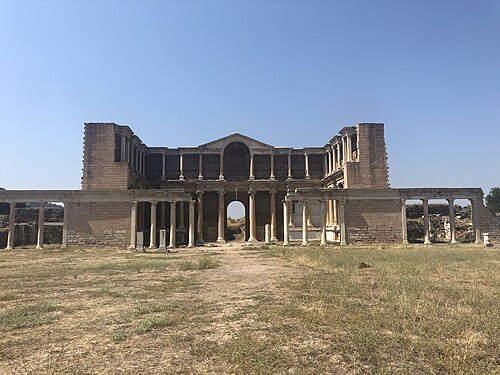
The Bath-Gymnasium Complex is one of the major surviving architectural groups at Sardes, the ancient city known today as Sardis, near Sart in Manisa Province.
Turistik Demirciler Çarşısı
Turistik Demirciler Çarşısı is a historic market quarter in Beypazarı district centre, around İrfan Gümüşel Caddesi.
Beçin Kalesi
Beçin Kalesi is a fortified archaeological settlement on a plateau roughly 200 metres above the plain, about 5 km south of Milas in Muğla Province.
Bektaş Efendi Türbesi is a compact memorial building in Bala Mahallesi, at the centre of Hacıbektaş in Nevşehir Province. Its inscription records construction in Hijri 1012, corresponding to 1603.
Churche and rooms for pigeons
Churche and rooms for pigeons identifies a small group of carved spaces in the Üzengi Valley near Ürgüp, Nevşehir. Its distinctive subject is the meeting of two uses cut into Cappadocia’s rock landscape: churches and dovecotes.
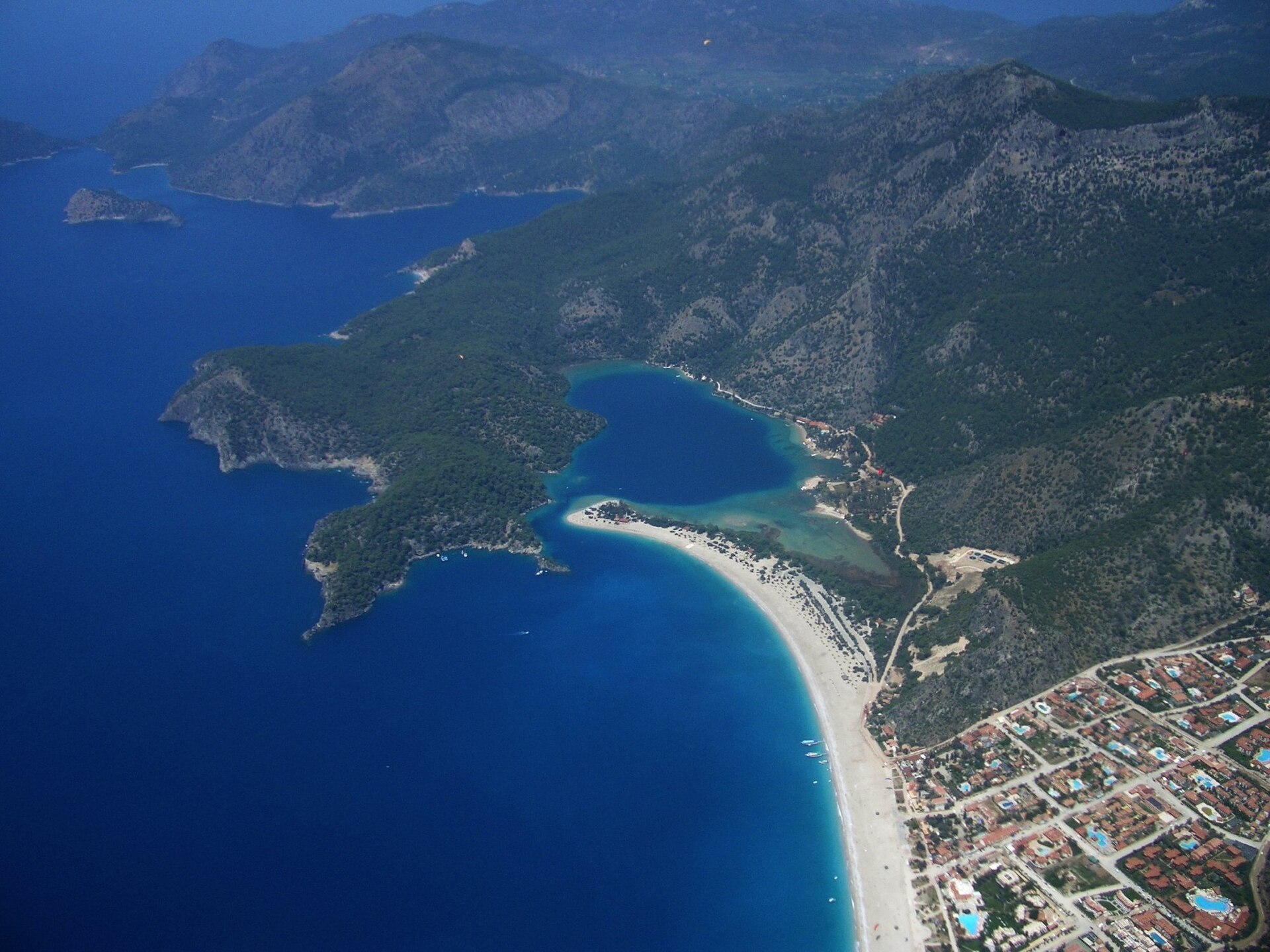
Blue Lagoon is the lagoon landscape within Ölüdeniz–Kıdrak Nature Park in Ölüdeniz, Fethiye, Muğla.
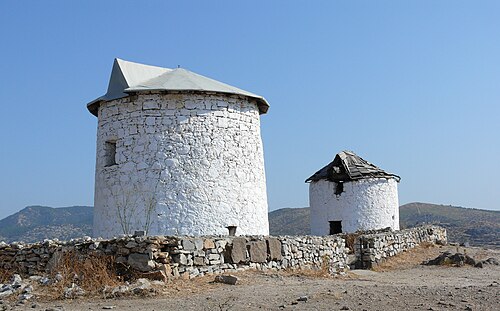
Bodrum Windmills are eight historic stone structures on Değirmenburnu ridge, arranged in a north–south line between Bodrum and Gümbet in Eskiçeşme. They are remnants of local grain-milling infrastructure, not an operating museum or a modern attraction built for display.
Çakallar is a protected open-air heritage locality on a volcanic hillside near Sindel, also called Akçeşme, in Salihli district, Manisa. Its defining evidence is a group of fossilised human and animal footprints preserved as impressions in volcanic tuff.
Çakırca Basalt Columns are a natural volcanic formation in Çakırca village, within Manisa’s Kula district. The dark rock belongs to the landscape of the Kula Volcanic Geopark and is associated with first-stage lava flows of the Burgaz volcanites.
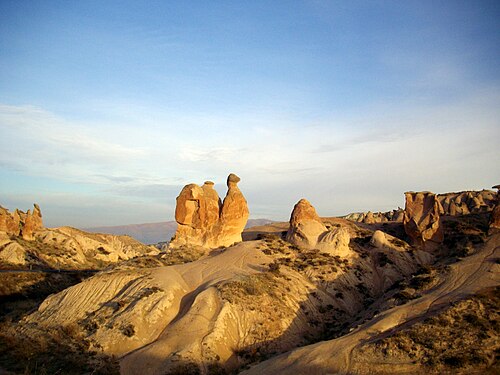
Camel Rock is a natural volcanic formation at the entrance to Devrent Valley, the Cappadocian landscape also known as Imagination Valley. Its profile is recognised as a kneeling camel: the hump, sloping neck and head emerge from weathered tuff.
Canyon path is the marked walking line through Kızılçukur Valley, beginning at the Kızılçukur sunset viewpoint above Ortahisar and continuing toward Çavuşin. Its identity is defined by a one-way valley crossing rather than by a single building or viewpoint.
Çatal Höyük is a registered archaeological site in Küllüce Village, within Kozaklı district of Nevşehir Province. Its identity is tied to a protected rural settlement landscape rather than to a museum building, excavation gallery, or staffed attraction.
Çat Vadisi is a volcanic-tuff valley in Çat Beldesi, within Nevşehir Merkez, where fairy chimneys, sculpted rock formations, natural caves and rock-cut pigeon houses appear together in one open landscape.
Cave is a small mapped rock feature in Nevşehir’s Cappadocia landscape, where a hollowed opening is the attraction itself. Its character comes from the meeting of an intimate stone detail with the wider volcanic terrain around it.
Cave Beehive is a small cave-like historic remain in the rock landscape near Göreme, in Nevşehir Province’s Avanos district area.
Cave Beehive is a small outdoor rock-cut remnant in Avanos district, at approximately 38.6556686, 34.8542411. Its defining subject is the surviving carved form, encountered among Cappadocia’s volcanic-rock valleys rather than inside a museum or a fully enclosed cave complex.
Cave House is a hotel in Uçhisar, Nevşehir, offering accommodation in cave-and-stone suites. It is a place to stay rather than a museum or separately ticketed cave attraction.
Local Cave House is a twelve-room hotel built into the rock-carved hillside above Göreme. The operator describes a traditional family home restored in 1998, bought by the Kocaturk Family in 2004, and transformed into a cave hotel.
Cave house is an exterior cave-house landmark mapped in Nevşehir province. Its interest lies in the visible relationship between local rock, carved or adapted cave space, and the surrounding settlement landscape.
Cave House is a small historic monument in Göreme, Nevşehir, positioned within the district’s distinctive cave-and-valley landscape.
Cave House (entrance up through bottom chimney) is a small, distinctive rock-cut landmark in Güllüdere Valley, between Göreme and Çavuşin in Nevşehir Province.
Cave pigeon-loft is a small rock-cut pigeon house in the Göreme Archaeological Site area of Göreme, Nevşehir. Its carved openings belong to Cappadocia’s working landscape, alongside the better-known churches and chapels.
Cave Tomb is a specific rock-cut burial feature marked in the Güllüdere walking area of Nevşehir’s Cappadocia landscape. Its identity comes from the carved tomb itself, rather than from a museum collection, fortress, church complex or staffed visitor building.
Cave village is the historic outdoor settlement landscape of Çavuşin, in Avanos district of Nevşehir Province, rather than a single museum building.
Çavuşin Kalesi
Çavuşin Kalesi is the prominent rock settlement rising above Çavuşin village in Avanos district of Nevşehir.
Çeç is a large stone-covered tumulus rising from Çeç Tepesi in the countryside between Avanos and Özkonak. Its broad artificial profile makes it a landmark across the surrounding Cappadocian landscape, including views from the Avanos area.
Cemal Ranch is a working horse-riding base in Kızılçukur Mevkii, Yukarı Mahallesi, outside Ortahisar in Cappadocia. It is arranged around guided riding rather than a conventional visitor attraction with a separate entrance ticket.
Cemel Höyüğü is identified in the official cultural inventory as Yeşilöz Höyüğü, an open-air archaeological site near Yeşilöz village in Gülşehir district, Nevşehir. The mound is registered under decision K.K.T.V.K.K.
Chimney Police Station is a working police-service facility near the fairy chimneys of Paşabağları and Çavuşin, in Avanos District of Nevşehir Province. The map identifies it with amenity=police and historic=yes.
Church is a rock-hewn Christian sanctuary in Nevşehir’s Cappadocian heritage landscape. The sanctuary belongs to a tradition in which worship spaces were carved directly into volcanic tuff and other eroded formations.
El Nazar Church is a compact rock-cut sanctuary in El Nazar Valley near Göreme, carved directly into Cappadocia’s volcanic tuff. Its free-cross plan, three apses and central dome give the small interior a distinct architectural identity.
Church, also known as Kaymaklı Church, is a twentieth-century heritage building in Kaymaklı, within Nevşehir’s Merkez district. The heritage record connects it with the Greek Rum community.
Church is a rock-cut Christian space within the Zelve archaeological site near Aktepe, in Avanos district of Nevşehir Province.
Column Church is a rock-cut church encountered in Güllüdere Valley, the natural corridor between Göreme and Çavuşin in Nevşehir.
big cave church
Big Cave Church is a rock-cut Christian sanctuary in the Mısırören Deresi valley, about 3 kilometres north of Ortahisar. It is also known as Columned Church, Column Church, Sütunlu Kilise and Kolonlu Kilise.
Delikli Bent is a natural and historic rock formation in the Selendi River bed, in Yıldız neighbourhood of Selendi district, Manisa. The site is also known locally as Delik Düven.
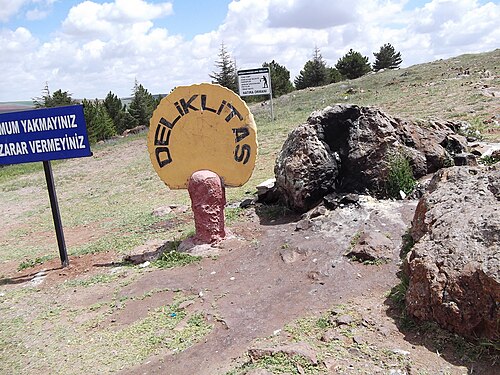
Deliklitaş is a compact rock feature in the Çilehane area of Hacıbektaş, Nevşehir. The feature is defined by a cave cut into the rock, with an entrance and exit, together with a narrow opening that leads outdoors.
Demokrasi Meydanı is an open-air civic square in central Manisa’s Şehzadeler district, known in official notices as 15 Temmuz Demokrasi Meydanı.
Devrent Vadisi
Devrent Valley, also called Hayal Vadisi or Imaginary Valley, is an open Cappadocian landscape of fairy chimneys, tuff rocks and natural silhouettes.
DSM is an open-air monument in Salihli, within Manisa province, set in the everyday urban landscape rather than inside a museum or visitor complex.
Durmuş Kadir Kilisesi
Durmuş Kadir Kilisesi is a Byzantine rock-cut monument in Göreme’s Karşı Bucak area, dating from the sixth or seventh century.
Entry to Sable Valley is a named access point in Göreme National Park, near Göreme in Nevşehir Province. It is a starting point for an outdoor experience: moving from the settled approach into Sable Valley and its Cappadocian terrain.
Eski Gördes Harabeleri are the surviving traces of Gördes’s former hillside settlement in Manisa. The place lies in Eski Gördes, in Atatürk Mahallesi, near Eski Gördes Pazar Camii on the eastern slope of Kepez, also called Tekke Dağı.
Eski Kilise is a ruined historic Christian place of worship in Kula, a district of Manisa province.
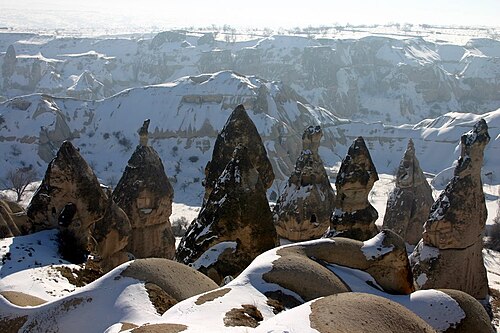
Fairy chimneys at Paşabağları are a specific cluster of volcanic-tuff pillars in Cappadocia, not a single freestanding monument. Harder cap rocks protected softer material below, while erosion shaped the grouped cones and columns.
Fairy Chimneys is a named landscape feature in Çavuşin, within Avanos district of Nevşehir, beside the Göreme–Avanos road. Its identity comes from distinctive volcanic-rock formations set among village buildings and the wider Cappadocian terrain.
Alibağı
Alibağı is a small, open-air landscape stop near Çavuşin, where fairy chimneys and weathered tuff formations are encountered in their natural setting.
Former USAF Jupiter IRBM is an outdoor Cold War historical site in rural Manisa province. It is associated with a United States Air Force Jupiter intermediate-range ballistic-missile launch position in the Kemiklidere area on the Manisa–Akhisar route.
Gavurhöyüğü is a rural archaeological mound in Şahinler village, Gülşehir District, Nevşehir Province. Its identity is tied to the höyük itself, its unusually elongated footprint, and evidence of occupation over several archaeological periods.
Gizlikent Şelalesi
Gizlikent Şelalesi is a waterfall reached through the entrance area of Saklıkent Canyon, in Kayadibi Mahallesi, Seydikemer, Muğla.
Gökçe Höyüğü is a rural settlement mound in Kozaklı district of Nevşehir province, positioned between Karahasanlı and Yassıca.
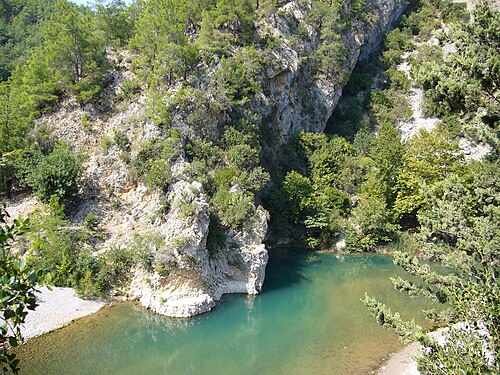
Gökçeler Canyon is an approximately eight-kilometre natural ravine near Milas, shaped by Değirmen Deresi, also known as Hamzabey Stream. The watercourse divides the canyon into two sides, creating a landscape of wooded slopes, rocky formations, waterfalls and ponds.
Golgoli is the hill identified by the responsible cultural-route body as Golgoli Dağı–Meryem Ana Dağı, also called Golgoli Dağı, near Mustafapaşa in Ürgüp district.
Göreme Valley is a carved-rock settlement and archaeological landscape in Cappadocia, presented by the responsible ministry through the Göreme Open-Air Museum.
Göre Açık Hava Müzesi
Göre Açık Hava Müzesi is a rock-settlement heritage area within Göre, in Nevşehir Central District. Its defining sights are spaces cut directly into soft volcanic rock: former homes, openings and animal shelters shaped around everyday domestic and agricultural needs.
Great Caves is a distinctive open-air rock settlement on the Çavuşin slope, where carved spaces and weathered volcanic surfaces meet the edge of a living Cappadocian village.
Günbatımı | Sunset Point is a named outdoor lookout near Göre in Nevşehir, Türkiye, at approximately 38.59464° north and 34.72226° east.
At Sardes, the Gymnasium is a Roman Imperial bath-and-exercise complex rather than an isolated ruin. Its eastern palaestra, western bath halls and connecting Marble Court form a legible architectural sequence within the archaeological area near Sart.
Hacı Bektaş Veli is a historic dergah complex and museum in Hacıbektaş, associated with the 13th-century mystic and the Bektashi tradition.
Manisa Hafsa Sultan Şifahanesi
The Hafsa Sultan Hospital Museum is the surviving hospital wing of the Sultan Camii complex, the külliye Ayşe Hafsa Sultan — wife of Selim I and mother of Süleyman the Magnificent — commissioned in Manisa in 1522, where she lived…
Hallaç Manastir is an 11th-century monastic complex carved into a tuff rock mass in the Hallaç Deresi area, about 1 kilometre northeast of Ortahisar in Nevşehir’s Ürgüp district.
Hamam Bay is a sheltered coastal cove in Muğla Province’s Dalaman area, also known locally as Kleopatra Hamamı. Pine-covered slopes descend towards a natural beach and clear water, while ancient Cleopatra Hamamı ruins stand beside the shore.
Hermesin Çizmesi, or Hermes’ Boot, is a natural rock formation near Kazıklı Mahallesi in Selendi district. It stands in the Selendi Çayı Canyon, where the rock’s outline is traditionally understood as Hermes’ right foot.
Saklı Kilise
Saklı Kilise is a rock-cut Byzantine church in Göreme’s El Nazar Mevkii, near El Nazar Church in Nevşehir Province. Its name is linked to its discovery in 1957.
BALONY TURCJA
BALONY TURCJA is a named outdoor balloon-viewing position near Göreme in Nevşehir, at 38.65492, 34.82824, in the Sunrise Viewpoint area.
Iasos is an archaeological site in Kıyıkışlacık Mahallesi, in the Milas district of Muğla, set on a peninsula surrounded by the sea on three sides.
İnözü Vadisi
İnözü Valley is an open rural landscape in Rüstempaşa, about 3 km from Beypazarı district centre. Its character comes from the meeting of rocky valley walls, village views, cultivated fields and visible birdlife.
İStasyon binası ve lojman is a railway heritage complex in central Manisa, at Fabrika Tımarı Mevkii in 2. Anafartalar Mahallesi. Its identity comes from the relationship between historic architecture and a working station, rather than from a separate museum function.
Juliopolis is an archaeological site in the Gülşehri area of Çayırhan, within Nallıhan district in Ankara Province. Set beside Sarıyar Dam, it combines an ancient settlement with a necropolis on limestone rock along the reservoir’s northern shore.
Jupiter Launch Base 5 is the mapped location of a former Turkish launch position associated with the United States Jupiter intermediate-range ballistic-missile deployment. It was the fifth of five positions established in Turkey near İzmir during the Cold War.
Kayaköy is a preserved archaeological settlement on a hillside about 8 km south of Fethiye, where the remains of Levissi meet the older place-name Karmylassos.
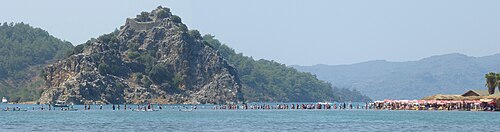
Kızkumu is a natural shallow sandbar extending about 600 metres through Orhaniye Cove near Marmaris. Its low strip of sand creates the memorable impression of walking across the sea, while the cove’s wooded slopes frame the route from every angle.
Koca Bektaş Dede Türbesi stands in Beyoba Mahallesi, within Manisa’s Akhisar district. The municipality presents the site as the Koca Bektaş Dede Dergâhı and a hayır alanı, meaning that the tomb belongs to a wider devotional and charitable setting.
Kurşunlu Hanı is a late-fifteenth-century Ottoman han in Manisa, built in 1488 as part of the Hatuniye Külliyesi beside Hatuniye Mosque. Hüsnüşah Sultan, the wife of Sultan Bayezid II, commissioned the building.
Kurşunlu Şelalesi is a natural waterfall landscape in Allahdiyen Mahallesi, within the Kurşunlu mevkii of Salihli district in Manisa. Kurşunlu Creek runs through a wooded setting where waterfalls, stream beds and dense tree cover define the experience.
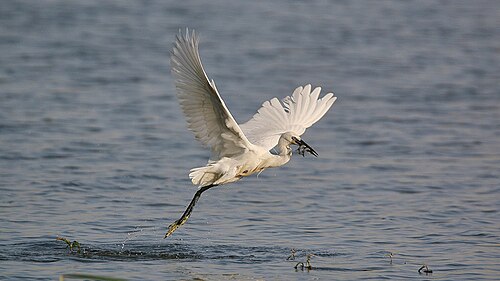
Kuş Cenneti is a wetland in Davutoğlan village, within Ankara’s Nallıhan district, where the Aladağ Stream meets the Sarıyar Dam. Its character comes from the meeting of flowing water, reservoir shoreline, reed beds, rocky ground and bird habitat.
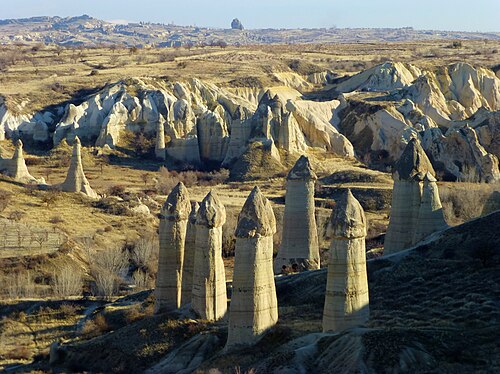
Love Valley, known locally as Aşk Vadisi and also identified as Bağlıdere Valley, is a natural Cappadocian landscape between Göreme and Uçhisar in Nevşehir Province.
Love Valley, also called Bağlıdere Valley, is a natural valley near Göreme in Cappadocia. It is an open outdoor landscape with walking paths, fairy chimneys, tall rock formations and changing views.
Hekatomnos Anıt Mezarı ve Kutsal Alanı
Hekatomnos Anıt Mezarı ve Kutsal Alanı is the archaeological centrepiece of the Uzunyuva complex in Milas, Muğla. The monument is associated with Hekatomnos and is encountered within a town-based museum setting rather than as an isolated countryside ruin.
Beçin Ortaçağ Kenti
Beçin Medieval City is an archaeological settlement in Beçin Mahallesi, about 5 km south of Milas in Muğla Province.
Merkez Çarşı'yı Canlandırma Projesi (Özhan) identifies an urban redevelopment project in Akhisar’s Merkez Çarşı, within Şeyhisa Mahallesi, rather than a completed visitor attraction. The project concerns an excavation area in the town centre where commercial renewal intersects with archaeological history.
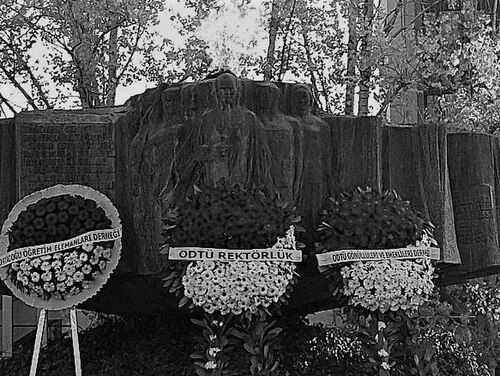
M.Kemal Atatürk Havuzu is a compact civic memorial in Salihli, Manisa, positioned at approximately 38.48308° north and 28.12486° east.
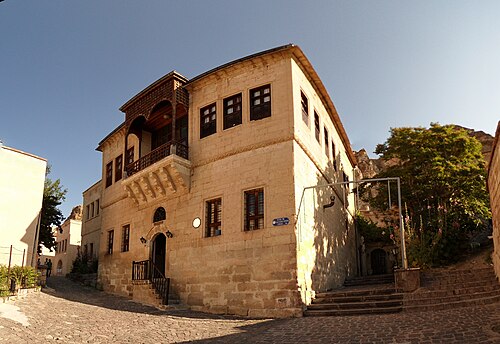
Müftü Alim Efendi Evi is a registered historic residence in Çarşı Mahallesi, within Manisa’s Şehzadeler district, at the junction of Dr. Sadık Ahmet Caddesi and Dumlupınar Caddesi.
Mushroom-like ruins is a small, distinctive remnant near Sart in Salihli district of Manisa, within the wider archaeological landscape of Sardes.
Odeon is a compact ancient performance building within Aigai, near Yuntdağıköseler Mahallesi in Yunusemre, Manisa. Its importance comes from being a distinct cultural space inside a hilltop settlement, not from functioning as a modern theatre.
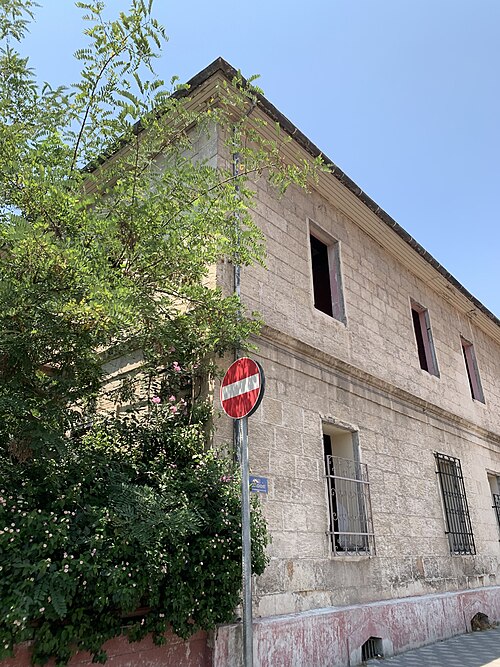
Park Otel (Demokrat Parti Lokali) is a compact two-storey masonry heritage building at the corner of Atatürk Bulvarı and 1205 Sokak in Manisa’s Nişancıpaşa neighbourhood.
Pasşabağ Vadisi
Pasşabağ Vadisi, also known as the Zelve–Paşabağları archaeological site, is a Cappadocian valley shaped by pale volcanic rock and groups of tall fairy chimneys. Several formations have multiple heads, creating the unusual silhouette associated with Paşabağ.
Source: OpenStreetMap contributors, Wikidata ·
Ten to fourteen days allows about four days in İstanbul and at least three around Antalya when coastal archaeology is included. Cappadocia needs its own regional stay, and a one-way coastal route is more workable than returning to the same city each night.
Türkiye's visa position varies by passport and purpose. Verify the rule through the Ministry of Foreign Affairs and, when eligible, use only the official e-Visa service rather than an intermediary.
İstanbul's two airports and Antalya are the principal gateways for this itinerary. Domestic flights cover long cross-country legs, coaches serve many city pairs, and high-speed rail is most useful on the İstanbul-Ankara axis rather than as a universal substitute.
April to May and September to October are broad choices for combining İstanbul with the Mediterranean coast. Cappadocia nights, inland heat, and Antalya's coastal conditions differ, so confirm weather for each overnight base.
Türkiye uses the Turkish lira (TRY). Keep lira available for smaller transport and market transactions even when cards are accepted, and review the displayed amount in TRY before agreeing to any card conversion.
Dial 112 for emergencies in Türkiye. Electricity is 230 V through Type C and F sockets; tap-water safety is not recorded here, so obtain current local advice at each stop.