


26
30 min
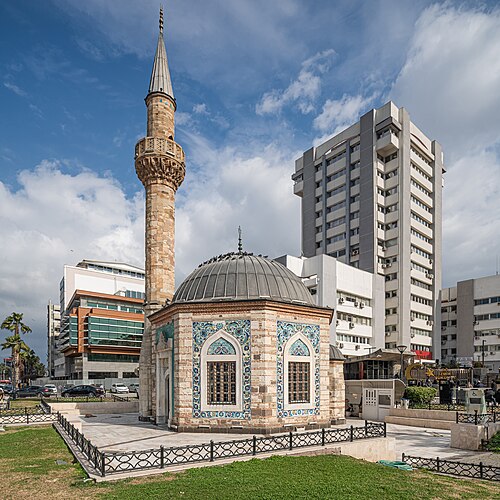
Konak Mosque
Konak Camii
Konak Mosque, also known as Yalı Mosque, is a small Ottoman-era mosque on Konak Square in central İzmir.
- High
- Place of worship
- İzmir
Country guide
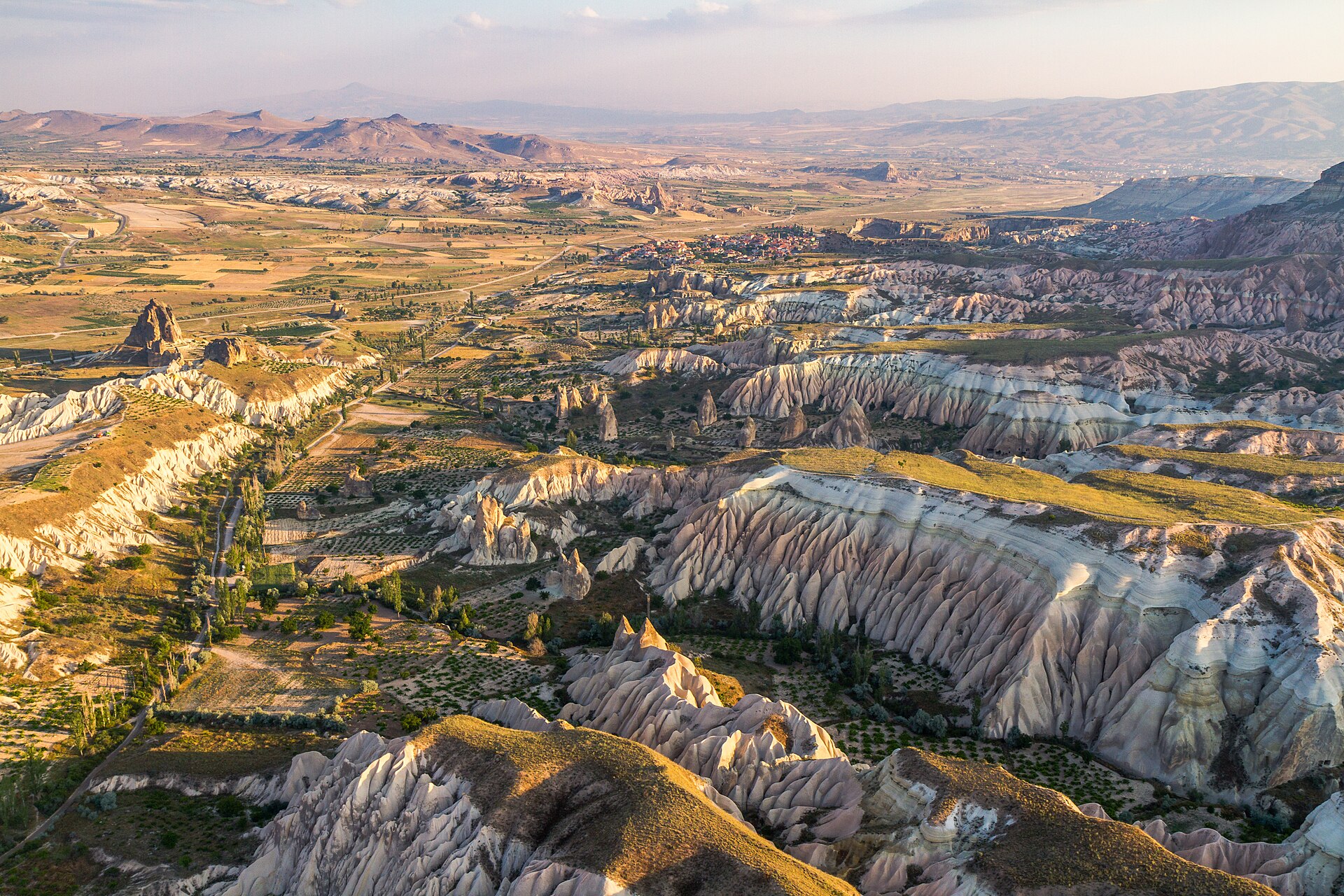
Türkiye is 783,562 km² across 81 provinces, most of it Anatolia in West Asia with East Thrace on the European side of the straits. It has three coasts to choose...
Photograph · Benh LIEU SONG · CC BY-SA 4.0
Reviewed by Elena Voss · Roavina Travel Editor
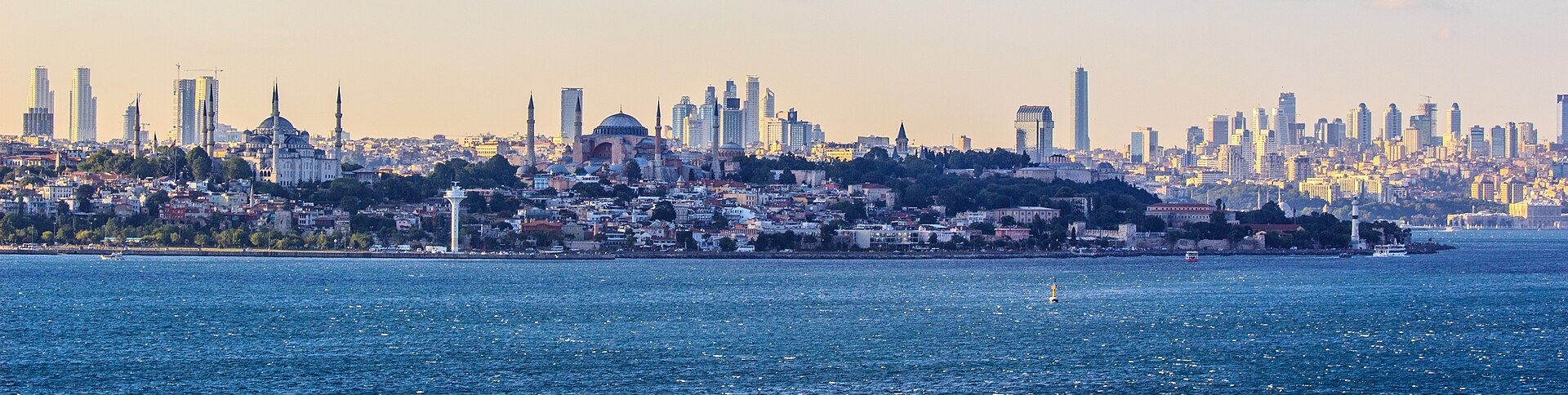
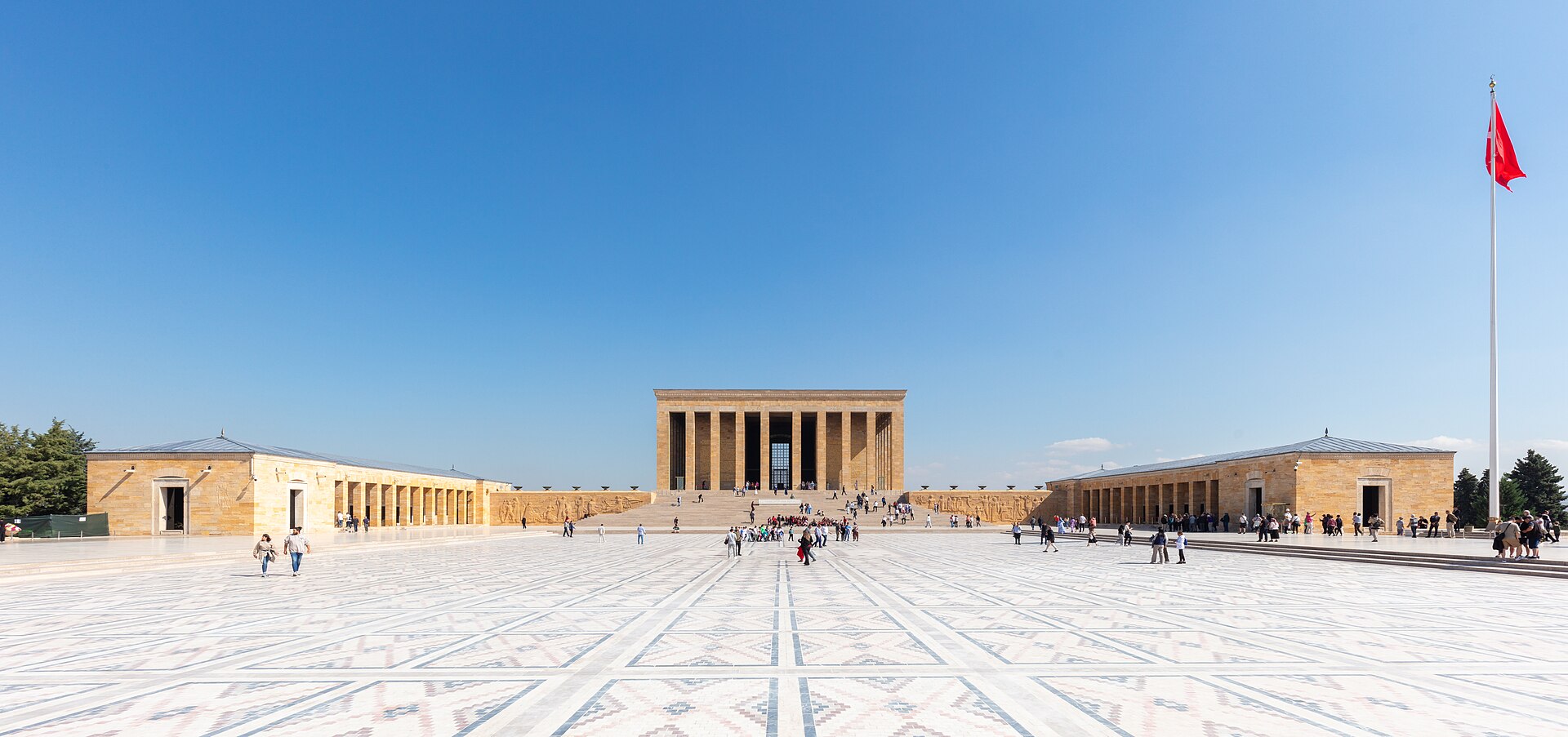
Türkiye is 783,562 km² across 81 provinces, most of it Anatolia in West Asia with East Thrace on the European side of the straits. It has three coasts to choose between — the Black Sea to the north, the Aegean to the west, the Mediterranean to the south — and an interior plateau that behaves like a different country in winter. Istanbul is the largest city and the economic centre, Ankara the capital and the second-largest, and the December 2025 population of 86,092,168 is weighted heavily to the west. A first trip is usually Istanbul and one coast; the plateau is the second trip.
Checked 2026-08-25
Every city catalogued in this country so far, ranked by how much there is to see.
Photograph · Ben Morlok · CC BY-SA 2.0
Photograph · Diego Delso · CC BY-SA 4.0
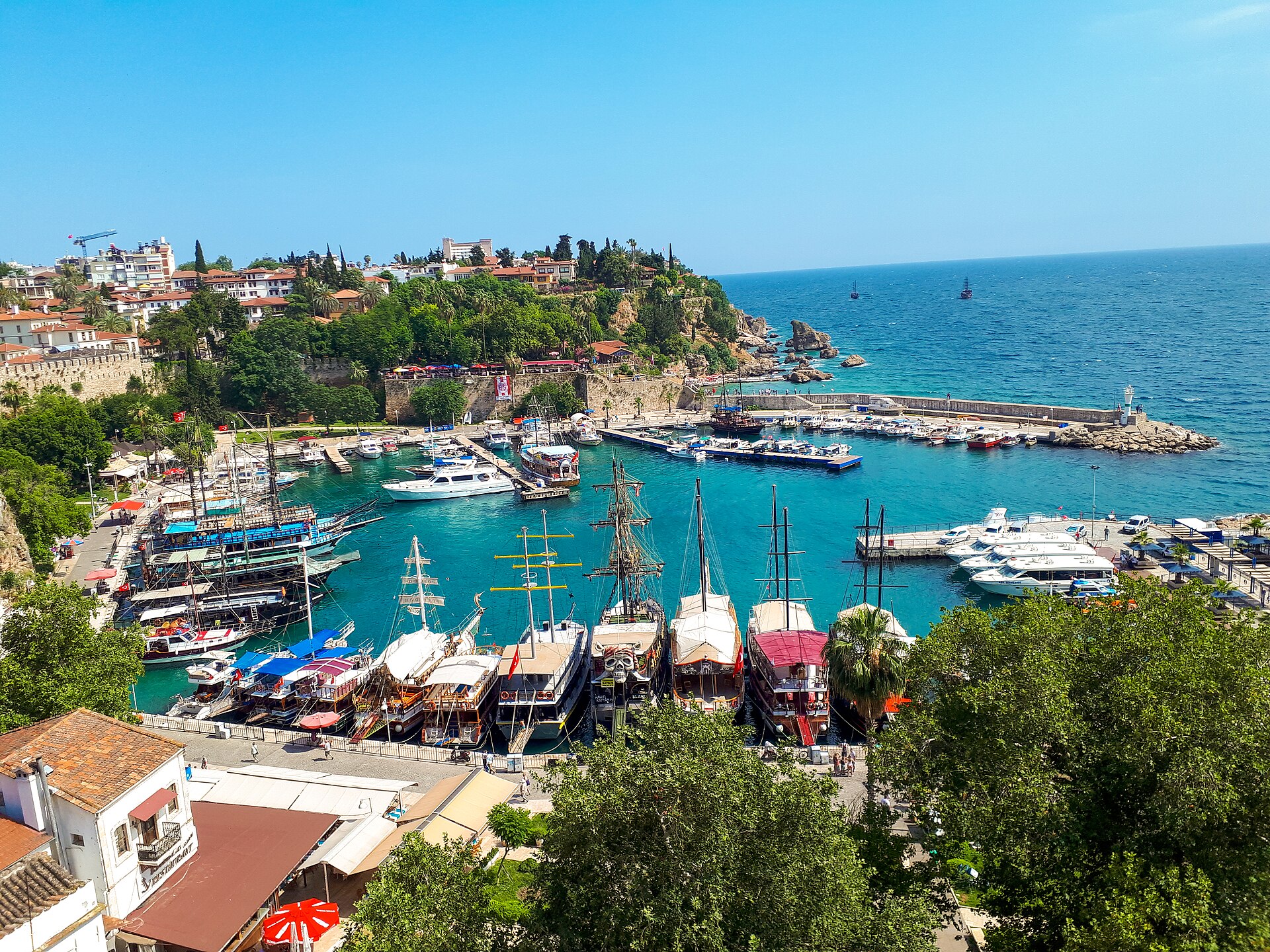
Photograph · REHBER0770 · CC BY-SA 4.0
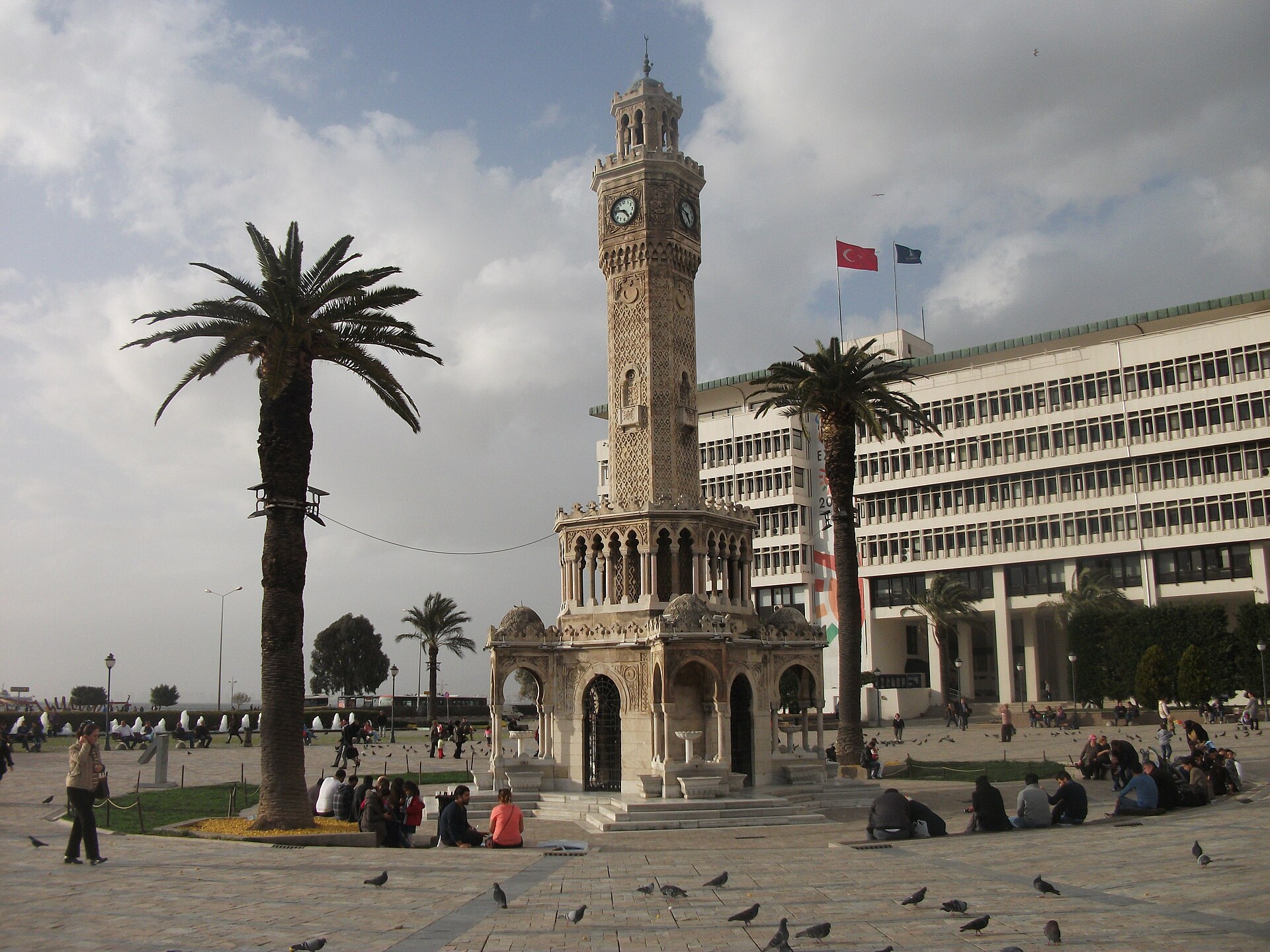
Photograph · Anonymous · CC0
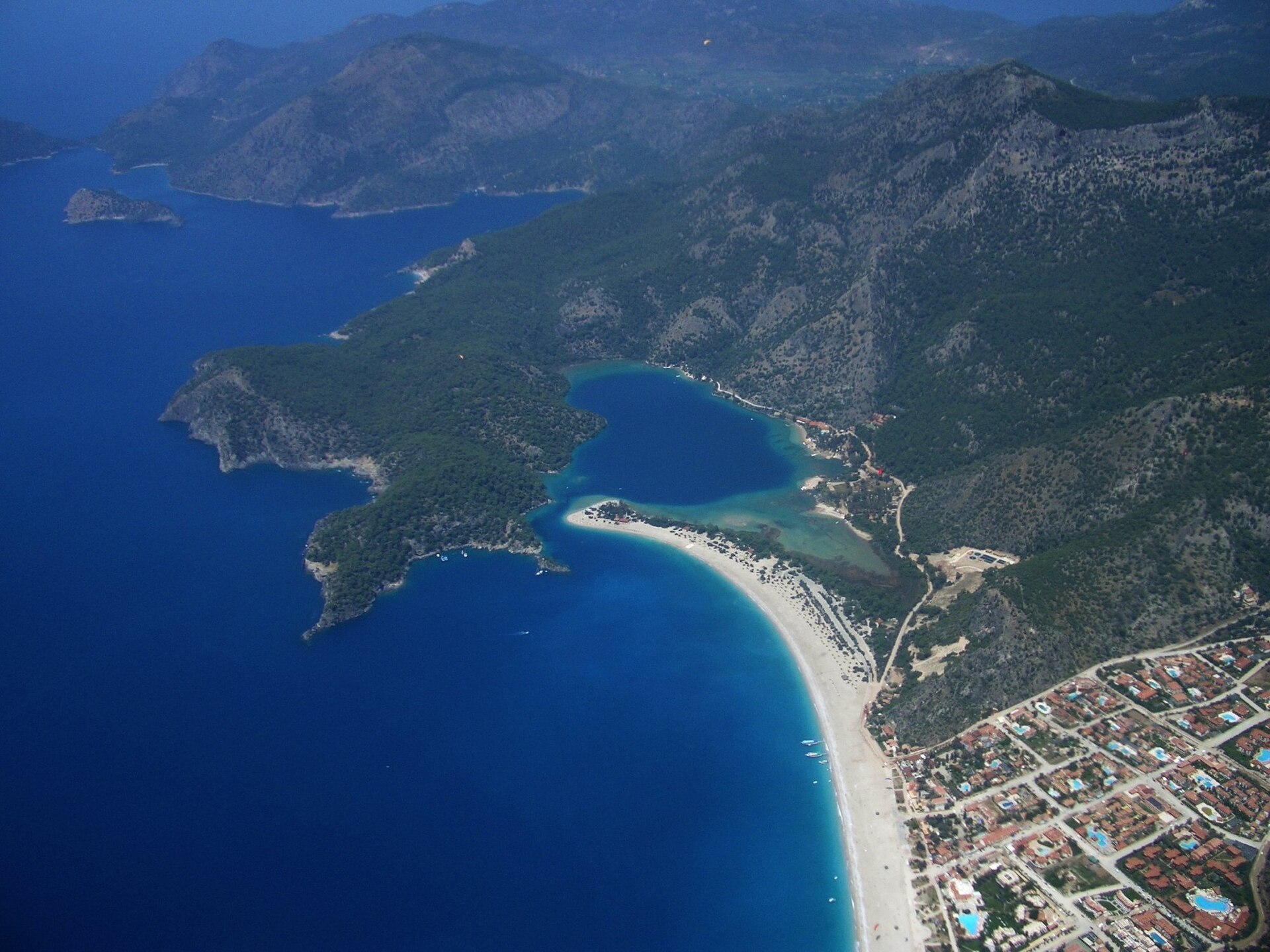
Photograph · Dan Taylor · CC BY 2.0
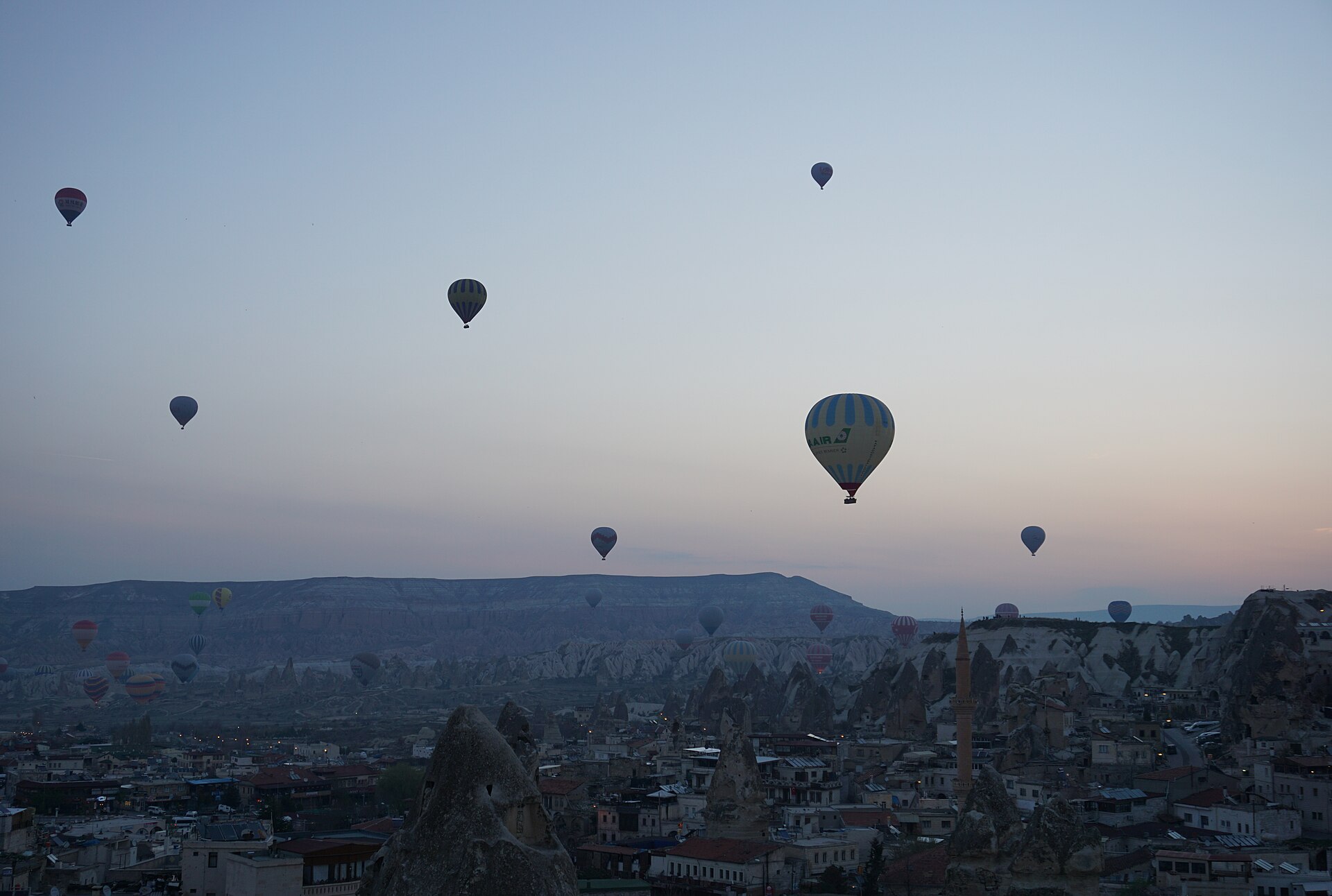
Photograph · Dogaaunlu · CC BY-SA 4.0
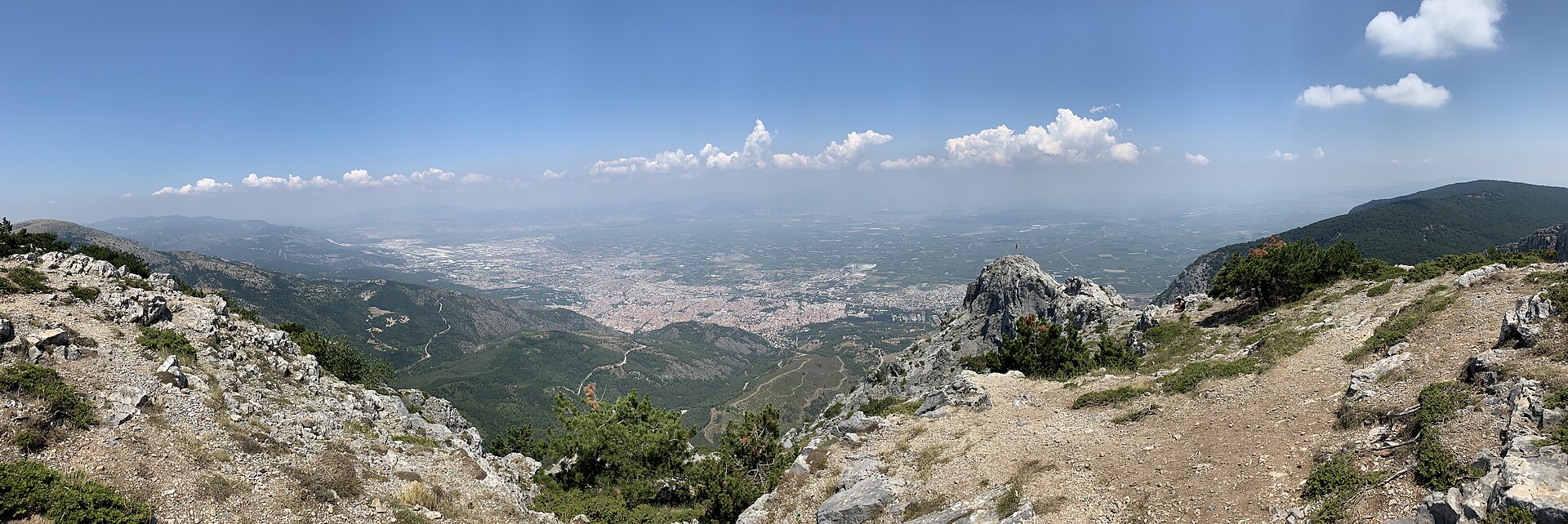
Photograph · Egemenakgul · CC BY-SA 4.0
Ranked by importance — sitelinks, pageviews and heritage status, not editor preference.
60 places match
Category
Typical visit duration
Konak Camii
Konak Mosque, also known as Yalı Mosque, is a small Ottoman-era mosque on Konak Square in central İzmir.
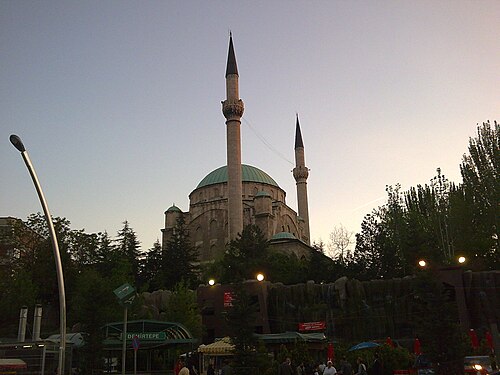
Maltepe Camii
Maltepe Mosque is a functioning place of worship in Maltepe Mahallesi, within Ankara’s Çankaya district. Construction began in 1954 and finished in 1959, while the design adopts the visual language of classical Ottoman mosques.
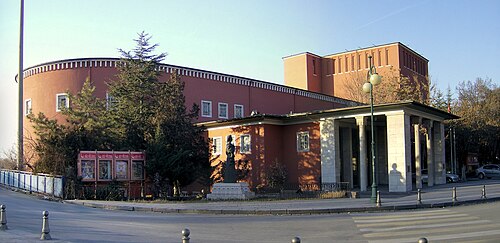
Ankara Devlet Opera ve Balesi
Opera Stage is a working performance venue at Atatürk Bulvarı No:20 in Ankara’s Ulus district. Ankara State Opera and Ballet operates it, while the building is also used with the State Theatres.
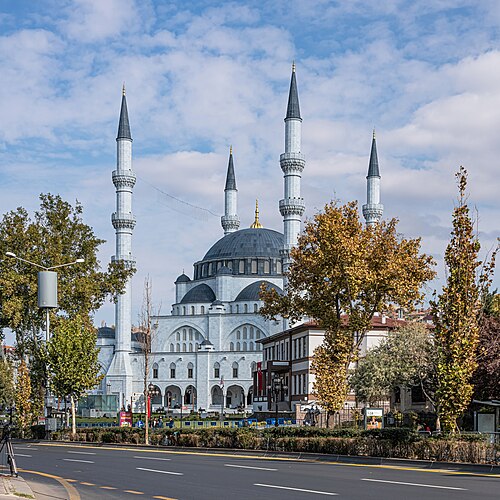
Melike Hatun Camii
Melike Hatun Mosque is a contemporary religious landmark in Ankara’s historic Ulus district, standing at İtfaiye Meydanı on Kosova Caddesi in Anafartalar Mahallesi, Altındağ.
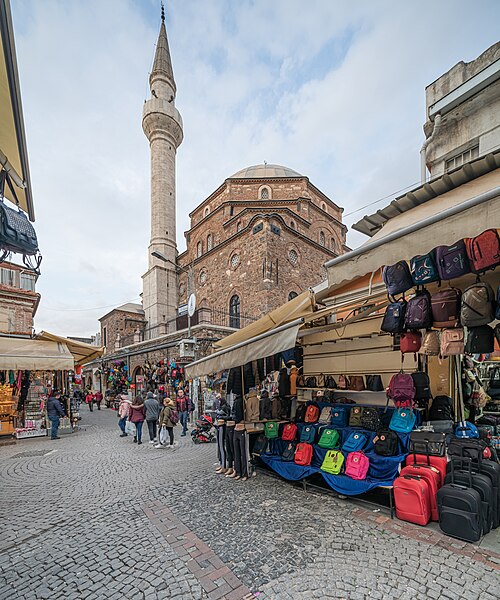
Başdurak Camii
Başdurak Mosque is a functioning Ottoman-era mosque at the meeting of Anafartalar Caddesi and Kemeraltı 863 Sokak in Konak, İzmir.
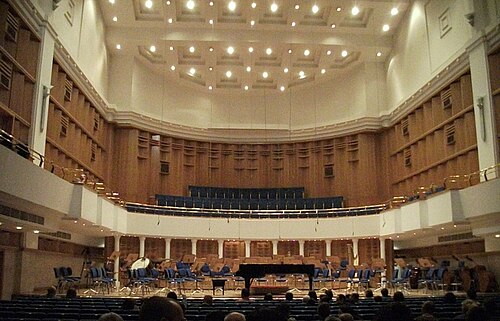
Bilkent Senfoni Orkestrası (BSO) Konser Salonu
Bilkent Concert Hall is a 700-seat performance venue in Bilkent University’s Faculty of Music and Performing Arts and the home stage of the Bilkent Symphony Orchestra.
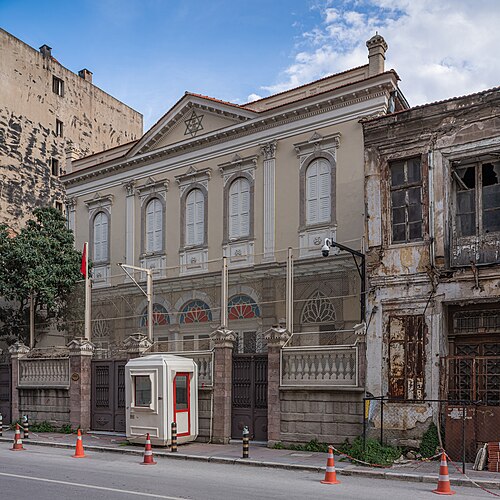
Bet Israel Sinagogu
Bet Israel Synagogue is an active historic place of worship in Karataş, within Konak, İzmir. Construction began in 1905, and the synagogue opened for worship in 1907.
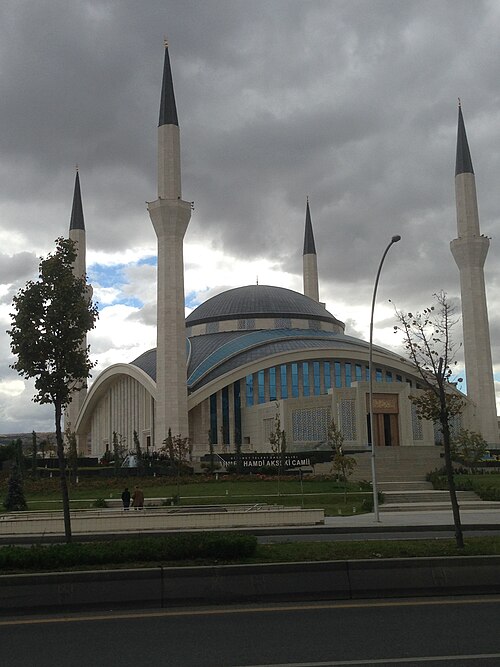
Ahmet Hamdi Akseki Camii
Ahmet Hamdi Akseki Mosque is a contemporary Ankara landmark beside the Presidency of Religious Affairs at the Bilkent junction. Set on Dumlupınar Bulvarı in Üniversiteler Mahallesi, it opened for worship on Friday, 19 April 2013.
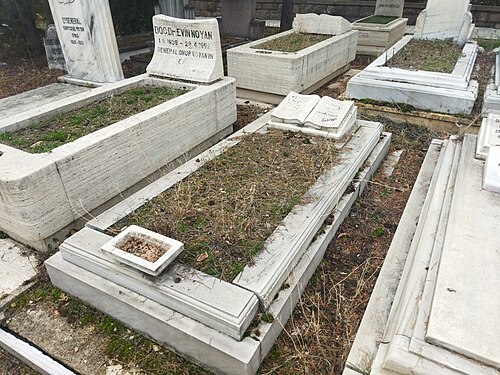
Cebeci Asri Mezarlığı
Cebeci Asri Cemetery is a municipal burial ground in Gültepe Mahallesi, within Ankara’s Altındağ district, and it has served the city since 1935.
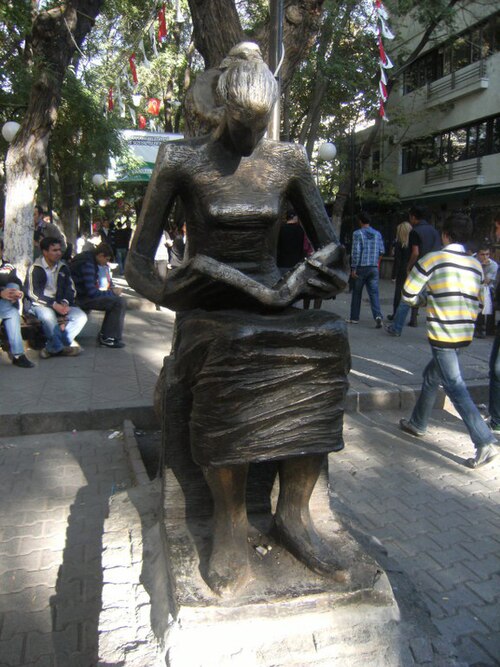
İnsan Hakları
The Human Rights Monument is a bronze civic sculpture at the junction of Yüksel Street and Konur Street in Kızılay, central Ankara. Sculptor Metin Yurdanur made it, and it was installed in 1990.
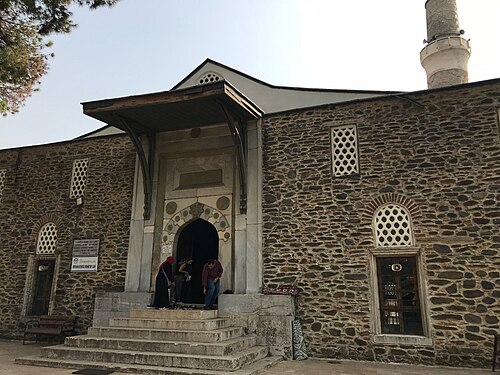
Aydınoğlu Mehmet Bey Camii
Birgi Grand Mosque, also known as Aydınoğlu Mehmet Bey Mosque, stands in Birgi in Ödemiş district of İzmir, beside the stream and within the town’s historic settlement.
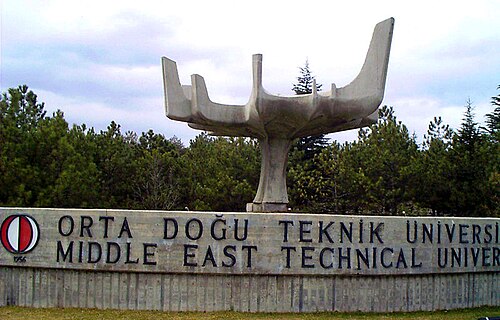
Bilim Ağacı
Tree of Science, called Bilim Ağacı in Turkish, is an outdoor monument at the A1 entrance of Middle East Technical University in Ankara.
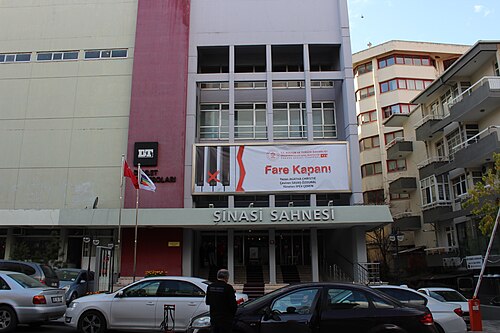
Şinasi Sahnesi
Şinasi Stage is a State Theatres venue in Ankara operated by the General Directorate of State Theatres under Türkiye’s Ministry of Culture and Tourism. Its auditorium opened on 13 March 1988 and contains 490 seats.
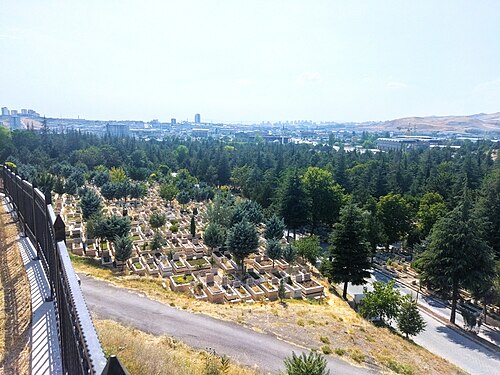
Karşıyaka Mezarlığı
Karşıyaka Cemetery is a large municipal burial ground in Ankara, maintained as an active cemetery by Ankara Metropolitan Municipality. Its purpose is grave visitation, remembrance and cemetery administration, so the experience differs fundamentally from a sightseeing attraction.
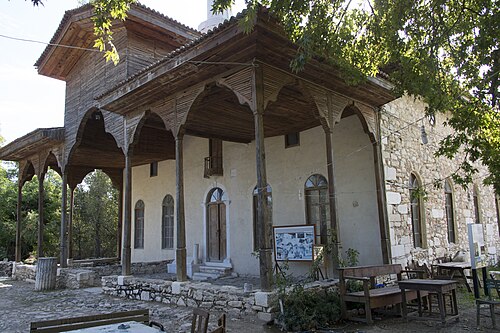
Şaban Ağa Camii
Şaban Ağa Mosque stands in the former Eskihisar village, within Stratonikeia Ancient City in Yatağan district of Muğla Province. Older records identify the building as Tabakhane Mosque.
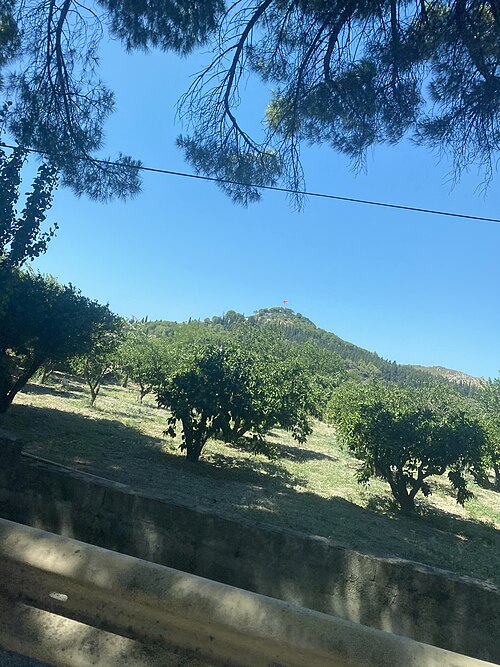
Yıldıztepe Şehitliği
Yıldıztepe Military Cemetery is a small memorial site in İskele Mahallesi, within İzmir’s Urla district.
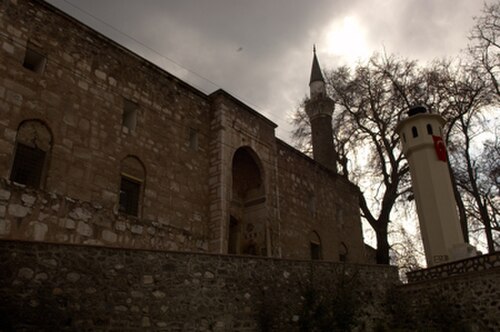
Ulu Camii
The Ulu Camii is the oldest important mosque in Manisa and the one that predates the Ottomans here.
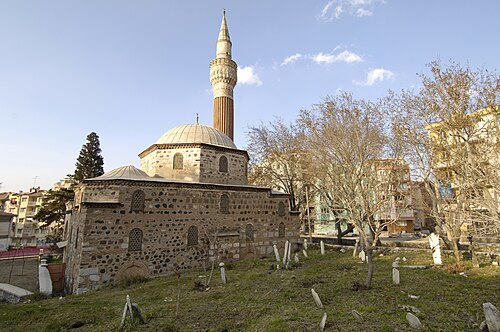
İvaz Paşa Camii
The İvaz Paşa Camii was built in October 1484 for İvaz Paşa, eight years before the end of the fifteenth century and nearly forty years before the Sultan Mosque.
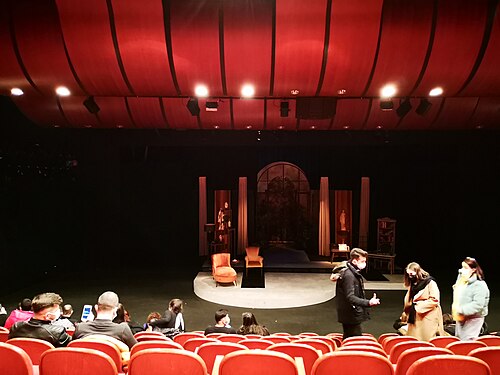
Akün Sahnesi
Akün Stage is an Ankara State Theatre venue in Çankaya, beside Kuğulu Park on Atatürk Boulevard. It opened on 12 January 2003 after Akün Cinema was converted into a theatre venue.
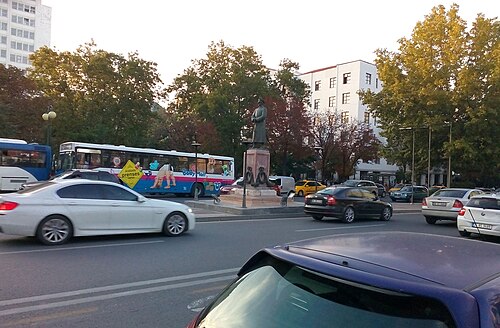
Mareşal Atatürk Anıtı
Marshal Atatürk Monument is a bronze civic memorial in Zafer Meydanı, on Atatürk Bulvarı in central Ankara. Italian sculptor Pietro Canonica created it, and it opened on 4 November 1927.
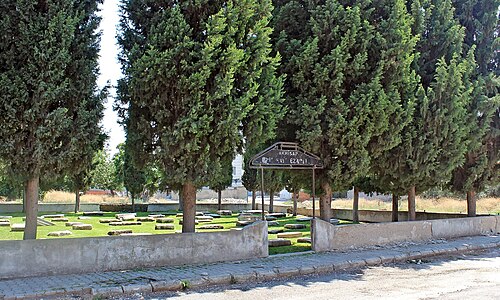
Akhisar Musevi Mezarlığı
This is the burial ground of Akhisar's Jewish community, a Sephardic congregation that at its peak numbered around 400 people and no longer exists in the town.
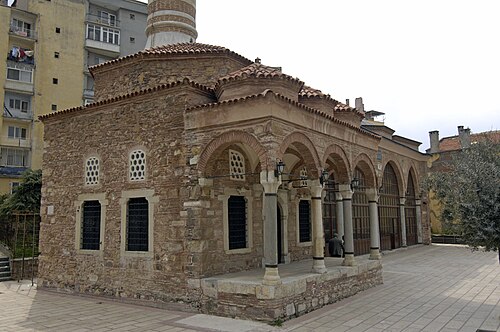
Çeşnigir Cami
The Çeşnigir Camii of 1474 is one of the oldest mosques in Manisa, built by Çeşnigir Sinan Bey — a man who had been enslaved and was freed by Mehmed II, the sultan who took Constantinople.
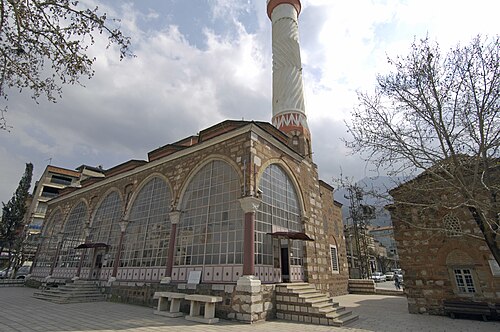
Hatuniye Cami
The Hatuniye Camii was built in 1490–91 by Şehzade Şehinşah, a son of Bayezid II, in honour of his mother Hüsnüşah Hatun.
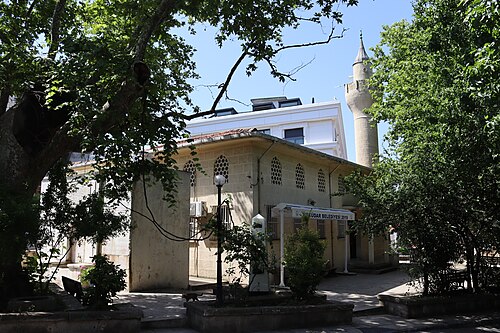
İmrahor Camii
İmrahor Camii is a small working neighbourhood mosque in Salacak, the shore quarter that runs south from Üsküdar square on Istanbul's Asian side.
Kırtık Mezarlığı
Kırtık Mezarlığı is the largest cemetery in Manisa, a Muslim civil burial ground of 333,000 m² in Şehzadeler, still in use. It is also known as Kırtık Asri Mezarlığı or the Manisa Municipality Asri Cemetery.
Ten to fourteen days allows about four days in İstanbul and at least three around Antalya when coastal archaeology is included. Cappadocia needs its own regional stay, and a one-way coastal route is more workable than returning to the same city each night.
Türkiye's visa position varies by passport and purpose. Verify the rule through the Ministry of Foreign Affairs and, when eligible, use only the official e-Visa service rather than an intermediary.
İstanbul's two airports and Antalya are the principal gateways for this itinerary. Domestic flights cover long cross-country legs, coaches serve many city pairs, and high-speed rail is most useful on the İstanbul-Ankara axis rather than as a universal substitute.
April to May and September to October are broad choices for combining İstanbul with the Mediterranean coast. Cappadocia nights, inland heat, and Antalya's coastal conditions differ, so confirm weather for each overnight base.
Türkiye uses the Turkish lira (TRY). Keep lira available for smaller transport and market transactions even when cards are accepted, and review the displayed amount in TRY before agreeing to any card conversion.
Dial 112 for emergencies in Türkiye. Electricity is 230 V through Type C and F sockets; tap-water safety is not recorded here, so obtain current local advice at each stop.