


9 min walk
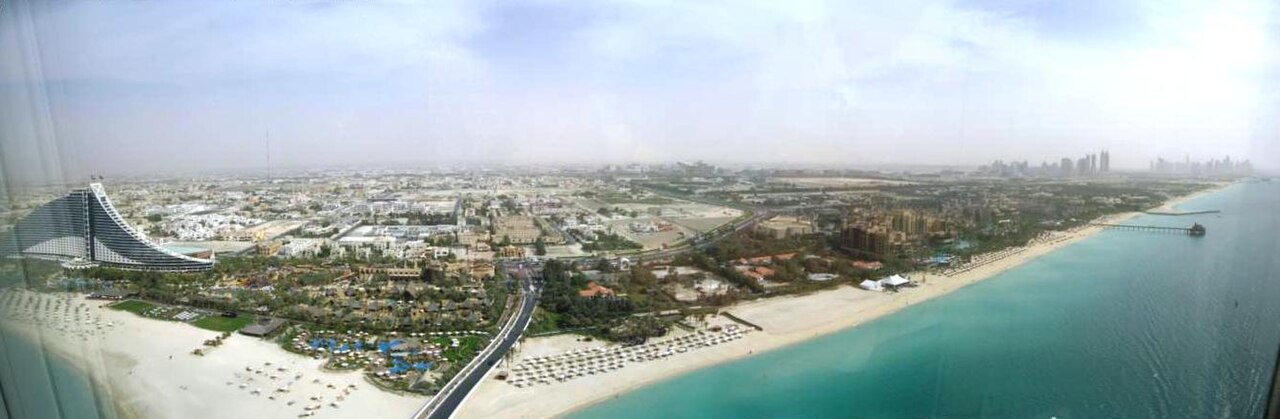
Jumeirah Beach
- Must see
- Nature site
Museum · Dubai
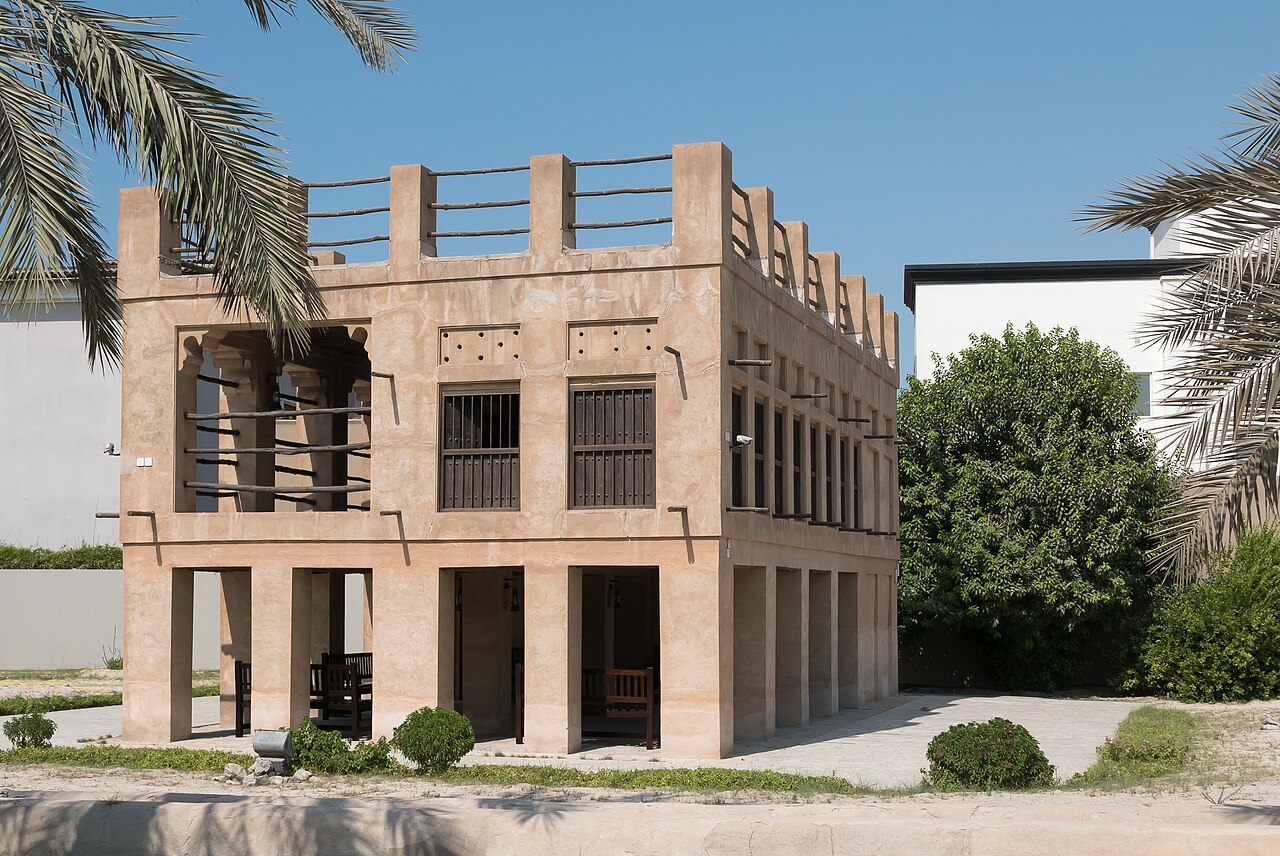
Majlis Ghorfat Umm Al Sheif is a historic majlis in Dubai’s Jumeirah area. A majlis is a traditional meeting or gathering space, and this building represents the social and architectural heritage of an earlier Dubai. Its importance lies in the way a relatively intimate structure can explain hospitality, conversation, community life, and regional building traditions. The site offers a quieter cultural contrast to Dubai’s towers, malls, and large-scale modern landmarks. Visit it to encounter a preserved form of Emirati domestic and communal architecture in a Jumeirah setting.
Checked 2026-08-26 · Source
Inside, visitors can focus on the traditional furnishings, seating arrangement, construction materials, and spatial organization associated with a Gulf majlis. The room’s design reflects the practical and social purpose of receiving people for conversation, hospitality, and deliberation. Decorative details and regional craft traditions reward a slower look than the building’s compact scale might suggest. The structure also shows how older construction responded to the local climate before Dubai’s modern transformation. This is a place to read an interior as cultural evidence: how people gathered, where they sat, and how architecture supported everyday social life.
Checked 2026-08-26 · Source
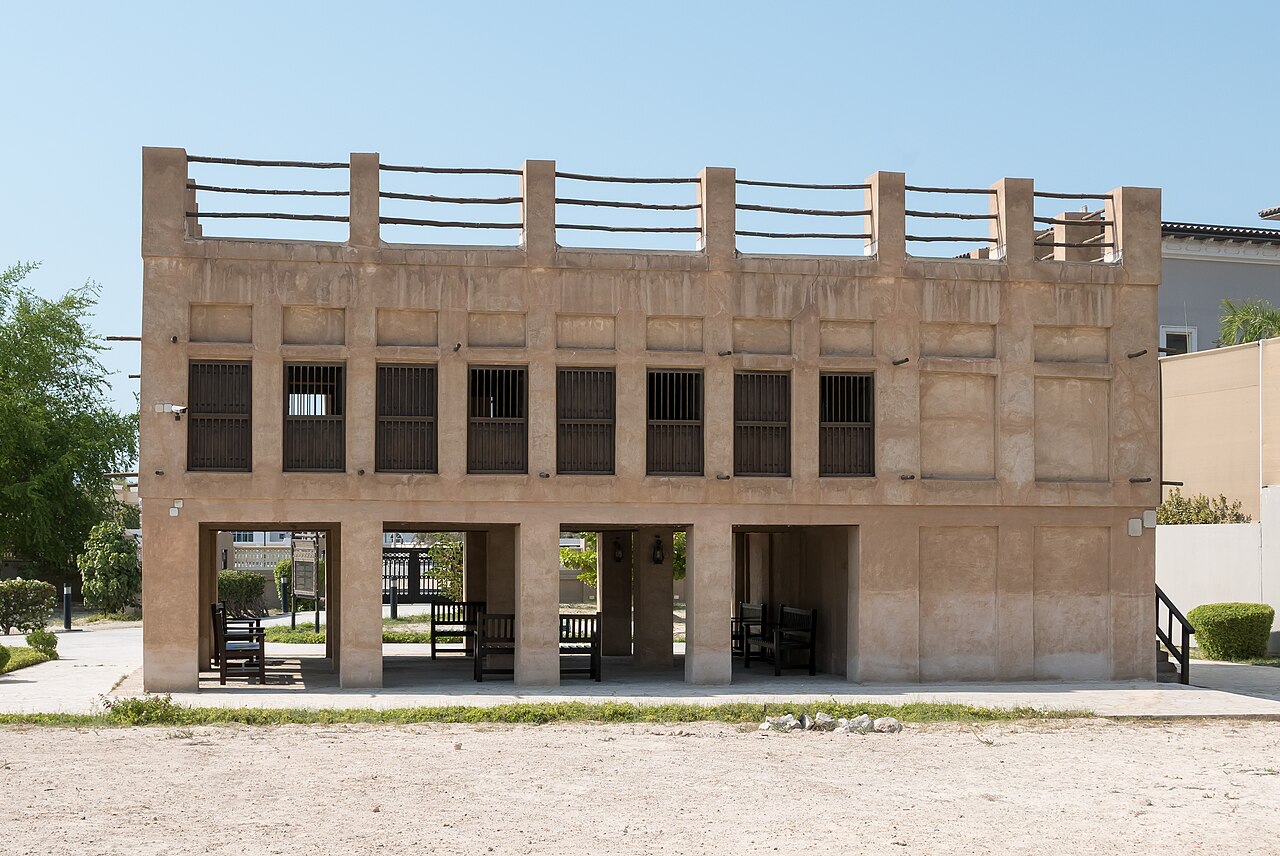
A focused visit usually takes around thirty to sixty minutes. That is enough time to look at the exterior, study the interior arrangement, notice construction details, and understand the building’s role as a gathering place. Travelers with a strong interest in Gulf architecture, traditional materials, or Emirati social customs may want to linger longer. Its compact scale makes the majlis easy to combine with other Jumeirah heritage stops. Keep the pace unhurried: the value is in observing the room and imagining its social function, not in covering a large complex.
Checked 2026-08-26 · Source
Dubai’s cooler months, from November through March, offer the most comfortable conditions for combining this heritage visit with time outdoors in Jumeirah. Morning and late afternoon can provide softer light around the traditional structure and reduce exposure to the strongest heat. The site is part of a residential heritage context, so a calm, respectful visit suits it better than a rushed stop in the middle of a busy day. Build the majlis into a Jumeirah cultural route, leaving enough time to appreciate the building’s details and its contrast with the surrounding modern city.
Checked 2026-08-26 · Source
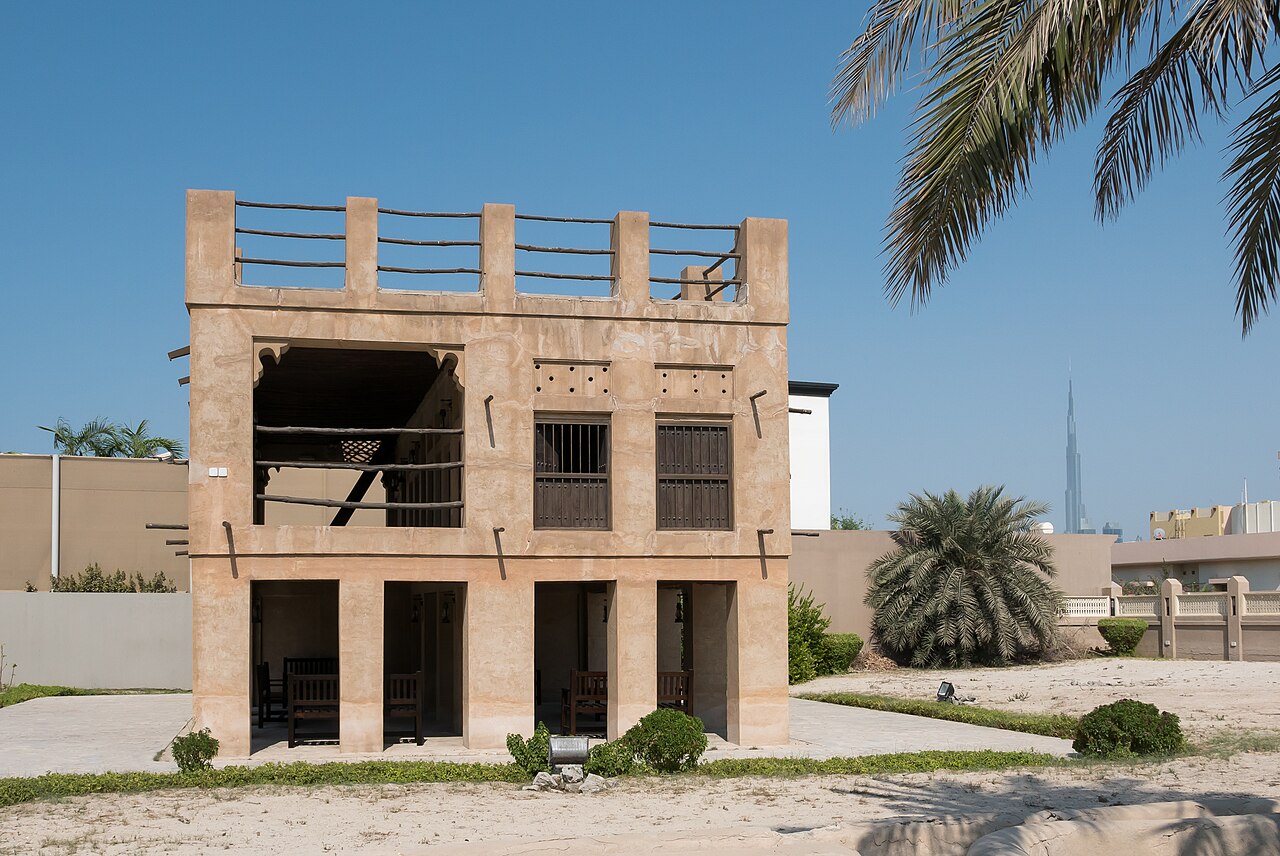
The majlis is a heritage property rather than a commercial entertainment venue. Plan the visit around seeing the preserved building, its traditional interior, and its cultural setting. Any cost associated with entering or arranging a visit belongs to the access policy of the heritage property, while the sightseeing experience itself is focused on architecture and history. Keep the stop modest in both time and planning: it is especially effective as one part of a Jumeirah heritage itinerary, paired with other cultural places rather than treated as a full-day attraction.
Checked 2026-08-26 · Source
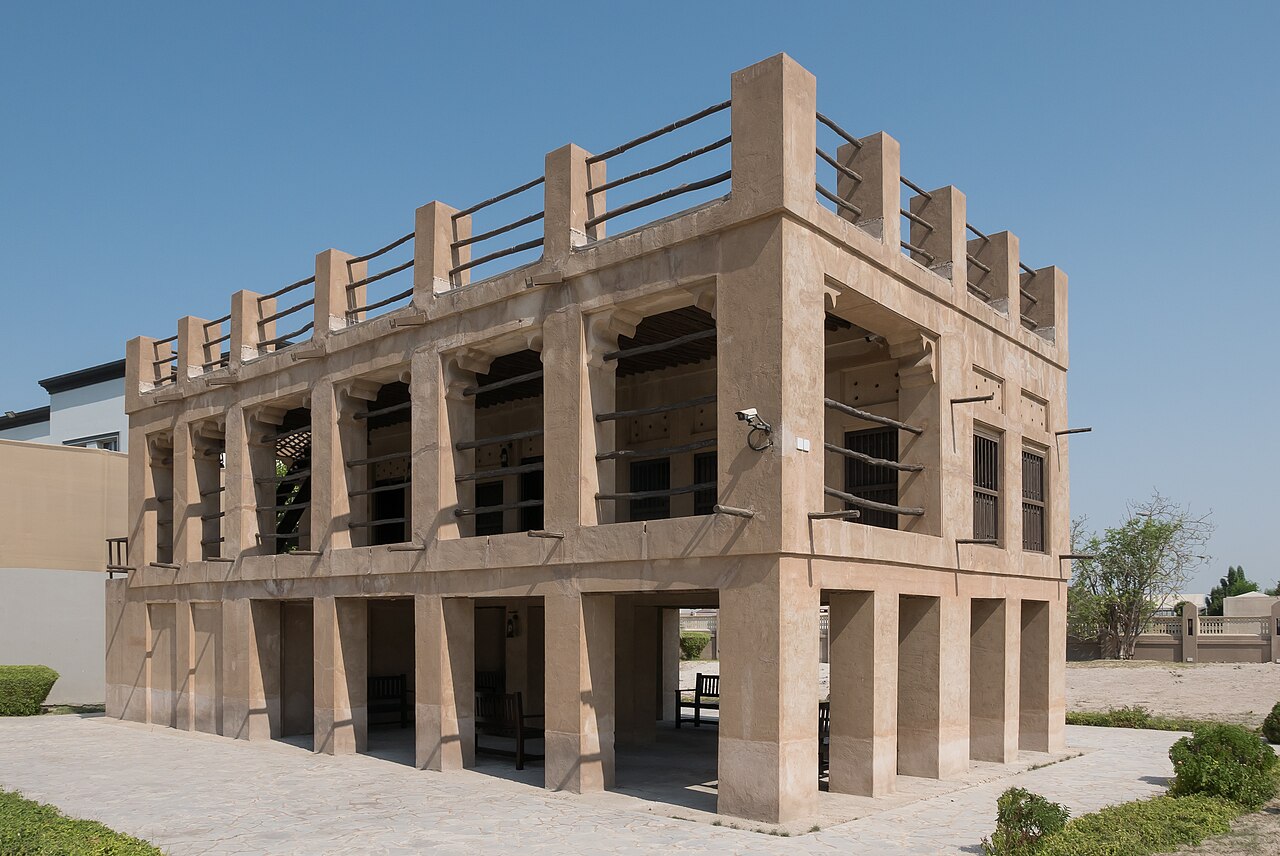
Majlis Ghorfat Umm Al Sheif is in Jumeirah, a district best approached by taxi, ride-hailing service, or private vehicle when the destination is the priority. Public buses serve the broader area, but the most useful final directions come from the exact map location rather than from a major landmark. Because the building sits in a residential heritage setting, allow time for the final approach and park or leave the vehicle considerately. Combining the majlis with nearby Jumeirah sights creates a more coherent outing than crossing Dubai solely for this short visit.
Checked 2026-08-26 · Source
Treat Majlis Ghorfat Umm Al Sheif as a preserved cultural place. Quiet behavior, careful movement, and respect for traditional interiors are appropriate. Remove footwear if the site’s own practice calls for it, and avoid touching furnishings or architectural details. Jumeirah’s climate makes water and sun protection useful when walking outside. The historic construction may not offer the same ease of movement as a new attraction, so take care around thresholds and compact interior spaces. Keep noise low in the surrounding residential area and leave parking, entrances, and neighboring homes unobstructed.
Checked 2026-08-26 · Source
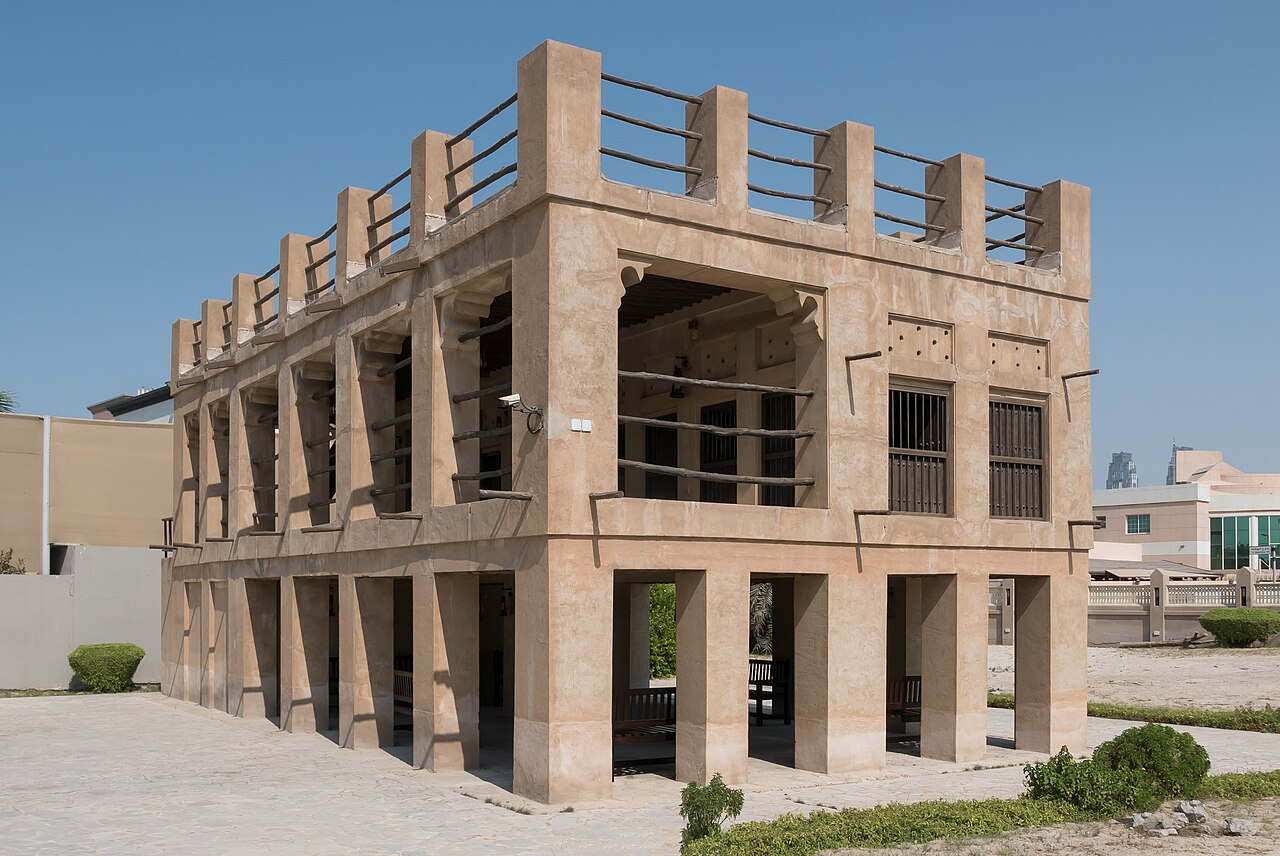
The majlis offers photographs of traditional Gulf architecture, both outside and within the preserved meeting space. Exterior images can show the building’s relationship with its Jumeirah setting, while interior compositions can focus on seating, materials, proportions, and decorative details. Use available light gently and avoid flash or tripod use where the site’s rules do not permit them. Photograph the structure without intruding on other visitors or any active cultural use. A slower, detail-oriented approach works best here: textures, doorways, shadows, and the arrangement of the room communicate more than a single wide image.
Checked 2026-08-26 · Source
A majlis is a traditional meeting or gathering space used for conversation, hospitality, community discussion, and deliberation.
It is located in Dubai’s Jumeirah area, within a residential heritage setting.
You can study traditional furnishings, seating arrangements, construction materials, decorative details, and the spatial design of a Gulf meeting house.
A focused visit usually takes approximately thirty to sixty minutes.
It preserves an example of traditional Emirati meeting-house architecture and illustrates the social importance of the majlis in Gulf life.
Keep noise low, move carefully, respect furnishings and the surrounding residential area, and follow any instructions about footwear or photography.
Loading the interactive map…
The interactive map could not be loaded.


Last updated:
Source: OpenStreetMap contributors, Wikidata ·