
_-_panoramio.jpg)
_-_panoramio.jpg)


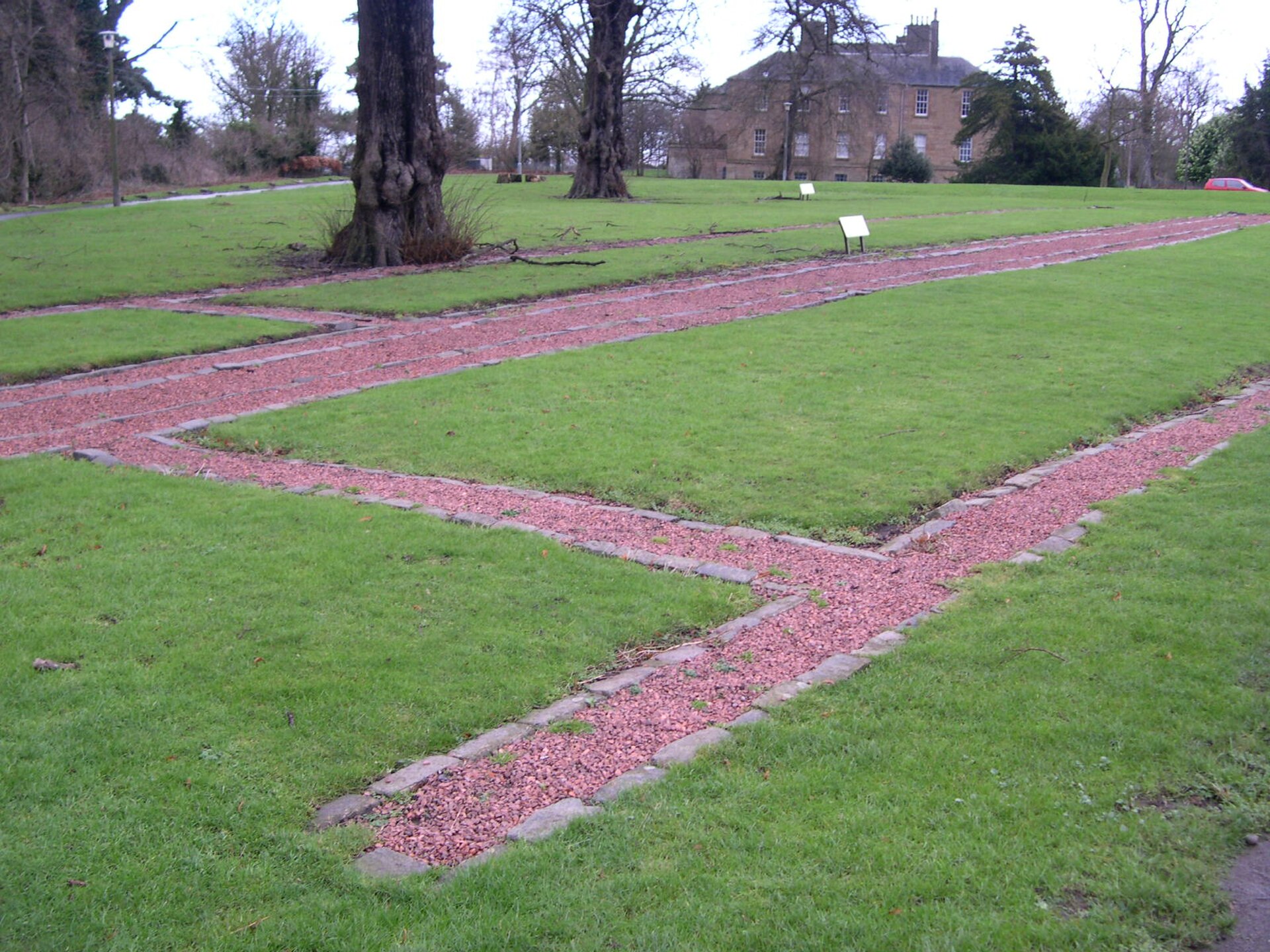
2 min walk
Cramond Roman Fort
- Must see · Heritage site
- Historic monument
Language · 11 published
Historic monument · Edinburgh
Reviewed by Elena Voss · Roavina Travel Editor
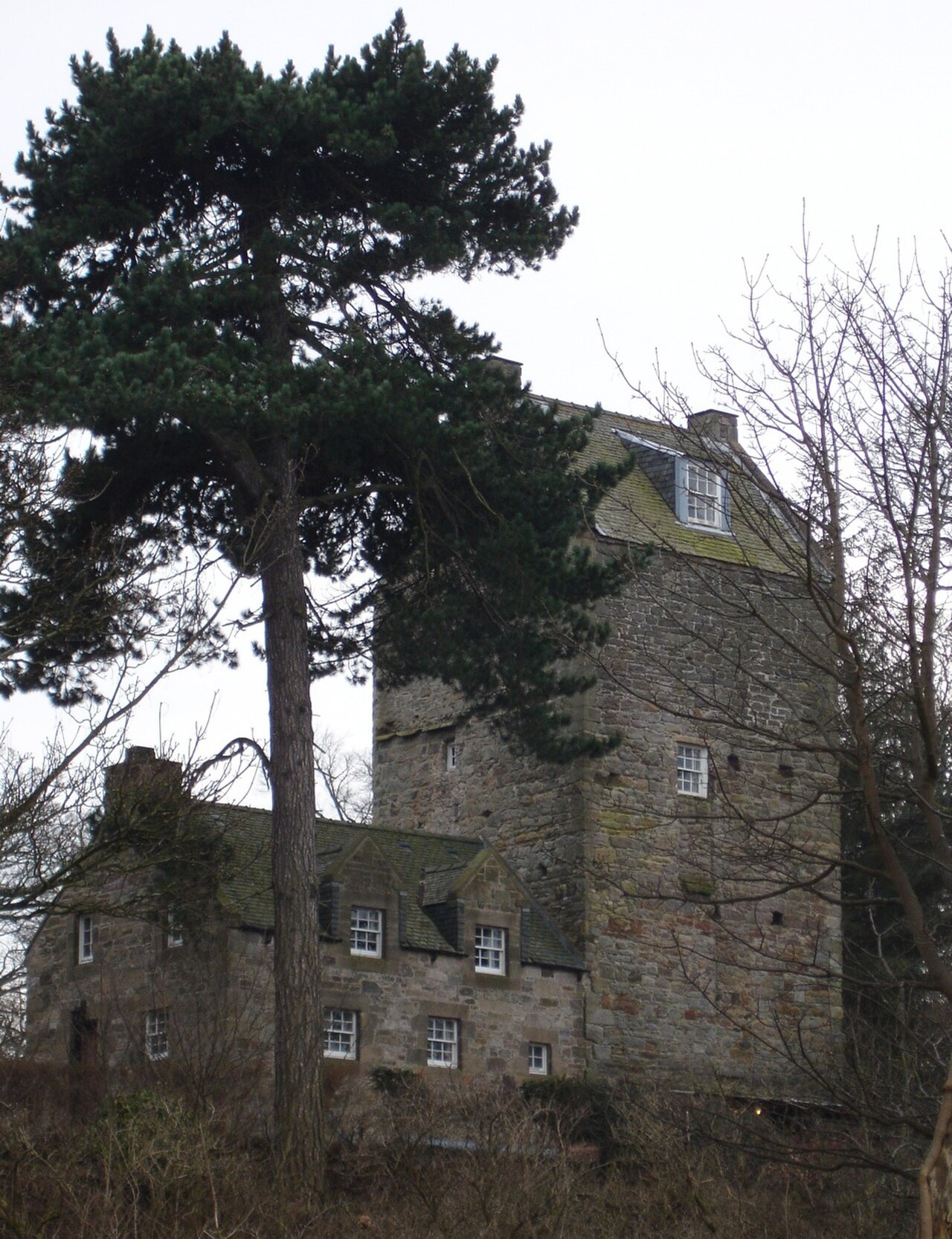
It carries the category B listed building heritage designation.
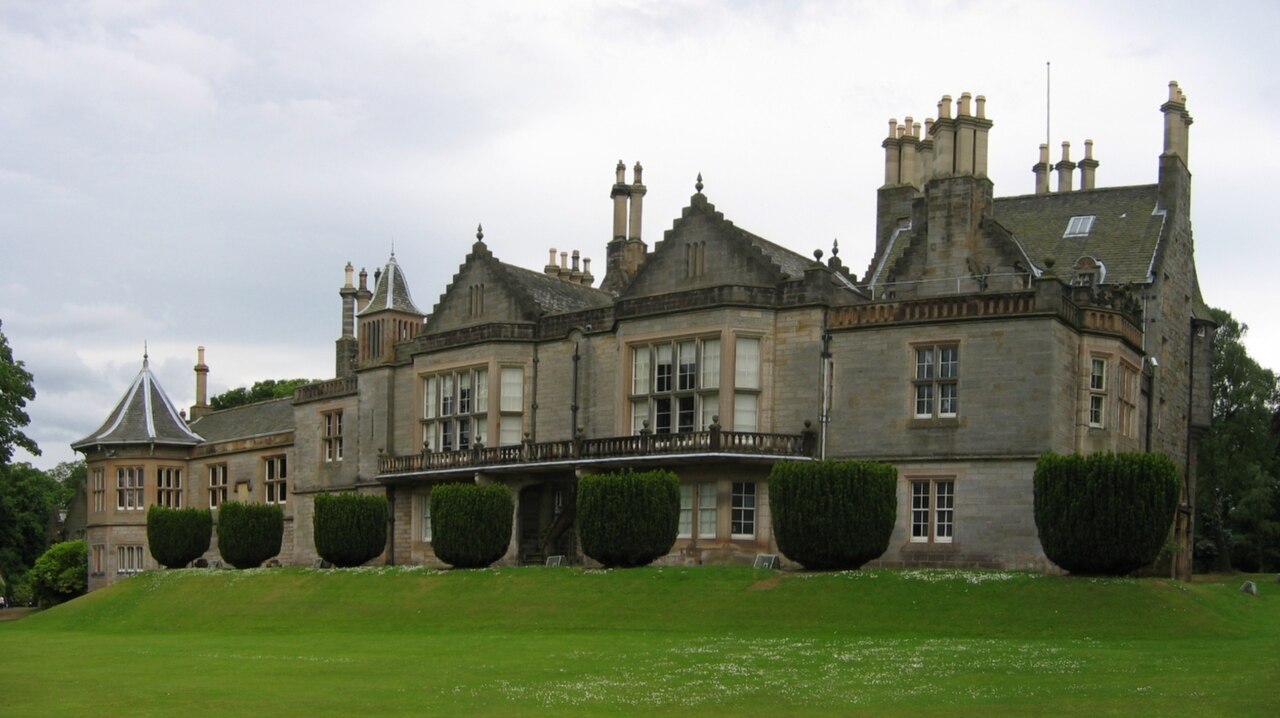
Cramond Tower is a historic tower house in Cramond, northwest Edinburgh. The building belongs to the area’s medieval heritage and reflects the Scottish tower-house tradition, where homes combined domestic life with defensive features. Its setting near Cramond village, the River Almond, and the Firth of Forth makes the tower part of a wider historic and coastal landscape. Cramond Tower is a historic tower house situated in the Cramond area of Edinburgh, Scotland. It stands as a remnant of the area's medieval heritage, reflecting the architectural tradition of Scottish tower houses that served both residential and defensive purposes. The structure is located near the village of Cramond, which occupies a significant place in Edinburgh's history due to its position at the mouth of the River Almond where it meets the Firth of Forth. The tower contributes to the understanding of settlement patterns and fortification styles in the Lothian region. Visitors should verify current status before travelling.
Checked 2026-08-26 · Source
Cramond Tower is best understood through its surviving historic structure and external setting. Tower houses were arranged vertically, with living areas, storage, and defensive elements distributed through several levels. The surrounding village and shoreline add context to the building, linking it with the River Almond and the Firth of Forth. Focus on the architecture and landscape together. As a historic tower house, it would originally have contained multiple levels including living quarters, storage areas, and potentially defensive positions typical of such structures. Those interested in specific interior features should seek current information from local heritage authorities or visit in person to assess accessibility.
Checked 2026-08-26 · Source
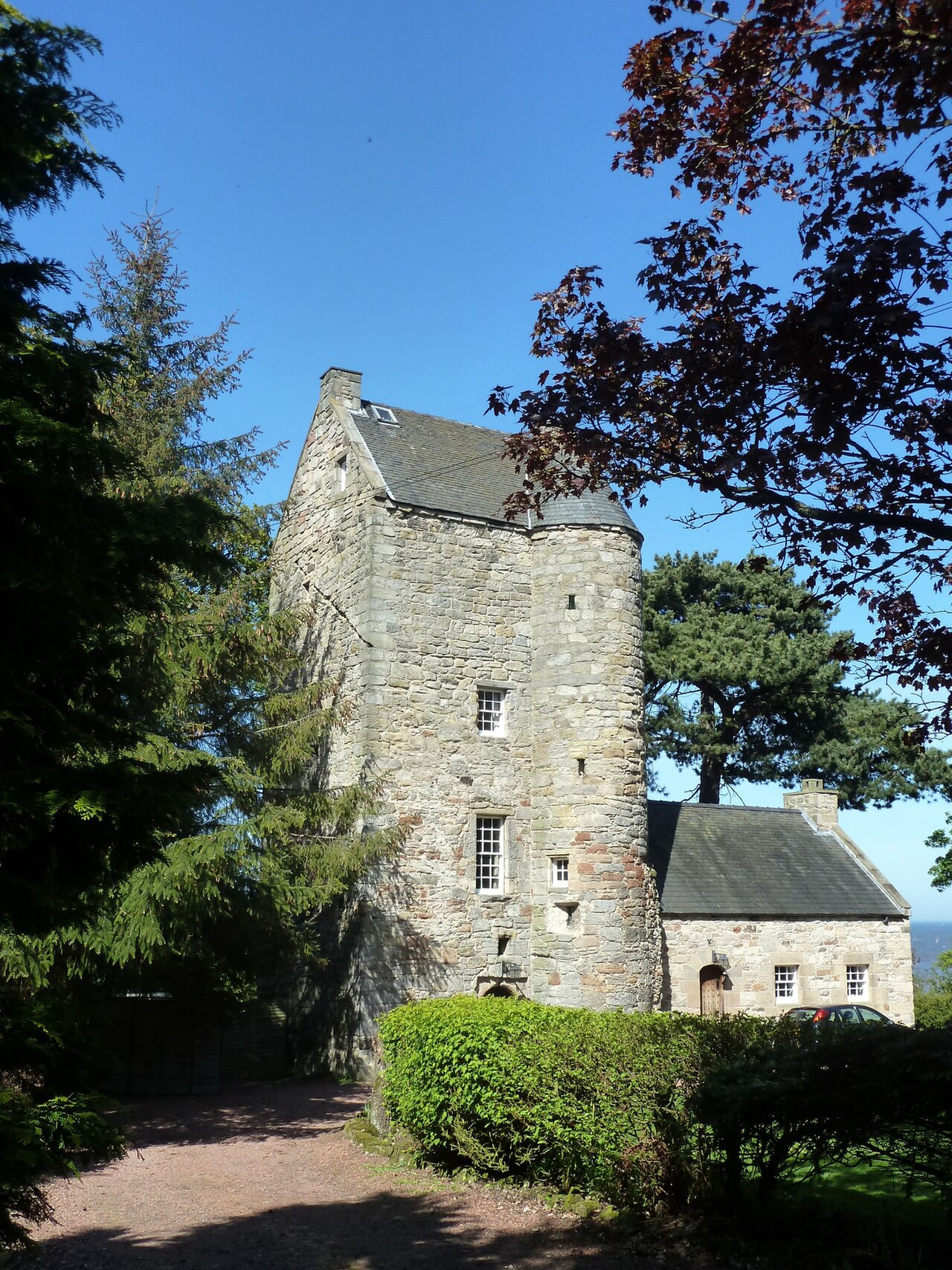
Allow thirty minutes to an hour for an exterior-focused visit, including time to study the tower’s masonry, form, and relationship with Cramond village. To explore the broader area, reserve a half-day for the tower, village streets, River Almond surroundings, Forth shoreline, and nearby Roman remains. Walking conditions and the coastal setting can extend the outing. The duration of a visit to Cramond Tower depends significantly on whether exterior viewing only or interior access is possible. For exterior appreciation and photography, visitors might allocate thirty minutes to one hour, including time to examine architectural details and the surrounding context. If the tower forms part of a broader exploration of Cramond village, the Forth shoreline, and nearby Roman remains, a half-day excursion would be appropriate. Visitors should adjust expectations according to confirmed access conditions at the time of their visit.
Checked 2026-08-26 · Source

Daylight is the most useful time for appreciating Cramond Tower from outside and for walking through the surrounding historic landscape. Longer summer daylight leaves more room for the village and shoreline, while changing weather can make the coastal setting feel exposed. Plan the tower as part of a daytime Cramond excursion rather than an evening attraction. The tower may not maintain regular public opening hours as a managed attraction. Exterior viewing is theoretically possible during daylight hours, though this depends on the property's current ownership and any access restrictions in place.
Checked 2026-08-26 · Source
Cramond Tower is a heritage structure rather than a major commercial attraction. The main value of a visit comes from seeing the tower in its village and coastal context, then continuing through Cramond’s historic surroundings. Keep the stop flexible and devote more time to the wider landscape if the building itself can only be viewed externally.
Checked 2026-08-26 · Source

Cramond Tower is in Cramond, northwest of Edinburgh city centre. Bus connections serve Cramond village, and the tower can be combined with walking along the River Almond and the Firth of Forth. Private vehicles provide another way to reach the area, while cycling is possible for visitors prepared for Edinburgh traffic and the distance from central districts.
Checked 2026-08-26 · Source

Respect signs, boundaries, and private property around the tower. Historic masonry can be uneven, and older structures do not provide the smooth surfaces or safety features of a modern attraction. Near the Firth of Forth, wind and weather can change quickly. Wear practical footwear for the surrounding walk and keep the visit to public areas.
Checked 2026-08-26 · Source
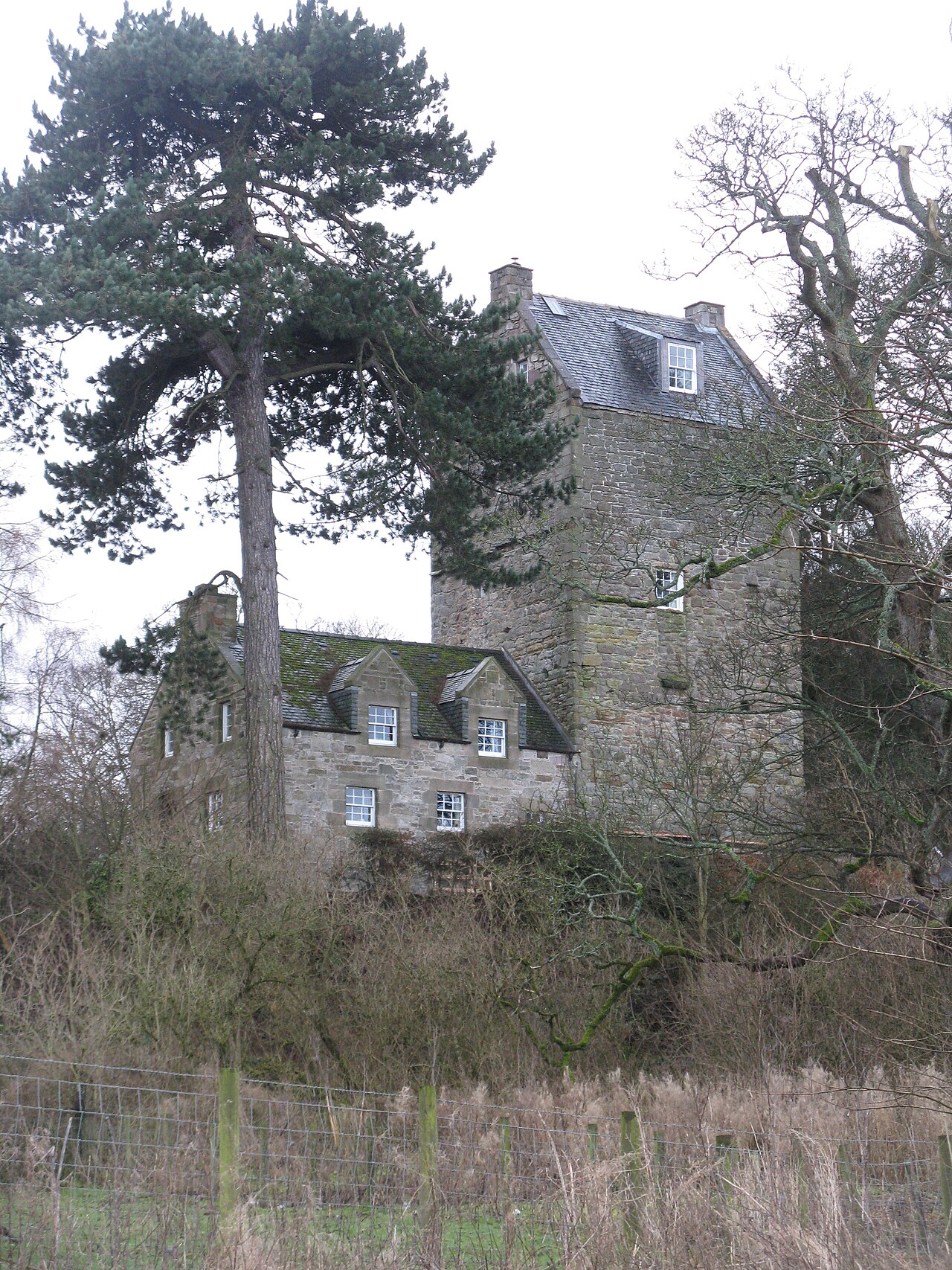
Cramond Tower works well as an architectural subject, especially when photographed with the village or coastal landscape around it. Exterior views can show the vertical form and defensive character of the tower more clearly than a close crop. Morning or evening light can emphasise masonry texture. Keep cameras and tripods within public areas and do not obstruct paths.
Checked 2026-08-26 · Source
Cramond Tower is in Cramond, northwest of Edinburgh, near the River Almond and the Firth of Forth.
It is a historic Scottish tower house, a building tradition that combined domestic accommodation with defensive features.
Allow thirty minutes to an hour for the tower and up to half a day for Cramond village, the shoreline, and nearby Roman remains.
Combine it with Cramond village, the River Almond surroundings, the Firth of Forth shoreline, and nearby Roman remains.
Bus connections serve Cramond village from Edinburgh, and the area can also be reached by private vehicle, bicycle, or on foot from nearby points.
Practical footwear and weather-ready clothing are useful for the uneven historic setting and exposed coastal walk around Cramond.
Loading the interactive map…
The interactive map could not be loaded.

Last updated:
Source: OpenStreetMap contributors, Wikidata ·