


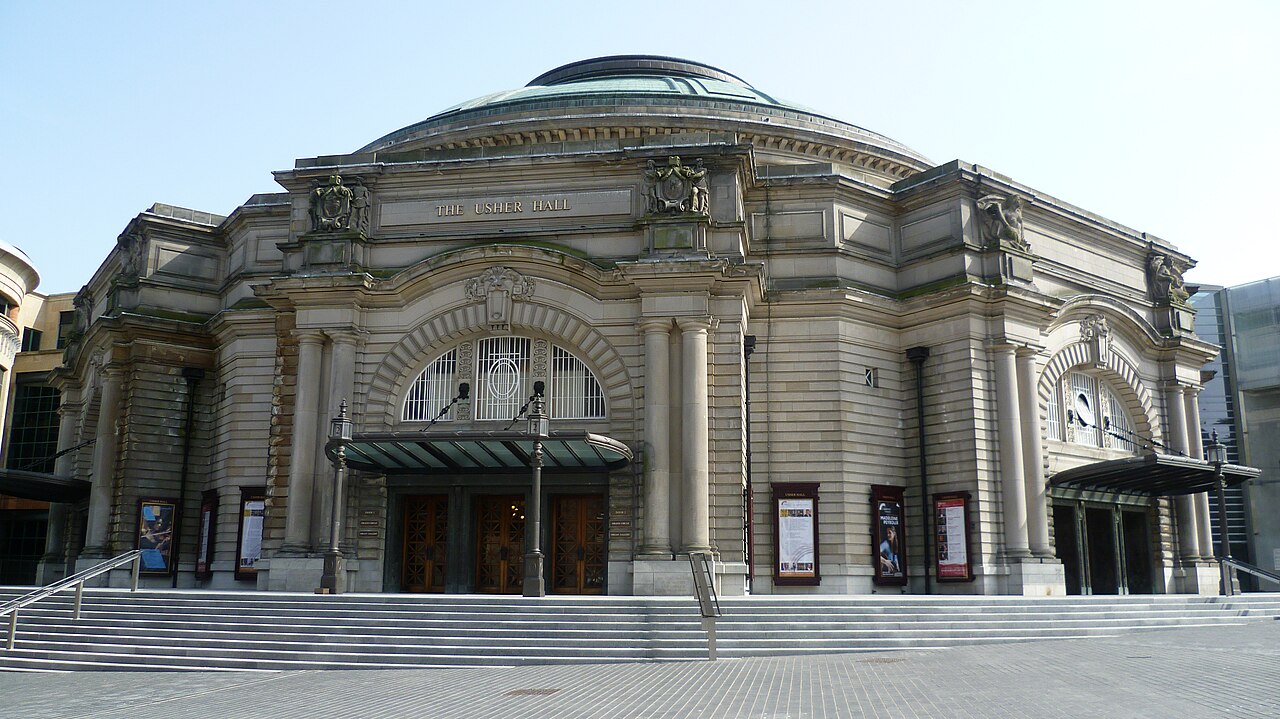
1 min walk
Usher Hall
- Must see · Heritage site
- Art and culture venue
Art and culture venue · Edinburgh
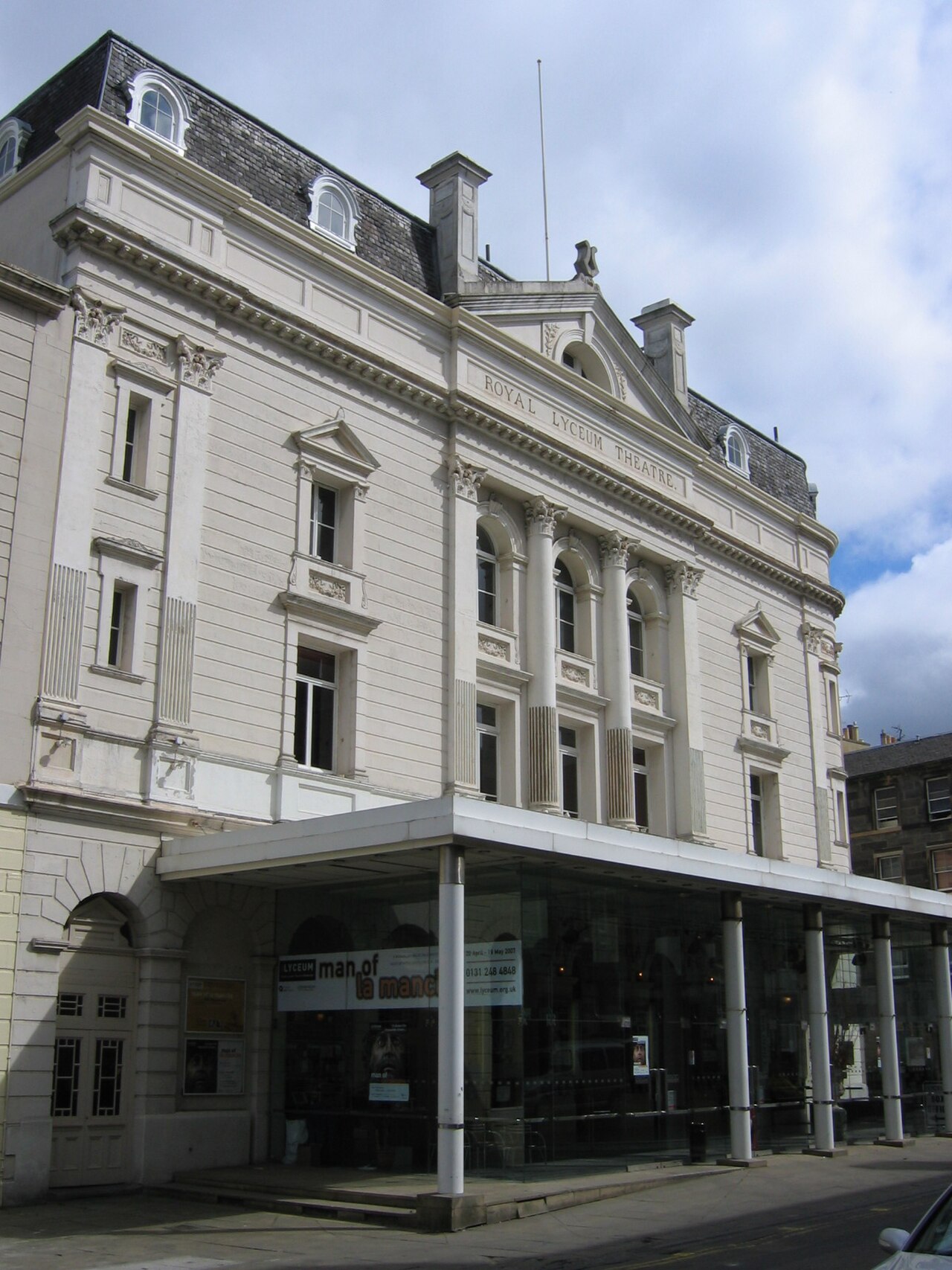
The Royal Lyceum Theatre is a producing theatre in central Edinburgh, established in 1883. It is one of Scotland’s important theatrical venues, presenting its own productions alongside visiting work. For travellers, the theatre offers a way to experience Edinburgh’s continuing performance culture in a historic setting. The most rewarding visit is tied to a chosen production, whether you prefer drama, comedy, adaptation or another form of live theatre. The Royal Lyceum Theatre is a prominent producing theatre located in Edinburgh, Scotland. Established in 1883, it stands as one of Scotland's leading theatre venues. The building occupies a significant position within Edinburgh's cultural landscape, contributing to the city's reputation as a major centre for performing arts. The theatre operates as a receiving house for touring productions and as a producing theatre creating its own work. Its architectural presence marks it as a notable landmark for visitors interested in Scotland's theatrical heritage and contemporary performance culture. The theatre operates primarily as a performance venue. Visitors should contact the theatre directly to enquire about any possible building access or heritage tours.
Checked 2026-08-26 · Source
The theatre is organised around a principal auditorium with a traditional proscenium stage. Audience areas include a foyer for arrival and circulation, while backstage spaces support both in-house work and touring companies. The building’s Victorian origins contribute to its atmosphere, but the focus remains contemporary theatre rather than a static heritage exhibition. Visitors should expect a performance-led experience, with the auditorium, stage and audience rituals at its centre. The theatre contains a main auditorium with traditional proscenium arch staging, supporting large-scale theatrical productions. Backstage facilities accommodate touring companies and in-house productions. Public areas include a foyer space for audience gathering and circulation. The venue's operational infrastructure serves both commercial touring productions and the theatre's own creative output, maintaining its dual function within Edinburgh's performing arts ecosystem.
Checked 2026-08-26 · Source

Set aside the running time of the production you are attending, commonly around two to three hours when an interval is included. Arrive before curtain-up so you can find the entrance, collect or confirm your seat and settle without rushing. A visitor interested only in the exterior can make a brief stop during a central Edinburgh walk, but the theatre itself is experienced through a scheduled performance. Visitor duration at the Royal Lyceum Theatre depends entirely upon the specific production attended. Standard theatrical performances typically range between two to three hours, often including an interval.
Checked 2026-08-26 · Source
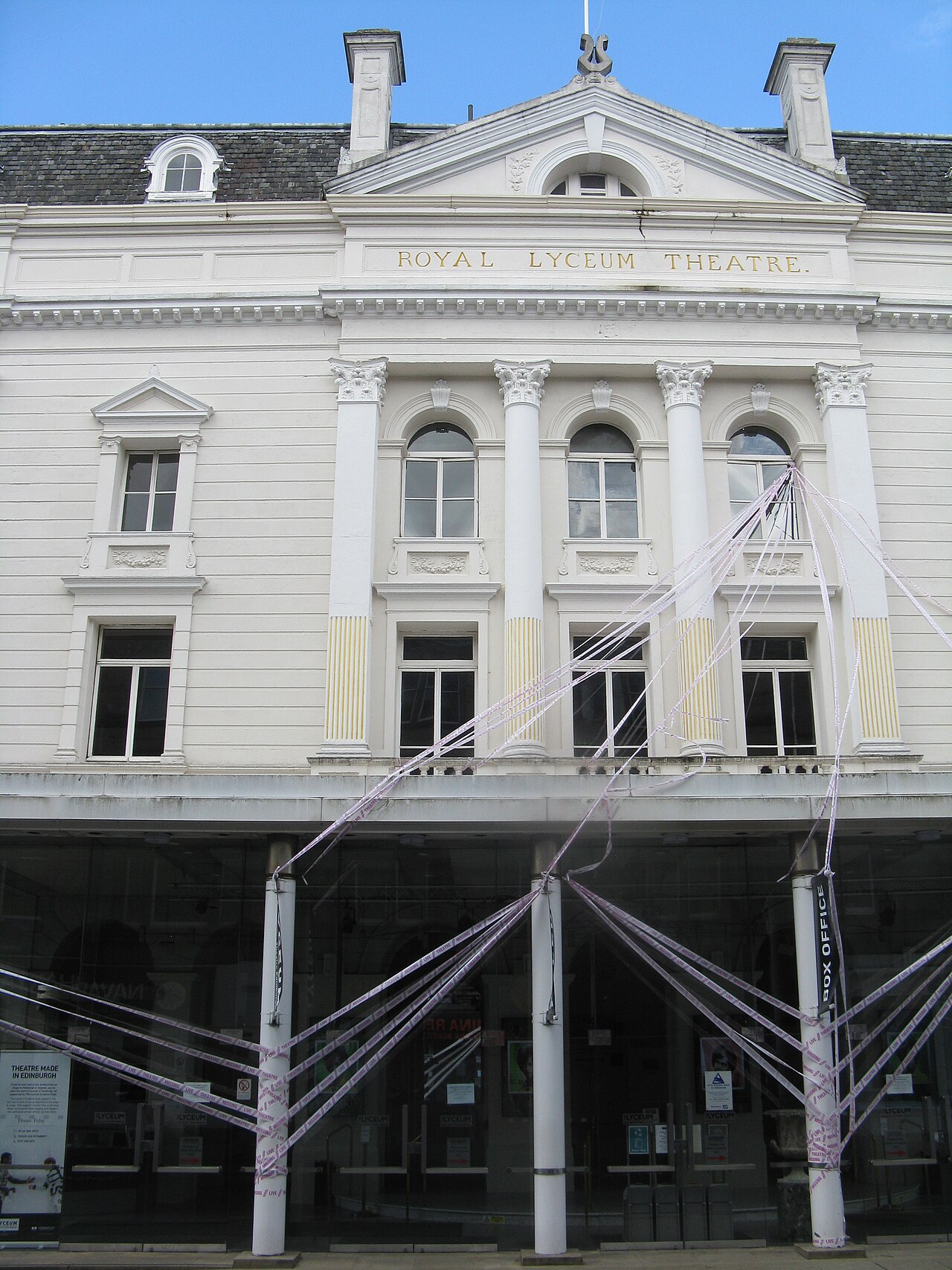
The Royal Lyceum Theatre presents work across the year, with the strongest demand often arriving around Edinburgh’s busy festival period in August. Select the production and date that fit your itinerary, then plan the surrounding evening around the curtain time. Edinburgh’s cool, changeable weather makes a coat useful for the journey home. Popular shows can fill quickly, particularly when the city’s cultural calendar is at its busiest.
Checked 2026-08-26 · Source
Admission is organised by performance, with prices shaped by the production, seat and time of the show. Some events may provide concession categories. Choose the production through the theatre’s authorised booking route, then review the available seating before completing the purchase. The building does not function as a general paid museum; access is centred on the ticket for the performance you select.
Checked 2026-08-26 · Source
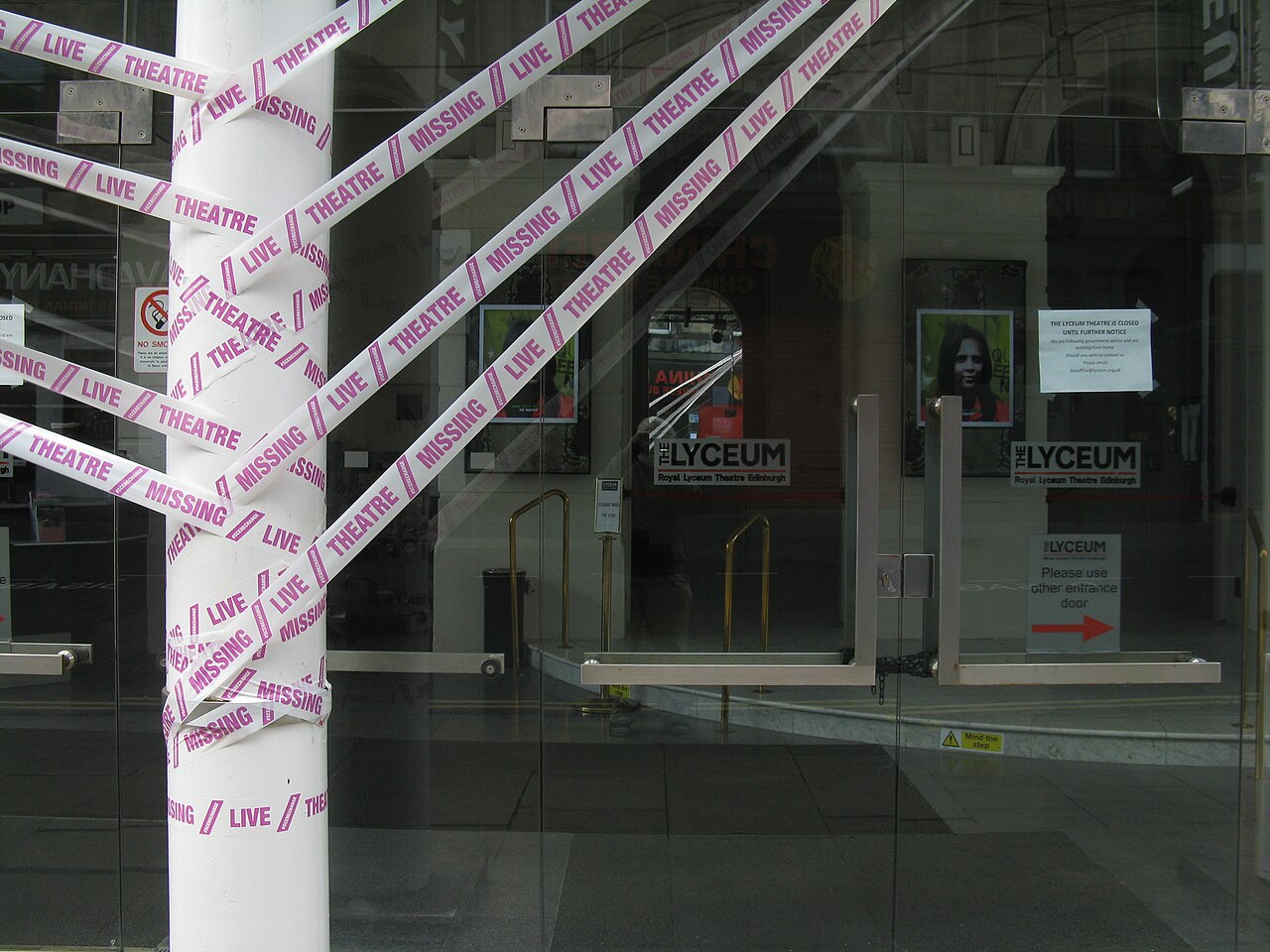
The Royal Lyceum Theatre occupies a central Edinburgh location, reachable on foot from major visitor areas and from Edinburgh Waverley station with a walk across the city centre. Local buses serve the surrounding streets. Its position near other cultural venues makes a theatre evening easy to combine with a daytime museum visit or a meal nearby. Central street parking is limited, so public transport or walking is practical.
Checked 2026-08-26 · Source

Arrive before the advertised start because late arrival can interrupt the performance and may delay entry until a suitable moment. Silence mobile phones once inside and keep conversation for the interval. The theatre’s older building character means seating and circulation can differ from a modern venue. If you need particular seating or access arrangements, raise them during booking so the box office can match them to the production.
Checked 2026-08-26 · Source
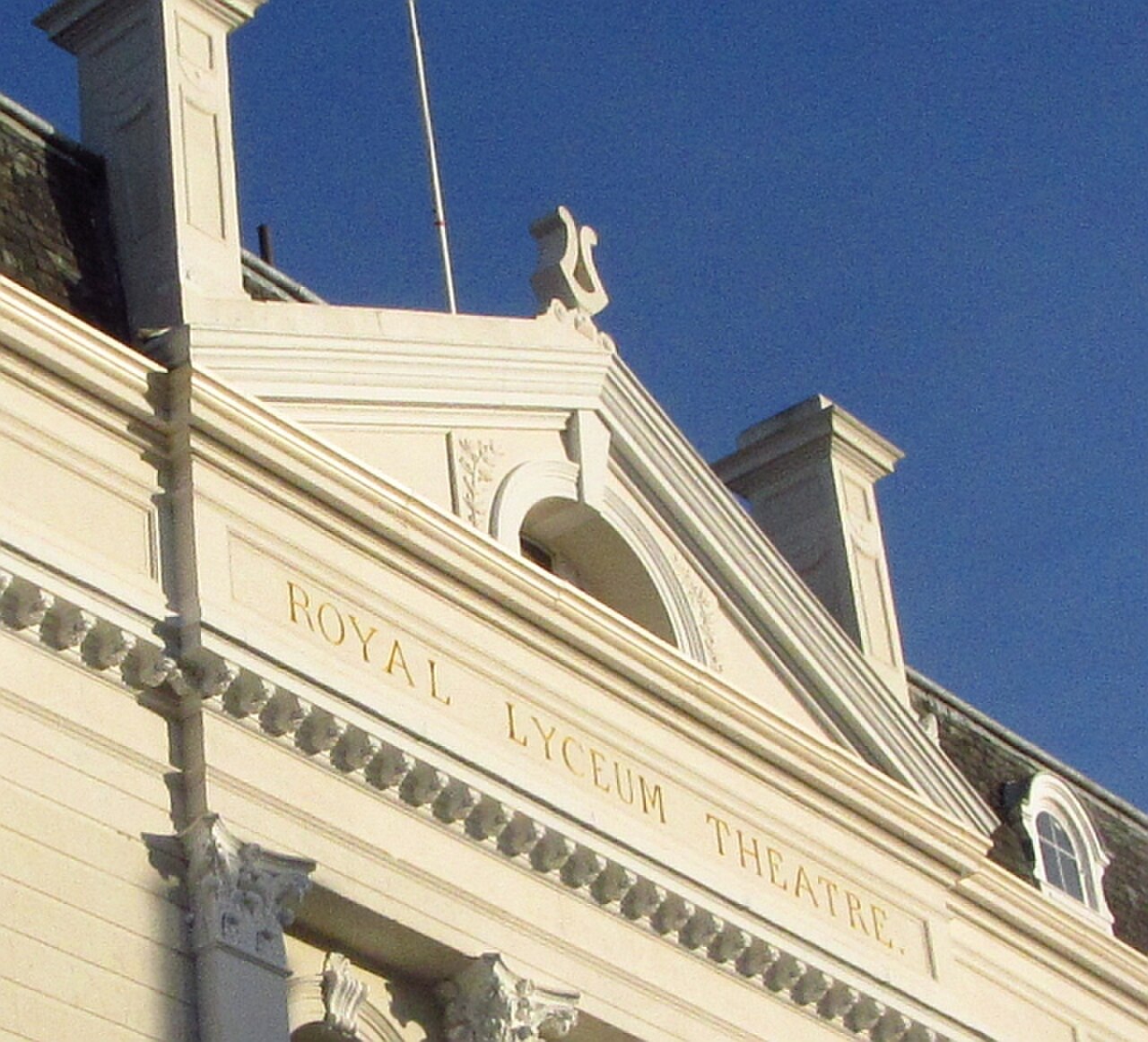
Photographing the exterior is a natural addition to a walk through central Edinburgh. During a performance, avoid photography, filming and audio recording, since these activities distract audiences and can conflict with production rules. Interior photography before the show or during an interval depends on the venue’s arrangements and the event. A respectful theatre visit keeps phones away during the performance and preserves the atmosphere for everyone.
Checked 2026-08-26 · Source
It is a producing theatre established in 1883, presenting its own work as well as visiting productions in central Edinburgh.
Allow around two to three hours for many productions when an interval is included, plus time to arrive before curtain-up.
The theatre is in central Edinburgh, within walking distance of major visitor areas and Edinburgh Waverley station.
Demand can be particularly strong during Edinburgh’s festival period in August, although the theatre presents work throughout the year.
Arrive early enough to find your entrance, settle into your seat and silence your mobile phone before the performance starts.
Avoid photography, filming and audio recording during the performance; exterior photography is suitable from public streets.
Loading the interactive map…
The interactive map could not be loaded.
Last updated:
Source: OpenStreetMap contributors, Wikidata ·