Scottish National Gallery
National Gallery
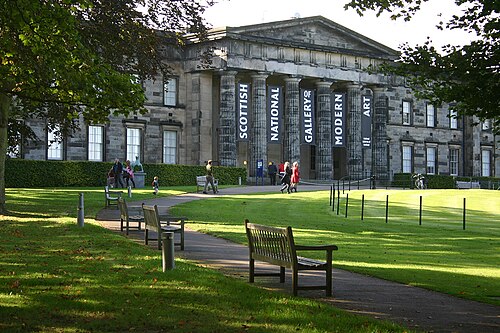
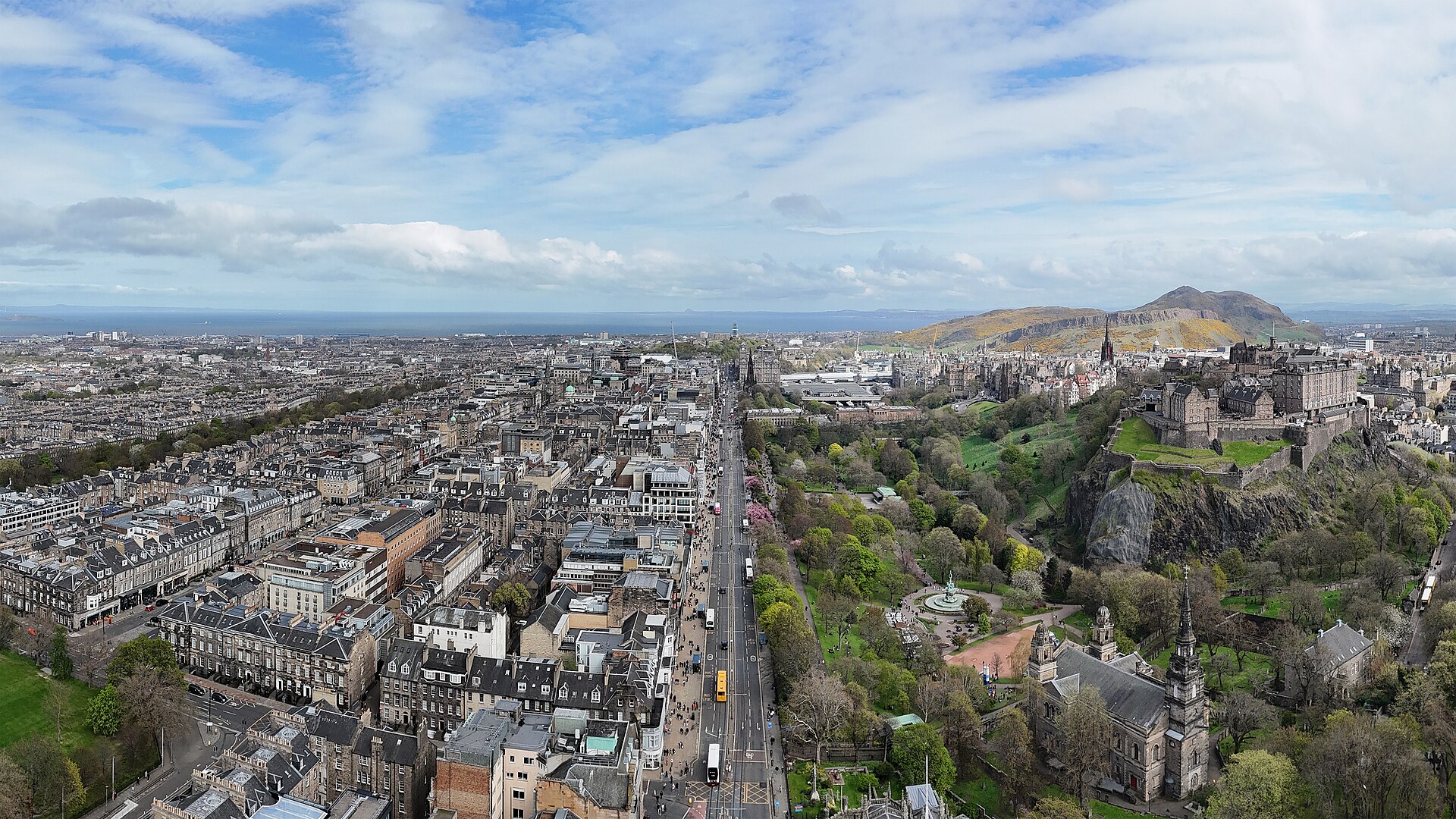
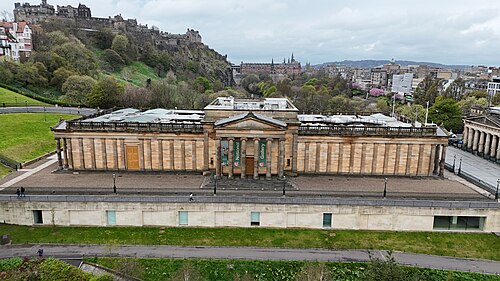
The Scottish National Gallery, branded by National Galleries of Scotland simply as the National, is the principal gallery on the Mound above Princes Street Gardens.
- Must see
- Art and culture venue
Language · 11 published
City guide · United Kingdom
Edinburgh is built around a dramatic ridge-and-valley centre, with the Old Town and New Town facing each other across Princes Street Gardens. Most major central sights are walkable, but steep streets, closes and cobbles slow the route. Buses and trams connect the centre with Leith, the airport and outer districts. Plan uphill and downhill sections deliberately rather than treating the map as flat.
Reviewed by Elena Voss · Roavina Travel Editor
Set your days, your pace and the hours you actually want to be out. The planner works around closing days and travel time, and leaves room to eat.
Ranked by importance — sitelinks, pageviews and heritage status, not editor preference.
15 places match
Category
Typical visit duration
Interests
National Gallery
The Scottish National Gallery, branded by National Galleries of Scotland simply as the National, is the principal gallery on the Mound above Princes Street Gardens.
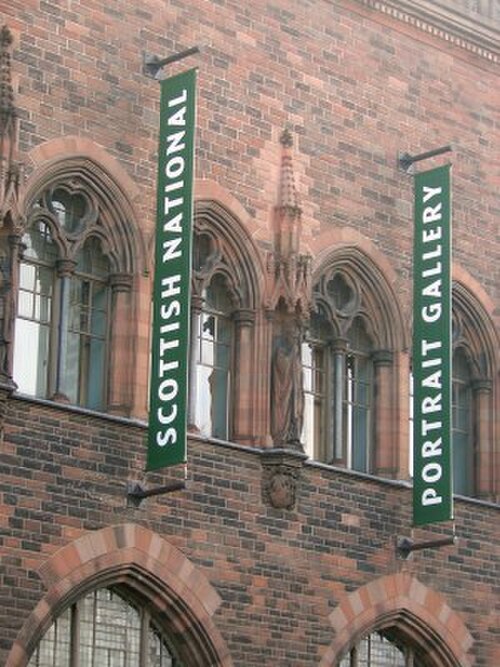
The Scottish National Portrait Gallery is Edinburgh’s national museum of portraiture, housed in a red sandstone neo-Gothic building on Queen Street. Robert Rowand Anderson designed the building, which opened in 1889.
The Scottish National Gallery of Modern Art is a major art museum in Edinburgh, Scotland. It forms part of National Galleries Scotland, the country's national collection of art.
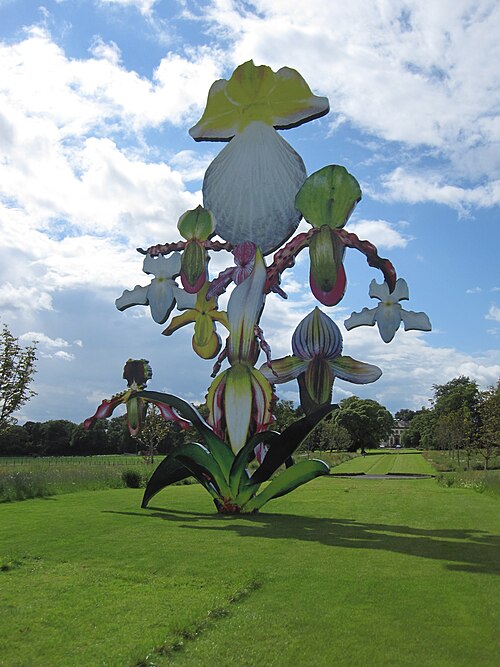
Jupiter Artland is a contemporary sculpture park and art gallery located on the outskirts of Edinburgh. The venue occupies extensive grounds and presents large-scale artworks by international artists within a designed landscape setting.
Festival Theatre
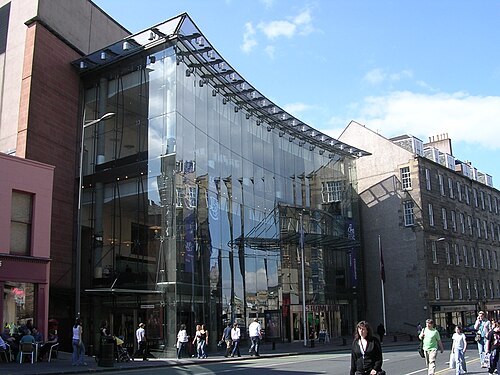
Edinburgh Festival Theatre is a major performing arts venue in Edinburgh, Scotland. It stands as one of the city's principal theatres, hosting a diverse programme of opera, ballet, musical theatre, and drama.
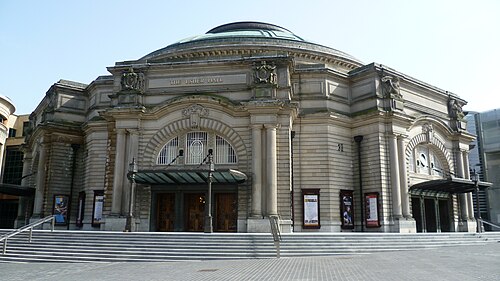
Usher Hall is a major concert venue in central Edinburgh, Scotland. This Victorian-era auditorium was built for musical performance and remains a working cultural venue.
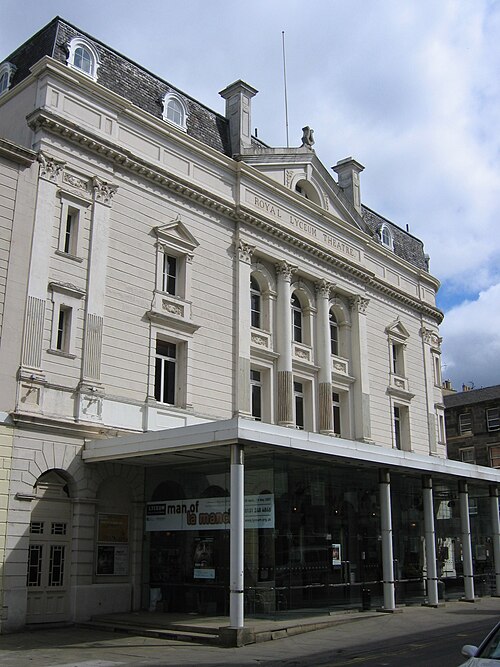
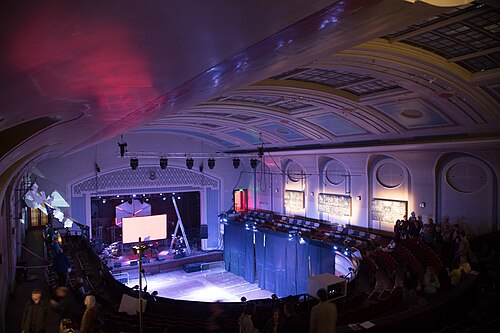
The Royal Lyceum Theatre is a producing theatre in central Edinburgh, established in 1883. It is one of Scotland’s important theatrical venues, presenting its own productions alongside visiting work.
Leith Theatre is a historic performing-arts venue in Leith, the former port town incorporated into Edinburgh in 1920. The building belongs to the district’s cultural heritage and reflects Leith’s long community identity alongside its connection to the wider city.
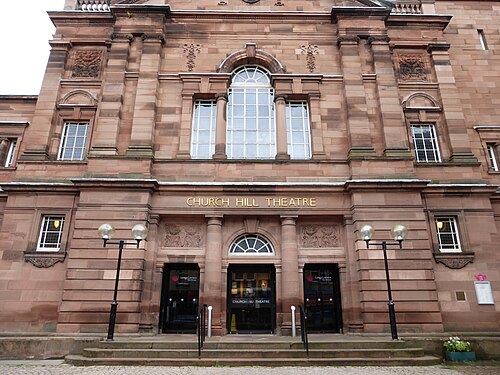
Church Hill Theatre is an Edinburgh performance venue serving the city's theatre and community arts life. It gives visitors an opportunity to experience a local theatre setting beyond the largest festival stages and major central institutions.
The Assembly Rooms is a historic entertainment and events venue on George Street in Edinburgh’s New Town. Established in the late eighteenth century, it has long provided a setting for social gatherings, performances and civic occasions.
Fruitmarket
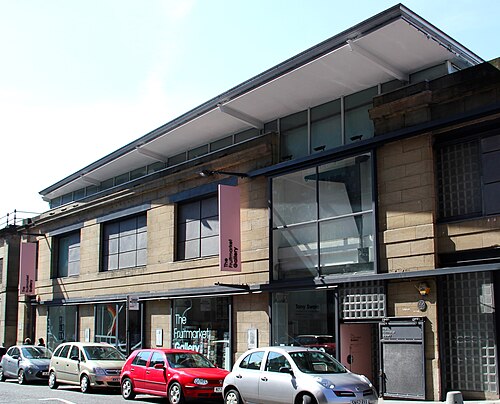
Fruitmarket Gallery is a contemporary art gallery in central Edinburgh, housed in a former fruit and vegetable market building. Its identity comes from the meeting of industrial architecture and changing contemporary art.
City Art Centre
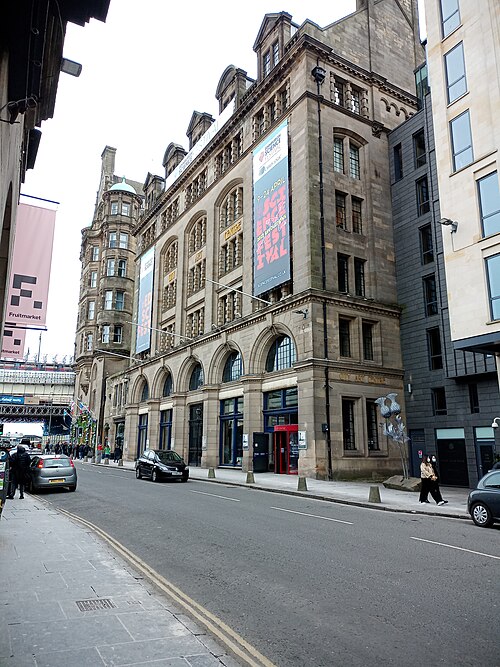
The City Art Centre is a municipal art gallery situated at 1-6 Market Street in Edinburgh, Scotland. It occupies a multi-storey building in the Old Town area, close to Waverley railway station.
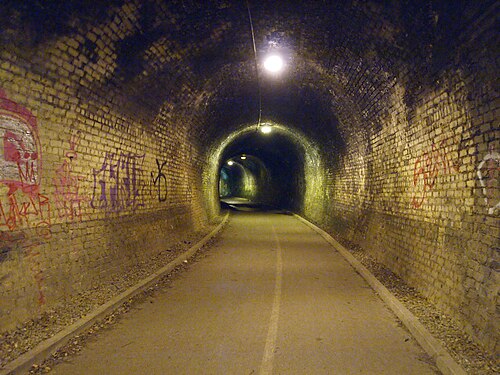
Colinton Tunnel is a historic transport structure in Edinburgh's Colinton district. The tunnel formed part of the former Edinburgh and Glasgow Union Canal route before later railway use, and its brick-lined construction reflects Victorian transport engineering.
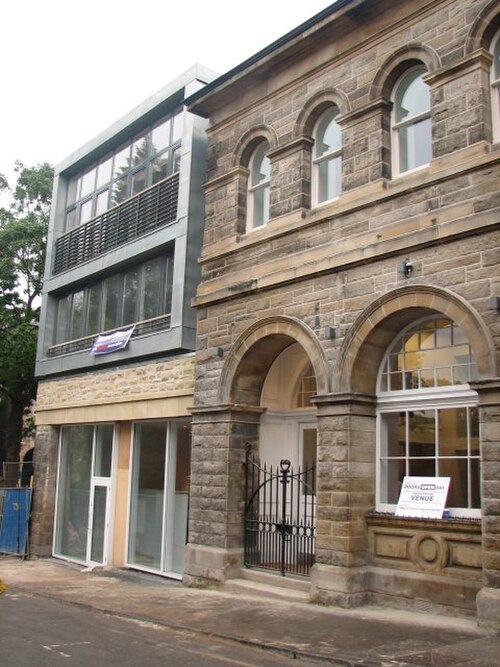
Dovecot Gallery is a contemporary arts venue in central Edinburgh, housed in a building constructed in 1912 for the Edinburgh Tapestry Company. Its identity connects the city’s textile-making tradition with present-day exhibitions of art, craft and design.
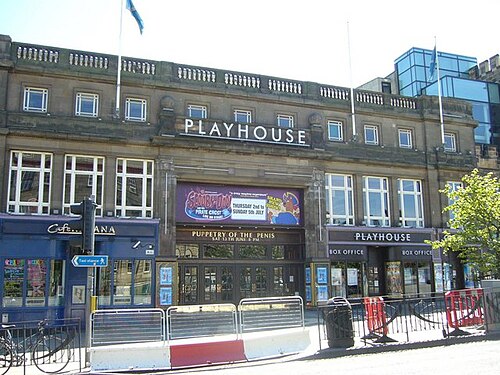
Edinburgh Playhouse is one of Edinburgh’s major live-performance venues and one of the United Kingdom’s largest working theatres by audience capacity.
Source: OpenStreetMap contributors, Wikidata ·
The Old Town follows the Royal Mile ridge from Edinburgh Castle to Holyrood, with closes descending sharply on both sides. Across the valley, the Georgian New Town extends north from Princes Street. Calton Hill stands east of the central station, while the Meadows and university districts spread south. Leith forms a separate waterfront centre to the northeast, and Portobello lies farther east on the coast. Arthur’s Seat and Holyrood Park need their own weather-dependent block.
Checked 2026-08-26
Walk between the Old Town and New Town, allowing extra time for slopes and cobbled surfaces. Lothian buses cover the city and surrounding districts, while the tram links the airport, city centre, Leith and Newhaven corridor. Contactless payment is available on the principal bus network, and official journey tools show current services. Use transit for Leith, Portobello and outer attractions rather than extending an already steep central walking day.
Checked 2026-08-26
Two to three days suit a first visit. One day can follow the Old Town ridge, another can cover the New Town and museums, and a third allows Leith or a weather-dependent outdoor route.
May through September offers longer daylight for viewpoints and neighbourhood walks. Festival periods can change availability and crowd levels, so confirm dates before choosing accommodation.
The central sights are close enough to walk, but steep gradients, steps and cobbles make distances feel longer. Group the Old Town ridge and New Town separately instead of repeatedly crossing the valley.
Use the tram or city buses from central Edinburgh. Leith is a separate waterfront district, so it works better as a coherent half-day than as a quick detour between Old Town sights.
The principal Lothian bus network accepts contactless payment and applies its current fare rules through the operator system. Use the same card or device consistently and review current visitor guidance before boarding.