
27 min walk · London Borough of Hounslow
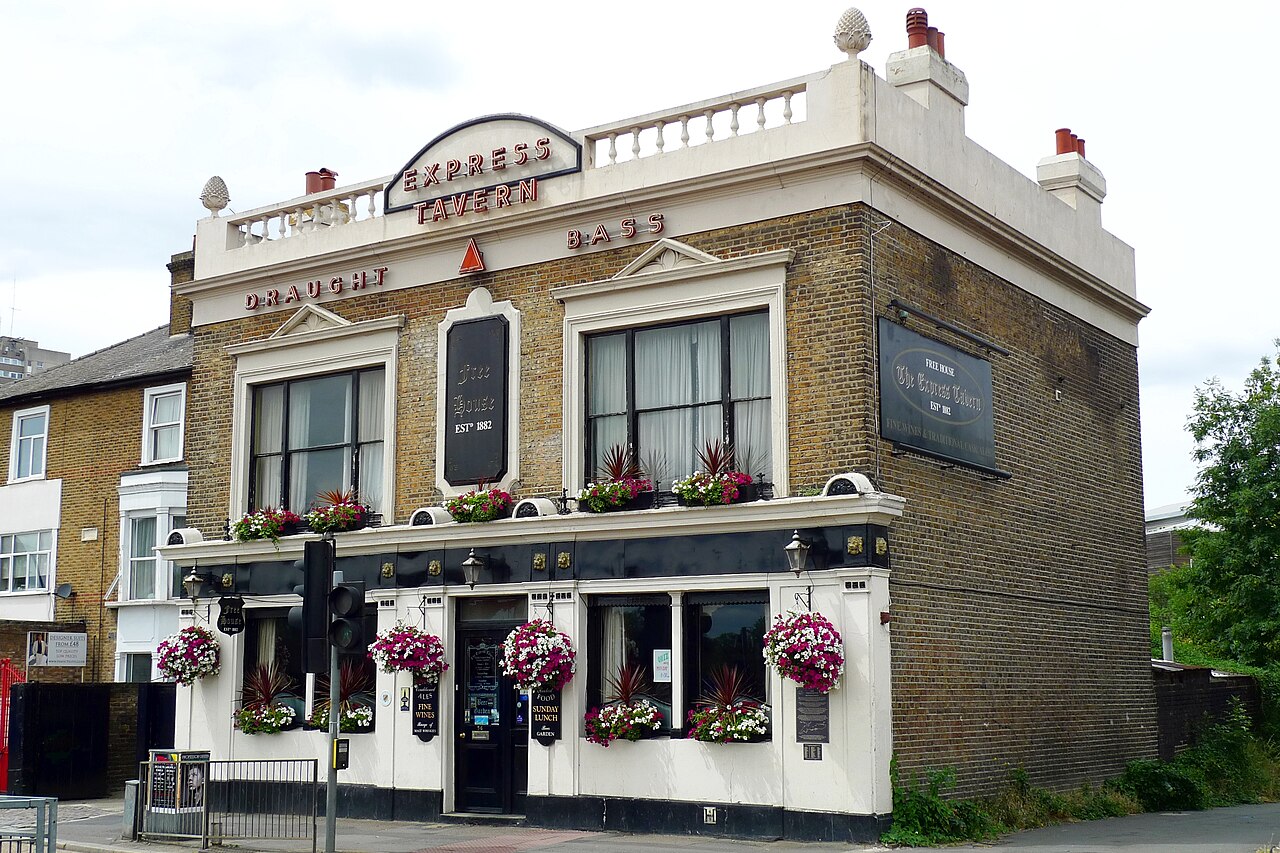
Express Tavern
- Notable
- Nightlife venue
Language · 11 published
Museum · London Borough of Hounslow, London
Reviewed by Elena Voss · Roavina Travel Editor
| Monday |
Closed
Valid 2026-05-01 – 2026-10-31 |
|---|---|
| Tuesday |
Closed
Valid 2026-05-01 – 2026-10-31 |
| Wednesday |
Closed
Valid 2026-05-01 – 2026-10-31 |
| Thursday |
11:00 – 16:00
Valid 2026-05-01 – 2026-10-31 |
| Friday |
11:00 – 16:00
Valid 2026-05-01 – 2026-10-31 |
| Saturday |
11:00 – 16:00
Valid 2026-05-01 – 2026-10-31 |
| Sunday |
11:00 – 16:00
Valid 2026-05-01 – 2026-10-31 |
Parsed from OpenStreetMap opening hours on 2026-09-09.
Read from the OpenStreetMap access tags; anything not listed has no tag recorded.
Set the group type to family in the planner and the day window contracts to about three quarters of a solo day.
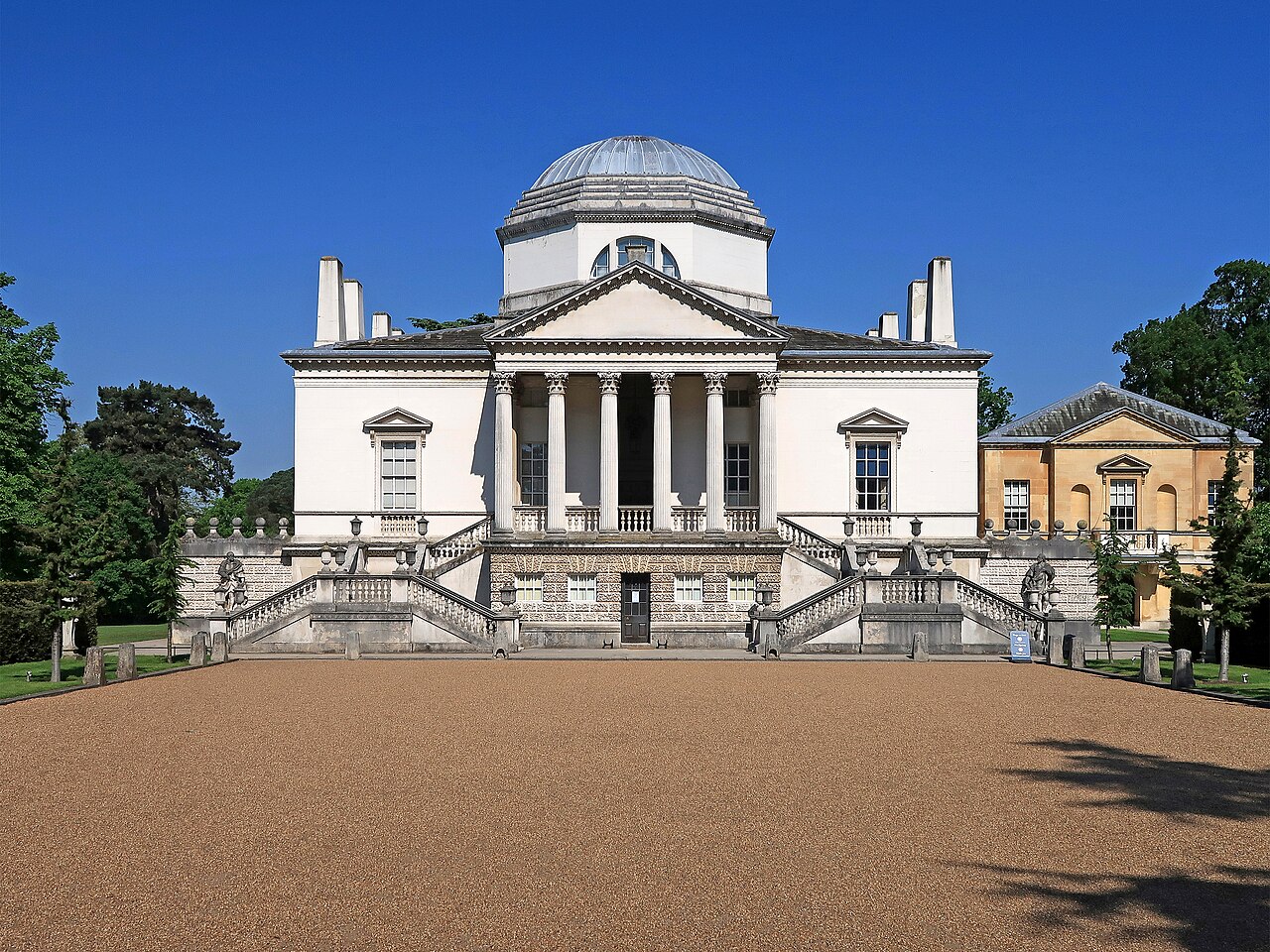
This place is a Museum. It was established in 1729. It was built in the Palladian architecture style. It was designed by Richard Boyle, 3rd Earl of Burlington. It carries the Grade I listed building heritage designation. It is run by Chiswick House and Gardens Trust.
Chiswick House is an eighteenth-century Palladian villa in west London, created under the direction of Lord Burlington and inspired by Andrea Palladio and classical Roman architecture. Its carefully proportioned facade and formal planning make it an important example of English Palladianism. The house stands within extensive grounds shaped as gardens and parkland, so the visit combines architecture with landscape. Chiswick House suits travellers who enjoy design, art, history, and quiet walking, and it provides a change of pace from London’s denser central attractions. Chiswick House is a Palladian villa in West London, constructed in the early eighteenth century. The building was designed by Lord Burlington, who was deeply influenced by the architecture of Andrea Palladio and the buildings of ancient Rome.
Checked 2026-08-26 · Source
Inside, the villa expresses Palladian ideas through symmetry, classical proportion, and carefully framed rooms. Look for painted ceilings, fireplaces, decorative architectural details, and spaces designed for aristocratic entertaining and domestic life. Art and decorative objects may occupy parts of the interior, while the house’s presentation can change with conservation and curatorial work. The interior is not large, but its details reward slow observation. Outside, the surrounding gardens extend the architectural experience by showing how the villa was intended to sit within a designed landscape rather than stand alone.
Checked 2026-08-26 · Source
Allow one to two hours for the house and its immediate surroundings. Visitors who study ceilings, fireplaces, proportions, and decorative objects closely may need longer inside. A broader visit that includes the gardens and parkland can occupy much of a morning or afternoon, depending on walking pace and weather. The villa itself is a focused architectural experience, while the grounds provide the extra time and space. Plan the duration around whether your priority is Palladian design, landscape, or a relaxed west-London walk.
Checked 2026-08-26 · Source
The house can be appreciated in every season, but the gardens are most enjoyable when the weather supports outdoor walking. Spring brings fresh growth, summer offers longer daylight, and autumn gives the parkland a different colour and atmosphere. Winter visits can feel quieter, with the architecture taking priority over the landscape. Weekends and school holidays may bring more visitors. A flexible west-London day works well because the house and grounds offer both an indoor focus and open-air space without requiring a rushed sequence of rooms.
Checked 2026-08-26 · Source
The house and grounds can have different admission arrangements, so treat them as related but distinct parts of the visit. Standard entry categories may include adults, children, families, and concessions, while events or exhibitions can have separate conditions. The architectural interior is the ticketed focus for visitors seeking the Palladian villa experience; the wider grounds provide the landscape context. Prices, seasonal arrangements, and booking requirements belong to the visit date. Allow enough time to enjoy the grounds as well as the rooms if admission covers both parts of your plan.
Checked 2026-08-26 · Source
Chiswick House lies in west London, in the Chiswick district. Turnham Green station is served by the District and Piccadilly lines, while Chiswick Park is on the District line; both require onward walking or a local bus connection. Several bus routes serve the surrounding roads. The location is roughly six miles west of central London, making it suitable for a half-day outing. Cyclists can use London’s cycle network. By car, allow for busy west-London roads and limited parking conditions around the estate.
Checked 2026-08-26 · Source
The historic house includes steps, uneven floors, and narrow doorways, while the gardens contain water features and varied terrain. Wear shoes that work for both interior floors and outdoor paths. Children need close supervision near water and delicate historic fabric. Some rooms may be closed during conservation work, and interior lighting can be subdued. Follow ropes, signs, and staff directions through the villa. Weather protection matters because the grounds form a substantial part of the experience. Build in pauses if you plan to combine the house with a long garden walk.
Checked 2026-08-26 · Source
The villa’s exterior, gardens, water features, and classical proportions provide strong subjects for casual photography. Inside, concentrate on ceilings, fireplaces, room symmetry, and details that show the Palladian design. Follow the photography signs and staff directions in every interior space, especially regarding flash, tripods, selfie sticks, and commercial equipment. Soft daylight can bring out the pale stone and garden structure, while overcast conditions reduce harsh contrast. Keep equipment compact in narrow rooms and leave clear space for other visitors moving through the house.
Checked 2026-08-26 · Source
It is best known as an eighteenth-century Palladian villa associated with Lord Burlington, set within designed gardens and parkland in west London.
Yes. The gardens and parkland provide the landscape setting for the villa and extend the visit beyond the interior rooms. Allow additional time for walking outdoors.
Allow one to two hours for the house and immediate surroundings. A longer visit is appropriate when you include the gardens and parkland at a relaxed pace.
Turnham Green is served by the District and Piccadilly lines, and Chiswick Park is served by the District line. Both require onward walking or a local bus connection.
Focus on the villa’s symmetry, classical proportions, painted ceilings, fireplaces, and architectural details. The rooms were designed for aristocratic entertaining and domestic life.
Yes. The house offers a concentrated architectural visit, while the gardens and parkland provide space for a slower walk. Together they suit a half-day west-London outing.
Loading the interactive map…
The interactive map could not be loaded.

Last updated:
Source: OpenStreetMap contributors, Wikidata ·