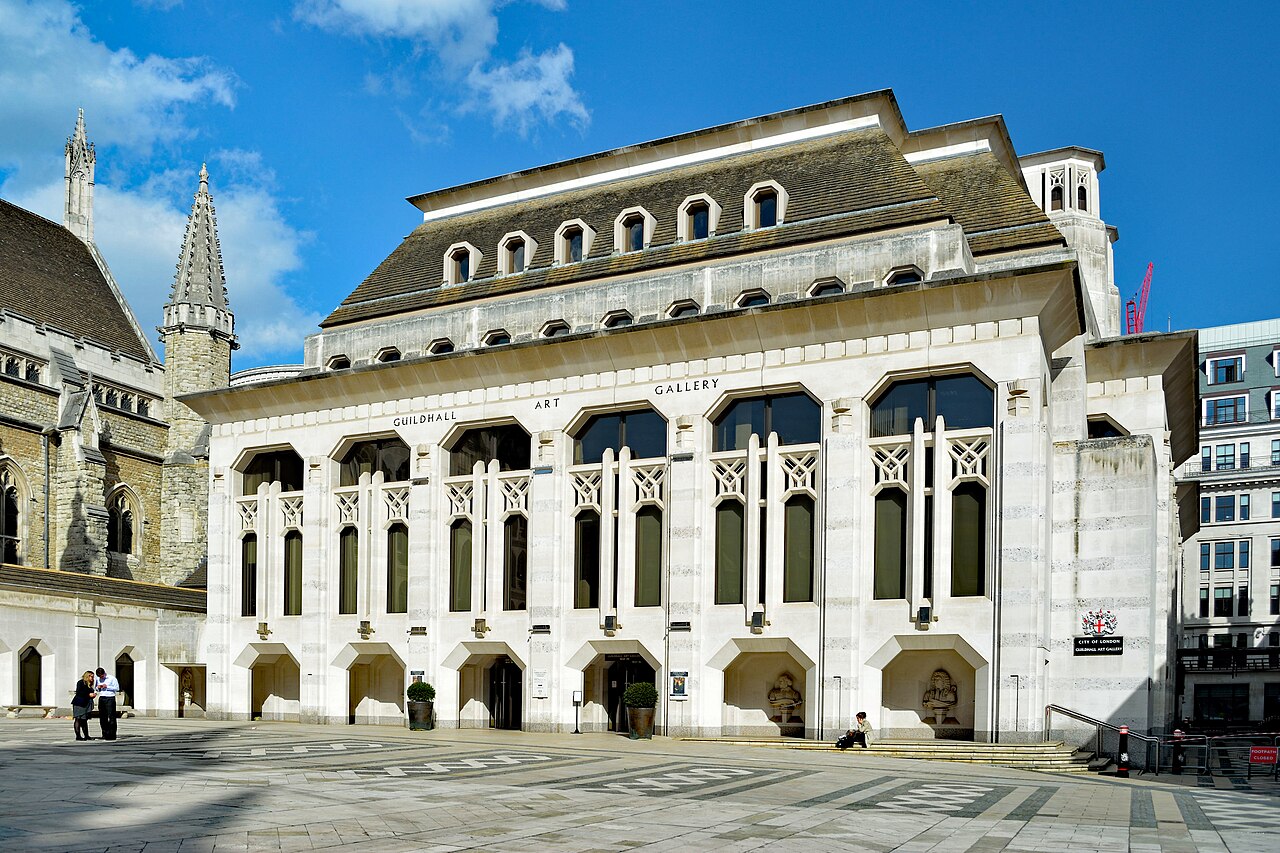
Guildhall Art Gallery is the City of London’s public art museum, set within the historic Guildhall complex. The gallery brings together British paintings, sculpture, and drawings with the civic setting of the City. Its location makes the visit especially distinctive: the galleries sit beside one of London’s oldest municipal sites, while the building also incorporates archaeological remains from Roman Londinium. The result is a compact cultural stop where art, civic history, and Roman archaeology meet in one place. Visitors who enjoy painting, architecture, or the layered history of central London can treat Guildhall Art Gallery as both a museum visit and a way to understand the City around it.
The main collection includes Victorian and Pre-Raphaelite paintings, twentieth-century British art, portraits, drawings, and sculpture. Look for works connected with London and the City, then continue to the basement to see the remains of London’s Roman amphitheatre. The archaeological display gives the museum a second focus beyond fine art: beneath the civic buildings is evidence of the entertainment district of Roman Londinium. The rooms are arranged across several levels, and temporary exhibitions add changing themes to the permanent collection. A useful visit alternates between close looking at individual works and attention to the building, civic surroundings, and archaeological setting.
Allow about one to two hours for Guildhall Art Gallery, including the Roman amphitheatre remains. A shorter visit can focus on the best-known paintings and the basement archaeology, while a slower visit gives more time to Victorian art, City portraits, and temporary displays. The museum is manageable as part of a walking day through the City, but the collection rewards visitors who pause for details rather than moving quickly from room to room. Add time if a temporary exhibition interests you or if you are visiting with a group that wants to discuss the works and the historical setting.
Guildhall Art Gallery works well in a central London day because the principal experience is indoors and combines art with Roman archaeology. Weekdays place the visit in the busy City of London business district, while weekends can feel less tied to office activity. The basement amphitheatre is a particularly valuable stop when you want a change of subject after viewing paintings. Build the gallery into a walking route that also includes Guildhall Yard and nearby City landmarks. Public-holiday and exhibition arrangements can affect the practical plan, so use the confirmed visit details associated with your chosen date when organising the day.
The central attraction is the City of London’s art collection, with the Roman amphitheatre remains forming an important part of the same visit. The experience is most valuable when you leave enough time for both subjects rather than treating the gallery as a quick painting stop. Temporary exhibitions may change the character of a visit and can sit alongside the permanent collection. Groups and school parties may experience the spaces differently from individual visitors because the museum contains several levels and a compact archaeological display. Plan your route around the works and ruins you most want to see, then use the remaining galleries to explore.
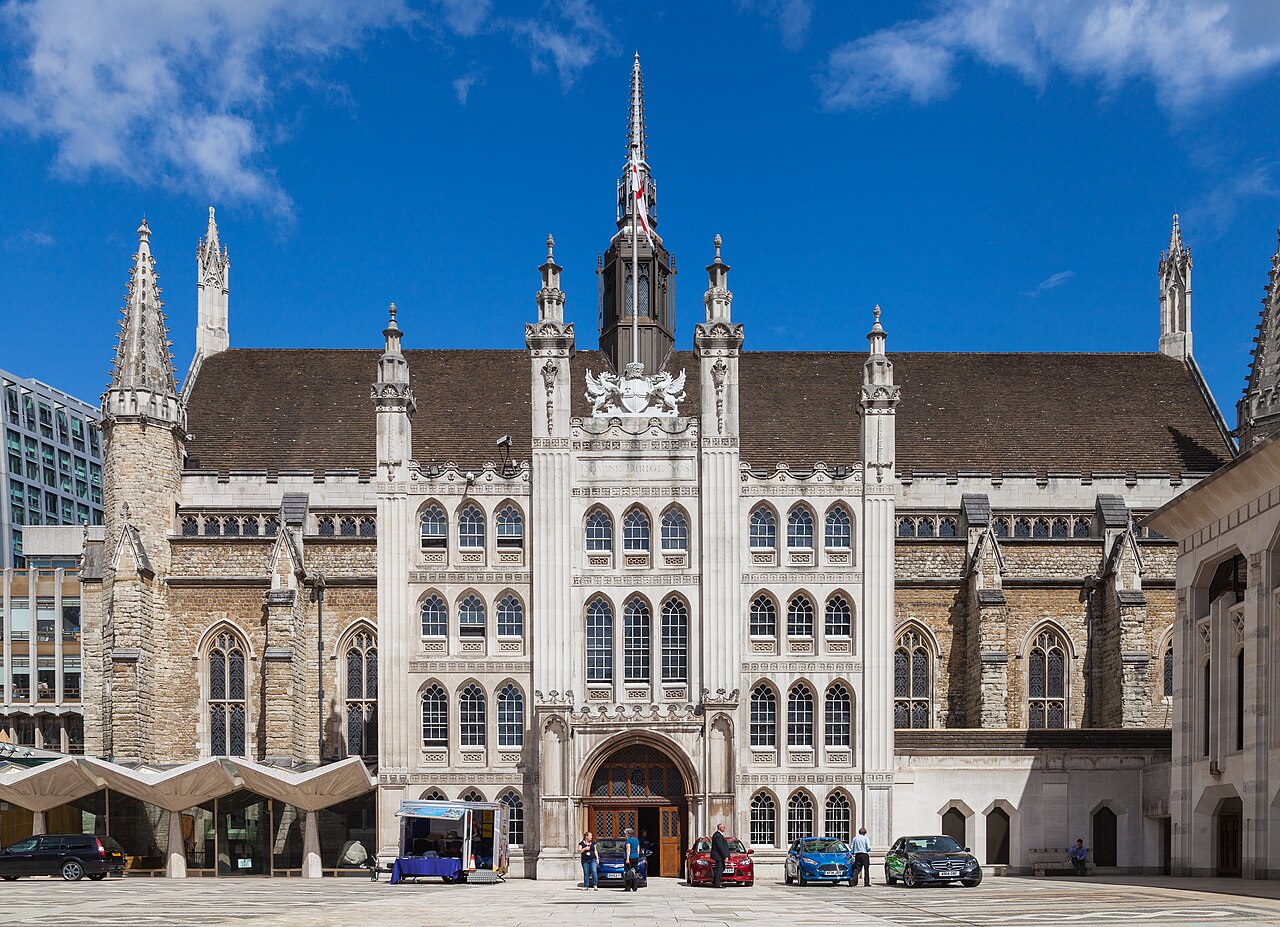
Guildhall Art Gallery is in Guildhall Yard in the City of London. Bank, St Paul’s, and Moorgate are useful Underground approaches, with a walk through the dense pedestrian streets of the City to reach the Guildhall complex. Bus routes serve the surrounding roads, but the final approach is easiest when you identify Guildhall Yard as the destination rather than relying only on the museum name. The area has an old street pattern and several civic buildings close together, so allow time to orient yourself after leaving public transport. The gallery is well suited to a walking itinerary through the City.
Guildhall Art Gallery occupies a historic civic setting, and the visit includes several levels as well as the lower archaeological display. Keep the gallery’s own signs in view as you move between art rooms and the Roman amphitheatre. Guildhall Yard also serves the wider Guildhall complex, so not every doorway or adjoining space belongs to the public route. Crowding can make the compact rooms harder to navigate, especially when a temporary exhibition or organised group is present. The museum combines delicate artworks, historic architecture, and archaeology; a calm pace helps you appreciate all three without rushing through the basement remains.
Guildhall Art Gallery offers two different photographic subjects: framed British art and the remains of the Roman amphitheatre. The gallery’s artworks and any temporary displays should be treated according to the signs and staff directions in each room. The basement archaeology benefits from looking carefully at the surviving structure rather than photographing it from a distance alone. Avoid flash, tripods, or equipment that blocks narrow routes when restrictions apply. If you want images for publication or commercial use, speak with the venue before making the visit. Keep mobile-phone use quiet and considerate in the galleries and archaeological area.
You can see Victorian and Pre-Raphaelite paintings, twentieth-century British art, City-related portraits, drawings, sculpture, and the remains of London’s Roman amphitheatre in the basement.
Where is Guildhall Art Gallery?
Guildhall Art Gallery is in Guildhall Yard in the City of London, near the Underground approaches from Bank, St Paul’s, and Moorgate.
Can I see Roman archaeology at Guildhall Art Gallery?
Yes. The basement contains remains of London’s Roman amphitheatre, linking the art collection with the archaeological history of Londinium.
How long should I spend at Guildhall Art Gallery?
Allow about one to two hours for the art collection and the Roman amphitheatre remains, with extra time for a temporary exhibition or detailed viewing.
Which London area surrounds Guildhall Art Gallery?
The gallery is surrounded by the City of London’s civic buildings, historic Guildhall Yard, and a dense network of central streets suited to walking between landmarks.
What kind of art is displayed at Guildhall Art Gallery?
The collection focuses on British art, with strong Victorian and Pre-Raphaelite holdings, twentieth-century works, portraits, drawings, and sculpture.
Nothing non-essential is set before you choose, in regions where consent is required. If you decline, ads still appear and analytics is switched off entirely.
.jpg)