_-_1.jpg)
4 min walk · London Borough of Southwark
Old City Hall
- Must see
- Historic monument
Language · 11 published
Historic monument · London Borough of Southwark, London
Reviewed by Elena Voss · Roavina Travel Editor
Read from the OpenStreetMap access tags; anything not listed has no tag recorded.
Set the group type to family in the planner and the day window contracts to about three quarters of a solo day.
This place is a Attraction. It is run by Royal Navy.
HMS Belfast is a Town-class light cruiser preserved as a museum ship on the River Thames. Launched in 1938, she served during the Second World War and the Korean War before decommissioning in 1963. The ship is now permanently moored between London Bridge and Tower Bridge as part of the Imperial War Museums collection. Her preserved decks, machinery and living spaces show how a Royal Navy cruiser functioned across different ranks and roles. For travellers, HMS Belfast offers a highly physical history visit in the middle of London’s principal riverside sightseeing corridor.
Checked 2026-08-26 · Source
Visitors can explore nine decks, from engine rooms, boiler rooms and shell rooms below the waterline to the bridge, gun turrets and anti-aircraft positions above. Restored spaces include the captain’s quarters, sick bay, galley and NAAFI canteen. The ship retains much original equipment and many fittings, allowing the visit to move between technical systems, military operations and everyday naval life. Displays and audio-visual presentations add context to the vessel’s service, including Arctic convoys, D-Day support and the Korean War. The variety of rooms makes HMS Belfast feel more like a preserved working environment than a conventional gallery.
Checked 2026-08-26 · Source
A thorough exploration of HMS Belfast is suitable for a half-day because the ship extends vertically across nine decks and contains many small compartments. The complete route involves steep ladders, confined hatches and uneven surfaces, so visitors may prefer to explore selected sections rather than every room. Engine spaces and lower decks demand more physical effort than the upper areas. Crowded companionways can slow progress during busy periods. A shorter visit can focus on the bridge, guns, living quarters or machinery, while a longer visit allows the ship’s military history and daily routines to connect into one continuous experience.
Checked 2026-08-26 · Source
The Thames location makes the exposed upper decks windy and cold, so waterproof and warm clothing can improve the visit even when central London feels mild. Weekends and school holidays bring more visitors, which is most noticeable in narrow passageways and popular rooms. Morning entry can make below-decks exploration calmer. Seasonal schedules may differ, with winter often bringing shorter arrangements for UK attractions. Weather affects the open decks directly, while the enclosed rooms provide a contrasting environment. HMS Belfast suits a day when you can move at a steady pace and pause without rushing through the ship’s compact spaces.
Checked 2026-08-26 · Source
HMS Belfast is a ticketed museum attraction. Admission categories can include adults, children, seniors and students, with family arrangements also associated with the museum. Advance purchase can help organise a visit during busy periods, while disability access schemes may provide free admission for an accompanying carer. The ship’s extensive route gives the ticket value through several distinct experiences: naval machinery, command spaces, weapons, domestic compartments and wartime interpretation. Treat the museum visit separately from walks along the Thames or visits to Tower Bridge, even though the ship’s central location makes combining them straightforward.
Checked 2026-08-26 · Source
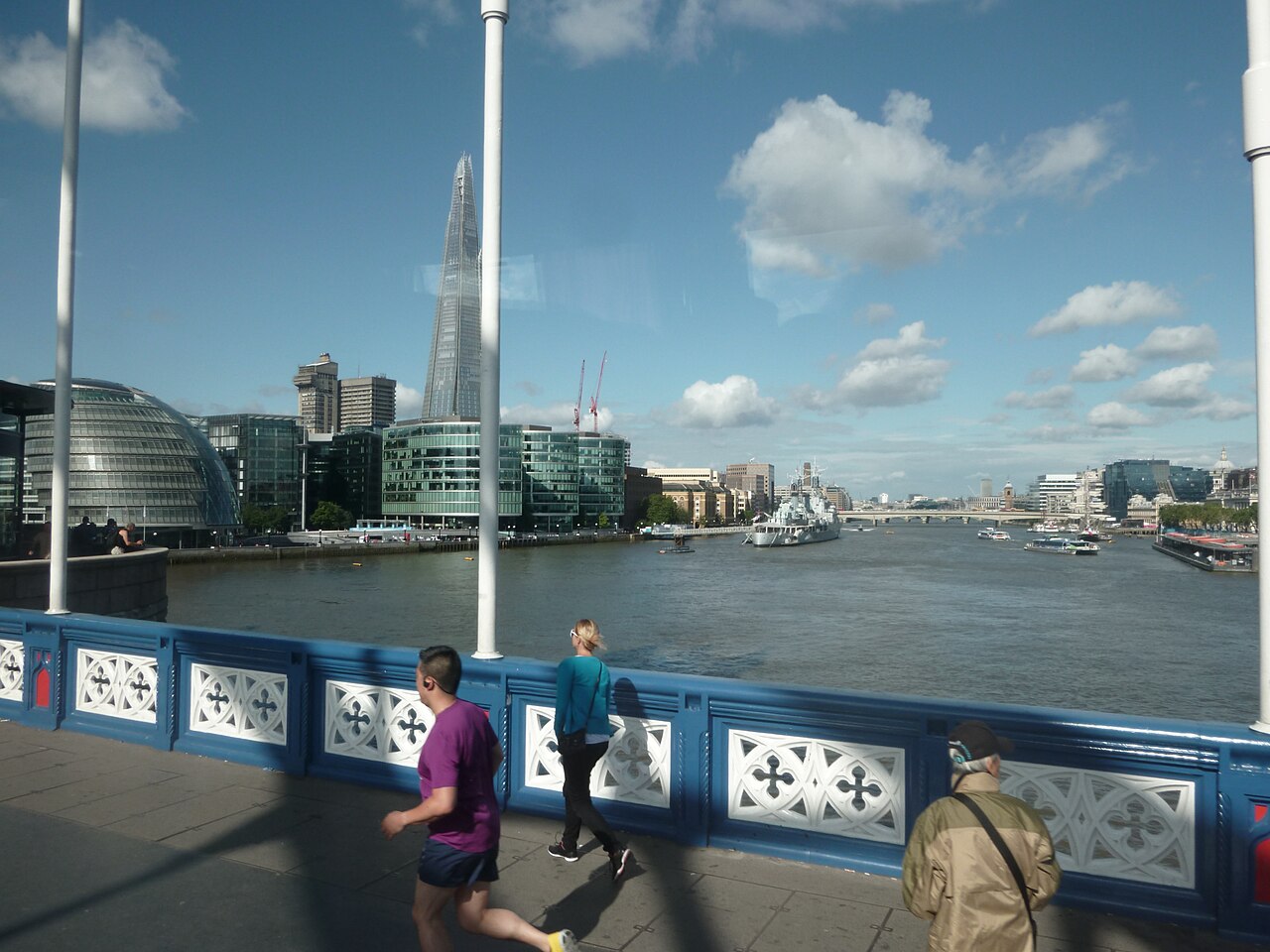
HMS Belfast is moored on the south bank of the Thames immediately upstream from Tower Bridge. London Bridge and Tower Hill are the nearest Underground stations, each followed by a walk through the riverside district. Bus routes and river bus services provide additional approaches, while the Thames Path leads directly along the waterfront. The ship sits within London’s main tourist corridor, so it combines naturally with Tower Bridge, London Bridge and nearby riverside attractions. Driving is inconvenient because central traffic, parking limits and congestion make public transport and walking more practical.
Checked 2026-08-26 · Source
HMS Belfast preserves the physical hazards of a naval vessel: steep companionways, low overheads, knee-knocker hatches, trip points and narrow routes. Some floors can become slippery when wet, making shoes with good grip preferable to sandals or high heels. Confined spaces may feel difficult for visitors with claustrophobia. Children need close supervision around high decks, railings and machinery. The ship’s layout means that substantial sections are inaccessible to wheelchair users, particularly lower and engine-room areas reached by ladders. Crowding can make passageways slower, so leave room to move carefully rather than treating the route like a flat museum floor.
Checked 2026-08-26 · Source
The ship provides strong subjects both inside and outside. On deck, the guns, bridge and superstructure stand against Tower Bridge and the City skyline. Below decks, machinery, passageways and living quarters create dramatic forms, although mixed artificial lighting and deep shadows make exposure difficult. Narrow rooms can become crowded, limiting tripod use and careful composition. Personal photography is generally permitted, while flash restrictions may apply in sensitive exhibition spaces. The most effective external light often comes in the morning or late afternoon. Professional equipment and commercial work require separate permission, and drone use is unsuitable in this busy controlled river environment.
Checked 2026-08-26 · Source
Visitors can explore nine decks, including machinery spaces below the waterline and command and weapons areas above.
HMS Belfast served in the Second World War and the Korean War before being decommissioned in 1963.
No. Steep ladders, narrow hatches and the ship’s multi-level design prevent wheelchair access to substantial areas, including lower and engine-room sections.
HMS Belfast is permanently moored on the south bank of the Thames between London Bridge and Tower Bridge.
The lower decks include engine rooms, boiler rooms and shell rooms, along with preserved equipment and fittings that show the ship’s technical operation.
Shoes with good grip are practical because the ship has steep companionways, uneven surfaces, trip points and floors that may become slippery when wet.
Loading the interactive map…
The interactive map could not be loaded.

Last updated:
Source: OpenStreetMap contributors, Wikidata ·