
2 min walk · Royal Borough of Kensington and Chelsea
Holland Park
- Notable
- Nature site
Historic monument · Royal Borough of Kensington and Chelsea, London
Read from the OpenStreetMap access tags; anything not listed has no tag recorded.
Set the group type to family in the planner and the day window contracts to about three quarters of a solo day.
Kyoto Garden is a Japanese-style garden located within Holland Park in the Royal Borough of Kensington and Chelsea, London. It was created as a gift from the city of Kyoto to commemorate the long friendship between Japan and the United Kingdom. The garden represents traditional Japanese landscape design principles, offering visitors a contemplative space amid urban surroundings. It sits within one of London's most elegant parkland settings, surrounded by woodland areas and the remains of Holland House. The garden serves as a cultural bridge, introducing Japanese horticultural aesthetics to London visitors.
Checked 2026-08-26
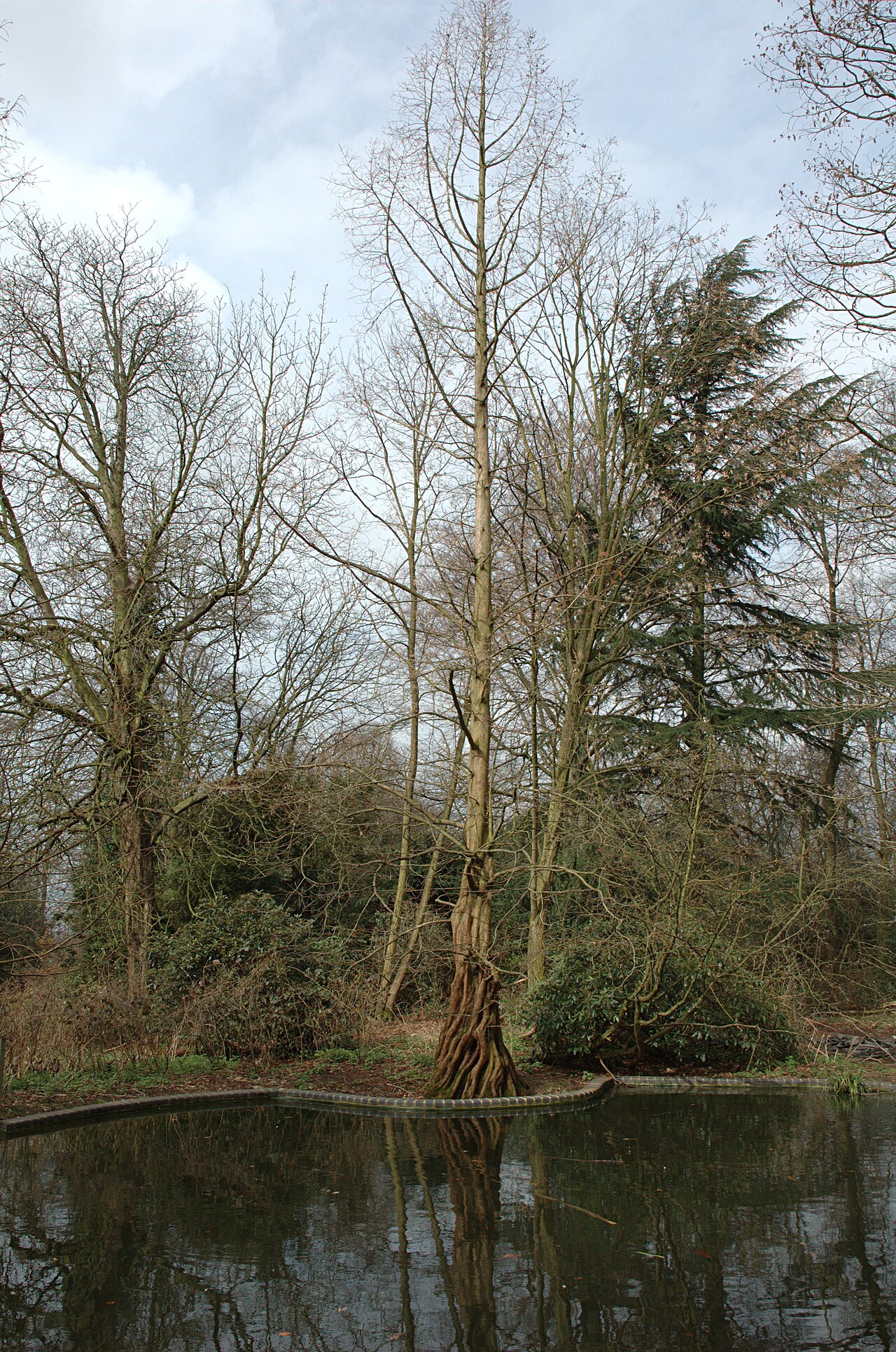
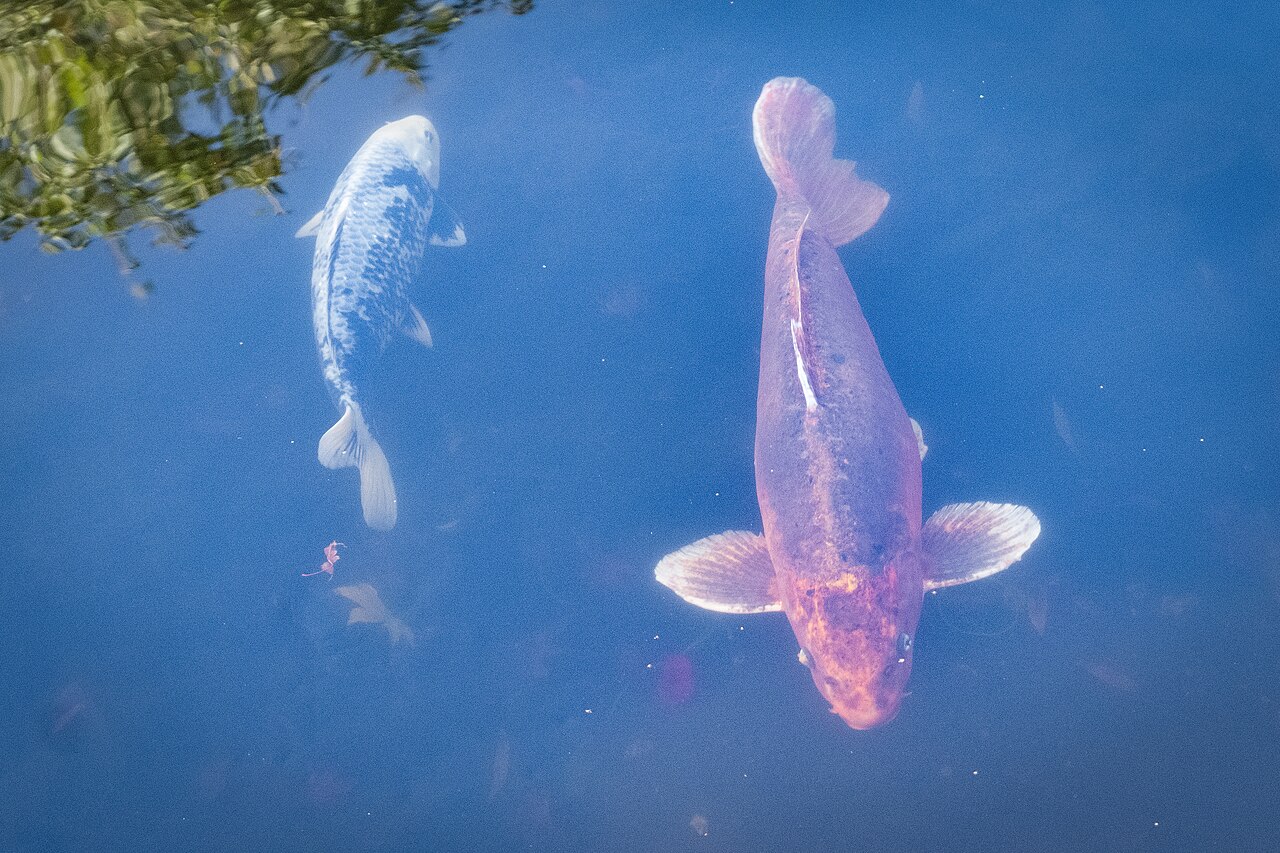
The garden features classic Japanese landscaping elements including tiered waterfalls, stone lanterns, and a large koi pond. Traditional Japanese maples and other specimen trees provide seasonal colour variations. A wooden bridge crosses the pond, allowing visitors to observe the fish below. Stone arrangements and carefully raked gravel areas represent mountains and water in miniature form. The planting scheme incorporates both Japanese and complementary species suited to the London climate. Bamboo groves and moss-covered stones contribute to the tranquil atmosphere. The design emphasizes natural harmony and careful placement of each element.
Checked 2026-08-26
Most visitors spend approximately twenty to thirty minutes in Kyoto Garden itself, though this varies considerably with personal interest. Those drawn to Japanese garden aesthetics may linger longer to observe details of stone placement, water flow, and planting composition. The garden connects directly to broader Holland Park grounds, where many visitors extend their stay significantly. Combined exploration of the garden and surrounding parkland typically requires ninety minutes to two hours. Photography enthusiasts often allocate additional time for capturing reflections in the pond and seasonal foliage changes. Early morning visits tend to offer quieter contemplation opportunities.
Checked 2026-08-26
Kyoto Garden can be visited throughout the year, with each season offering distinct atmospheric qualities. Spring brings cherry blossom and fresh maple foliage, while autumn provides dramatic colour from Japanese maples. Winter reveals structural elements normally hidden by leaves. Summer offers fullest water flow and active koi. Visitor density typically increases during weekends and school holidays. Visitors should verify current opening times through official Royal Borough of Kensington and Chelsea channels before travelling. Weather conditions significantly affect the experience, particularly after rainfall when water features become more prominent. Check the operator's own site for the travel date before relying on a schedule or fare.
Checked 2026-08-26
Kyoto Garden forms part of Holland Park and is understood to be freely accessible to the public during park opening hours. No separate admission charge applies specifically to the garden area. This arrangement aligns with standard practice for Royal Borough of Kensington and Chelsea park facilities. Visitors should not rely on this information for financial planning without independent verification. Any special events or temporary exhibitions might involve separate arrangements not documented here. Group visits and commercial photography may require permits administered through broader park management rather than garden-specific systems. Check the operator's own site for the travel date before relying on a schedule or fare.
Checked 2026-08-26
Holland Park sits in west-central London with multiple transport connections. The nearest Underground stations are Holland Park on the Central line and Kensington High Street on the Circle and District lines, both requiring walking through residential streets. Numerous bus routes serve surrounding roads including Kensington High Street. Cycling access is possible through London's cycle network, though dedicated parking near the garden entrance is not documented. The park entrance on Ilchester Place provides the most direct approach to Kyoto Garden. Visitors with mobility requirements should research path surfaces and gradients, as traditional garden design prioritizes aesthetic over accessibility considerations.
Checked 2026-08-26
The garden contains open water with inherent safety considerations, particularly for accompanying children. Stepping stones and bridge surfaces may become slippery in wet conditions. Traditional Japanese garden design includes uneven terrain and changes in level that may challenge visitors with mobility limitations. The koi pond ecosystem requires protection from feeding by visitors. Wildlife including grey squirrels and various bird species inhabit the surrounding parkland. The compact nature of the garden means it can become crowded during peak visiting periods, potentially diminishing the contemplative atmosphere that defines Japanese garden experience. Quiet observation is culturally appropriate behaviour.
Checked 2026-08-26
The garden offers numerous photographic opportunities including water reflections, stone lantern compositions, and seasonal foliage against architectural elements. Morning light typically provides favourable conditions for pond photography before wind disturbs water surfaces. The wooden bridge and waterfall create natural focal points. Tripod use may attract attention in this compact space and should be exercised with consideration for other visitors. Commercial photography requires appropriate permissions through park management. The surrounding Holland Park woodland extends photographic possibilities beyond the garden boundaries. Overcast conditions often produce optimal exposure for the predominantly green palette without harsh shadows.
Checked 2026-08-26
No, Kyoto Garden is a designated area within Holland Park, not an independent park. It occupies a portion of the larger parkland.
Feeding of koi fish is not documented as permitted. Visitors should observe the fish without introducing food items to protect water quality and fish health.
Toilet facilities are not documented as being located within the immediate garden area. Visitors should expect to use Holland Park's broader facilities.
Traditional Japanese garden design presents inherent accessibility challenges. Specific current accessibility provisions are not documented and should be verified directly with park management.
Seasonal closure patterns are not documented. Visitors should verify current operational status through official channels, particularly during adverse weather periods.
Guided tour availability is not documented. The garden is typically experienced as a self-directed visit within broader Holland Park exploration.
Loading the interactive map…
The interactive map could not be loaded.
Last updated:
Source: OpenStreetMap contributors, Wikidata ·