
2 min walk · Royal Borough of Kensington and Chelsea
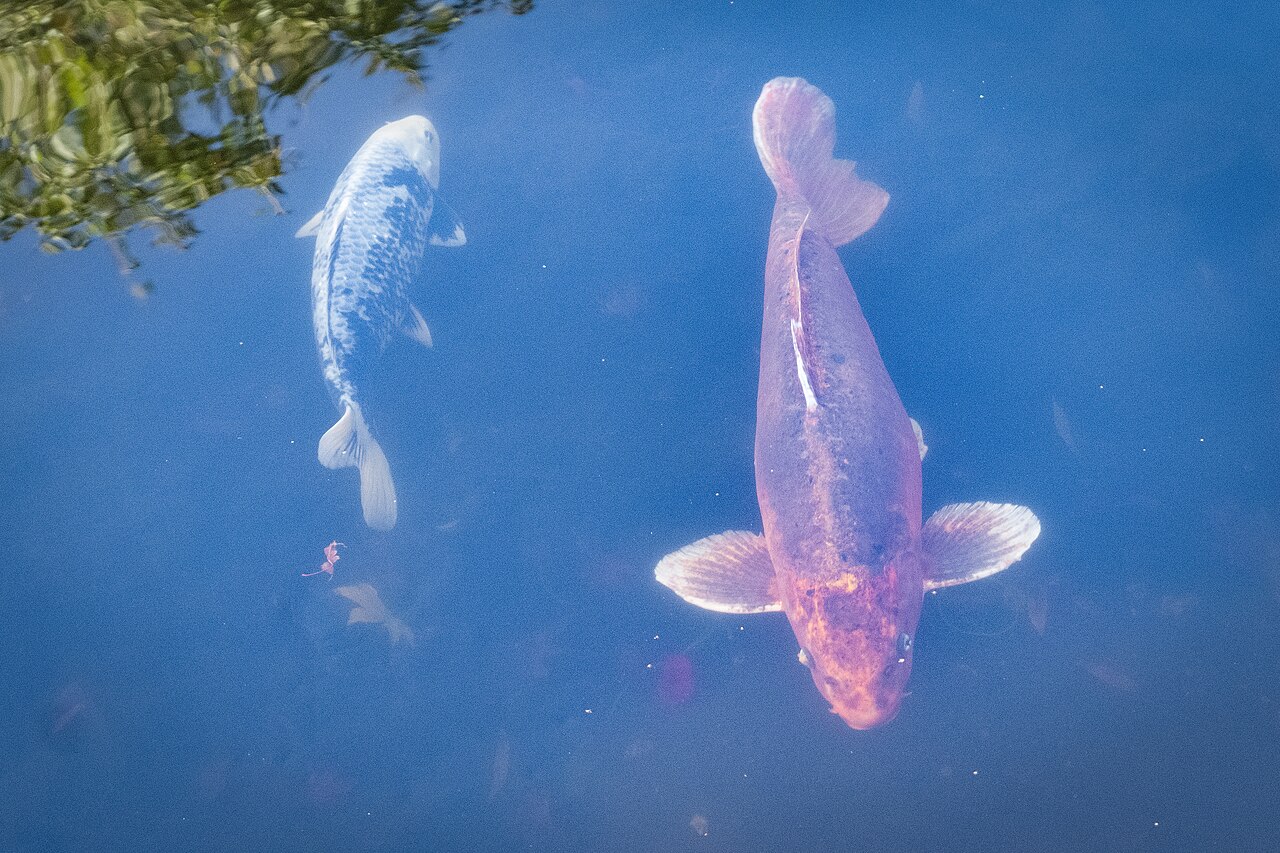
Kyoto Garden
- Notable
- Historic monument
Nature site · Royal Borough of Kensington and Chelsea, London
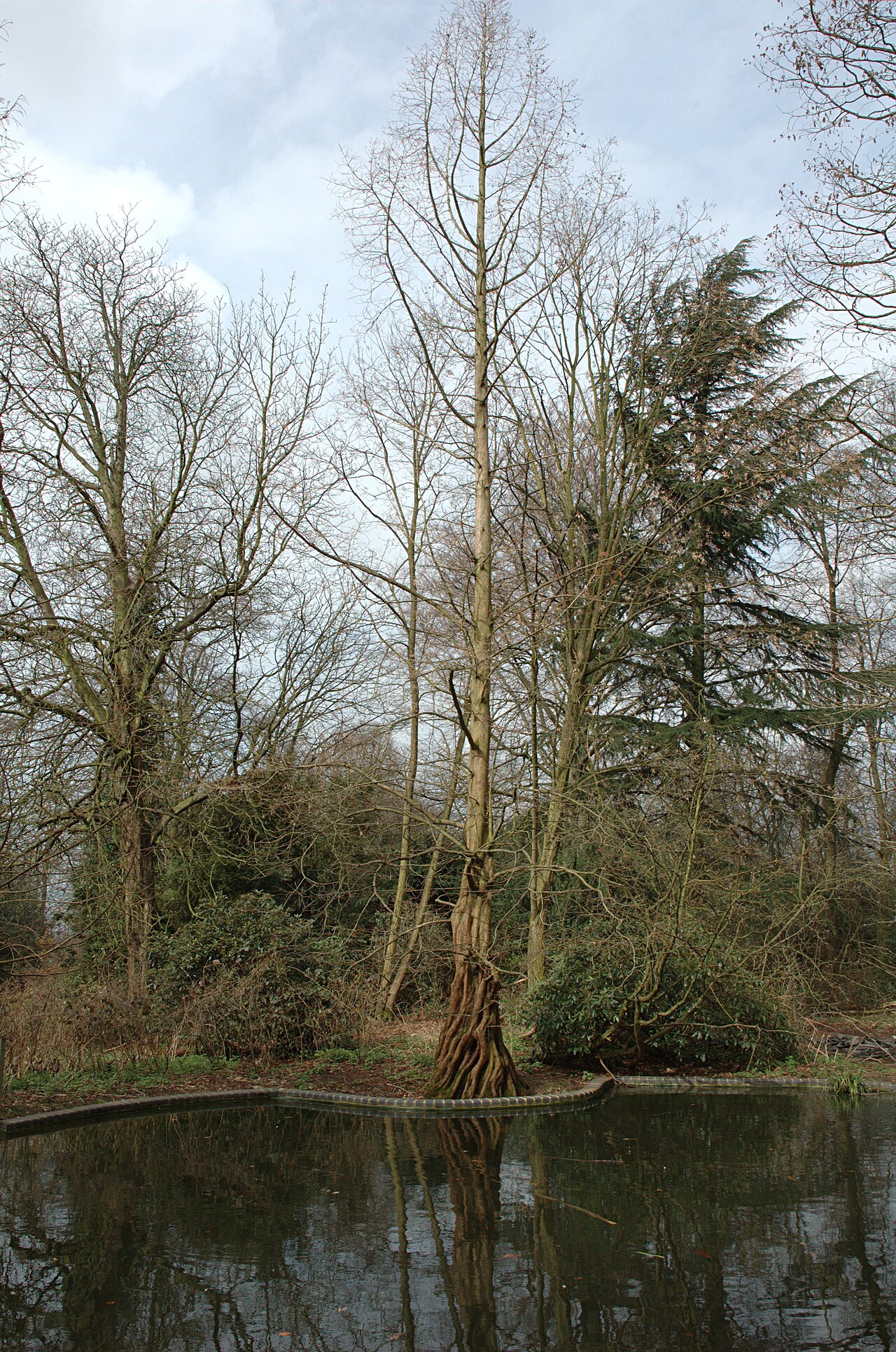
Holland Park is a varied green space in the Royal Borough of Kensington and Chelsea, occupying the former grounds of Holland House. The house was largely destroyed during the Second World War, leaving a dramatic surviving ruin within the park. Formal gardens, woodland, sports areas, and quiet paths make Holland Park feel more layered and intimate than many of London’s larger open spaces. Holland Park is a public park in the Royal Borough of Kensington and Chelsea, London. It occupies land that was once the grounds of Holland House, a Jacobean mansion largely destroyed by bombing during the Second World War. The park blends formal gardens with woodland areas and sports facilities. It serves as a green space for residents and visitors in one of London's more affluent districts, offering a contrast to busier central London parks.
Checked 2026-08-26 · Source
The east wing and arcade of Holland House form the park’s most atmospheric historic feature. Kyoto Garden adds a contrasting Japanese-style landscape with a koi pond and waterfall. Visitors can also find an orangery, cricket pitch, tennis courts, woodland, an ecology centre, and the Belvedere restaurant. Summer opera performances bring another use to the grounds, while the paths between the gardens provide a calm walking route. The park contains the remains of Holland House, whose east wing and arcade still stand as a dramatic ruin. The Kyoto Garden, a Japanese-style garden with koi pond and waterfall, was donated in 1991. There is also an orangery, a cricket pitch, tennis courts, and woodland areas. The Belvedere restaurant operates within the park. During summer months, the park hosts open-air opera performances. The ecology centre provides information about local wildlife and conservation efforts. A flexible visit lets travellers connect Holland Park with the rest of the day without treating one room, viewpoint or photograph as the whole experience.
Checked 2026-08-26 · Source
A focused visit to the ruins and Kyoto Garden can take around ninety minutes. Allow two to three hours if you want to explore the woodland, formal gardens, ecology centre, and wider park at a relaxed pace. Dining at the Belvedere or attending an open-air opera performance extends the outing. The park also works well as a shorter pause between Kensington and Notting Hill, especially when you want greenery without leaving west London.
Checked 2026-08-26 · Source
Spring brings flowering displays, summer opens the park to longer evenings and opera performances, and autumn colours the woodland paths. Winter places greater emphasis on the structure of the gardens, the ruins, and the bare woodland. Rain can change the feel of the paths quickly, while the Kyoto Garden and water features remain attractive in different weather. Visit early for a quieter garden experience before the park becomes busier.
Checked 2026-08-26 · Source
The park itself is public open space with free general access. Special events, including open-air opera, are separate programmes and use their own ticket arrangements. The Belvedere restaurant is a commercial venue with its own prices, while the gardens, woodland, ruins, and ordinary paths form the open park experience. Plan the visit around the areas you want to see, then treat dining or performances as additional activities.
Checked 2026-08-26 · Source
Holland Park Underground station on the Central line is close to the park, while Kensington High Street on the Circle and District lines serves the southern side. Buses run through the surrounding streets. The park is walkable from Kensington and Notting Hill, making it easy to combine with nearby neighbourhoods. Use the entrance nearest your first destination, because the ruins, Kyoto Garden, and woodland sit in different parts of the grounds.
Checked 2026-08-26 · Source
Uneven ground around the Holland House ruins and natural woodland can make some paths difficult after wet weather. Water features in Kyoto Garden need particular care when travelling with children. Peacocks live in the park and should not be fed or approached aggressively. Keep noise considerate in this residential district, and protect personal belongings in busy areas. The park combines delicate gardens with rougher woodland, so comfortable footwear improves the visit.
Checked 2026-08-26 · Source
Holland House’s surviving east wing and arcade create strong architectural frames, especially when photographed against the surrounding greenery. Kyoto Garden offers layered compositions of water, stone, koi, bridges, and vegetation. Woodland suits softer natural scenes, while the orangery and formal gardens provide structure. Early and late daylight brings gentler contrast. Give other visitors space, and treat performance photography during the opera season as subject to event conditions.
Checked 2026-08-26 · Source
The surviving east wing and arcade of Holland House form a dramatic ruin within the park.
Kyoto Garden contains a Japanese-style landscape with a koi pond, waterfall, stonework, and planted areas.
The park offers open lawns, gardens, woodland, and water features. Children need close supervision around the Kyoto Garden pond and waterfall.
The Belvedere restaurant operates inside the park, and summer opera performances also take place in the grounds.
Holland Park station on the Central line is close by, and Kensington High Street serves the southern side on the Circle and District lines.
The park hosts open-air opera performances during summer, adding a ticketed cultural programme to its gardens and woodland.
Loading the interactive map…
The interactive map could not be loaded.
Last updated:
Source: OpenStreetMap contributors, Wikidata ·