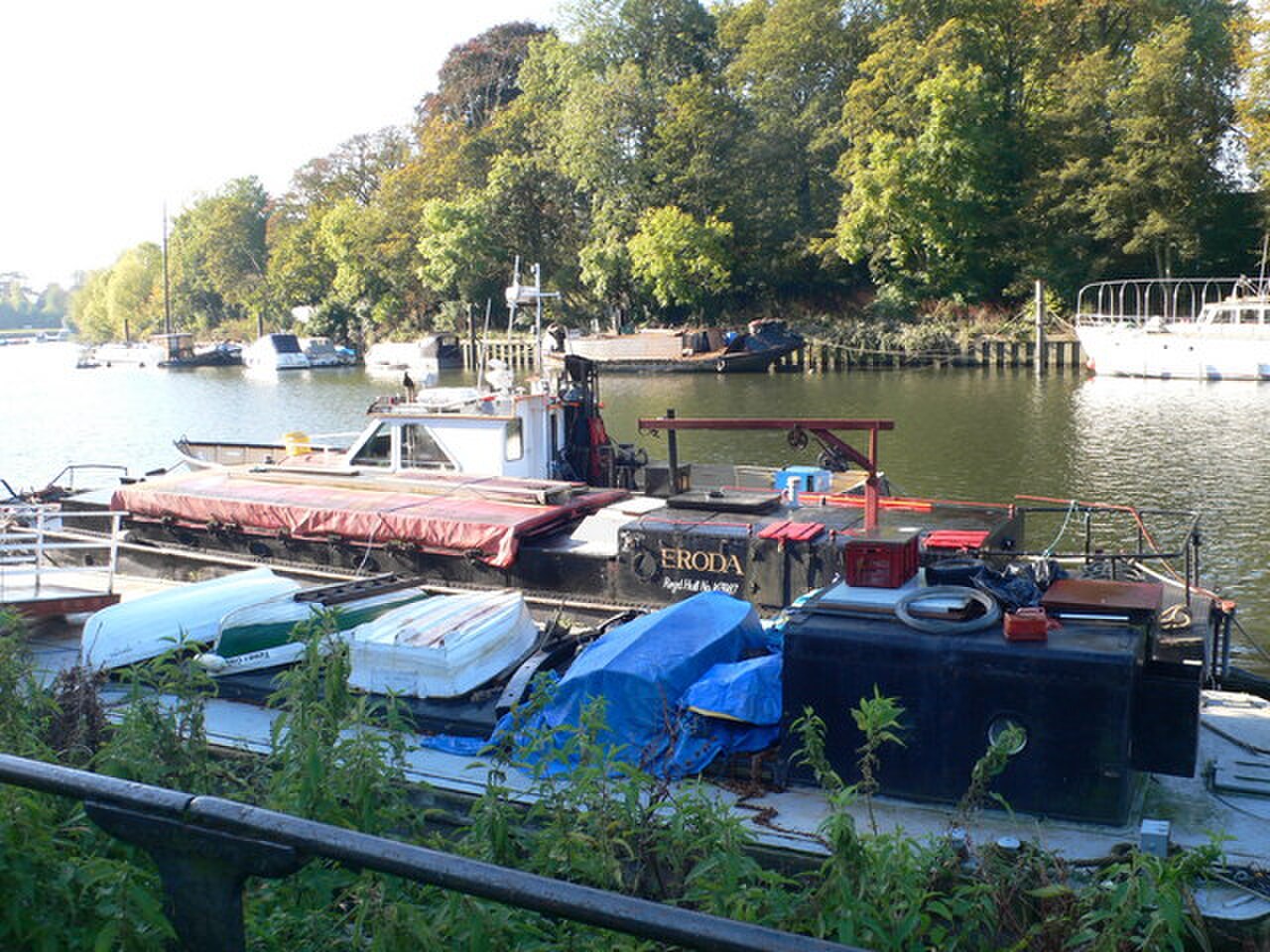
Richmond Park is London’s largest Royal Park, covering a broad landscape of open grassland, woodland, hills, ponds and ancient trees in southwest London. It is also an important nature conservation site and a working landscape shaped by ongoing management. Richmond Park is a large park in southwest London. It forms part of the London Borough of Richmond upon Thames. The park holds national and international nature conservation designations. It is the largest of London's Royal Parks. The landscape includes open grassland, woodland, and hills. The park has historical associations with the British monarchy dating back several centuries. It remains a working environment with ongoing land management practices. Visitors should verify current opening arrangements through official Royal Parks channels before travelling.
The park contains habitats used by red and fallow deer, with animals moving freely across grassland and woodland. Pembroke Lodge and its gardens occupy an elevated setting, while Isabella Plantation provides a woodland garden within the park. Roads cross the landscape, and visitors can use pedestrian paths, cycling routes and horse-riding areas. Multiple gates connect the park with surrounding neighbourhoods, so the entrance you choose shapes the whole day. The park contains varied habitats supporting diverse wildlife. Notable populations include red and fallow deer that roam freely. There are ponds, streams, and ancient trees scattered throughout. Pembroke Lodge and its gardens occupy an elevated position. Several gates provide access from surrounding areas. The park contains roads used by vehicles and cyclists. There are designated paths for pedestrians. Some areas permit horse riding. The Isabella Plantation is a woodland garden within the park boundaries. A flexible visit lets travellers connect Richmond Park with the rest of the day without treating one room, viewpoint or photograph as the whole experience.
A short drive or walk through one section can take less than an hour, but a meaningful visit usually needs several hours. Allocate half a day for wildlife observation, landscape photography, a longer walk or a cycling route. The park is too extensive for a complete first visit at a single pace. Focus on one gate, viewpoint, garden or loop, then leave time to move across the open terrain without rushing.
Spring brings fresh growth and deer calving, summer offers long daylight, autumn is associated with deer rutting behaviour, and winter brings quieter paths and a more open atmospheric landscape. Dawn and dusk are rewarding for wildlife observation, but visibility and road conditions demand extra care. Weekdays usually feel calmer than weekends and holidays. Weather changes the comfort of walking, so plan clothing and footwear around the conditions as well as the season.
Richmond Park is generally free to enter through its public access points. Costs can still arise from parking, transport, food or particular facilities and events. Budget for the way you plan to reach the park and for the length of your outing rather than for a standard entrance ticket. The large area means an inexpensive visit can still become a full-day excursion when walking, cycling or combining several parts of the landscape.
Richmond, Kingston and Norbiton railway stations serve different sides of the park, while bus routes follow roads around the perimeter. Pedestrian gates connect with nearby neighbourhoods, and cyclists can use park roads and designated routes. Because the park is very large, select the entrance closest to the landscape or facility you want first. Drivers can enter by road, but parking becomes harder during busy periods and internal distances remain substantial.
Deer are wild animals: keep a respectful distance and never approach or provoke them. On roads, drive slowly and watch for animals, especially around dawn and dusk when visibility changes. Shared paths require considerate cycling, and weather can make surfaces wet or visibility poor. Carry water and suitable clothing for exposed ground. Dog owners must follow control requirements near deer. The park’s remote stretches can feel far from assistance, so plan your route before leaving the perimeter.
Richmond Park supports landscape, wildlife and seasonal photography, from wide grassland views to ancient trees, gardens, frost, fog and autumn colour. Use a telephoto lens for deer so the animals can remain undisturbed. Early and late light can add depth to open viewpoints, while changing weather alters the character of the same path. Keep clear of roads and shared routes when working with equipment, and give other visitors room around popular viewpoints.
Yes. Red and fallow deer roam freely through the park, and visitors should keep a respectful distance because they are wild animals.
Is Richmond Park free to enter?
Richmond Park is generally free to enter through its public access points, although parking, transport, facilities and events can create separate costs.
How long should I spend in Richmond Park?
Plan several hours for walking, cycling, wildlife observation or photography; a half-day suits travellers who want to explore beyond one short section.
Can I cycle in Richmond Park?
Cycling is permitted on park roads and designated routes, with speed restrictions applying where cyclists and pedestrians share paths.
Are dogs allowed in Richmond Park?
Dogs are permitted, but owners must follow control requirements, particularly near the free-roaming deer population.
Which stations serve Richmond Park?
Richmond, Kingston and Norbiton railway stations provide access to different sides of the park, so choose according to your intended entrance and route.