
3 min walk
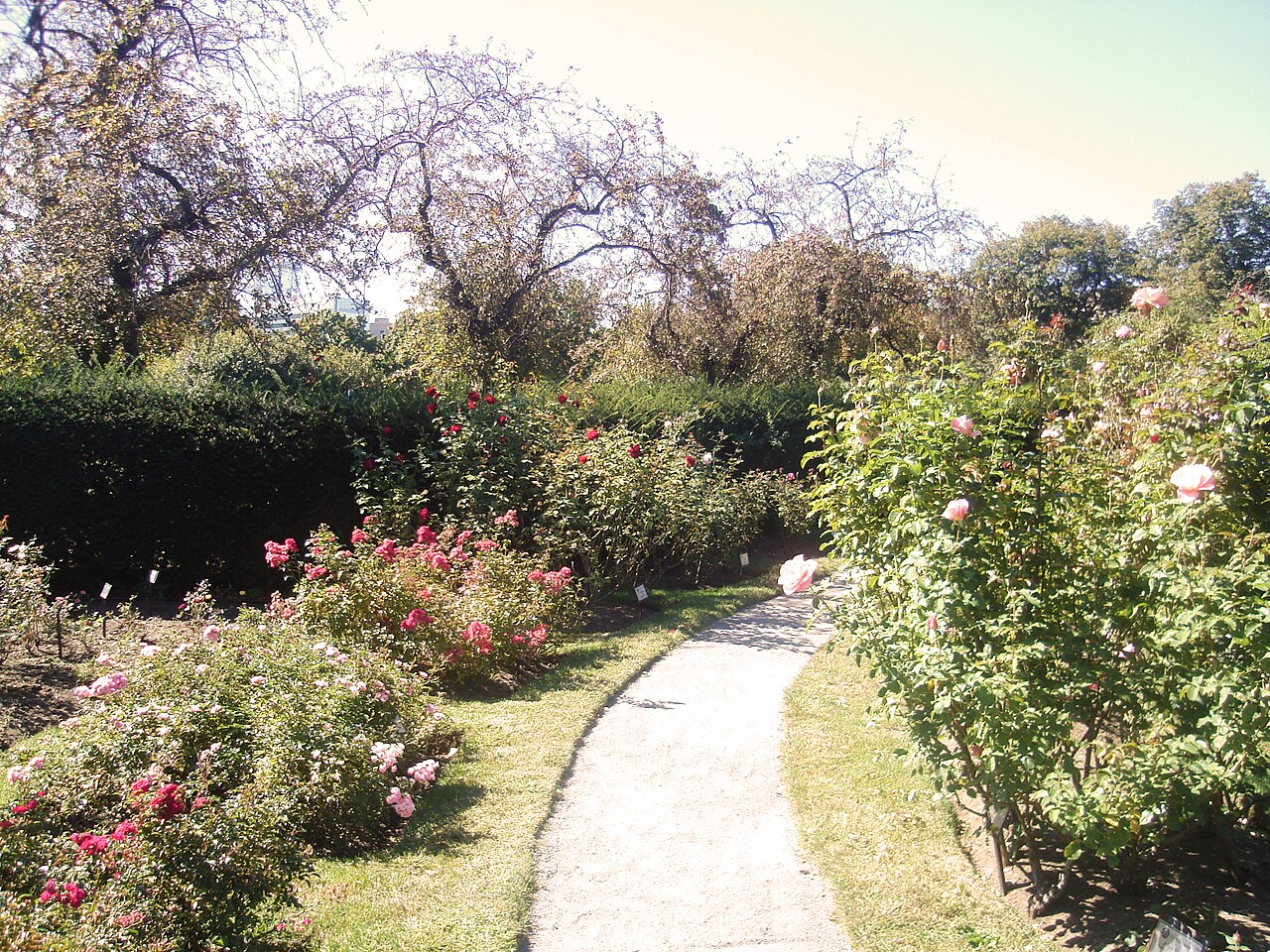
James P. Kelleher Rose Garden
- High
- Nature site
Nature site · Boston
| Monday | 06:00 – 23:30 |
|---|---|
| Tuesday | 06:00 – 23:30 |
| Wednesday | 06:00 – 23:30 |
| Thursday | 06:00 – 23:30 |
| Friday | 06:00 – 23:30 |
| Saturday | 06:00 – 23:30 |
| Sunday | 06:00 – 23:30 |
Parsed from OpenStreetMap opening hours on 2026-09-09.
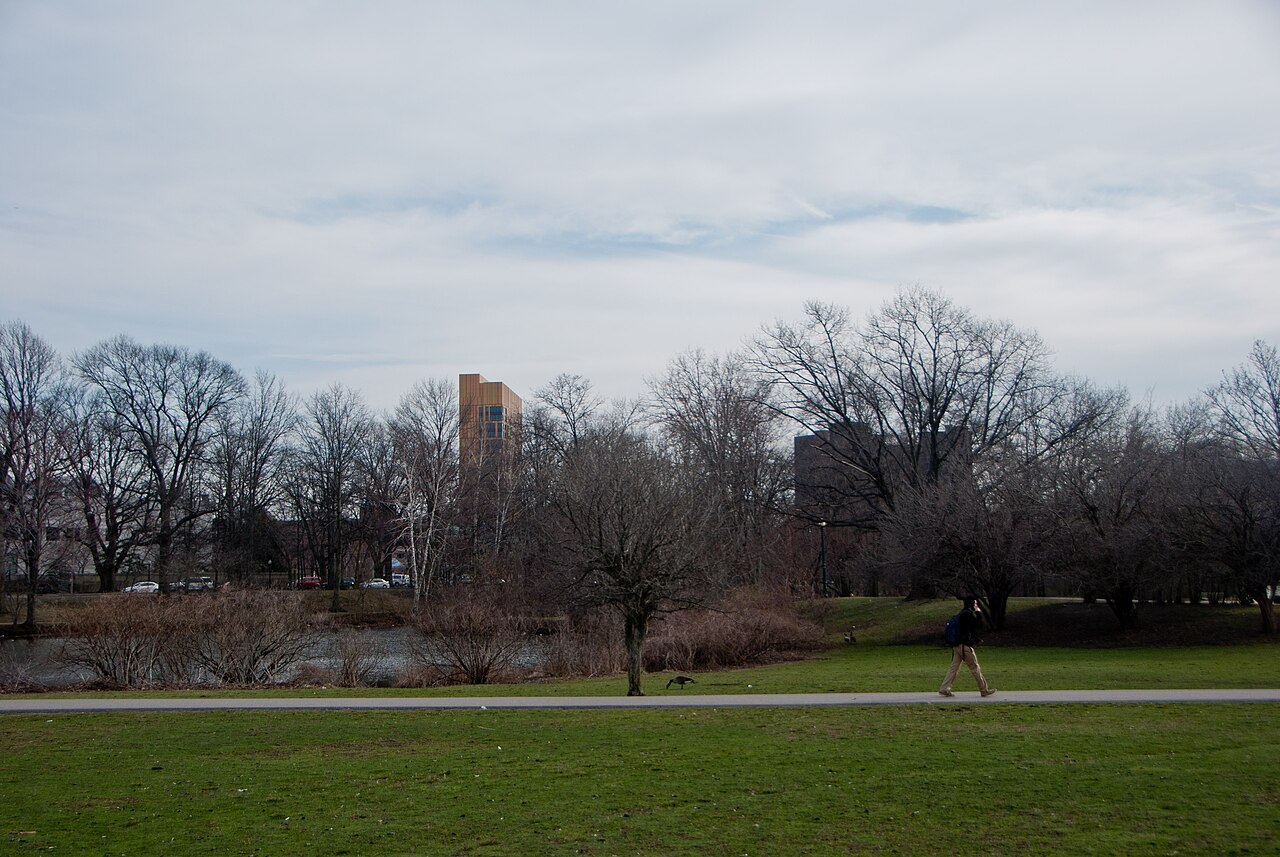
Back Bay Fens is a linear park in Boston's Emerald Necklace, the connected park system associated with landscape architect Frederick Law Olmsted. Its landscape grew from former tidal marsh and saltwater terrain that was reshaped into waterways, paths, gardens, fields, and planted areas. The park offers a useful contrast between designed urban scenery and Boston's surrounding streets. It works well for a quiet walk, a short outdoor pause, or the beginning of a longer route through nearby cultural and recreational spaces. Back Bay Fens is a linear park in Boston, part of the Emerald Necklace park system designed by Frederick Law Olmsted. The park occupies land that was once a tidal marsh and saltwater bay, later filled and transformed. It serves as both a recreational space and a functional landscape, incorporating waterways and flood control infrastructure. The Fens connects to other Emerald Necklace parks, forming a continuous green corridor through Boston. No. Back Bay Fens is the park itself. The Fenway is the surrounding neighborhood. They share a name origin from the fenland landscape but are distinct entities.
Checked 2026-08-26 · Source
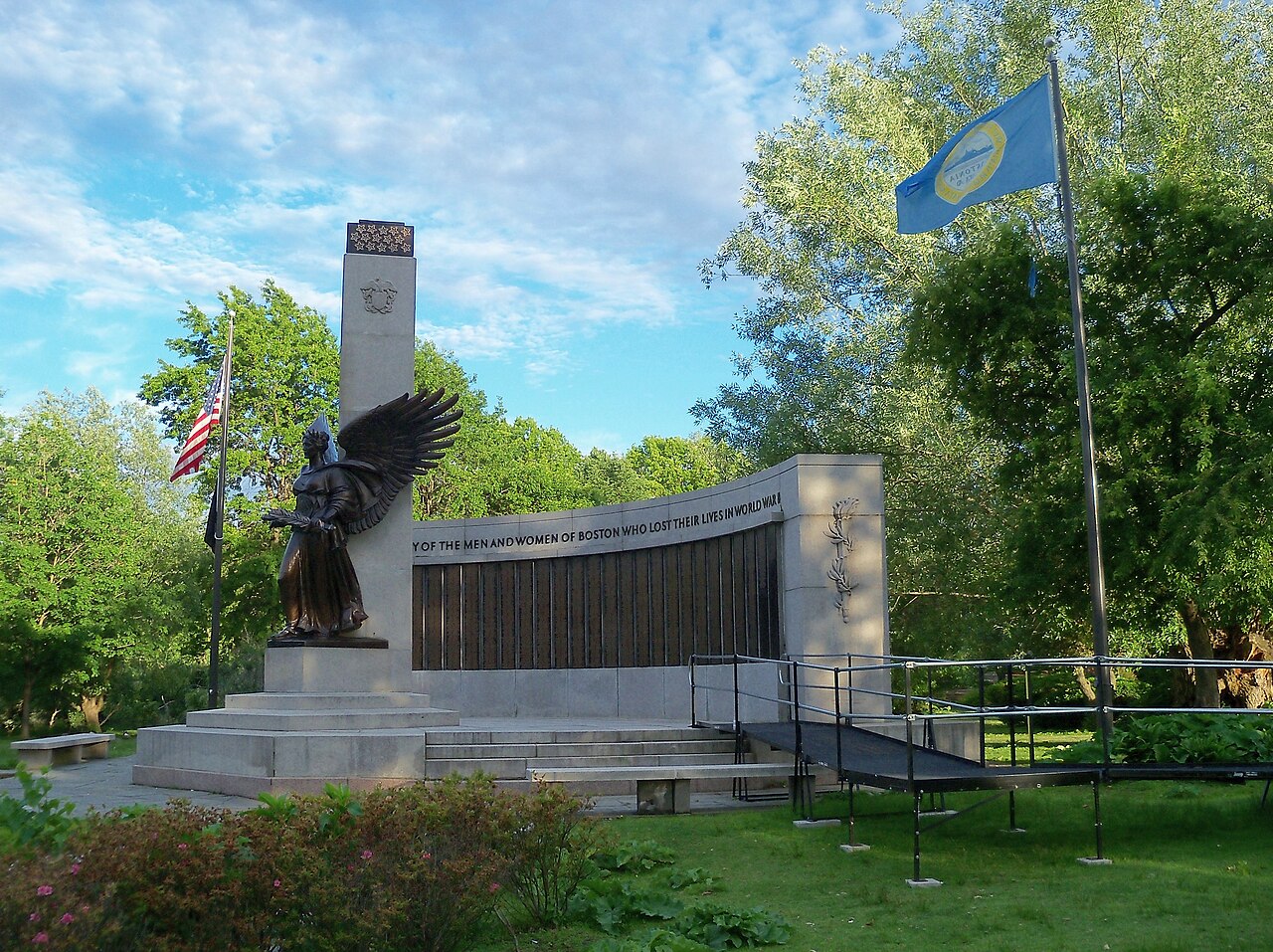
The park combines walking paths, gardens, waterways, sports fields, open lawns, memorials, and planted spaces. The Muddy River is one of its defining features, while the Victory Gardens add a cultivated community landscape with individual plots. The Kelleher Rose Garden provides formal beds and a more intimate garden setting. Baseball diamonds and open fields bring active recreation into the park. The Museum of Fine Arts and Isabella Stewart Gardner Museum border the area but remain separate attractions outside the park.
Checked 2026-08-26 · Source
Allow about one hour for a straightforward walk through the principal park areas. Two hours suits visitors who want time for the rose garden, Victory Gardens, bridges, waterways, and sports fields. A longer outing can continue into adjacent Emerald Necklace parks, turning the visit into a broader green-corridor walk. Because the Fens is linear, the experience is often about moving between points rather than completing a compact loop. Build the route around the areas you most want to see.
Checked 2026-08-26 · Source
Daylight is the most comfortable time to experience the park's paths, gardens, water, and open spaces. Spring brings fresh planting and the beginning of the garden season; summer offers dense foliage and active fields; autumn adds changing color; winter exposes the structure of the landscape and leaves many plants dormant. Growing-season visits give the Victory Gardens their liveliest character. Rain can make low areas and paths wet, so weather matters more here than at an indoor attraction.
Checked 2026-08-26 · Source
General entry to Back Bay Fens is free because it is a public park. You will not encounter a normal admission gate or ticket booth for walking through the park. Victory Garden plots belong to a separate resident gardening program rather than casual visitor access. Organized use of sports fields can involve permits, but that does not change the experience for someone walking through the park. The neighboring museums have their own admissions and should be treated as separate stops.
Checked 2026-08-26 · Source
The Fens has several practical approaches because it stretches through an urban area instead of relying on one entrance. Massachusetts Bay Transportation Authority Green Line E stops near the park include Museum of Fine Arts and Northeastern University. Fenway and Longwood Medical Area provide additional nearby access points, while buses serve surrounding streets. Walking or cycling from Fenway, Longwood, and Back Bay fits naturally with the park's linear form. Street parking is limited, so public transport or walking is often simpler.
Checked 2026-08-26 · Source
Water edges do not have continuous barriers, so keep children close near the Muddy River and other waterways. Some sections can be uneven or wet, particularly after rain or around drainage areas. Pedestrians and cyclists share parts of the route, and sports activity can bring moving players and balls close to walking paths. Low-lying areas may be affected by flooding. After dark, ambient lighting is limited across parts of the park, making daylight the better choice for relaxed exploration.
Checked 2026-08-26 · Source
Photographers can work with formal rose beds, water reflections, bridges, mature planting, open lawns, and the changing relationship between park and city. The Kelleher Rose Garden is strongest when its roses are in bloom, while morning or late-afternoon light can add texture to paths and waterways. Keep tripods and other equipment out of shared routes. Personal photography suits the park's open setting; organized or commercial sessions may require arrangements with Boston Parks and Recreation.
Checked 2026-08-26 · Source
It is a linear public park in Boston's Emerald Necklace, with waterways, gardens, sports fields, paths, and open green spaces.
No. Back Bay Fens is the park, while the Fenway is the surrounding Boston neighborhood. Their names reflect the area's former fenland landscape.
Allow about one hour for a main walk, or two hours if you want time for the gardens, waterways, bridges, and fields.
Yes. General entry to the public park is free, although nearby museums and organized sports-field use have separate arrangements.
Highlights include the Muddy River, Kelleher Rose Garden, Victory Gardens, walking paths, sports fields, open lawns, bridges, and memorials.
Museum of Fine Arts and Northeastern University on the Green Line E are near the park, with Fenway and Longwood Medical Area also providing access.
Loading the interactive map…
The interactive map could not be loaded.

Last updated:
Source: OpenStreetMap contributors ·