


6 min walk
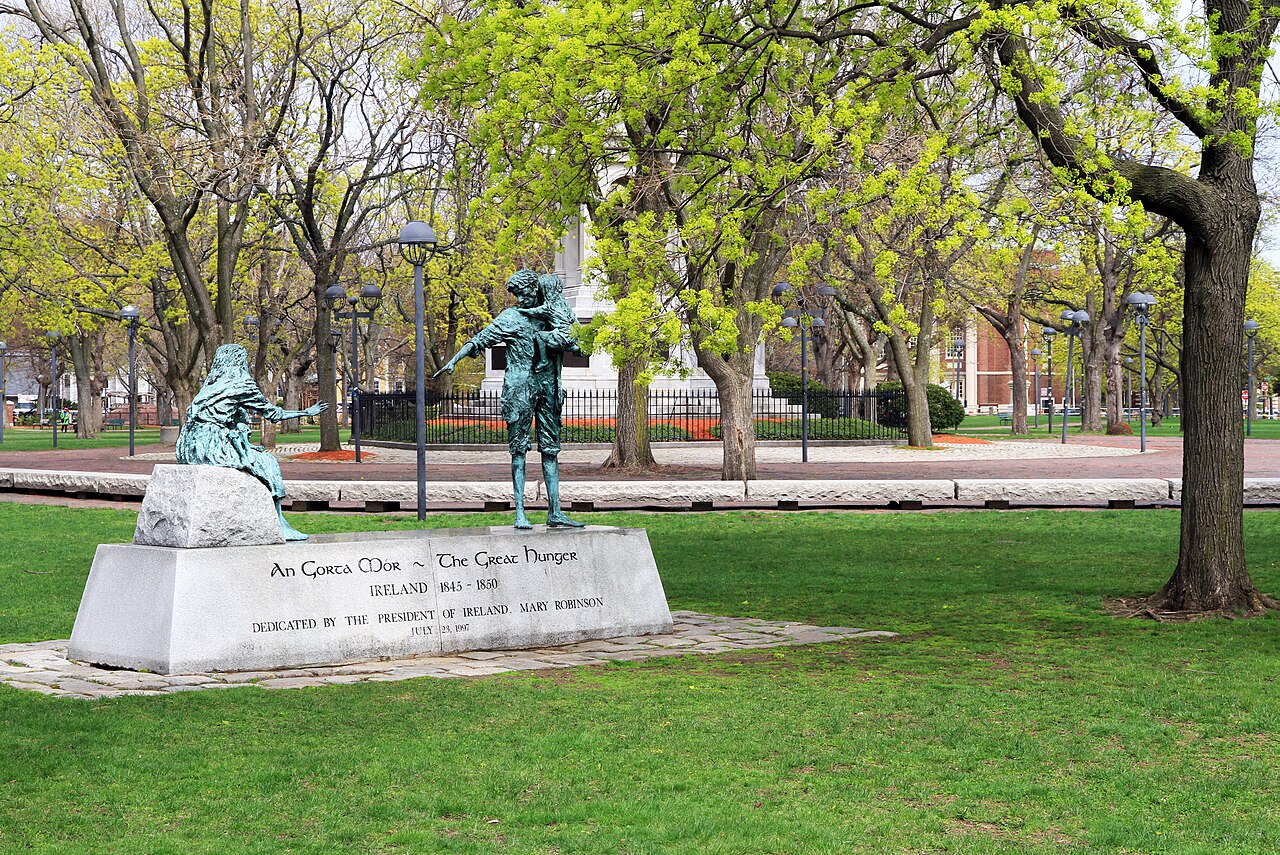
Cambridge Common
- High · Heritage site
- Nature site
Historic monument · Boston
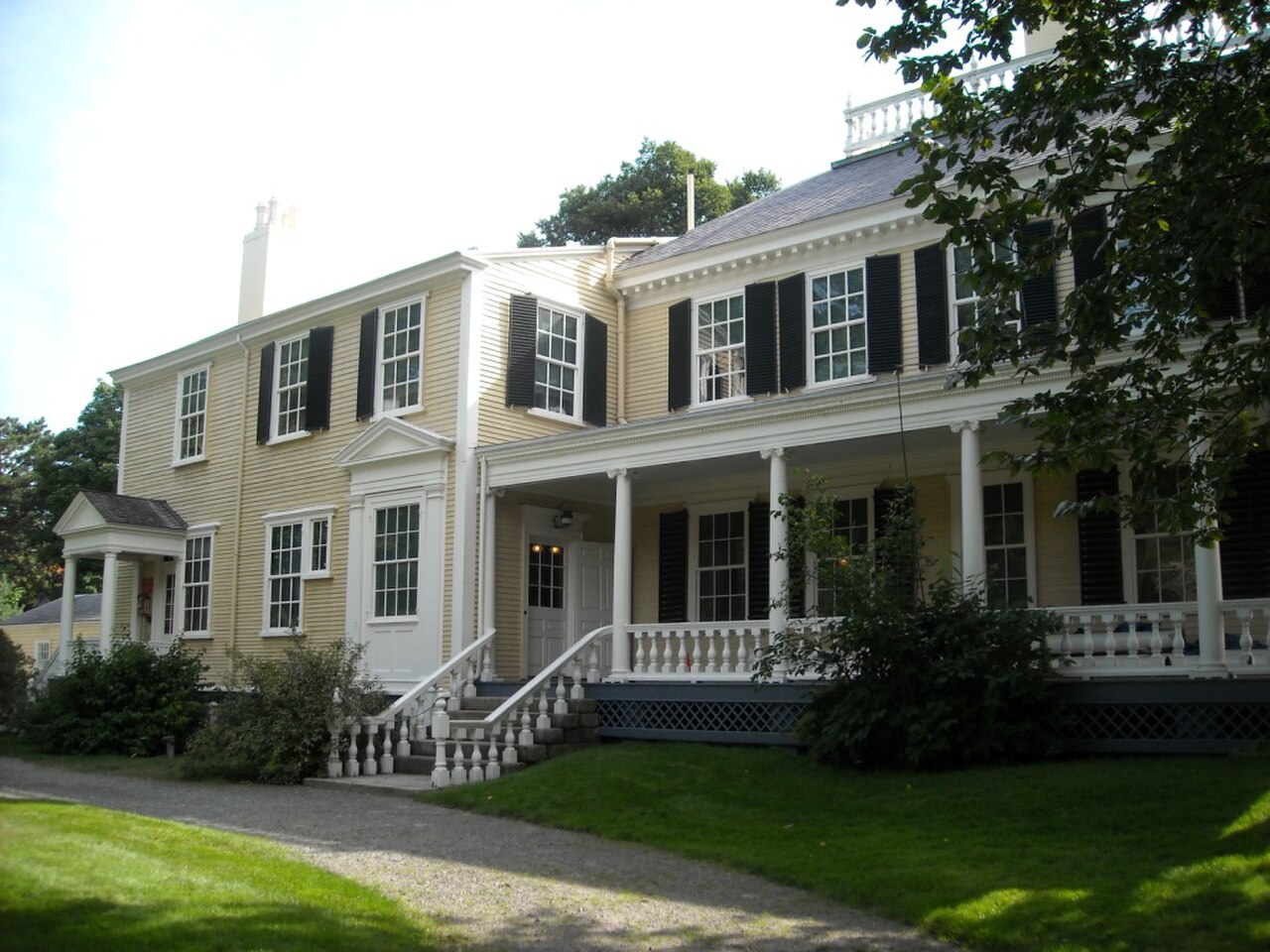
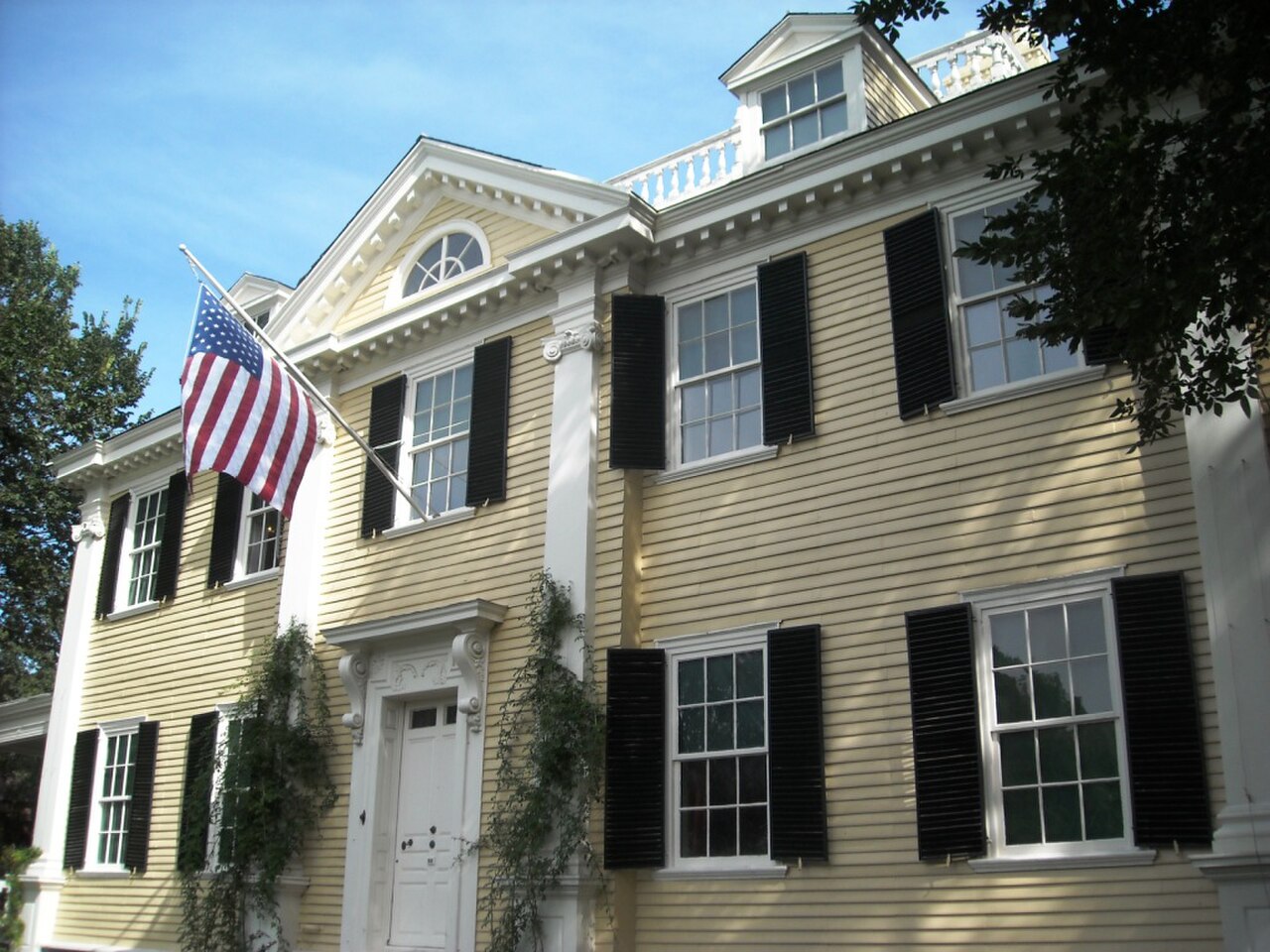
Longfellow House-Washington's Headquarters National Historic Site is a Georgian-style historic house in Cambridge, Massachusetts, across the Charles River from Boston. George Washington used the mansion as his headquarters during the Siege of Boston from 1775 to 1776. Henry Wadsworth Longfellow later lived here from 1837 to 1882. The property brings together two distinct stories: military leadership during the American Revolutionary War and nineteenth-century literary life. It is especially rewarding for travelers interested in architecture, American history, Washington, or Longfellow. The Longfellow House-Washington's Headquarters National Historic Site is a National Historic Site in Cambridge, Massachusetts, near Boston. The Georgian-style mansion served as George Washington's headquarters during the Siege of Boston in 1775-1776. Yes, it holds designation as a National Historic Site, indicating National Park Service administration or affiliation.
Checked 2026-08-26 · Source
Inside the house, visitors encounter original furnishings and artefacts connected with both Washington's headquarters and the Longfellow family's residence. Period rooms show the domestic character of the Victorian-era household, while books, manuscripts, and personal belongings connect the building with Longfellow's work. The grounds add gardens and historic landscape features beyond the interior rooms. The visit works best as a layered experience: first notice the Georgian architecture, then follow the military story, and finally consider how the same rooms became a setting for family life and poetry.
Checked 2026-08-26 · Source
Plan about one to two hours for a complete visit. That span allows time for a guided house tour, the exhibits, and a walk through the grounds without moving quickly between rooms. Travelers drawn strongly to Revolutionary War history may spend longer with the Washington interpretation, while readers interested in Longfellow may linger over books, manuscripts, and personal objects. The site is compact, so the main time commitment comes from absorbing the rooms and stories rather than covering a large outdoor area.
Checked 2026-08-26 · Source
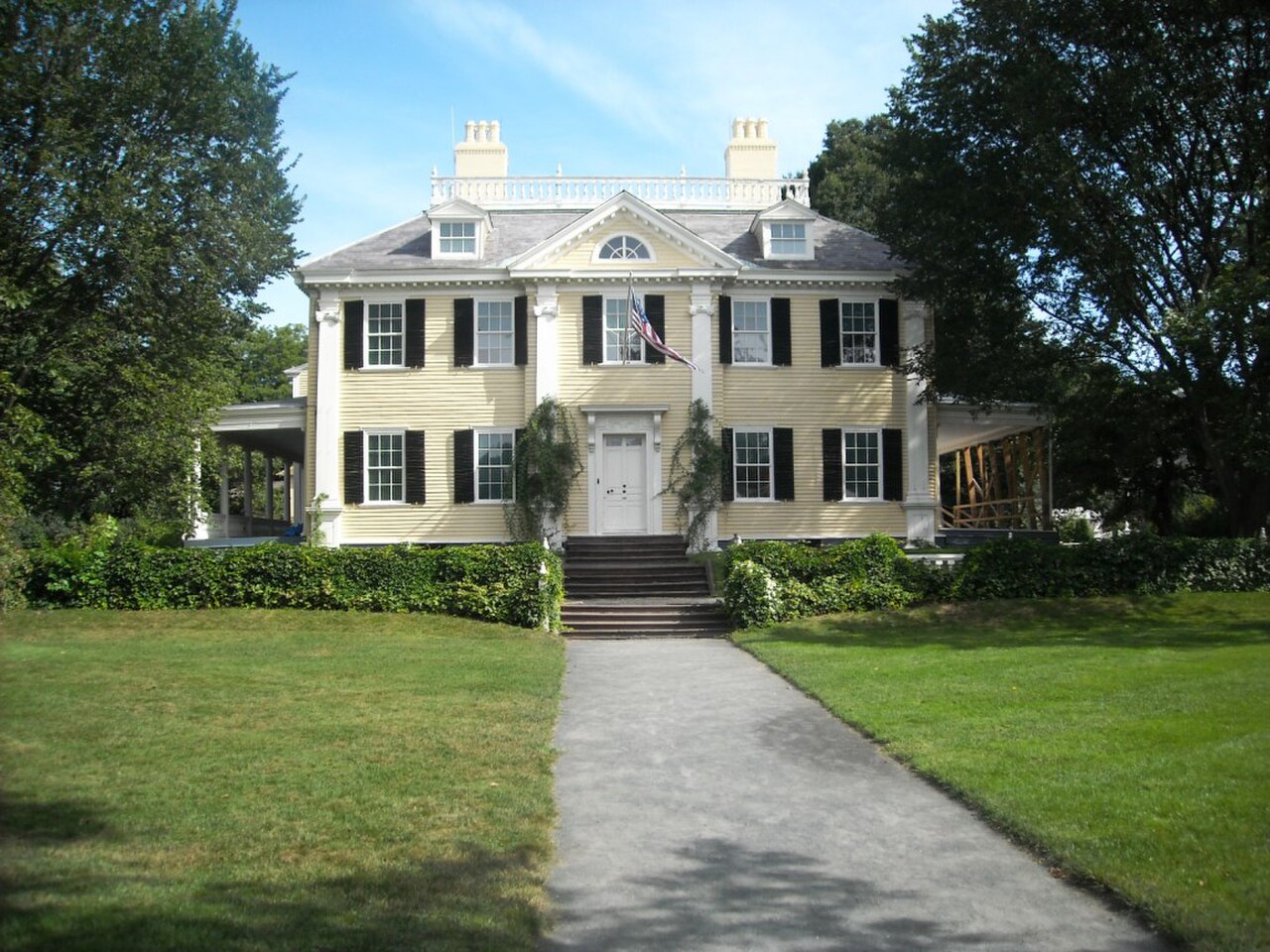
Summer and early autumn are comfortable seasons for combining the house with time in the gardens and the surrounding Cambridge streets. Spring and autumn bring changing garden scenery, while winter makes the interior history the natural focus. The property offers a useful contrast with Boston's busier central attractions because its residential setting encourages a slower visit. Schedule the house tour before leaving time for the grounds, and allow enough flexibility to read the interpretive material and move through the historic rooms at an unhurried pace.
Checked 2026-08-26 · Source
The house is part of the National Park Service system as a National Historic Site. The visit is organized around the historic property, its interiors, and guided interpretation rather than a large modern museum complex. Travelers should treat the house tour as the central experience and leave time for the grounds. The compact rooms reward attention to furnishings, documents, and architecture, so a rushed stop would miss much of the site's character. The property can fit naturally into a Cambridge day alongside nearby university-area walks and residential streets.
Checked 2026-08-26 · Source
Longfellow House is in Cambridge, across the Charles River from central Boston. The MBTA Red Line provides access through Harvard Square, followed by additional walking or a connecting bus journey. The surrounding streets have a dense university-neighborhood character, making public transport and walking practical choices. Drivers should plan around the limited parking typical of Cambridge's historic residential areas. Once nearby, keep the house's setting in mind: the approach through the neighborhood helps connect the preserved building with the wider city around it.
Checked 2026-08-26 · Source
The house contains delicate historic furnishings and artefacts, so visitors should follow guide directions about movement, touching objects, and photography. Historic interiors include narrow staircases and period floor surfaces, while the grounds may have uneven terrain and weather-affected paths. Cambridge traffic and scarce parking can add time to a car journey. Plan clothing for changing New England weather when including the gardens. The two historical narratives are closely layered, and taking time to distinguish Washington's headquarters from Longfellow's home makes the rooms easier to understand.
Checked 2026-08-26 · Source
The building and gardens provide strong subjects for architectural and historical photography. Exterior views can show the Georgian form, the surrounding landscape, and the relationship between the house and Cambridge neighborhood. Inside, the rooms, furnishings, books, and manuscripts create more intimate compositions. Historic-house photography is usually controlled to protect objects and preserve the visitor experience, so follow posted directions and staff guidance. Avoid flash, tripods, or equipment that obstructs narrow rooms unless staff specifically permit them. The exterior setting offers the clearest opportunity for wider photographs.
Checked 2026-08-26 · Source
It is a Georgian-style historic house in Cambridge connected with George Washington's headquarters during the Siege of Boston and Henry Wadsworth Longfellow's residence from 1837 to 1882.
No. Washington used the mansion as his military headquarters during the Siege of Boston from 1775 to 1776; Henry Wadsworth Longfellow later made it his home.
Henry Wadsworth Longfellow lived in the house from 1837 to 1882, and the property preserves furnishings, books, manuscripts, and personal belongings connected with his family.
Visitors can see period rooms, original furnishings and artefacts, books, manuscripts, and personal items linked with Washington's headquarters and the Longfellow family's residence.
Plan approximately one to two hours for a guided house tour, the exhibits, and the grounds.
The site is in Cambridge, Massachusetts, across the Charles River from central Boston, with access through Cambridge's university-area streets.
Loading the interactive map…
The interactive map could not be loaded.

Last updated:
Source: OpenStreetMap contributors ·