
2 min walk
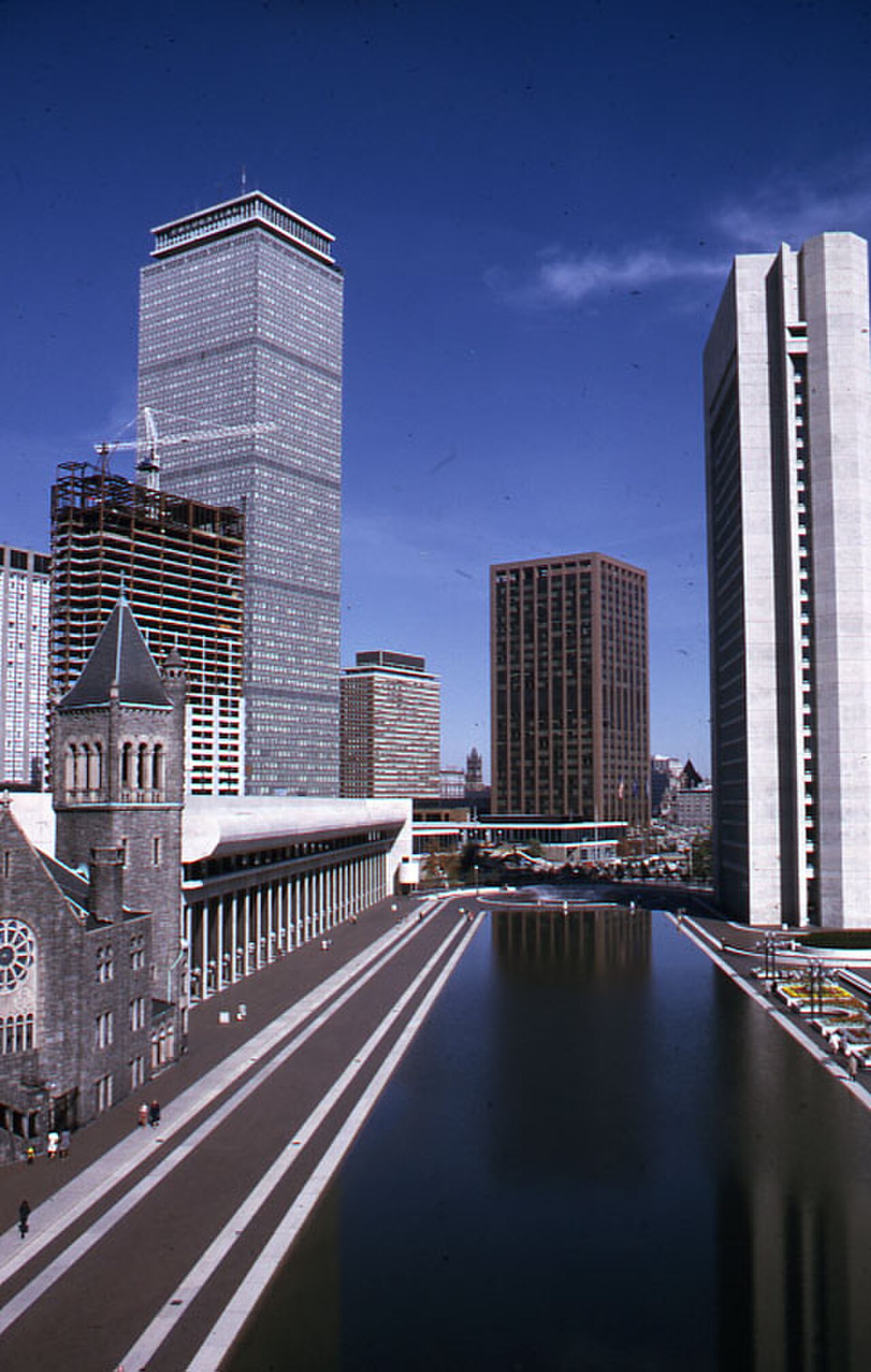
The First Church of Christ, Scientist
- High
- Place of worship
Language · 11 published
Historic monument · Boston
The Mapparium
Reviewed by Elena Voss · Roavina Travel Editor
This place is a Attraction. It was established in 1935.
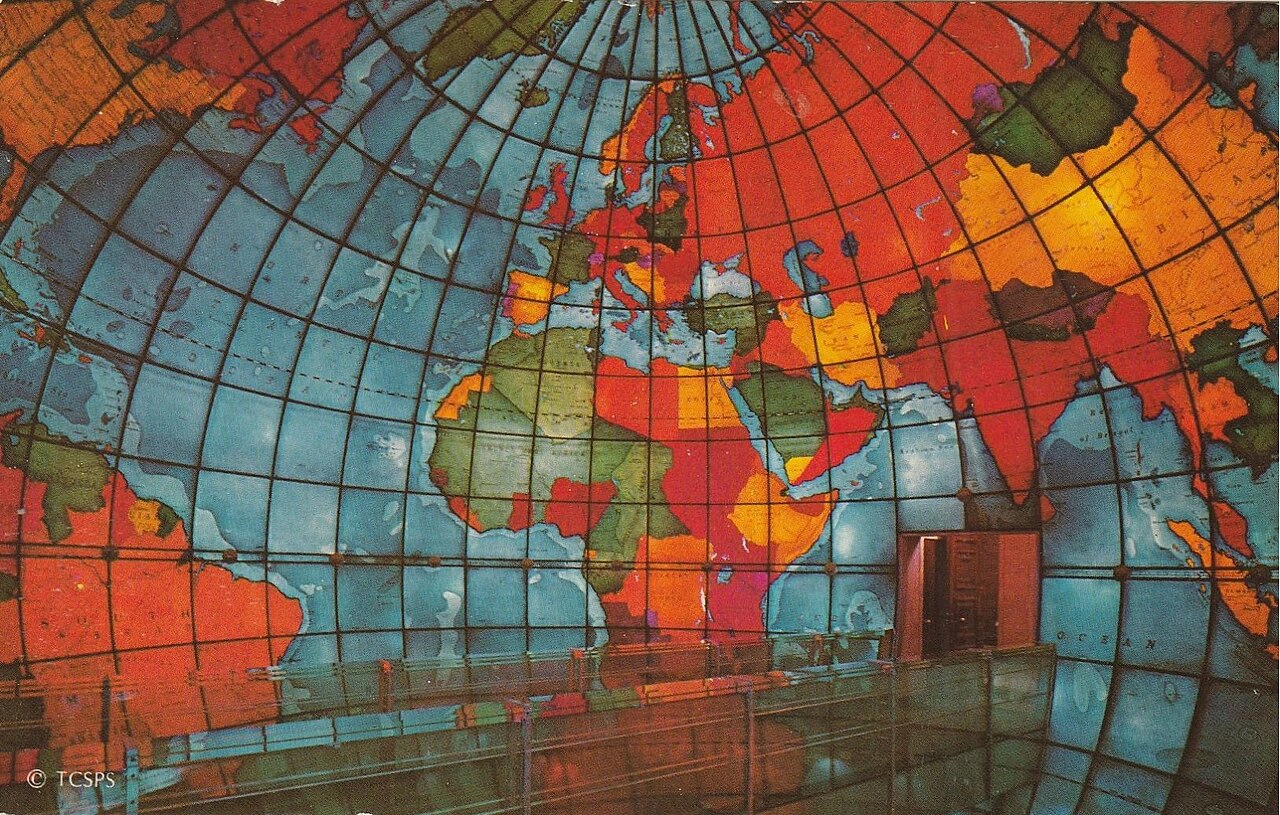
Mapparium is a three-storey stained-glass globe inside the Christian Science complex in Boston’s Back Bay. Visitors enter the globe and stand within a world map, viewing countries, borders, and oceans from the inside of a hollow sphere. The experience is both architectural and historical: the colored glass, unusual scale, and enclosed viewpoint transform a familiar map into an immersive room. The site belongs to Boston’s cultural landscape as well as its religious campus, making it a distinctive short stop near the city’s Back Bay landmarks.
Checked 2026-08-26 · Source
Inside the globe, a single bridge spans the interior diameter and forms the viewing platform. The stained-glass panels carry country names, political boundaries, and ocean labels, while light from outside gives the chamber its colored glow. The spherical walls also create remarkable acoustics: a whisper can travel clearly across the space because sound follows the curved enclosure. The map records the political geography of its construction era rather than today’s world. Movement is therefore limited, but the restriction helps focus attention on the globe’s scale, glasswork, map design, and sound.
Checked 2026-08-26 · Source
Most visitors need about fifteen to thirty minutes inside Mapparium. The room is compact, and the bridge provides one main route rather than a series of galleries. Use the time to examine the stained-glass geography, look toward the upper curve of the globe, and try the acoustic effect without disturbing other visitors. Groups may take longer as people enter and leave the bridge. The wider Christian Science complex can add more time to the outing, but those spaces are separate from the Mapparium experience. Its short duration makes it easy to pair with a Back Bay walk.
Checked 2026-08-26 · Source
Mapparium is an indoor attraction that fits Boston travel in every season. Weekday mornings may offer a calmer experience on the bridge, while summer and holiday periods can bring more visitors to Back Bay’s cultural sights. The stained glass changes character with exterior light, so daytime visits are especially rewarding for seeing the colors clearly. Because the interior is enclosed and the bridge has limited space, a quieter period also improves the ability to pause and look upward. Pairing Mapparium with Copley Square or other Back Bay landmarks creates an efficient half-day route.
Checked 2026-08-26 · Source
Mapparium has historically operated as an admission attraction, but no current price is stated in this guide. Plan it as a short, separately ticketed experience within a broader Back Bay outing. The compact visit can provide good value for travelers who enjoy architecture, maps, glass, and unusual sound rather than a long museum circuit. Keep time for entry and exit because the bridge has limited capacity and the experience centers on one enclosed room. The surrounding Christian Science complex contributes to the setting, but its other spaces should be treated as distinct parts of the visit.
Checked 2026-08-26 · Source
Mapparium is in Boston’s Back Bay within the Christian Science complex. It is reachable by public transport and by walking through the Back Bay street grid. A walk from Copley Square connects the globe with one of Boston’s best-known urban areas and makes the attraction easy to combine with nearby sightseeing. Driving into central Boston can be inconvenient because of congestion and limited parking. Cyclists can reach Back Bay through the city network, though the final approach is a busy urban journey. Allow time to locate the correct entrance within the larger complex.
Checked 2026-08-26 · Source
The bridge is narrow and limits movement, personal space, and the number of people who can linger at one point. The enclosed globe amplifies sound, which can feel intense for visitors sensitive to acoustics or sudden voices. The map’s political boundaries are historical, so it should be read as a preserved artifact rather than a current atlas. The lighting of the glass changes with conditions outside, and reflections can complicate viewing or photographs. Watch your footing on the bridge, keep the route moving when busy, and respect the capacity guidance used to manage the small interior.
Checked 2026-08-26 · Source
Mapparium offers unusual images, but the bridge and curved glass make composition challenging. Look upward to show the globe’s scale, then frame sections of colored map panels and the bridge crossing the interior. Exterior light creates strong color casts and reflections, so steady low-light technique is useful. Keep equipment small because the viewing platform has limited room and other visitors need to pass. Flash can create glare and distract people in the enclosed chamber. Photography should remain subordinate to the experience: pause briefly, avoid blocking the bridge, and follow any room-specific rules displayed at the venue.
Checked 2026-08-26 · Source
No. The globe preserves the political boundaries and geographic presentation of its construction era rather than showing later geopolitical changes.
The curved glass enclosure creates distinctive acoustics in which a whisper can travel clearly across the interior space.
No. Visitors use a single bridge spanning the globe’s interior diameter rather than walking around the inner surface.
A typical visit lasts about fifteen to thirty minutes, with extra time useful for groups or for exploring the wider Christian Science complex.
It is inside the Christian Science complex in Boston’s Back Bay, within walking distance of Copley Square and other central cultural landmarks.
Focus on the colored stained-glass panels, the historical country boundaries, the bridge crossing the globe, the changing light, and the remarkable way sound moves through the sphere.
Loading the interactive map…
The interactive map could not be loaded.

Last updated:
Source: OpenStreetMap contributors, Wikidata ·