
3 min walk
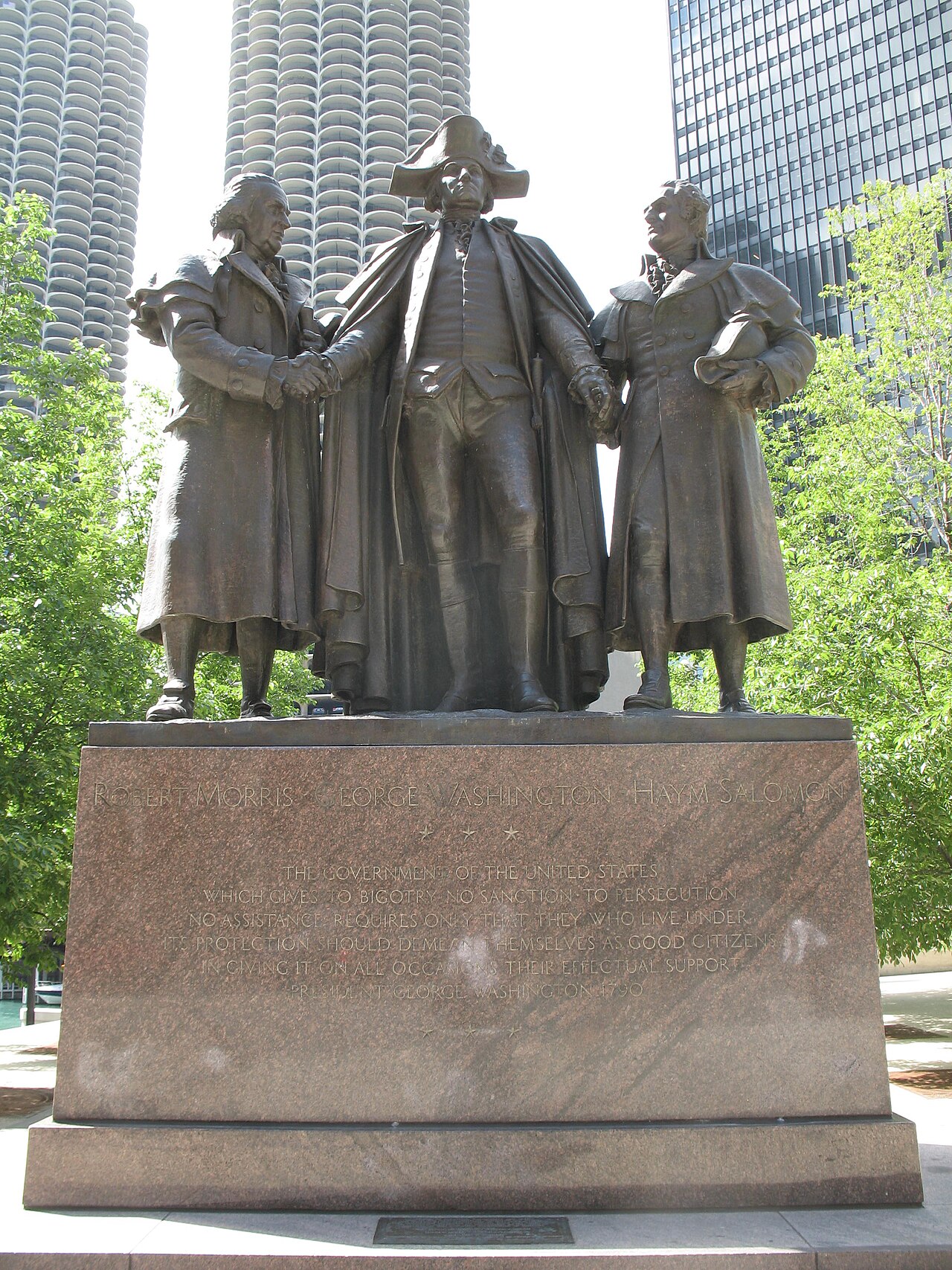
Heald Square Monument
- High · Heritage site
- Historic monument
Language · 11 published
Historic monument · Chicago
Reviewed by Elena Voss · Roavina Travel Editor
Read from the OpenStreetMap access tags; anything not listed has no tag recorded.
Set the group type to family in the planner and the day window contracts to about three quarters of a solo day.
It opened in 1921. It was built in the baroque revival style. It was designed by Rapp and Rapp. It carries the National Register of Historic Places listed place heritage designation. It is run by Columbus Association for the Performing Arts.
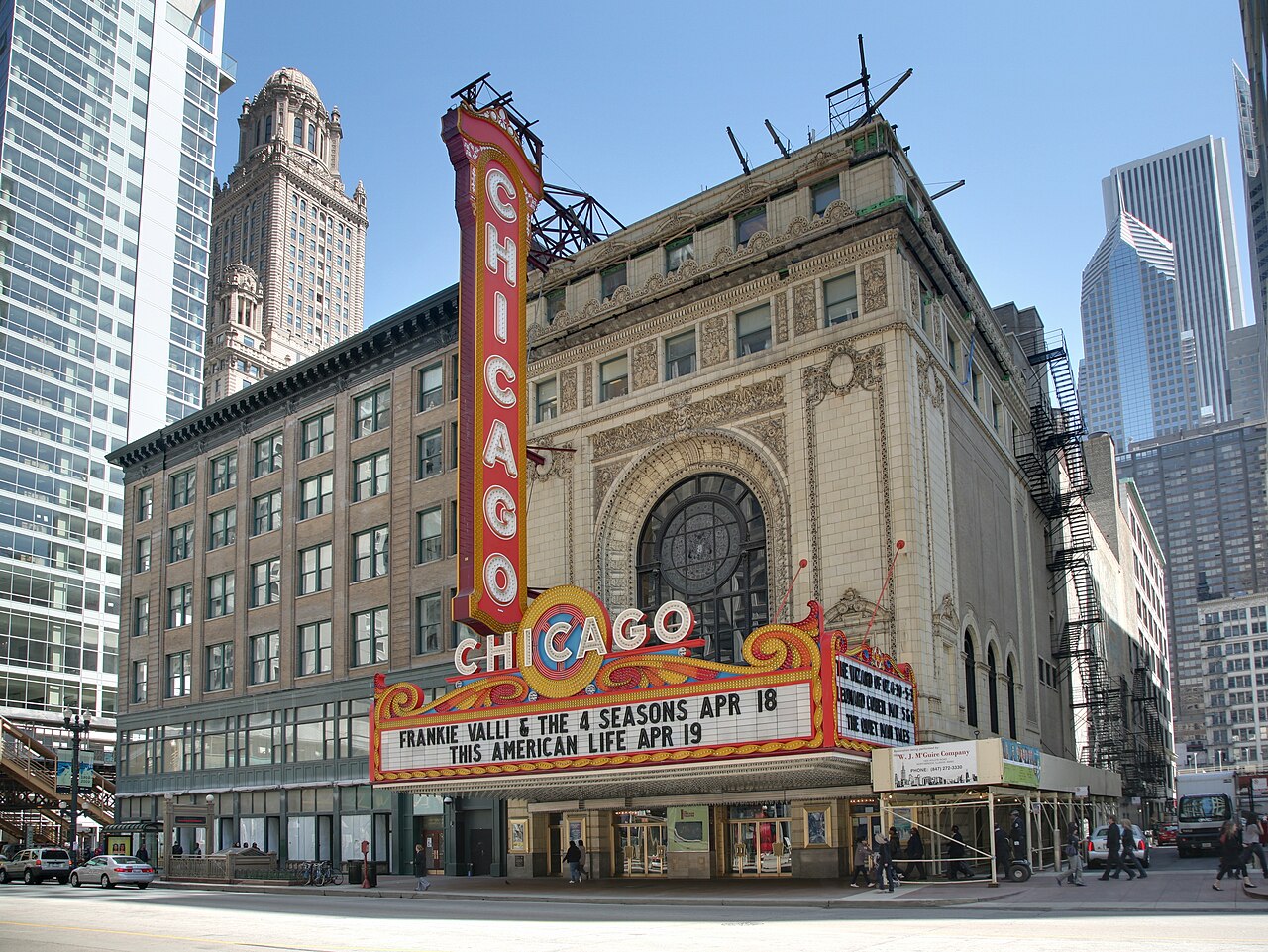
The Chicago Theatre is an iconic movie palace and live-performance landmark in Chicago's Loop district. Opened in 1921, it was originally a flagship venue for the Balaban and Katz theatre chain. The building is renowned for its distinctive marquee, which has become a symbol of the city itself. Designated a Chicago Landmark, the theatre represents a significant era of American entertainment architecture and continues to host performances after more than a century of operation. Chicago Theatre also earns time in a chicago itinerary because Iconic Loop movie palace and live-performance landmark. Its value becomes clearer when the stop is compared with the surrounding streets and the other ranked places nearby. Built in 1921 as the Balaban and Katz flagship, the theatre combines a French Baroque auditorium with its famous vertical sign and marquee. The interior's grand lobby, murals, stage and backstage spaces are visible only through a performance or a scheduled tour, while the exterior remains a free Loop landmark at State and Lake.
Checked 2026-08-31 · Source
The interior features a grand lobby and auditorium designed in opulent French Baroque style. The seven-story lobby contains a grand staircase, mezzanine galleries, and elaborate decorative plasterwork. The auditorium seats approximately 3,600 patrons across multiple levels including orchestra, main floor, and balcony sections. Notable decorative elements include a painted dome, ornate chandeliers, and extensive gilded ornamentation. The famous vertical sign and marquee illuminate State Street, marking the theatre's prominent position in the Loop entertainment district. A flexible visit lets travellers connect Chicago Theatre with the rest of the day without treating one room, viewpoint or photograph as the whole experience. The useful pace depends on personal interest and conditions on arrival.
Checked 2026-08-31 · Source
A Chicago Theatre performance requires the full event running time plus entry and exit, while the dated Theatre Tour Experience lasts about 60-75 minutes. Arrive early because security and ticket scanning occur before either product. An exterior-only stop for the marquee and State Street façade can fit into 15-30 minutes and requires no ticket. Tour availability is programme-dependent rather than daily: an empty tour calendar means there is no public interior sightseeing route on that date. Performance admission does not include a backstage tour, and a tour ticket does not include a show.
Checked 2026-08-31 · Source
There are no daily sightseeing hours. Access follows performances and dated 60-75-minute Theatre Tour Experience departures; July 2026 had no tours listed, demonstrating that availability is programme-dependent. Arrive early enough for security, timed entry and the main route before the final admission period. Weekends, school holidays, games, festivals and special events increase crowds or close individual areas. Chicago weather affects parks, riverfronts and outdoor approaches, while indoor museums remain climate controlled. The dated operator calendar always takes priority over a normal weekly pattern.
Checked 2026-08-31 · Source
Tour tickets cost USD 27-29 adult online, including listed fees and tax, and USD 22-23 for children 12 and under or seniors 65+. Performance tickets are separate. Use the official operator and retain the dated confirmation. General entry does not include separately priced tours, performances, temporary exhibitions, parking, rentals, food or events unless the product says so. Free or suggested admission can still require a timed reservation and proof of eligibility. Accessible seating and necessary companion arrangements follow the venue-specific booking process.
Checked 2026-08-31 · Source
The theatre is at 175 N State Street. CTA Lake Red Line and State/Lake Brown, Green, Orange, Pink and Purple lines are directly nearby; numerous State and Randolph buses serve the Loop. Allow time for the final walk, entrance choice, security or tour meeting point. Use the complete venue name and address because lakefront campuses, university sites and stadiums can have multiple gates. Public transport avoids event traffic and expensive parking, and an admission or tour reservation never guarantees a parking place.
Checked 2026-08-31 · Source
Accessible accommodations are available through MSG Accessibility Services. Public auditorium routes can be made accessible, but stage, dressing-room and backstage stops depend on stairs, events and the day's tour route. Follow the designated accessible route and staff instructions. Crowds, historic interiors, tours, performance spaces, festivals and temporary installations can apply narrower access or transfer requirements than the main route. Keep bags compact, retain tickets and identification, and leave lifts, ramps, aisles, companion seating and emergency routes clear for other visitors.
Checked 2026-08-31 · Source
The illuminated CHICAGO marquee and State Street façade are the defining public-street subjects. Tour photography follows guide instructions because backstage, auditorium and stage access changes with rehearsals and events. During performances, photography and recording are governed by the production and venue rules and may be prohibited entirely. Keep tripods and lighting off busy State Street pavements and out of aisles. Personal exterior images need no theatre ticket; commercial shoots, professional equipment and publication work require venue permission.
Checked 2026-08-31 · Source
No. Tours run only on dates released in the official calendar.
The operator describes a 60-75-minute behind-the-scenes visit.
No. Concert days remove stage and dressing-room access, and all stops remain subject to availability.
Personal photography is generally allowed, but restrictions apply in operational or performance areas.
Accessible accommodations are available, but backstage stairs can require an alternative route.
No. Tour ticket sales are final unless the operator cancels or applies its stated exception.
Loading the interactive map…
The interactive map could not be loaded.
Last updated:
Source: OpenStreetMap contributors, Wikidata ·