

3 min walk
National Museum of Puerto Rican Arts and Culture
- Must see
- Museum
Language · 11 published
Nature site · Chicago
Humboldt (Alexander Von) Park
Reviewed by Elena Voss · Roavina Travel Editor
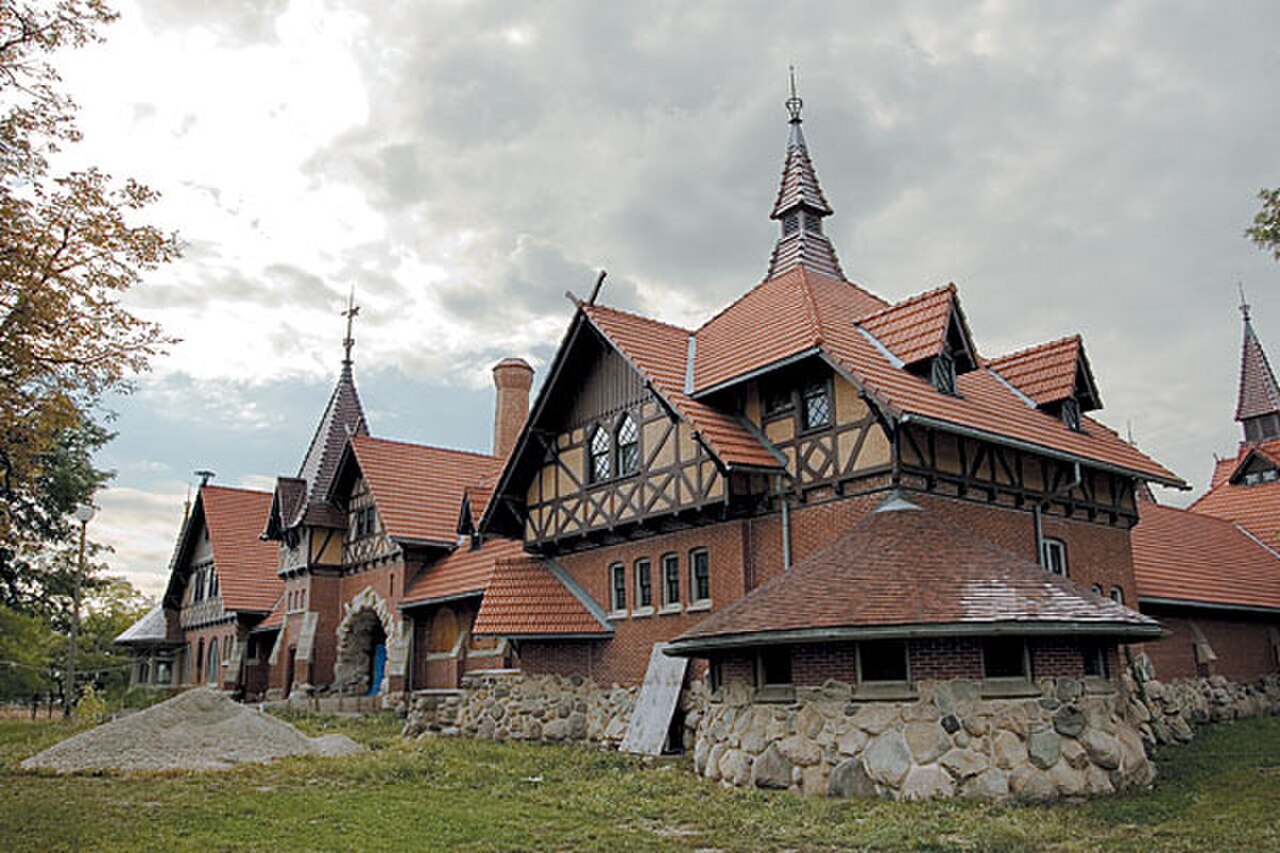
This place is a Park. It was established in 1877. It was designed by Jens Jensen. It carries the National Register of Historic Places listed place heritage designation.
Humboldt Park is a 207-acre historic public park on Chicago's West Side and the centerpiece of the surrounding neighborhood. The park combines designed landscape, recreation, and Puerto Rican cultural importance. Division Street and the surrounding area are closely associated with Chicago's Puerto Rican community, while the park itself gives visitors a spacious setting for walking, gardens, water views, and cultural visits. Humboldt Park is a historic public park on Chicago's West Side, named for German naturalist Alexander von Humboldt. Established in the late 19th century, it spans approximately 207 acres and forms the centerpiece of the surrounding Humboldt Park neighborhood. The park holds significant cultural importance as a gathering place for Chicago's Puerto Rican community, particularly along Division Street, where Puerto Rican flags and cultural markers are prominently displayed. The park and its surrounding area reflect decades of demographic change and community resilience. Safety conditions vary and visitors should consult current local crime data and community reports rather than general assumptions. Standard urban precautions apply, with heightened awareness advisable in less populated areas and after dark.
Checked 2026-08-26 · Source
Humboldt Park includes a lagoon, formal rose gardens, walking paths, mature trees, sports areas, and the historic Prairie-style boathouse. The former stables building houses the National Museum of Puerto Rican Arts and Culture. Visitors can combine an outdoor park walk with a cultural museum visit, or focus on recreation through baseball diamonds, tennis courts, the fieldhouse, and the open landscape around the water. The park contains a scenic lagoon, formal rose gardens, and the historic Humboldt Park boathouse, a Prairie-style structure designed by architects from the firm of Schmidt, Garden and Martin. The National Museum of Puerto Rican Arts and Culture occupies the former stables building near the park's southern edge. Recreational facilities include baseball diamonds, tennis courts, and a fieldhouse with fitness amenities. The park's landscape features walking paths, mature trees, and the formal garden areas that were part of the original design.
Checked 2026-08-26 · Source
A walk around the lagoon and through the formal gardens takes roughly forty-five to sixty minutes. Allow one to three hours for a broader visit that includes the landscape, cultural landmarks, and time near the water. Add about an hour if the National Museum of Puerto Rican Arts and Culture is part of the plan. Families using playgrounds or sports facilities may stay longer, especially in warm weather. Visitors typically spend between one and three hours at Humboldt Park, depending on their interests.
Checked 2026-08-26 · Source
Spring and fall are comfortable seasons for walking through Humboldt Park, while summer brings fuller foliage, more outdoor activity, and community energy. Winter changes the experience with cold conditions and potentially slippery paths. The park remains a year-round destination, but weather strongly affects how long visitors can comfortably spend outdoors. Pair the visit with the surrounding Puerto Rican cultural corridor when the day allows time for both park and neighborhood.
Checked 2026-08-26 · Source
General access to Humboldt Park is free because it is a public Chicago Park District facility. The National Museum of Puerto Rican Arts and Culture occupies a building within the park and has its own admission arrangements. Plan the outdoor park portion separately from the museum visit, since the two experiences serve different purposes: open-air walking and gardens on one hand, indoor Puerto Rican arts and culture on the other.
Checked 2026-08-26 · Source
CTA buses serve the streets around Humboldt Park, including Division Street, North Avenue, and California Avenue. The nearest Blue Line stations are around a mile south at Division or Chicago, with walking or a bus connection needed for the park. Divvy bikes and neighborhood bike lanes offer a cycling option. Street parking is available around the residential edges, but spaces can vary by day and time.
Checked 2026-08-26 · Source
Humboldt Park is large, so stay aware of the distance between the lagoon, gardens, cultural buildings, and recreation areas. After dark, reduced foot traffic changes the character of the park; plan outdoor time for periods when the routes you use are active. Rain and winter weather can make paths slippery. Keep valuables secure, supervise children near water and recreation areas, and use care around surrounding streets.
Checked 2026-08-26 · Source
The lagoon, boathouse, rose gardens, mature trees, and the National Museum of Puerto Rican Arts and Culture provide varied subjects. Morning and late afternoon light can bring structure to the paths and water, while the steel Puerto Rican flags along Division Street are important community symbols. Photograph them respectfully, ask before photographing people or private events, and follow Chicago Park District and FAA rules for any aerial equipment.
Checked 2026-08-26 · Source
Humboldt Park is known for its lagoon, formal gardens, historic boathouse, recreation facilities, and its importance to Chicago's Puerto Rican community.
Allow forty-five to sixty minutes for a walk around the lagoon and gardens. A broader visit usually takes one to three hours, with extra time for the museum or recreation facilities.
General access to the public park is free. The National Museum of Puerto Rican Arts and Culture inside the park has separate admission arrangements.
The park contains a lagoon, rose gardens, walking paths, mature trees, a historic boathouse, sports facilities, and the National Museum of Puerto Rican Arts and Culture.
CTA buses serve Division Street, North Avenue, and California Avenue. Blue Line stations at Division or Chicago are about a mile south and require walking or a bus connection.
The park and surrounding neighborhood are a major cultural center for Chicago's Puerto Rican community, especially around Division Street, which carries community institutions and distinctive cultural markers.
Loading the interactive map…
The interactive map could not be loaded.
Last updated:
Source: OpenStreetMap contributors, Wikidata ·