Roavina

City guide · United States

Chicago

A photograph of Chicago
Photograph · J. Crocker · Attribution

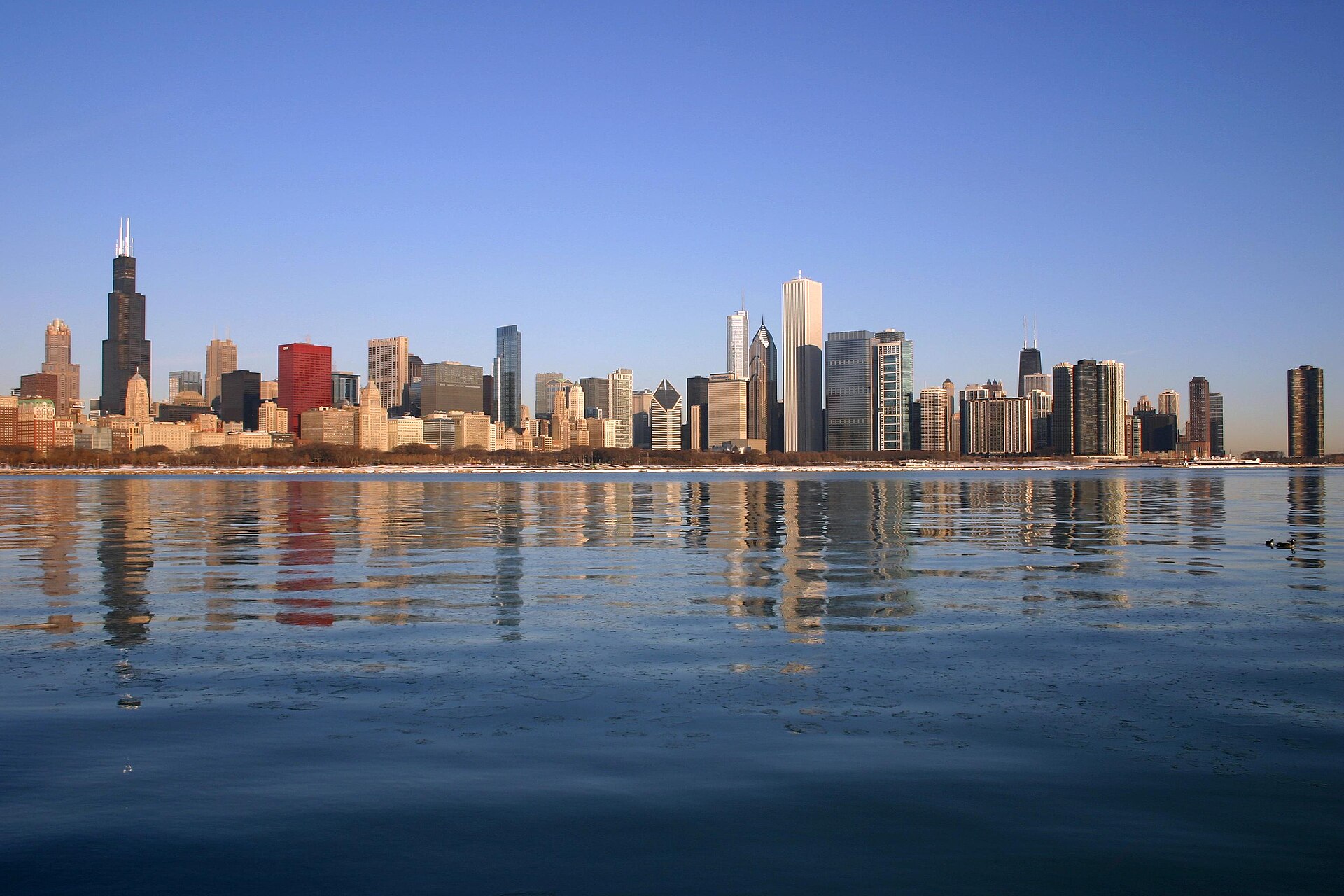
Chicago is organised around Lake Michigan, the Chicago River and a regular street grid. The Loop contains the central business district, major architecture and Millennium Park; museum campuses and lakefront parks extend south, while River North, Lincoln Park and neighbourhood centres continue north and west. A first visit works best when downtown sights are grouped together and separate time is reserved for one or two neighbourhoods beyond the Loop.

Reviewed by Elena Voss · Roavina Travel Editor

Practical information

Language spoken
English is the principal language; no federal official language
National practical orientation; regional and minority languages may also be used
Dialling code
+1
International calling code; local area and mobile prefixes still apply
Currency
United States dollar (USD)
Use the official local currency; card acceptance varies by place
Emergency number
911
Use only for an emergency; tourist assistance may use a separate number
Plug type
Type A and B · 120 V
Check that chargers support the recorded voltage before using an adapter
Tap water
Not recorded
Water quality is regulated locally; check the current notice for the destination

Turn this list into a plan

Set your days, your pace and the hours you actually want to be out. The planner works around closing days and travel time, and leaves room to eat.

Plan Chicago

Planning a visit

Suggested stay
Not recorded
Getting around
Walk, CTA rail and bus
  1. January: recurring difficult conditions
  2. February: recurring difficult conditions
  3. March: viable with meaningful trade-offs
  4. April: good time to visit
  5. May: best time to visit
  6. June: good time to visit
  7. July: viable with meaningful trade-offs
  8. August: viable with meaningful trade-offs
  9. September: best time to visit — current month
  10. October: best time to visit
  11. November: viable with meaningful trade-offs
  12. December: recurring difficult conditions
  • Best time
  • Good time
  • Viable with trade-offs
  • Difficult conditions

Sources

Top things to see

Ranked by importance — sitelinks, pageviews and heritage status, not editor preference.

  1. Garfield Park Conservatory Garfield Park Conservatory
    02 1 hour

    Garfield Park Conservatory

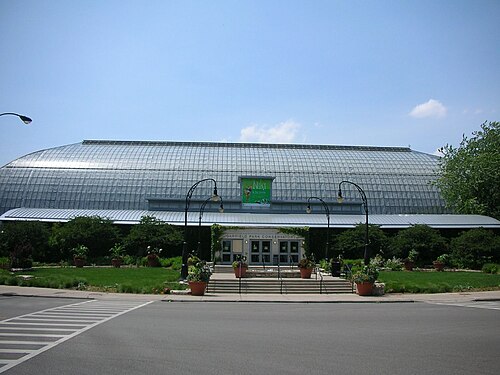
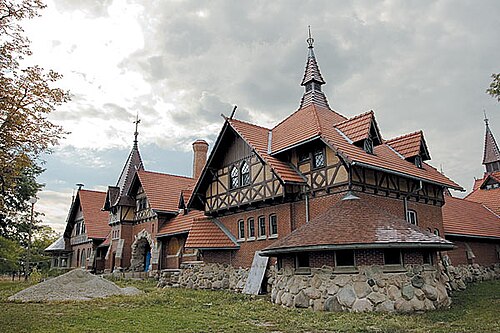
    Garfield Park Conservatory is a large historic glasshouse complex on Chicago's West Side. Established in the early twentieth century, it ranks among the largest conservatories in the United States.

    • Must see
    • Nature site
  2. Chicago Riverwalk Chicago Riverwalk
    03 1 hour

    Chicago Riverwalk

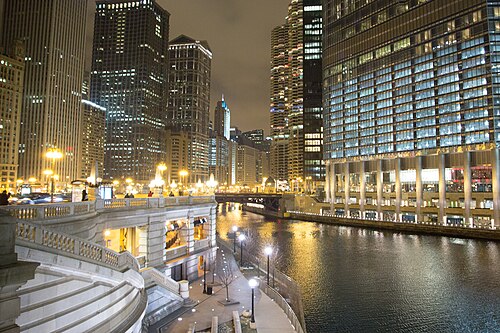
    The Chicago Riverwalk is a central riverfront promenade in downtown Chicago. It extends along the south bank of the main stem of the Chicago River, connecting the Lake Michigan shoreline with the confluence of the river's branches.

    • Must see
    • Nature site
  3. Lincoln Park Conservatory Lincoln Park Conservatory
    04 1 hour

    Lincoln Park Conservatory

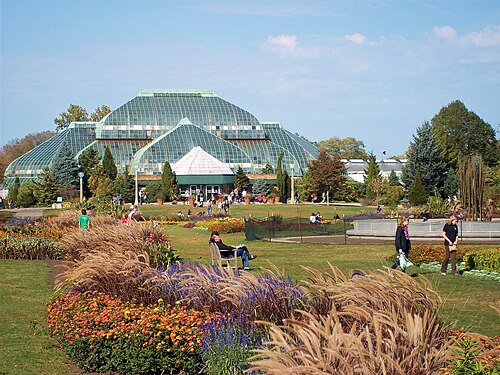
    The Lincoln Park Conservatory is a historic glasshouse greenhouse located within Lincoln Park on the North Side of Chicago, Illinois.

    • Must see
    • Nature site
  4. Grant Park Grant Park
    05 1 hour

    Grant Park

    Grant Park is a large urban park located in the central lakefront area of Chicago, Illinois. It serves as a major public green space connecting several significant cultural and recreational destinations along the shoreline of Lake Michigan.

    • Must see
    • Nature site
  5. Humboldt Park Humboldt Park
    06 1 hour

    Humboldt Park

    Humboldt (Alexander Von) Park

    Humboldt Park is a 207-acre historic public park on Chicago's West Side and the centerpiece of the surrounding neighborhood. The park combines designed landscape, recreation, and Puerto Rican cultural importance.

    • Must see
    • Nature site
  6. North Avenue Beach North Avenue Beach
    07 1 hour

    North Avenue Beach

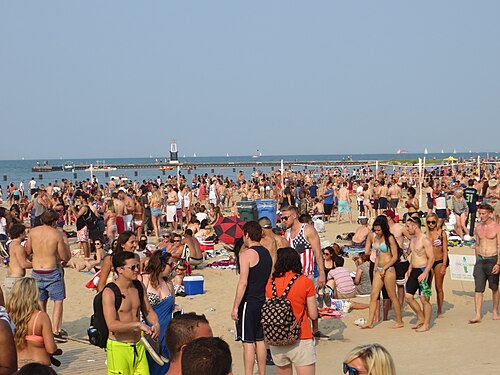
    North Avenue Beach is Chicago's most prominent central beach and an active lakefront hub. Located along Lake Michigan, it serves as a major recreational destination for residents and visitors.

    • Must see
    • Nature site
  7. Montrose Avenue Beach Montrose Avenue Beach
    08 1 hour

    Montrose Avenue Beach

    Montrose Beach

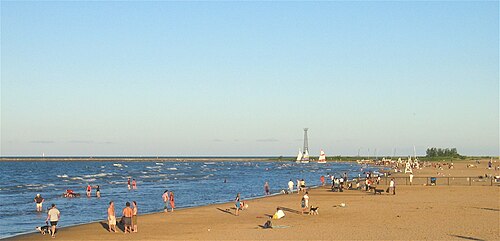
    Montrose Beach is a public beach on the North Side of Chicago. It sits along Lake Michigan with adjacent natural areas that serve as bird habitat.

    • Must see
    • Nature site
  8. Oak Street Beach Oak Street Beach
    09 1 hour

    Oak Street Beach

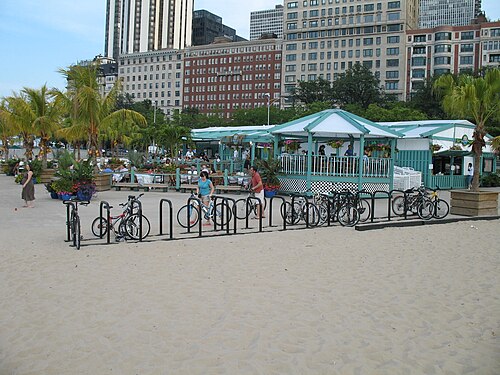
    Oak Street Beach is a public beach on the Lake Michigan shoreline in Chicago's Near North Side. It sits directly below the Gold Coast neighborhood, one of the city's most affluent residential districts.

    • Must see
    • Nature site
  9. Thirty-first Street Beach
    10 1 hour

    Thirty-first Street Beach

    Margaret Burroughs Beach

    31st Street Beach is a public beach on Lake Michigan in Chicago, Illinois. It sits on the city's South Side within the Burnham Park lakefront system.

    • Must see
    • Nature site
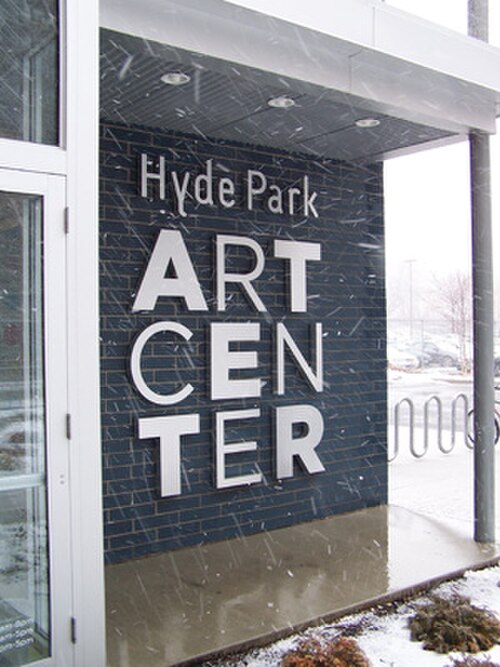
  10. Hyde Park Art Center Hyde Park Art Center
    11 1 hour

    Hyde Park Art Center

    Hyde Park Art Center is an independent nonprofit contemporary-art space and community arts hub in Chicago's Hyde Park neighborhood. Founded in 1939, the center is one of the city's oldest alternative exhibition spaces.

    • Must see
    • Nature site
  11. Lurie Garden Lurie Garden
    12 1 hour

    Lurie Garden

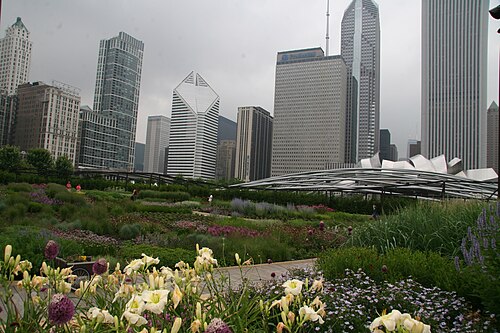
    Lurie Garden is a public garden within Millennium Park in downtown Chicago. Named for philanthropist Ann Lurie, it occupies the park’s northwest section and creates a planted refuge among the city’s buildings, public art, and busy pedestrian routes.

    • High
    • Nature site
  12. Maggie Daley Park Maggie Daley Park
    13 1 hour

    Maggie Daley Park

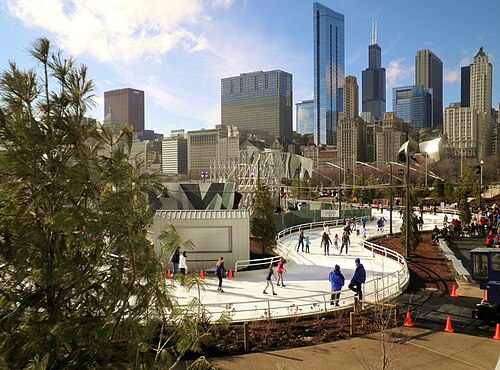
    Maggie Daley Park is a large downtown recreation park in Chicago, Illinois. It adjoins Millennium Park and is named in honour of Maggie Daley, the former first lady of Chicago.

    • High
    • Nature site
  13. Jackson Park Jackson Park
    14 1 hour

    Jackson Park

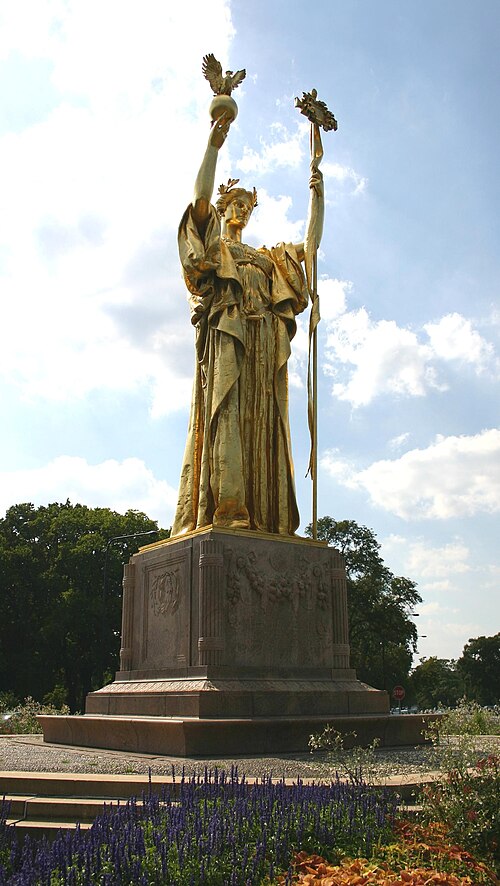
    Jackson Park is a large public park on Chicago's South Side lakefront. Its landscape is closely associated with the 1893 World's Columbian Exposition, whose planning and legacy shaped this part of the city.

    • High
    • Nature site
  14. Northerly Island Northerly Island
    15 1 hour

    Northerly Island

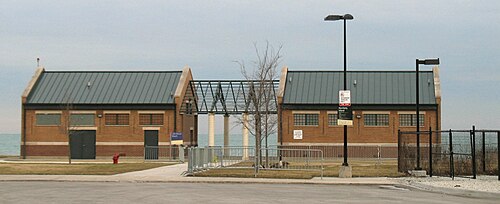
    Northerly Island is a 91-acre peninsula and former airport site on Chicago's lakefront, converted into a public park and natural area. It extends into Lake Michigan south of the Museum Campus.

    • High
    • Nature site
  15. Ping Tom Memorial Park Ping Tom Memorial Park
    16 1 hour

    Ping Tom Memorial Park

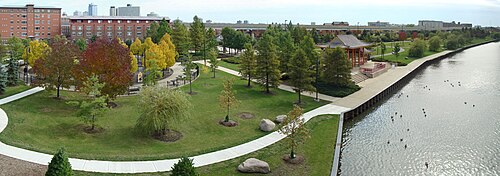
    Ping Tom Memorial Park is a riverfront public park in Chicago's Chinatown. It brings open space, walking paths, lawns, trees, seating, and water views into a dense urban neighborhood.

    • High
    • Nature site
  16. Bloomingdale Trail Park Bloomingdale Trail Park
    17 1 hour

    Bloomingdale Trail Park

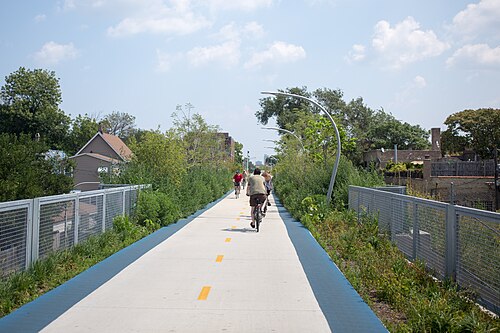
    The 606 is an elevated linear park and trail system on Chicago's Northwest Side. Built on a former railway embankment, it runs through several neighborhoods.

    • High
    • Nature site
  17. Alfred Caldwell Lily Pool Alfred Caldwell Lily Pool
    18 1 hour

    Alfred Caldwell Lily Pool

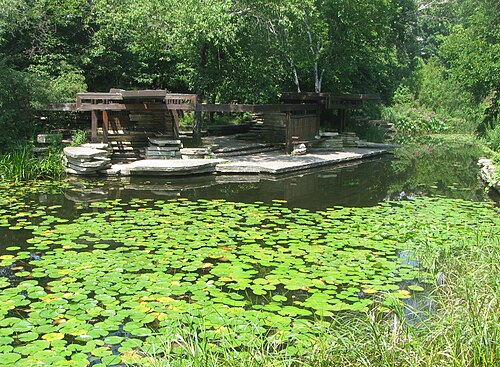
    The Alfred Caldwell Lily Pool is a restored Prairie-style pond and landscape located in Chicago's Lincoln Park. Designed by landscape architect Alfred Caldwell in the 1930s, this hidden gem exemplifies the organic architectural philosophy of the Prairie School movement.

    • Notable
    • Nature site
  18. Oz Park Oz Park
    19 1 hour

    Oz Park

    Oz Park is a neighbourhood park in Chicago’s Lincoln Park area, known for its public art inspired by L. Frank Baum’s The Wonderful Wizard of Oz.

    • Notable
    • Nature site
  19. Garden of the Phoenix Garden of the Phoenix
    20 1 hour

    Garden of the Phoenix

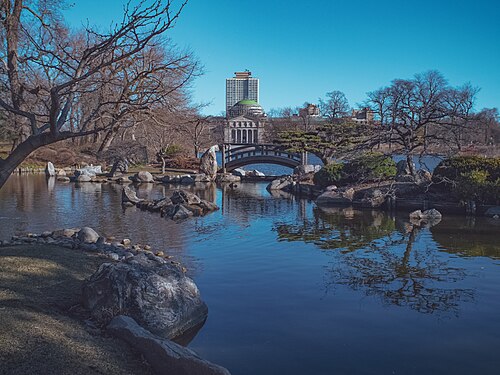
    The Garden of the Phoenix is a Japanese garden on Wooded Island in Chicago’s Jackson Park. It occupies the site of the Japanese Pavilion associated with the 1893 World’s Columbian Exposition and stands near the Museum of Science and Industry.

    • Notable
    • Nature site

Source: OpenStreetMap contributors, Wikidata ·

How the city is laid out

State Street and Madison Street form the reference point for Chicago's address grid. The Loop sits beside the river and lake, with the Magnificent Mile and River North immediately north. Museum Campus, Hyde Park and Bronzeville lie south; West Loop, Pilsen and Wicker Park extend west and northwest. The lakefront is a continuous orientation line, but neighbourhood distances are substantial, so a map that appears compact can still represent several miles of travel.

Checked 2026-08-26

Getting around

Walk within the Loop and along the central riverfront, then use CTA trains and buses for neighbourhoods and the airports. The colour-coded rail network connects downtown with the North, West and South Sides; the Blue Line serves O'Hare and the Orange Line serves Midway. Metra is useful for farther suburban trips rather than most central sightseeing. Check the official service map and alerts before travel because planned work can alter routes.

Checked 2026-08-26

Common questions

How many days should I spend in Chicago?

A fixed stay length is not recorded. Plan one block for the Loop and river, one for the lakefront museums, and additional time for the neighbourhoods that match your interests.

Where is central Chicago?

The Loop is the practical centre, bounded by elevated rail tracks and set beside the river and Lake Michigan. River North and the Magnificent Mile begin immediately north.

Can I visit Chicago without a car?

Yes. Walk downtown and use CTA trains and buses for the lakefront, neighbourhoods and airports. Metra is mainly useful for destinations farther beyond the central city.

Which train connects O'Hare with downtown?

The CTA Blue Line connects O'Hare International Airport with downtown. Consult CTA service alerts before departure because construction or maintenance can affect the normal route.

Are Chicago's neighbourhoods close together?

Not always. The grid makes orientation simple, but the city extends a long way along the lake. Group nearby districts and use transit between the North, West and South Sides.