
2 min walk
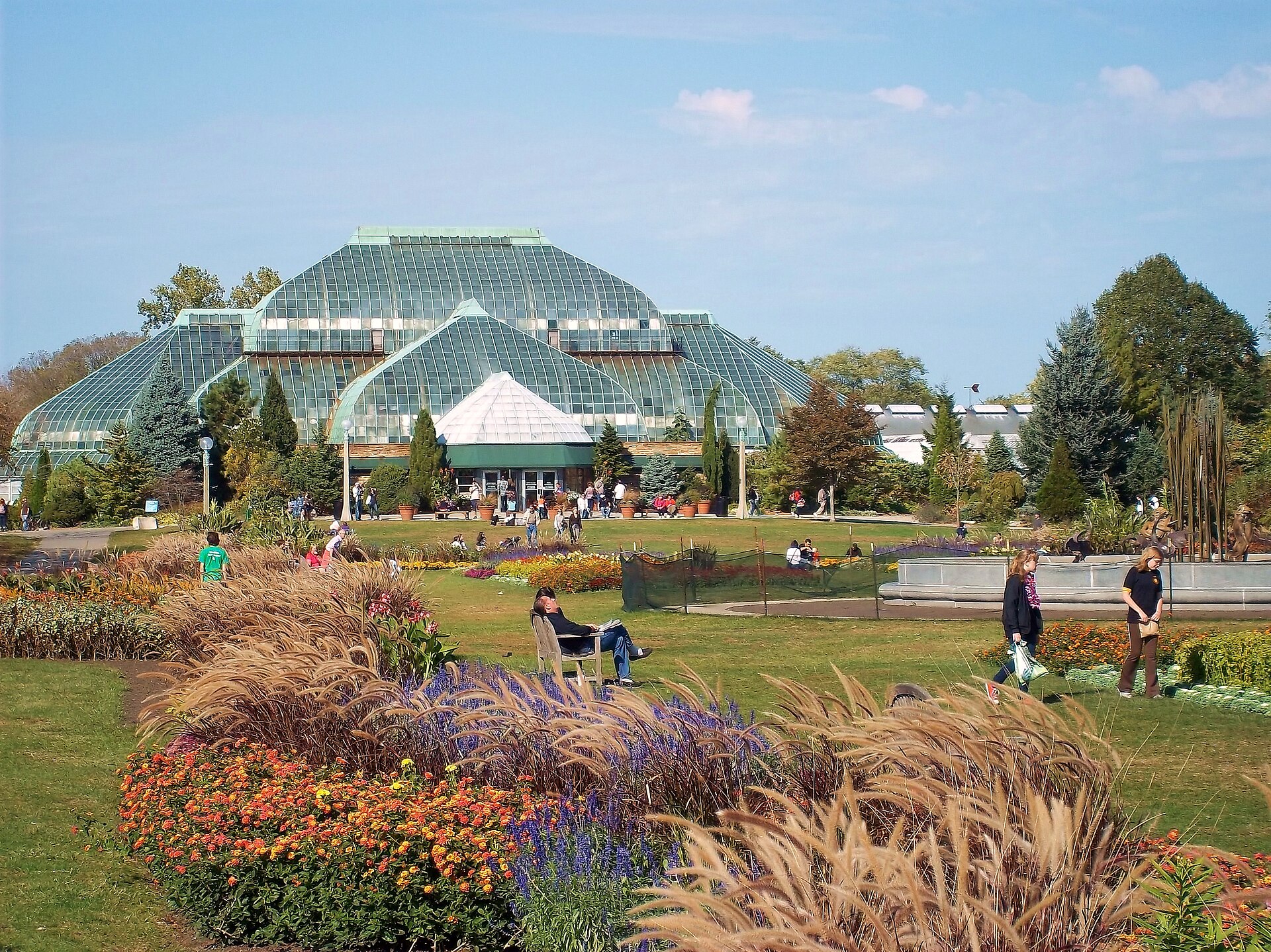
Lincoln Park Conservatory
- Must see
- Nature site
Nature site · Chicago
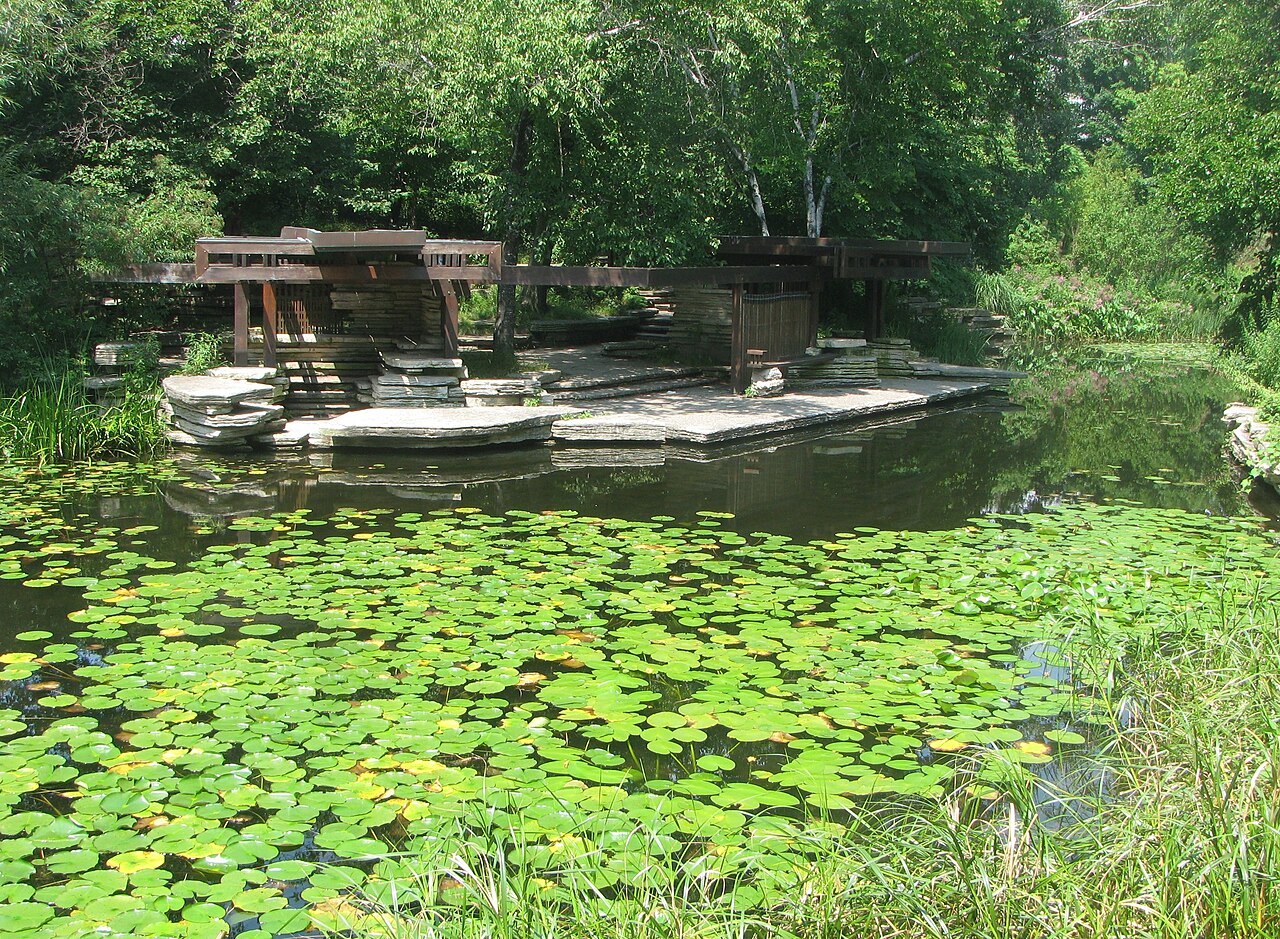
The Alfred Caldwell Lily Pool is a restored Prairie-style pond and landscape located in Chicago's Lincoln Park. Designed by landscape architect Alfred Caldwell in the 1930s, this hidden gem exemplifies the organic architectural philosophy of the Prairie School movement. The site features a serene lily pool surrounded by native limestone, cascading waterfalls, and carefully curated plantings that reflect the natural ecology of the Midwest. It serves as both a historical landmark and a tranquil retreat from urban life, offering visitors an intimate experience of Caldwell's vision for harmonious landscape design integrated with its environment.
Checked 2026-08-26 · Source
The lily pool contains a central pond populated with water lilies and aquatic vegetation, encircled by a winding path that guides visitors through the landscape. Native limestone outcroppings frame the water feature, while a pavilion structure provides architectural interest and shelter. The plantings emphasize indigenous species consistent with Prairie School principles. Mature trees and understory plantings create layered vegetation throughout the site. A waterfall element adds auditory and visual dimension to the experience. The overall composition demonstrates Caldwell's mastery of creating contemplative naturalistic settings within formal park structures, with every element serving the unified design intent.
Checked 2026-08-26 · Source
Most visitors spend approximately thirty to sixty minutes exploring the Alfred Caldwell Lily Pool, though individual pacing varies considerably based on interest level and purpose of visit. The compact footprint allows for a complete circuit of the main features in a brief walk, yet the contemplative atmosphere encourages slower appreciation. Photography enthusiasts, architecture students, and landscape design professionals may extend their stay considerably to study details and capture images across changing light conditions. The intimate scale suits both quick restorative breaks during larger Lincoln Park excursions and dedicated visits for focused examination of this significant Prairie landscape work.
Checked 2026-08-26 · Source
Seasonal considerations naturally affect the experience: water lilies typically bloom during warmer months, while dormant seasons reveal structural elements of the design. The enclosed nature of the site provides some shelter from wind. Morning and late afternoon light particularly enhance the limestone textures and water reflections. Weekend and holiday periods may experience higher visitor volumes given Lincoln Park's popularity as a recreational destination for residents and tourists alike.
Checked 2026-08-26 · Source
The Alfred Caldwell Lily Pool is situated within Lincoln Park, a public park system typically accessible without admission fees. Visitors should verify current policies through official Chicago Park District channels, as special programming or maintenance circumstances could occasionally affect access. The site functions as an open landscape feature rather than a gated attraction, suggesting customary free public access consistent with municipal park operations. Donation opportunities or membership programs supporting preservation may exist through affiliated organizations, though specific mechanisms require direct confirmation.
Checked 2026-08-26 · Source
The Alfred Caldwell Lily Pool resides within Lincoln Park on Chicago's North Side, accessible via the park's internal pathway network. Public transit options include CTA bus routes serving the Lincoln Park corridor and nearby el stations requiring subsequent walking. Divvy bike-share stations and pedestrian entrances connect to the broader park system. Street parking exists in surrounding residential areas with typical urban restrictions. The site's specific location within Lincoln Park's extensive grounds necessitates consulting detailed maps or directional signage within the park itself, as the lily pool's secluded character makes it less immediately visible from primary thoroughfares than more prominent park attractions.
Checked 2026-08-26 · Source
The winding path and water's edge present inherent slip hazards, particularly during wet conditions or winter ice. Unsupervised children require close attention near the pond. The secluded setting, while peaceful, demands standard urban park awareness regarding personal belongings and surroundings. Natural debris from mature plantings may affect path conditions seasonally. The historic landscape's delicate ecology benefits from strict path adherence; visitors should respect designed circulation patterns and avoid trampling planted areas. Wildlife encounters, including birds and small mammals, warrant observant but non-intrusive behavior. Accessibility for mobility-impaired visitors may be constrained by historic design features and natural terrain variations throughout the site.
Checked 2026-08-26 · Source
The Alfred Caldwell Lily Pool offers exceptional photography opportunities capturing Prairie School landscape architecture. The limestone pavilion provides a compelling focal point, while water reflections double visual interest during calm conditions. Morning soft light enhances textures without harsh shadows; overcast skies reduce contrast for even exposure. Wide angles encompass the intimate composition; macro work isolates lily pads and stonework details. Tripod use requires spatial awareness on narrow paths. Seasonal variation yields distinct imagery: spring emergence, summer bloom peak, autumn color against persistent evergreens, and stark winter structural revelation. The enclosed perimeter partially blocks surrounding urban intrusion, facilitating compositions emphasizing designed naturalism over city context.
Checked 2026-08-26 · Source
Seasonal accessibility depends on Chicago Park District maintenance schedules and weather conditions. Visitors should verify current status before traveling.
The site is typically experienced through self-guided exploration along its established path system.
Given the sensitive historic landscape and water feature, visitors should exercise cautious judgement and remove any refuse.
The historic Prairie School design with natural terrain and narrow paths may present accessibility challenges.
Leash laws and responsible pet ownership are presumed requirements.
The lily pool represents a mature work by Alfred Caldwell, a prominent Prairie School landscape architect, demonstrating the movement's principles of organic design harmony between built and natural elements in a fully realized public setting.
Loading the interactive map…
The interactive map could not be loaded.
Last updated:
Source: OpenStreetMap contributors, Wikidata ·