.jpg)
3 min walk
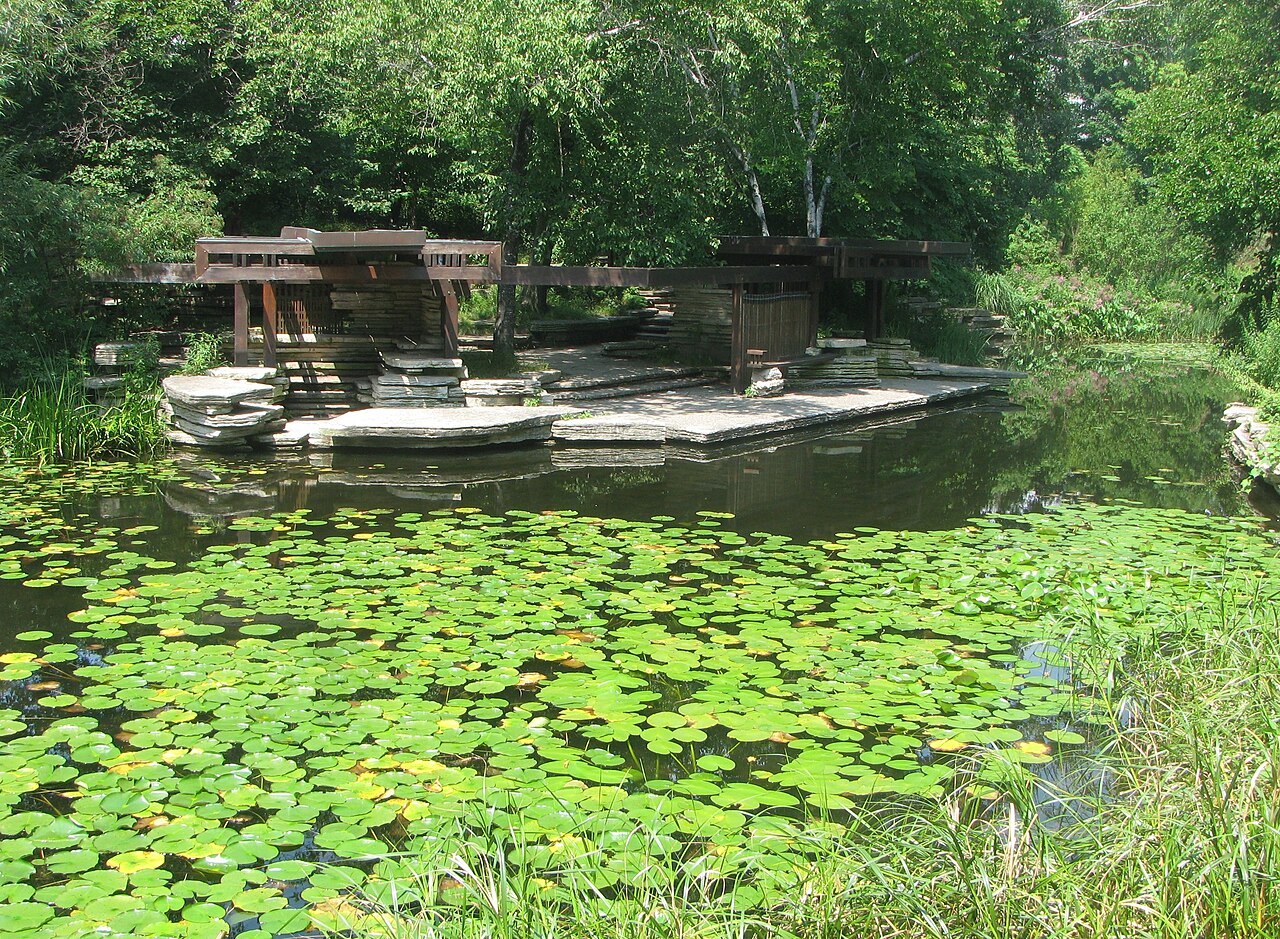
Alfred Caldwell Lily Pool
- Notable · Heritage site
- Nature site
Language · 11 published
Museum · Chicago
The Peggy Notebaert Nature Museum
Reviewed by Elena Voss · Roavina Travel Editor

| Monday | 09:00 – 17:00 |
|---|---|
| Tuesday | 09:00 – 17:00 |
| Wednesday | 09:00 – 17:00 |
| Thursday | 09:00 – 17:00 |
| Friday | 09:00 – 17:00 |
| Saturday | 10:00 – 17:00 |
| Sunday | 10:00 – 17:00 |
Parsed from OpenStreetMap opening hours on 2026-09-09.
This place is a Museum. It was established in 1857.
The Peggy Notebaert Nature Museum is a natural history museum in Chicago operated by the Chicago Academy of Sciences. It focuses on the nature and ecology of the Midwest region. The museum occupies a building in Lincoln Park and serves as the public face of the Academy, which was founded in 1857 and is the oldest museum in Chicago. It emphasizes environmental education and regional biodiversity through exhibits and programs for visitors of all ages. Peggy Notebaert Nature Museum also earns time in a chicago itinerary because Chicago Academy of Sciences museum focused on regional nature and ecology. Its value becomes clearer when the stop is compared with the surrounding streets and the other ranked places nearby.
Checked 2026-08-26
The museum features exhibits on regional nature and ecology of the Midwest. Its notable displays include live butterflies in the Judy Istock Butterfly Haven, a greenhouse habitat with tropical species. Other exhibits cover local wildlife, habitats, and conservation topics. The museum houses collections and research materials related to the Chicago region's natural history. Interactive elements and educational programming support its mission of connecting people with nature and fostering environmental stewardship through engagement with regional ecosystems. A flexible visit lets travellers connect Peggy Notebaert Nature Museum with the rest of the day without treating one room, viewpoint or photograph as the whole experience. The useful pace depends on personal interest and conditions on arrival.
Checked 2026-08-26
A typical visit to the Peggy Notebaert Nature Museum requires approximately two to three hours to experience the main exhibits thoroughly. Visitors with strong interest in butterflies, natural history, or interactive displays may spend longer. Families with children often pace visits according to engagement with hands-on elements. The compact nature of the museum allows for efficient exploration, though the Butterfly Haven warrants extended observation. Shorter visits of one hour remain feasible for those prioritizing specific exhibits or returning visitors familiar with the layout.
Checked 2026-08-26
Visitors should consult the museum's official website or contact staff directly before planning a visit. Seasonal considerations may influence the experience, as the Butterfly Haven offers particular appeal during colder months when outdoor butterfly observation is impractical. Weekday mornings typically provide quieter conditions for observation and photography. Weekend and holiday periods may attract larger crowds, especially families. Special events and school group visits can affect daily crowd patterns throughout the year. Check the operator's own site for the travel date before relying on a schedule or fare.
Checked 2026-08-26
Visitors must verify current admission fees through official museum channels before arrival. The museum may offer varying rates for adults, seniors, students, and children. Membership options through the Chicago Academy of Sciences could provide benefits for frequent visitors. Some reciprocal museum memberships may apply. Free admission days or reduced-rate periods might be available periodically. Advance purchase options, if offered, should be confirmed directly. Group rates and educational program fees require separate verification with museum staff. Check the operator's own site for the travel date before relying on a schedule or fare.
Checked 2026-08-26
The museum sits within Lincoln Park on Chicago's North Side, accessible via public transportation and private vehicle. Multiple Chicago Transit Authority bus routes serve the surrounding area. The nearest elevated train stations require walking or bus connection. Drivers should note that parking in Lincoln Park is limited and often metered or restricted. Bicycle access is feasible via Chicago's lakefront trail system. The museum's location within the park means visitors should prepare for walking from transit stops or parking areas to the entrance.
Checked 2026-08-26
The Butterfly Haven maintains tropical conditions with high humidity and warmth, which may discomfort visitors sensitive to heat or humidity. Butterflies are delicate; visitors must follow staff guidance regarding movement and behavior in this space. Photography restrictions may apply in certain areas to protect specimens. The museum's park location means weather affects arrival conditions year-round. Crowds concentrate in the Butterfly Haven, creating congestion. Some exhibits may engage children actively, producing noise levels that distract visitors seeking quiet observation of natural history displays.
Checked 2026-08-26
The Judy Istock Butterfly Haven presents exceptional photography opportunities with live tropical butterflies in a controlled greenhouse environment. Natural light filters through glass structures, though conditions vary with weather and time. Macro photography of perched butterflies requires patience and stillness, as subjects move unpredictably. General exhibit photography appears permitted in most areas, though flash restrictions likely apply near live specimens. Tripod use may be restricted in crowded spaces. Visitors should respect other observers while positioning for shots and comply with any staff instructions regarding photography protocols.
Checked 2026-08-26
Yes, the museum caters to families with interactive exhibits and the popular Butterfly Haven that engage children directly with nature.
The Butterfly Haven contains live tropical butterflies. Other exhibits may feature representations or occasional live specimens of regional wildlife.
No, visitors should not touch or handle butterflies. Staff provide guidance on appropriate behavior to protect these delicate live specimens.
The museum building generally accommodates visitors with mobility needs, though specific accessibility features should be confirmed directly with staff.
Specific amenities are Not recorded pending review. Visitors should contact the museum directly or check official information for current facilities.
Educational programming occurs regularly, but specific tour schedules and availability are Not recorded pending review. Contact the museum directly for current offerings.
Loading the interactive map…
The interactive map could not be loaded.


Last updated:
Source: OpenStreetMap contributors, Wikidata ·