
01
1 hr 30 min
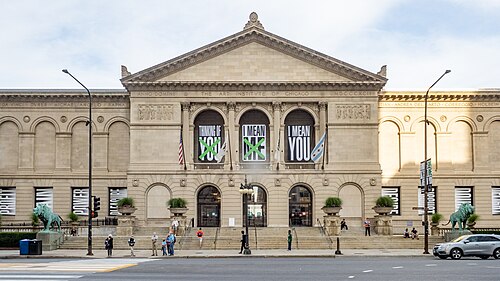
Art Institute of Chicago
The Art Institute of Chicago
Art Institute of Chicago is an encyclopedic art museum beside Grant Park, with historic galleries and the Modern Wing.
- Must see
- Museum
City guide · United States
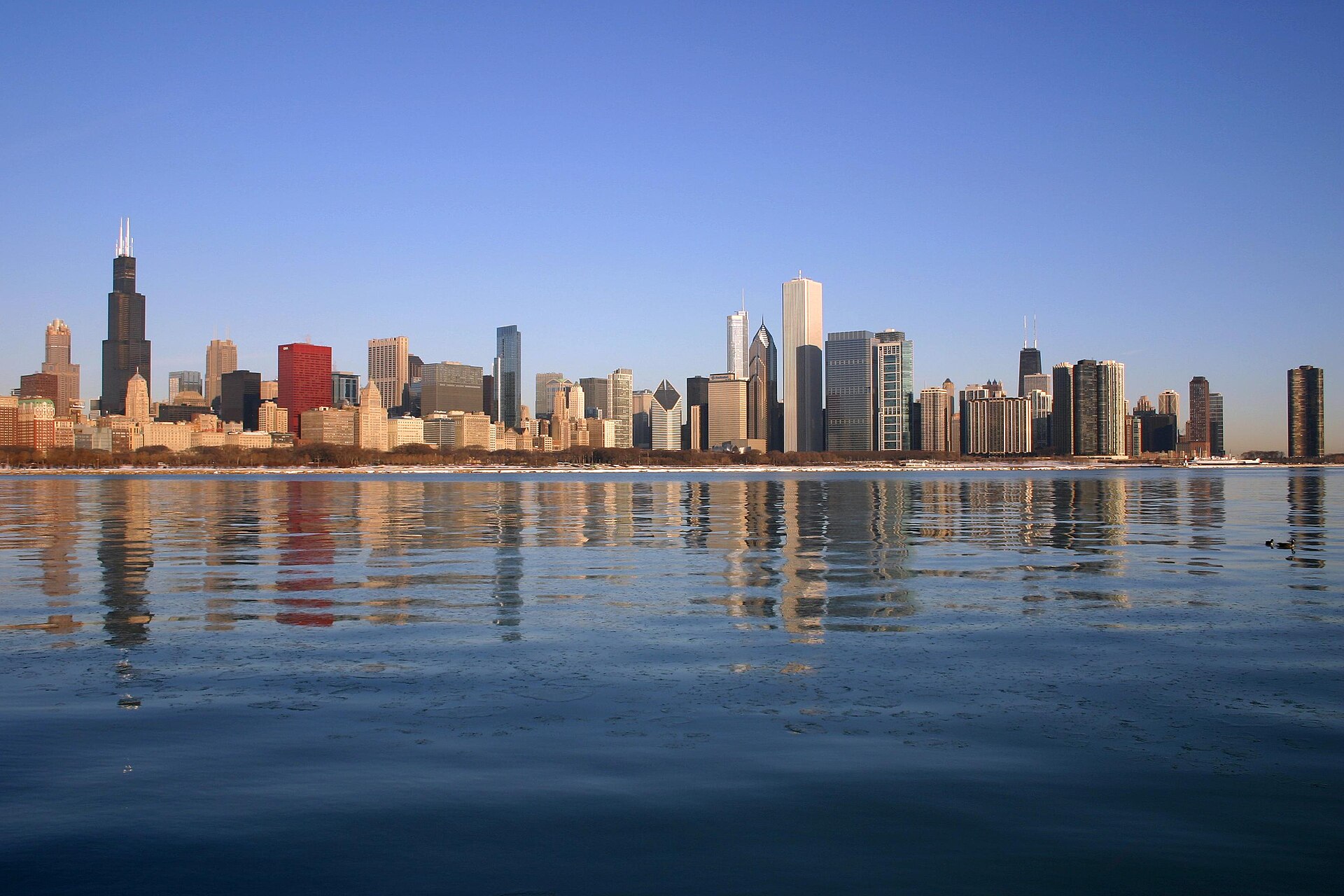
Chicago is organised around Lake Michigan, the Chicago River and a regular street grid. The Loop contains the central business district, major architecture and...
Photograph · J. Crocker · Attribution
Set your days, your pace and the hours you actually want to be out. The planner works around closing days and travel time, and leaves room to eat.
Editorial responsibility: Elena Voss · Roavina Travel Editor
Chicago is organised around Lake Michigan, the Chicago River and a regular street grid. The Loop contains the central business district, major architecture and Millennium Park; museum campuses and lakefront parks extend south, while River North, Lincoln Park and neighbourhood centres continue north and west. A first visit works best when downtown sights are grouped together and separate time is reserved for one or two neighbourhoods beyond the Loop.
Checked 2026-08-26
November · November falls to a 48.4°F mean high in Chicago and averages 1.8 inches of snow, making cold-weather flexibility important.
Ranked by importance — sitelinks, pageviews and heritage status, not editor preference.
31 places match
Category
Typical visit duration
Good for
Interests
The Art Institute of Chicago
Art Institute of Chicago is an encyclopedic art museum beside Grant Park, with historic galleries and the Modern Wing.
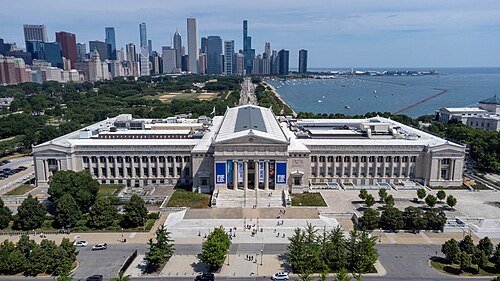
Field Museum
Field Museum is Chicago's major natural-history museum, developed from World's Columbian Exposition collections. Its visitor experience is defined by Stanley Field Hall, Máximo, SUE, dinosaurs, evolving life, ancient Americas, Egypt, gems, and cultural collections.
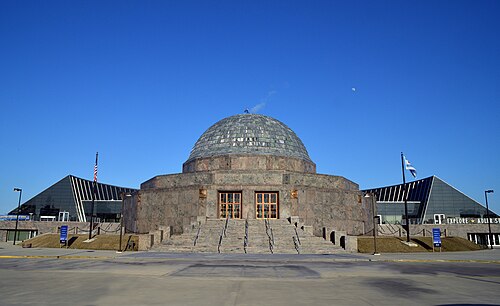
The Adler Planetarium is a public museum dedicated to astronomy and astrophysics.
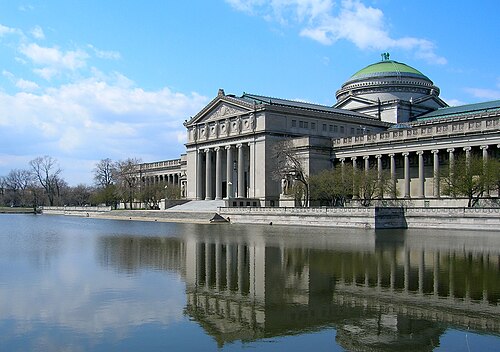
Griffin Museum of Science and Industry
Griffin Museum of Science and Industry is a hands-on science museum in Hyde Park's former Palace of Fine Arts. Its visitor experience is defined by U-505, the coal mine, Science Storms, transport halls, genetics, farming, and the model railway.
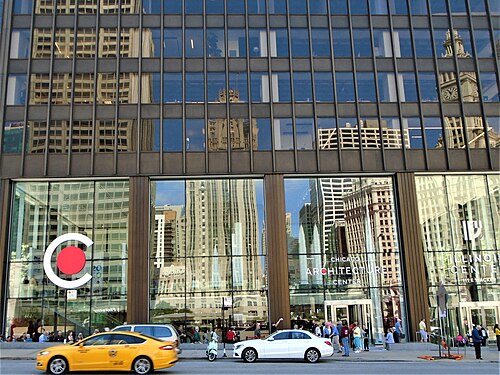
Chicago Architecture Center is an interpretation center devoted to Chicago's buildings, engineering, planning, and design. Its visitor experience is defined by the Chicago City Model Experience, skyscraper galleries, neighborhood design, exhibitions, and guided tours.

Obama Presidential Center Museum
The Barack Obama Presidential Center, locally known as the Obama Presidential Center Museum, is a planned presidential library and museum dedicated to the 44th President of the United States.
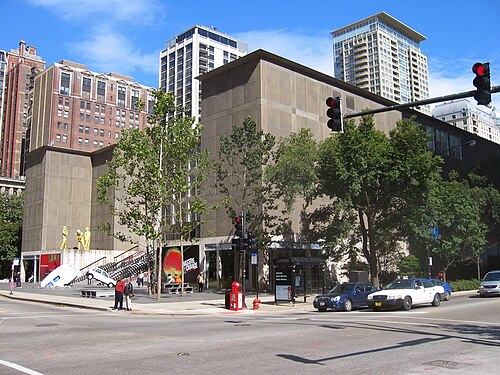
Museum of Contemporary Art
Museum of Contemporary Art Chicago is a contemporary-art museum founded in 1967 near Water Tower Place. Its visitor experience is defined by changing exhibitions, installations, painting, sculpture, media art, performances, commissions, talks, and public spaces.
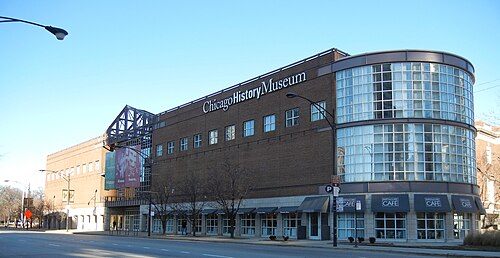
The Chicago History Museum is the principal museum dedicated to the social and civic history of Chicago. Located in the Lincoln Park neighborhood, it serves as the city's primary institution for preserving and interpreting its past.
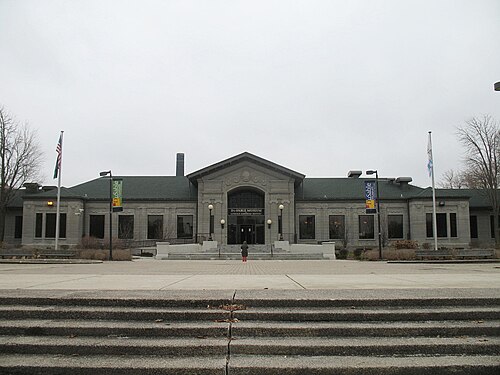
DuSable Black History Museum and Education Center
The DuSable Black History Museum and Education Center is a museum in Chicago dedicated to the history, art, and culture of African Americans. Founded in 1961, it is the oldest independent institution of its kind in the United States.
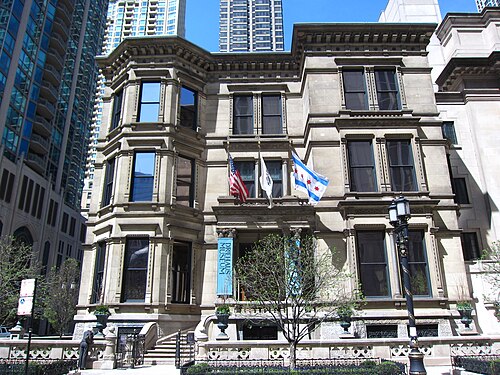
Richard H. Driehaus Museum
The Richard H. Driehaus Museum occupies the historic Samuel M. Nickerson House in Chicago's River North neighborhood. Built in 1883, this Gilded Age mansion exemplifies elaborate Victorian architecture and design.
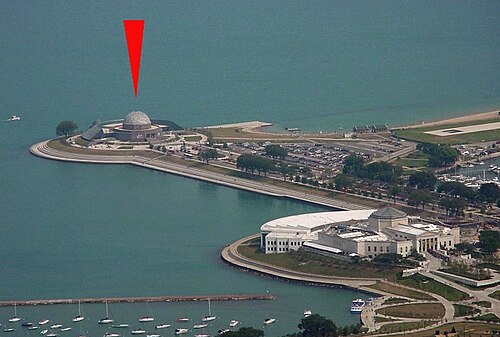
Museum Campus is a 57-acre park in Chicago along Lake Michigan, created in 1998. It connects three major natural history and science museums: the Field Museum, the Shedd Aquarium, and the Adler Planetarium.

The National Museum of Mexican Art is a nationally important cultural institution located in Chicago's Pilsen neighborhood.
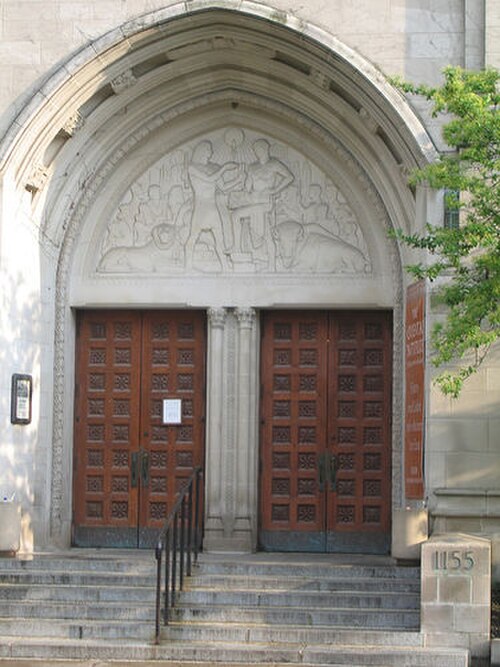
Institute for the Study of Ancient Cultures Museum
The Institute for the Study of Ancient Cultures is a museum operated by the University of Chicago. It houses major archaeological collections from West Asia and North Africa.
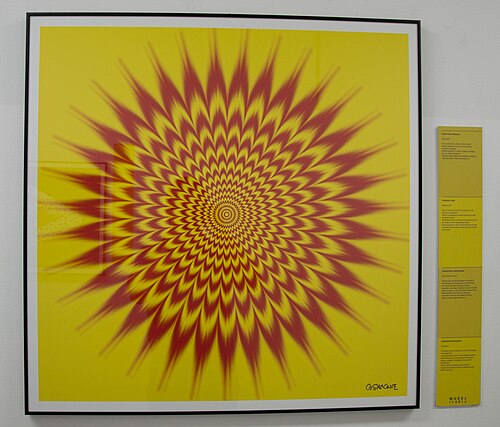
Museum of Illusions Chicago is an interactive attraction located in the Loop district, positioned among the city's established museum row. The venue specializes in perceptual and sensory exhibits designed to challenge visitor understanding of visual reality.
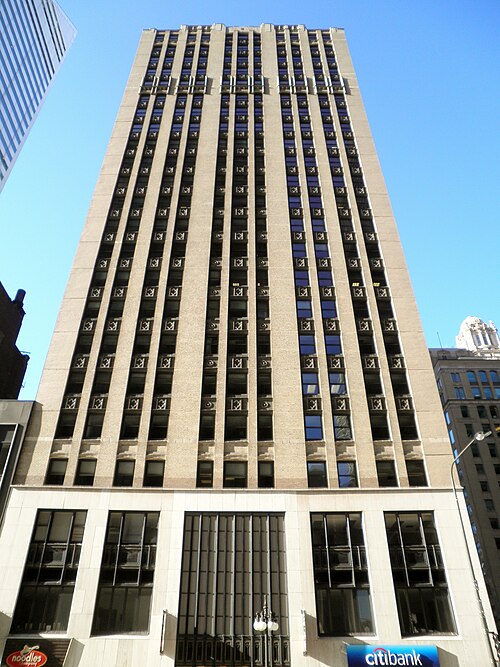
The American Writers Museum is a Chicago museum devoted to American writers and literary history. Located on the second floor of a building on Michigan Avenue, it uses interactive exhibits to introduce authors, movements, and works that shaped American literature.
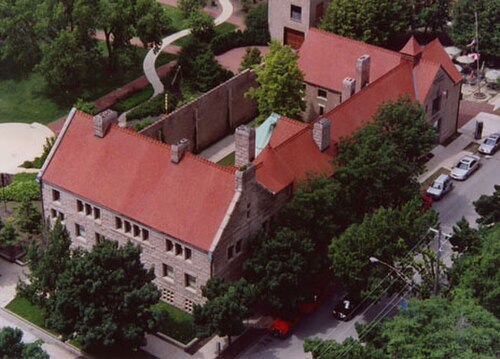
Glessner House Museum
Glessner House is a historic house museum located on Prairie Avenue in Chicago. It exemplifies the Richardsonian Romanesque architectural style and holds significant importance in the history of this once-prominent residential district.

Jane Addams Hull-House Museum
The Jane Addams Hull-House Museum is a settlement-house museum located in Chicago, Illinois. It preserves and interprets the history of Hull House, founded in 1889 by Jane Addams and Ellen Gates Starr.
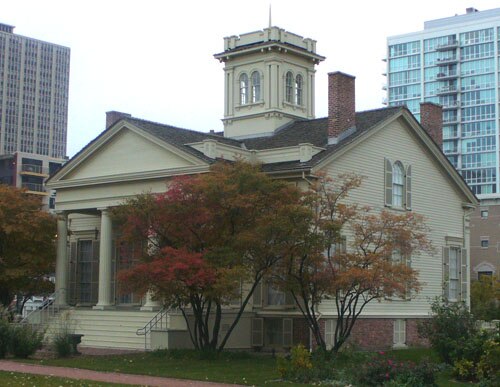
Clarke House Museum is Chicago's oldest surviving house and a historic house museum in the Prairie Avenue Historic District. Built for Henry B. Clarke, the Greek Revival home preserves an early chapter of Chicago residential architecture.
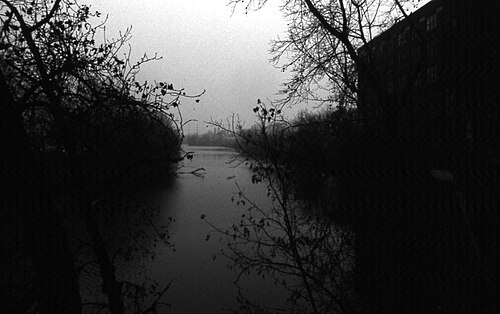
Chicago Maritime Museum is a Bridgeport museum devoted to the waterways that shaped Chicago. Its story joins the Chicago River, Lake Michigan, and the Illinois and Michigan Canal, showing how water supported commerce, transport, work, recreation, and naval activity.
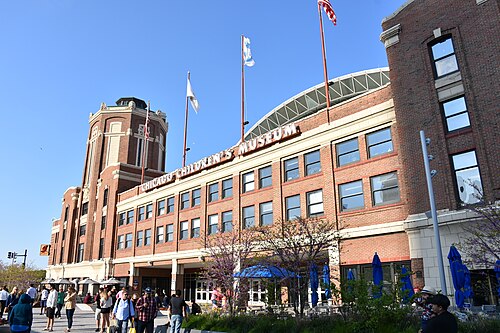
The Chicago Children's Museum is Navy Pier's principal hands-on museum for children. Located on Chicago's lakefront at one of the city's most visited destinations, this institution serves young visitors through interactive exhibits designed for play-based learning.
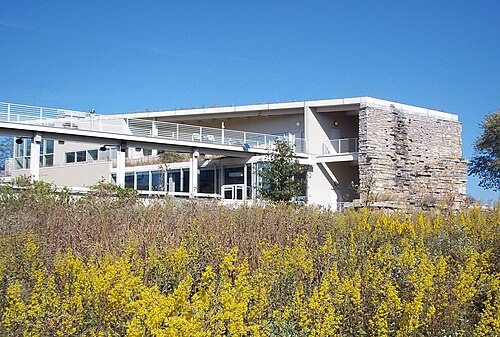
The Peggy Notebaert Nature Museum
The Peggy Notebaert Nature Museum is a natural history museum in Chicago operated by the Chicago Academy of Sciences. It focuses on the nature and ecology of the Midwest region.

Pritzker Military Museum & Library is a Chicago museum and research library devoted to military history, the citizen soldier, and the relationship between military service and democratic society.

National Museum of Puerto Rican Arts & Culture
The National Museum of Puerto Rican Arts and Culture is a cultural institution located in Chicago's Humboldt Park neighborhood. It occupies the historic Humboldt Park stables and receptory, a building dating to 1895.
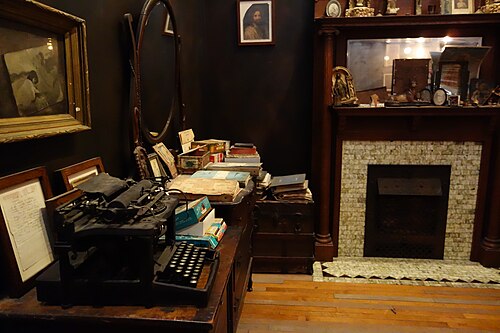
The Intuit Art Museum is a specialist museum in Chicago dedicated to intuitive and outsider art. It occupies a distinctive position in the city's cultural landscape by focusing on work created by self-taught artists operating outside the mainstream art world.
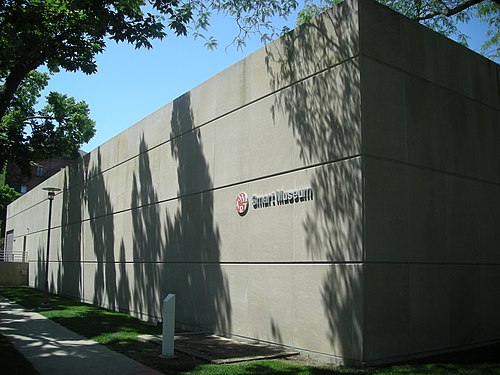
David and Alfred Smart Museum of Art
Smart Museum of Art is the University of Chicago’s art museum in Hyde Park. Opened in 1974, it was named for brothers David and Alfred Smart and developed as a teaching museum.
State Street and Madison Street form the reference point for Chicago's address grid. The Loop sits beside the river and lake, with the Magnificent Mile and River North immediately north. Museum Campus, Hyde Park and Bronzeville lie south; West Loop, Pilsen and Wicker Park extend west and northwest. The lakefront is a continuous orientation line, but neighbourhood distances are substantial, so a map that appears compact can still represent several miles of travel.
Checked 2026-08-26
Walk within the Loop and along the central riverfront, then use CTA trains and buses for neighbourhoods and the airports. The colour-coded rail network connects downtown with the North, West and South Sides; the Blue Line serves O'Hare and the Orange Line serves Midway. Metra is useful for farther suburban trips rather than most central sightseeing. Check the official service map and alerts before travel because planned work can alter routes.
Checked 2026-08-26
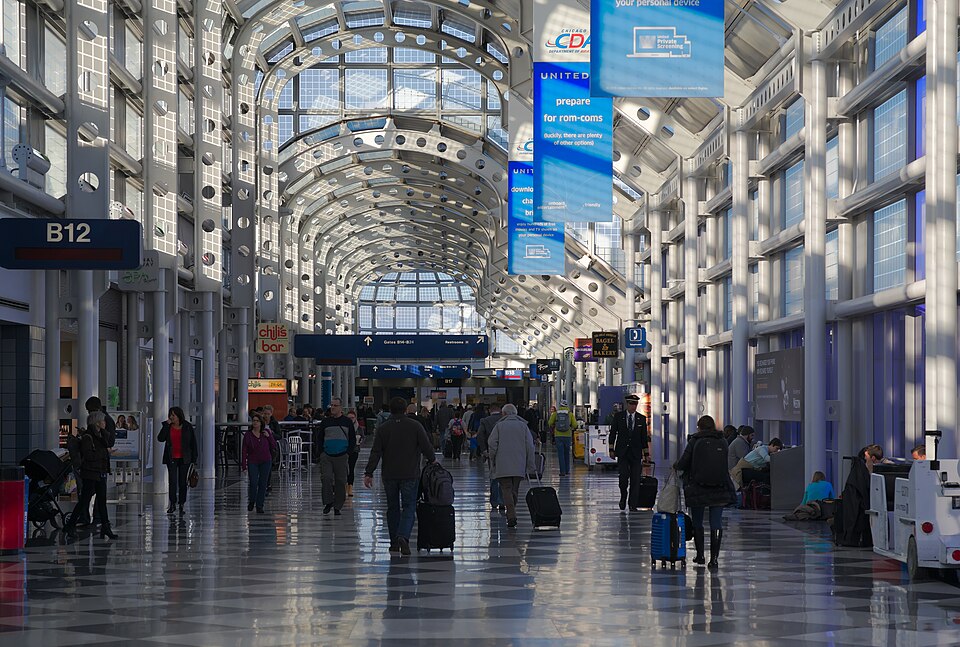

Suggested stay for a first visit: 3–4 days. Plan one block for the Loop and river, one for the lakefront museums, and additional time for the neighbourhoods that match your interests.
The Loop is the practical centre, bounded by elevated rail tracks and set beside the river and Lake Michigan. River North and the Magnificent Mile begin immediately north.
Yes. Walk downtown and use CTA trains and buses for the lakefront, neighbourhoods and airports. Metra is mainly useful for destinations farther beyond the central city.
The CTA Blue Line connects O'Hare International Airport with downtown. Consult CTA service alerts before departure because construction or maintenance can affect the normal route.
Not always. The grid makes orientation simple, but the city extends a long way along the lake. Group nearby districts and use transit between the North, West and South Sides.

