
2 min walk
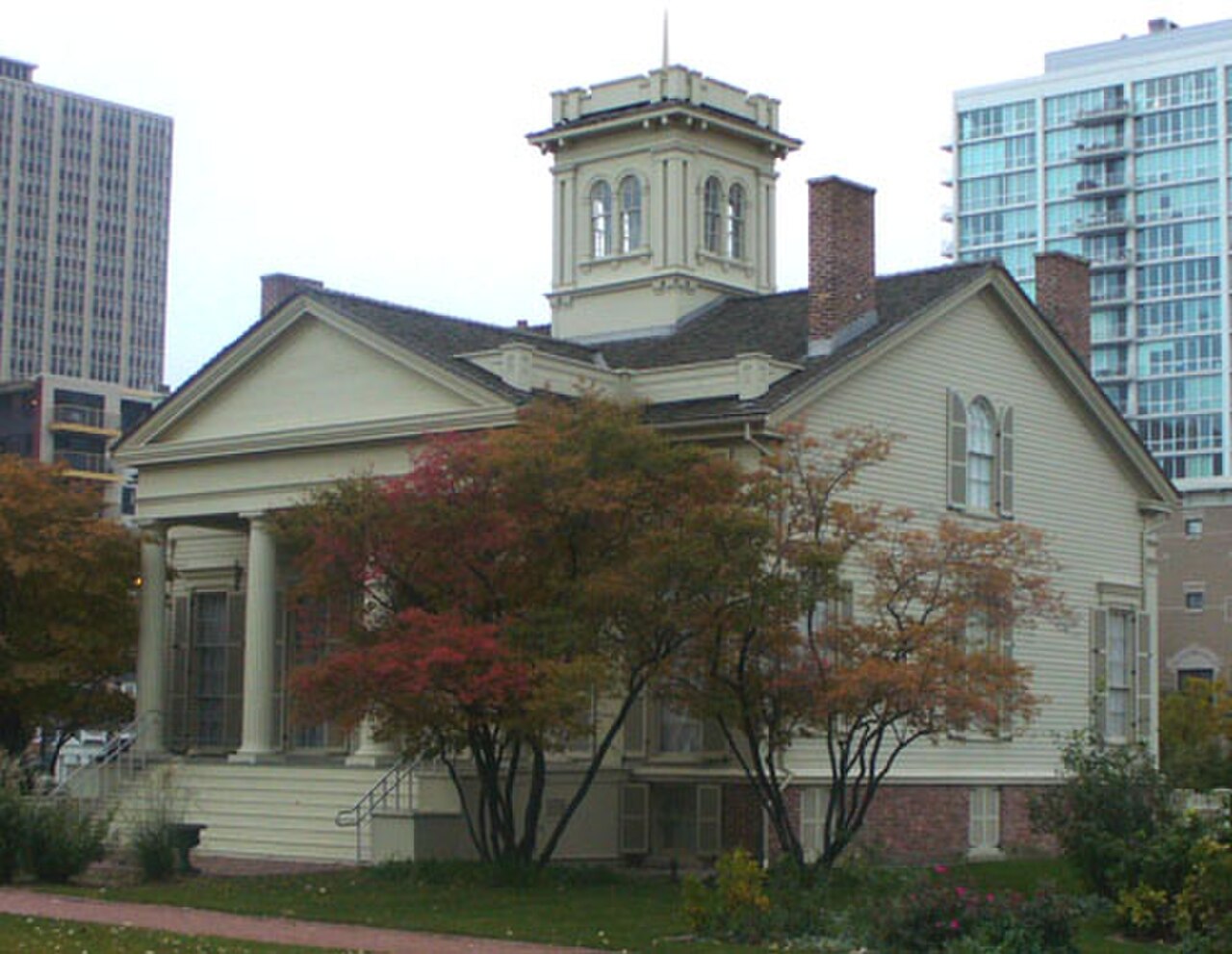
Henry B. Clarke House
- Must see · Heritage site
- Museum
Language · 11 published
Museum · Chicago
Glessner House Museum
Reviewed by Elena Voss · Roavina Travel Editor
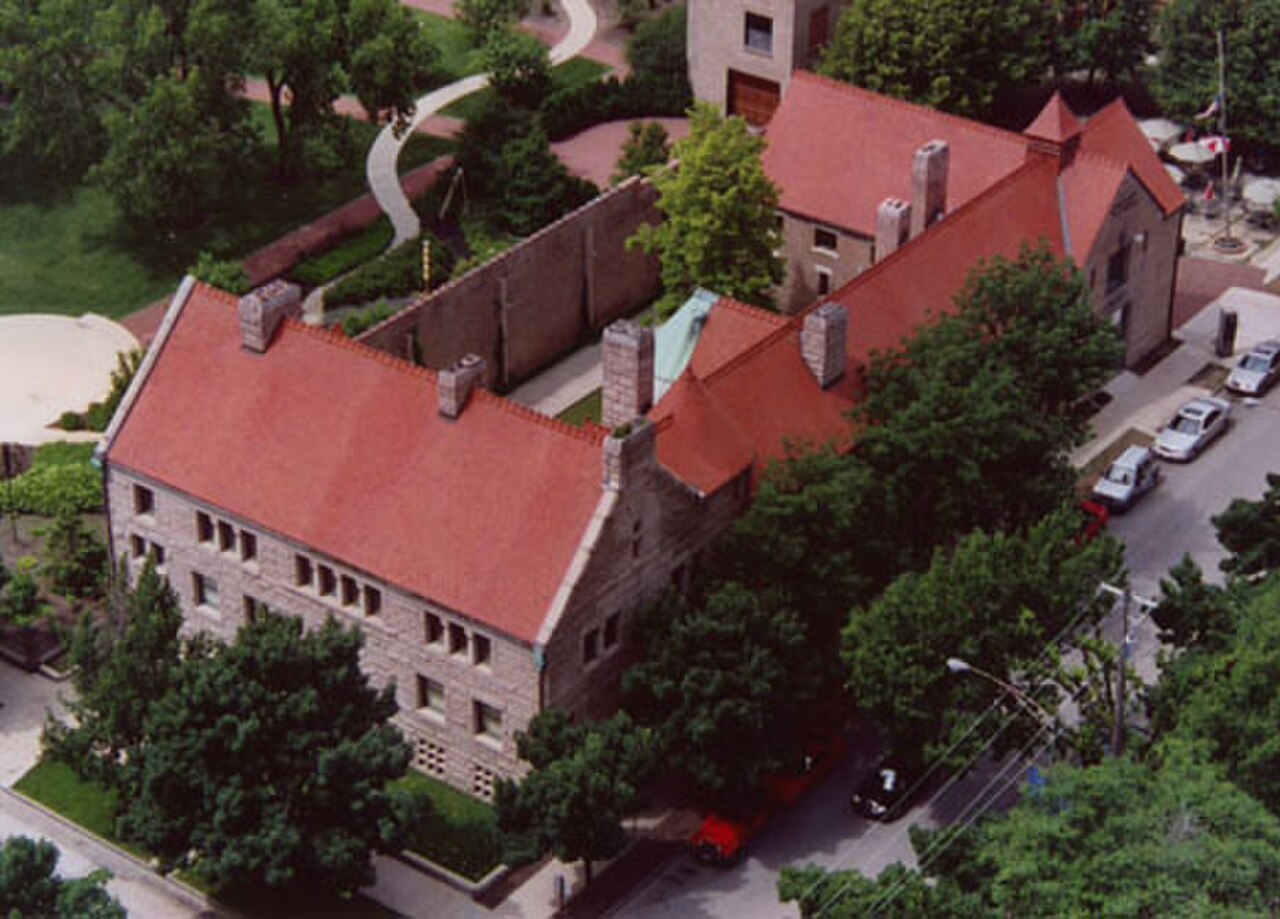
This place is a Museum. It was established in 1971. It was built in the Richardsonian Romanesque style. It was designed by Henry Hobson Richardson. It carries the National Historic Landmark heritage designation.
Glessner House is a historic house museum located on Prairie Avenue in Chicago. It exemplifies the Richardsonian Romanesque architectural style and holds significant importance in the history of this once-prominent residential district. The building was designed by architect Henry Hobson Richardson for John J. Glessner, a successful industrialist. Today it operates as a museum preserving both the structure and the story of Prairie Avenue's transformation from elite neighborhood to commercial corridor and back to heritage destination.
Checked 2026-08-26
The interior preserves the original floor plan and many period furnishings that reflect the Glessner family's lifestyle during the late nineteenth and early twentieth centuries. Visitors encounter elaborately crafted woodwork, distinctive built-in features, and decorative elements characteristic of Richardson's design philosophy. The house contains rooms arranged around a central courtyard, an innovative feature for its era. Collections include original family possessions, decorative arts, and materials documenting the social history of Chicago's elite during the Gilded Age.
Checked 2026-08-26
A thorough visit to Glessner House typically requires approximately one to two hours depending on individual interest in architectural details and historical interpretation. Guided tours generally last around sixty to ninety minutes, though self-directed exploration may vary. Visitors with particular enthusiasm for Victorian domestic architecture, decorative arts, or Chicago history may wish to allocate additional time for careful examination of craftsmanship and consultation of available documentation. Photography and note-taking can extend the experience. The strongest visit keeps attention on what is distinctive here while leaving room for the next stop. That approach makes Glessner House useful in both a focused first visit and a slower return to the city.
Checked 2026-08-26
Visitors should consult the museum's official communication channels directly before planning attendance. Seasonal variations in programming may affect availability, with some historic house museums reducing winter operations or scheduling special events during summer months. Chicago weather presents significant seasonal extremes, from humid summers to frigid winters with substantial lake-effect snow. Comfortable footwear and weather-appropriate outerwear are advisable given the urban walking environment surrounding the site. A flexible visit lets travellers connect Glessner House with the rest of the day without treating one room, viewpoint or photograph as the whole experience. The useful pace depends on personal interest and conditions on arrival. Check the operator's own site for the travel date before relying on a schedule or fare.
Checked 2026-08-26
Admission structures for historic house museums typically include standard adult rates, reduced prices for seniors and students, and sometimes complimentary entry for children below specified ages. Membership programs may offer reciprocal benefits with other preservation organizations. Visitors should verify current pricing, available discounts, and any reservation requirements through official channels. Some specialized tours or programs may carry supplementary fees beyond general admission. Glessner House also earns time in a chicago itinerary because Richardsonian Romanesque house museum central to Prairie Avenue's history. Its value becomes clearer when the stop is compared with the surrounding streets and the other ranked places nearby. Check the operator's own site for the travel date before relying on a schedule or fare.
Checked 2026-08-26
Glessner House occupies a location on South Prairie Avenue in Chicago's Near South Side. Multiple public transit options serve this area, including CTA bus routes and proximity to Metra commuter rail stations. The site lies south of downtown Chicago's central core, accessible via major north-south thoroughfares. Street parking may be available but competes with neighborhood demand. Visitors unfamiliar with Chicago should study transit maps carefully, as the grid system and lakefront orientation can confuse those accustomed to different urban layouts.
Checked 2026-08-26
The surrounding neighborhood has undergone substantial transformation since the Glessner family's residence. Visitors should exercise standard urban awareness, particularly regarding traffic on adjacent arterial streets and variable block-by-block conditions. Historic house museums present inherent accessibility challenges including stairs, narrow doorways, and period-appropriate flooring surfaces. The building's Romanesque features include rough-hewn stone that may present uneven walking surfaces outdoors. Visitors with mobility considerations should contact the museum directly regarding current accessibility provisions and tour route modifications.
Checked 2026-08-26
Photography policies at historic house museums vary considerably based on collections sensitivity, loan agreements, and preservation concerns. Flash photography typically damages light-sensitive materials and is widely prohibited. Tripods and selfie sticks may be restricted due to spatial constraints and visitor flow considerations. Visitors should observe posted guidelines and staff instructions explicitly. Some institutions permit non-flash photography in certain areas while restricting it in rooms containing particularly fragile textiles, works on paper, or objects under special loan conditions. Commercial photography generally requires advance arrangement.
Checked 2026-08-26
Henry Hobson Richardson designed Glessner House in the Richardsonian Romanesque style.
Richardsonian Romanesque.
John J. Glessner, an industrialist.
On Prairie Avenue in Chicago's Near South Side.
It operates as a museum, though specific hours are Not recorded pending review.
It was once an elite residential district central to Chicago's social history, later transformed commercially, and is now a heritage destination.
Loading the interactive map…
The interactive map could not be loaded.
Last updated:
Source: OpenStreetMap contributors, Wikidata ·