.jpg)
2 min walk
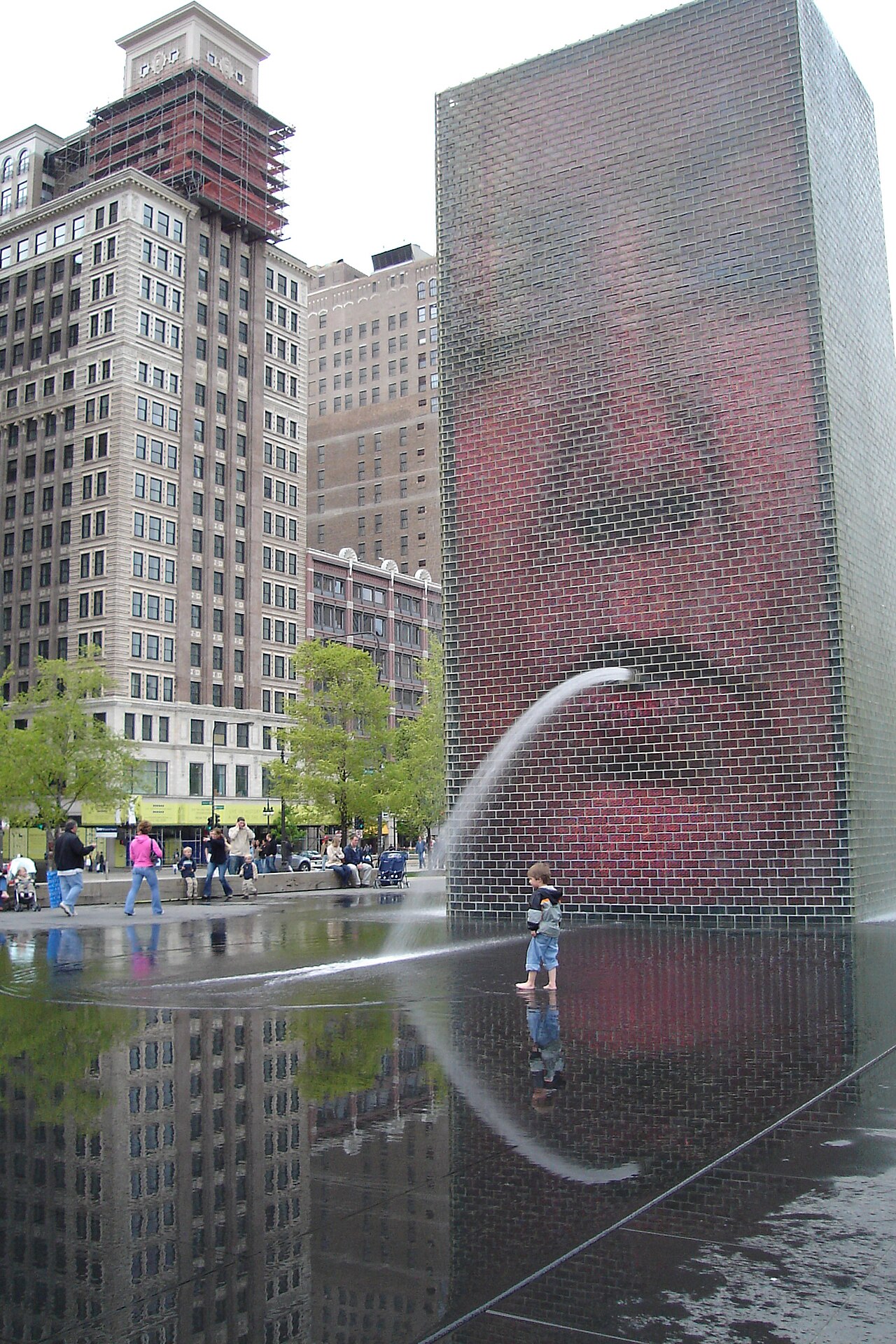
Crown Fountain
- High
- Historic monument
Museum · Chicago
| Monday | 10:00 – 16:00 |
|---|---|
| Tuesday | 10:00 – 18:00 |
| Wednesday | 10:00 – 18:00 |
| Thursday | 10:00 – 18:00 |
| Friday | 10:00 – 16:00 |
| Saturday | 10:00 – 16:00 |
| Sunday | 12:00 – 16:00 |
Also recorded: 10:00 – 16:00
Parsed from OpenStreetMap opening hours on 2026-09-09.
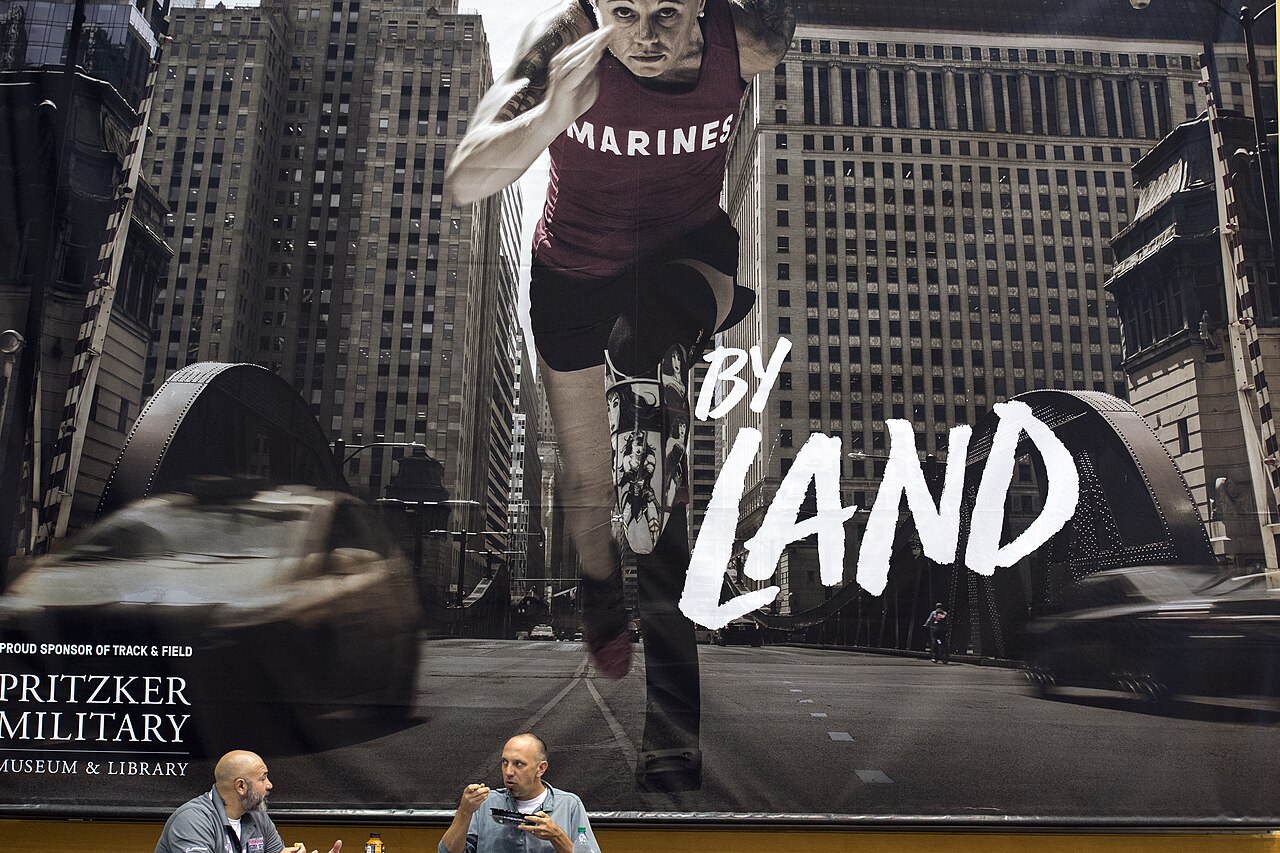
Pritzker Military Museum & Library is a Chicago museum and research library devoted to military history, the citizen soldier, and the relationship between military service and democratic society. The institution occupies space in the Monroe Building on South Michigan Avenue, placing a specialised collection within downtown Chicago’s cultural district. Its subject is broader than battlefield history: the museum connects military experience with civic life, public service, citizenship, and the stories of people who served. A visit suits travellers interested in American history, international military history, architecture, libraries, or the civic role of the armed forces. The combination of public exhibits and research facilities gives the institution two distinct characters: a concise cultural stop for general visitors and a scholarly resource for readers pursuing a particular topic. The downtown setting makes it easy to include alongside other attractions on South Michigan Avenue.
Checked 2026-08-26 · Source
Inside, visitors encounter material related to military history, citizen soldiers, and civic service. The holdings include books, artefacts, photographs, and documents connected with American and international military subjects. Exhibition spaces present military service in relation to civilian life, while the library and archive support more focused historical study. The collection’s appeal lies in the contrast between personal experience and institutional history: objects and images can show how service was lived, while books and documents provide the wider context. Travellers making a short museum visit can concentrate on the exhibitions and displays. Researchers, historians, and visitors tracing a specific conflict, period, or service experience may find the library side more important than the exhibition route. The Monroe Building location also adds a downtown architectural setting to the visit, although the museum’s central attraction remains its military and civic subject matter. Give the exhibits time to connect individual stories with larger questions about citizenship and public responsibility.
Checked 2026-08-26 · Source
Allow about one to two hours for a first visit focused on the public exhibitions. That length gives a traveller time to read interpretive material, examine photographs and artefacts, and absorb the museum’s central ideas without rushing through the displays. A visitor with a strong interest in military history may want longer, especially when using books, archives, or research resources. The research-library function creates a different pace from a conventional museum: a casual visitor can complete the public portion in a compact stop, while a historian working through a subject may need a much larger block of the day. The museum works well as one part of a downtown cultural walk, particularly when combined with other destinations along South Michigan Avenue. Plan the museum as a focused historical visit rather than an all-day attraction unless research is the main purpose. Its indoor setting also makes the stop useful when Chicago weather is cold, wet, or snowy.
Checked 2026-08-26 · Source
The museum is an indoor downtown attraction, so the experience is less exposed to Chicago’s changing weather than an outdoor landmark. Winter brings cold and snow, while summer brings warmer conditions and heavier visitor activity across the city. Choose a time that leaves enough room for reading: the displays reward attention to documents, photographs, and the connection between military service and civilian society. The museum can be paired with a South Michigan Avenue itinerary in any season, with outdoor sightseeing placed before or after the indoor visit according to the weather. Travellers focused on research should organise their day around the library’s scholarly purpose, while general visitors can use the museum as a compact cultural stop. The institution’s location in the Monroe Building gives the visit a clear downtown context, so it fits naturally into a day exploring Chicago’s central museums, architecture, and public spaces. Keep the visit’s emphasis on the exhibitions and collection rather than treating it as a casual pass-through.
Checked 2026-08-26 · Source
The visit centres on a public museum and research library dedicated to military history and civic service. The supplied guide does not establish a ticket price, membership charge, or research-access fee, so admission cost should not be presented as part of the itinerary budget. The useful distinction for travellers is between viewing the public exhibitions and using the scholarly library resources. A short cultural visit is built around displays of books, artefacts, photographs, and documents; research may involve a more specialised purpose and a longer stay. The museum’s downtown position makes it practical to combine with other Chicago attractions, but nearby activities should be budgeted separately because they are not part of this institution. Treat the Pritzker Military Museum & Library as a subject-focused stop: its value comes from the material and interpretation, not from entertainment facilities or a broad commercial attraction format. Military history enthusiasts and researchers will gain more from allowing time to read than from trying to rush through the space.
Checked 2026-08-26 · Source
Pritzker Military Museum & Library is in the Monroe Building on South Michigan Avenue in downtown Chicago. The central location places it within the city’s public-transport and pedestrian network, and South Michigan Avenue can be incorporated into a walking route through the downtown cultural district. Travellers staying in the Loop or near nearby central attractions can plan the museum as part of a day on foot, with Chicago’s bus and elevated-train network serving the wider area. Driving into downtown means dealing with urban traffic and paid parking, so a car is not the simplest way to structure a short museum visit. Use the address on the map to identify the Monroe Building entrance and allow time for the transition from the street into the building. The location is especially convenient for an itinerary that groups several indoor and architectural sights around South Michigan Avenue, rather than treating the museum as an isolated suburban destination.
Checked 2026-08-26 · Source
This is a specialised military-history institution, so the subject matter can include war, military service, and the personal consequences of conflict. Travellers should approach the displays as historical interpretation rather than as a general entertainment venue. The Monroe Building is a downtown setting, and visitors should use ordinary city awareness with bags and personal belongings while moving through the area. The museum and library have different purposes: public exhibitions suit a short visit, whereas research use is a more focused activity. The building’s identity as a museum and library means visitors should follow any room-specific directions, collection protections, or staff instructions inside. The visit is strongest when the traveller allows time for reading and considers the relationship between citizen soldiers and civilian society. Pairing the museum with nearby outdoor attractions is practical, but Chicago’s winter cold and summer heat can make the walk between stops more demanding than the indoor visit itself.
Checked 2026-08-26 · Source
The Pritzker Military Museum & Library offers visual subjects through military photographs, artefacts, books, documents, and exhibition presentation. The material is best approached with the same care as the historical themes: photographs can record personal experience, while documents and objects carry research value beyond their appearance. Follow signs and staff directions in the exhibition and library areas, and keep equipment from obstructing other visitors or research activity. Exterior photographs can place the institution within the Monroe Building and South Michigan Avenue, linking the museum to downtown Chicago’s architectural setting. Inside, concentrate on respectful observation and on the relationship between image, object, and historical explanation. Travellers who want publication-quality reproductions or detailed research images should treat the collection as a scholarly resource and respect any restrictions attached to individual materials.
Checked 2026-08-26 · Source
It focuses on military history, citizen soldiers, civic service, and the relationship between military service and democratic society.
The museum presents books, artefacts, photographs, and documents connected with American and international military history, citizen soldiers, and civic service.
Allow about one to two hours for a first visit focused on the public exhibitions; research use can take longer.
The institution occupies space in the Monroe Building on South Michigan Avenue in downtown Chicago.
Yes. The library and archive support research into military history, citizen soldiers, service experiences, and related historical subjects.
Yes. The museum and library are housed inside the Monroe Building, making the visit an indoor cultural stop in downtown Chicago.
Loading the interactive map…
The interactive map could not be loaded.
Last updated:
Source: OpenStreetMap contributors, Wikidata ·