
7 min walk
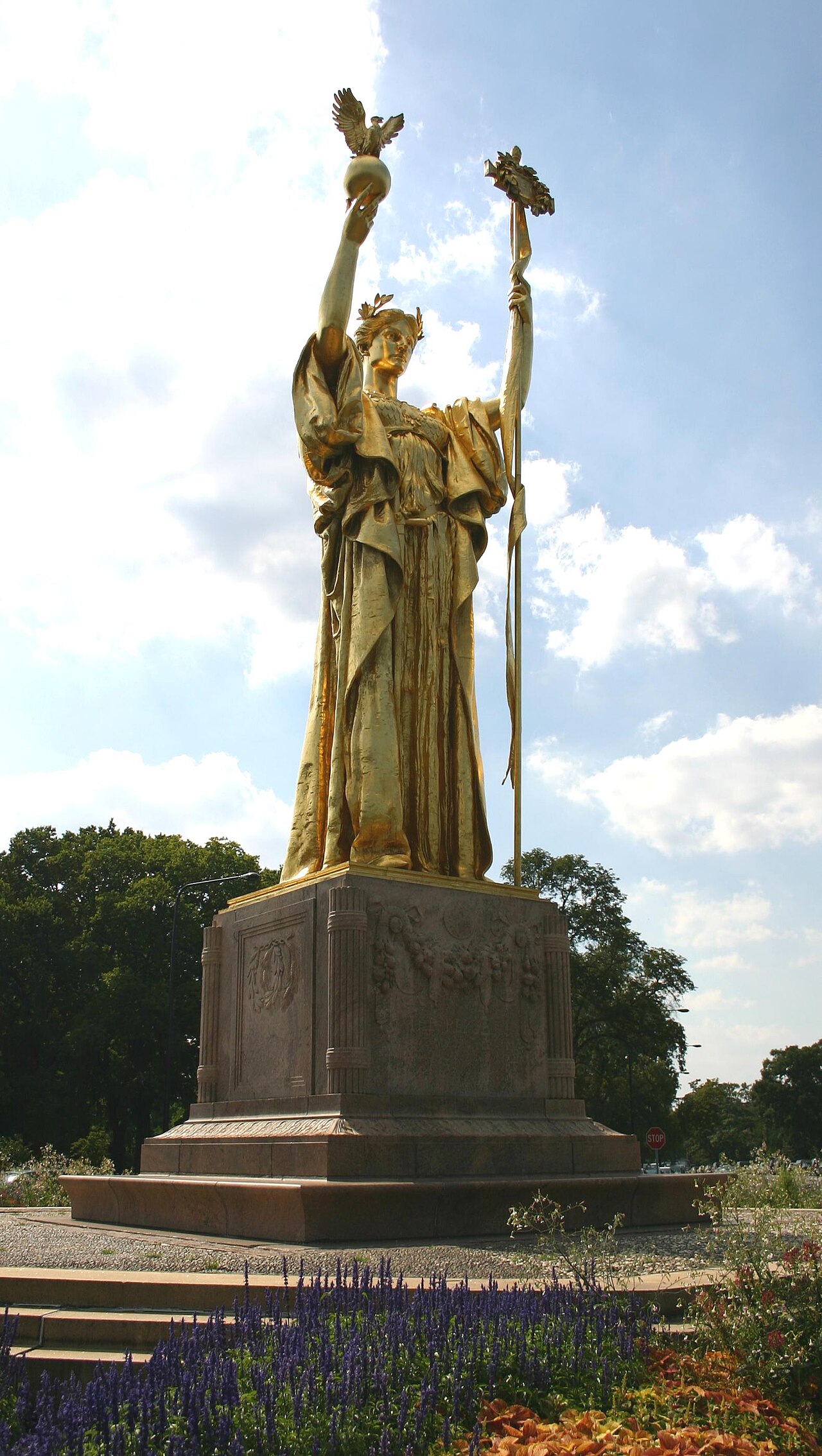
Statue of the Republic
- High · Heritage site
- Art and culture venue
Language · 11 published
Nature site · Chicago
Reviewed by Elena Voss · Roavina Travel Editor

This place is a Park.
Jackson Park is a large public park on Chicago's South Side lakefront. Its landscape is closely associated with the 1893 World's Columbian Exposition, whose planning and legacy shaped this part of the city. Today the park combines open green space, lagoons, wooded areas, lakefront recreation and historic landmarks. It works best as a broad outdoor district to explore gradually, rather than as one compact attraction. Jackson Park is a public park on Chicago's South Side lakefront. The park was significantly shaped by its role as the site of the 1893 World's Columbian Exposition, a major world's fair that left a lasting imprint on its landscape and design. The park spans a considerable lakefront area and contains historical remnants and features connected to this late nineteenth-century event. It remains an active public space within Chicago's park system, serving both recreational and commemorative functions for visitors and residents. No original exposition buildings remain except for the Museum of Science and Industry structure, originally the Palace of Fine Arts. The park's landscape and layout retain some connection to the fair's design, but most physical structures were temporary and dismantled.
Checked 2026-08-26 · Source
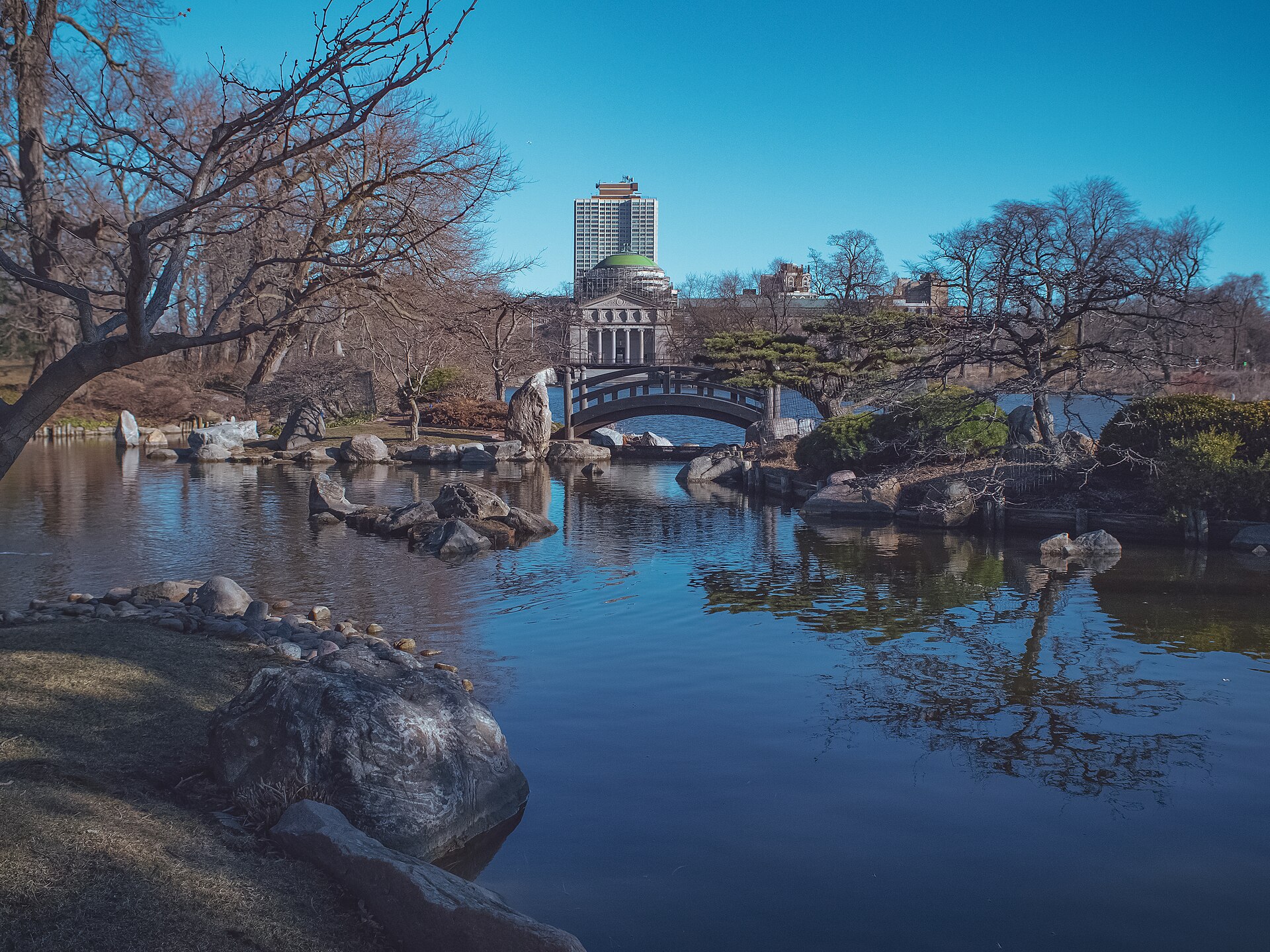
Jackson Park includes the Garden of the Phoenix, a restored Japanese-style garden, along with lagoons, wooded paths, open lawns, a golf course and 63rd Street Beach on Lake Michigan. The Museum of Science and Industry occupies the former Palace of Fine Arts at the park's northern edge. Historical markers and surviving landscape relationships help connect the present park with the 1893 fair. The park contains the Garden of the Phoenix, a Japanese-style garden that has undergone restoration efforts. The Museum of Science and Industry, housed in the former Palace of Fine Arts building from the 1893 exposition, stands at the park's northern edge. Wooded areas, lagoons, and open green spaces comprise much of the landscape. A golf course occupies a portion of the grounds. The park also contains the 63rd Street Beach along Lake Michigan. Historical markers and remnants reference the 1893 World's Columbian Exposition layout.
Checked 2026-08-26 · Source
Allow one to three hours for a general Jackson Park visit. A focused stop at the Garden of the Phoenix can take roughly 30 to 45 minutes, while a longer walk through lawns, lagoons and lakefront viewpoints needs more time. Golf is a separate multi-hour activity, and the Museum of Science and Industry requires its own schedule. Pick one area rather than trying to cover the whole park hurriedly.
Checked 2026-08-26 · Source
Spring through autumn offers the fullest outdoor experience, with greener landscapes and more comfortable conditions for walking beside the lagoons and lake. Summer brings beach activity and long daylight, while winter adds wind, ice and colder lakefront conditions. Morning and late afternoon suit photography and walking comfort. Give the park more time in good weather, because its scale and separated destinations reward an unhurried route.
Checked 2026-08-26 · Source
General entry to Jackson Park and the Garden of the Phoenix is free. The Museum of Science and Industry is a separate attraction with its own admission, while golf and special activities can involve separate charges. Treat the park itself as a public landscape, then plan any paid museum or sporting visit independently. This makes Jackson Park suitable for a flexible outdoor stop within a South Side itinerary.
Checked 2026-08-26 · Source
CTA bus and rail services reach the Jackson Park area, while the Metra Electric District and South Shore Line serve nearby 59th Street and 63rd Street stations. Lake Shore Drive provides a road approach, and bicycle routes connect with the wider lakefront trail. Because the park is extensive, choose your intended destination before setting out: the garden, beach, museum edge and lagoons are not one close cluster.
Checked 2026-08-26 · Source
Lake Michigan weather can change quickly, bringing wind, cold or sudden discomfort even on a sunny day. Winter ice affects paths, lagoons and the lakefront. Stay on established routes near water, keep clear of golf-course activity and take extra care after dark where lighting is limited. Jackson Park's size means you should carry a charged phone, keep your route in mind and allow time to return to transit.
Checked 2026-08-26 · Source
The Garden of the Phoenix offers composed views of Japanese-style planting and its wooden pavilion. Along the lake, 63rd Street Beach gives open horizon images, while lagoons and wooded areas provide reflections and framed natural scenes. The Museum of Science and Industry adds a strong architectural subject at the park's edge. Keep tripods out of busy paths, and use the changing morning or evening light to separate each part of the park visually.
Checked 2026-08-26 · Source
The park's landscape retains connections to the fair, and the Museum of Science and Industry occupies the former Palace of Fine Arts building.
Highlights include the Garden of the Phoenix, lagoons, wooded areas, open lawns, 63rd Street Beach, a golf course and the Museum of Science and Industry at the northern edge.
It stands at Jackson Park's northern edge in the former Palace of Fine Arts building, but it operates separately from the public park.
Allow one to three hours for a general visit, or about 30 to 45 minutes for a focused Garden of the Phoenix stop.
General entry to Jackson Park and the Garden of the Phoenix is free; the nearby museum, golf and special activities are separate.
Choose a target such as the garden, beach, lagoons or museum before travelling, because the park covers a large area and destinations require additional walking.
Loading the interactive map…
The interactive map could not be loaded.

Last updated:
Source: OpenStreetMap contributors, Wikidata ·