
5 min walk
Merchandise Mart
- High
- Market
Activity · Chicago
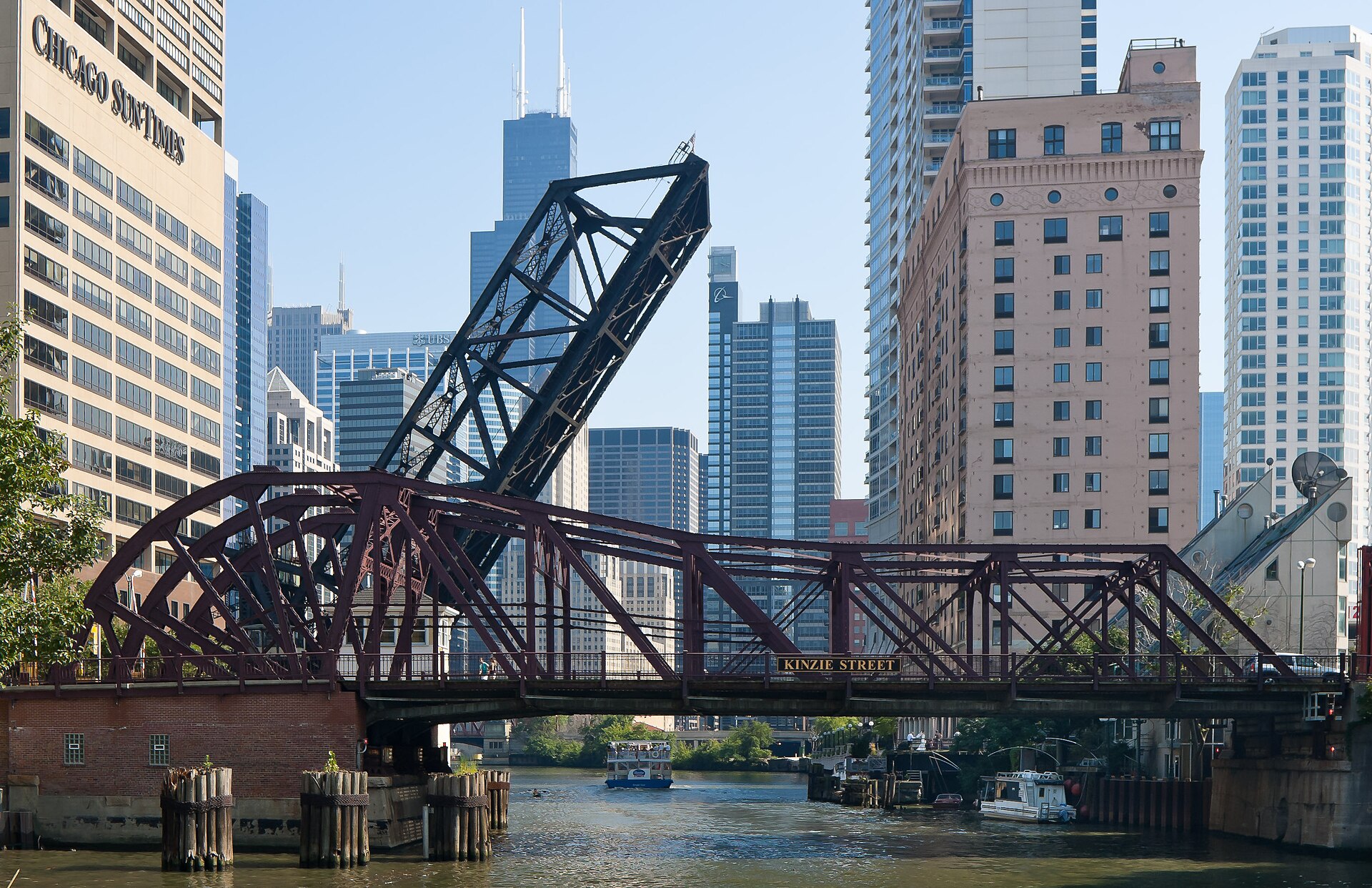
Kinzie Street Bridge is a Chicago River crossing in the downtown area, carrying road traffic and pedestrians across the North Branch. It is working city infrastructure, yet it also gives travelers a direct encounter with Chicago's relationship to bridges, waterways, commerce, and urban movement. The bridge makes most sense as part of a riverfront walk: pause to understand the crossing, then continue along the surrounding streets and waterway. The Kinzie Street Bridge is a bridge located in Chicago, Illinois, spanning the North Branch of the Chicago River. It is situated in the downtown area of the city. The bridge serves as a crossing point for vehicular and pedestrian traffic. The structure is part of Chicago's extensive bridge system, which includes numerous movable bridges across the city's waterways. The Kinzie Street Bridge has historical significance as part of the urban infrastructure that supported Chicago's development as a major industrial and commercial center. The Kinzie Street Bridge is primarily functional infrastructure rather than a designated tourist attraction. Visitors interested in Chicago's bridge heritage may find it of interest.
Checked 2026-08-26 · Source
There is no enclosed attraction inside Kinzie Street Bridge. The experience consists of the roadway, pedestrian sidewalks, structural members, and the river views created by the crossing. From the bridge, travelers can read the relationship between water, buildings, traffic, and other Chicago bridge structures. Its interest comes from being part of a functioning urban system, not from exhibitions, staffed rooms, or a visitor center. The Kinzie Street Bridge is a public infrastructure element rather than an enclosed attraction. It contains the structural components typical of a Chicago River bridge, including the roadway surface, sidewalks for pedestrian use, and the mechanical and structural systems that support its function. There are no interior spaces, exhibitions, or visitor facilities on the bridge itself. The surrounding area includes elements of Chicago's urban landscape, with nearby buildings, riverwalk sections, and the industrial and commercial heritage of the Kinzie Street corridor visible to those who cross or observe the bridge.
Checked 2026-08-26 · Source
A pedestrian crossing takes only a few minutes. Allow around fifteen to twenty minutes if you want to pause for river views, observe the bridge structure, and take photographs without rushing. The bridge is most rewarding as a brief point within a longer downtown or riverfront walk. Travelers interested in Chicago's infrastructure can linger longer, but the crossing itself does not require an extended visit.
Checked 2026-08-26 · Source
Daylight is useful for seeing the river, neighboring buildings, and the bridge's structural details. Early morning and weekends can feel calmer than weekday commuting periods, when the crossing serves ordinary city traffic. Weather matters because the bridge is fully outdoors and Chicago winters can be harsh. After rain or freezing conditions, take extra care on the walking surface. Choose a moment when you can stand aside without blocking people moving across the bridge.
Checked 2026-08-26 · Source
Kinzie Street Bridge is public transportation infrastructure, so crossing it on foot or by ordinary road traffic does not require an admission ticket. Any cost belongs to separate choices such as parking, a taxi, or another paid activity in downtown Chicago. Plan this stop as a free outdoor sight. Its value is the river crossing and the view into the city's working landscape, not a paid attraction with an entrance gate.
Checked 2026-08-26 · Source
The bridge is on Kinzie Street in downtown Chicago, where the street crosses the North Branch of the Chicago River. Approach it through the downtown street grid by walking, cycling, driving, taxi, rideshare, or public transit. The crossing is easiest to understand on foot, because walking lets you stop for the river view. Use the pedestrian sidewalk and continue toward nearby riverfront streets after crossing.
Checked 2026-08-26 · Source
This is an active roadway, not a pedestrian plaza. Remain on the designated sidewalk, watch for vehicles and cyclists, and keep clear of the movement of other pedestrians. Wet or icy surfaces can make the crossing harder. Do not enter mechanical or restricted structural areas, and do not approach the river edge outside public paths. Keep children close near traffic and water, especially while stopping for photographs.
Checked 2026-08-26 · Source
Use the bridge for photographs that connect Chicago's street grid with its river system. Look along the waterway, toward neighboring buildings, or back across the bridge to show the relationship between engineering and the downtown landscape. Stand on the pedestrian sidewalk and leave room for commuters. Soft daylight can reveal structural detail, while changing weather alters the river and skyline. Treat the crossing as a working public place while composing your images.
Checked 2026-08-26 · Source
It is a functioning Chicago River crossing for road traffic and pedestrians.
No. Crossing the public bridge on foot or by ordinary road traffic has no admission fee.
Walking across takes only a few minutes; allow longer if you pause for river views and photographs.
It is on Kinzie Street in downtown Chicago, crossing the North Branch of the Chicago River.
The crossing provides views of the Chicago River, surrounding buildings, traffic, and the city's wider bridge system.
Pedestrians should remain on the designated sidewalk and keep clear of vehicles, cyclists, and other people crossing.
Loading the interactive map…
The interactive map could not be loaded.
Last updated:
Source: OpenStreetMap contributors, Wikidata ·