
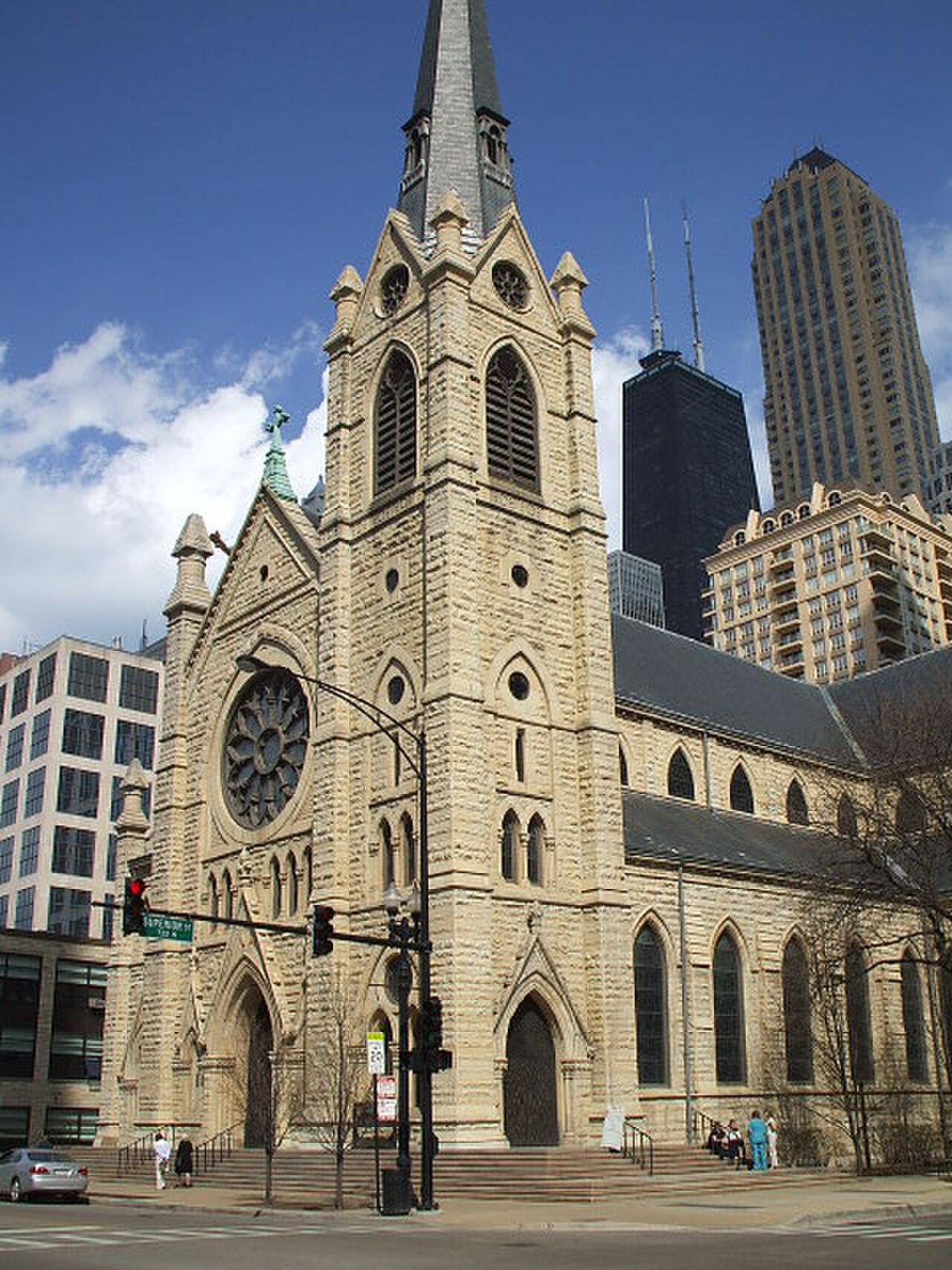
7 min walk
Holy Name Cathedral
- High · Heritage site
- Place of worship
Language · 11 published
Activity · Chicago
Reviewed by Elena Voss · Roavina Travel Editor
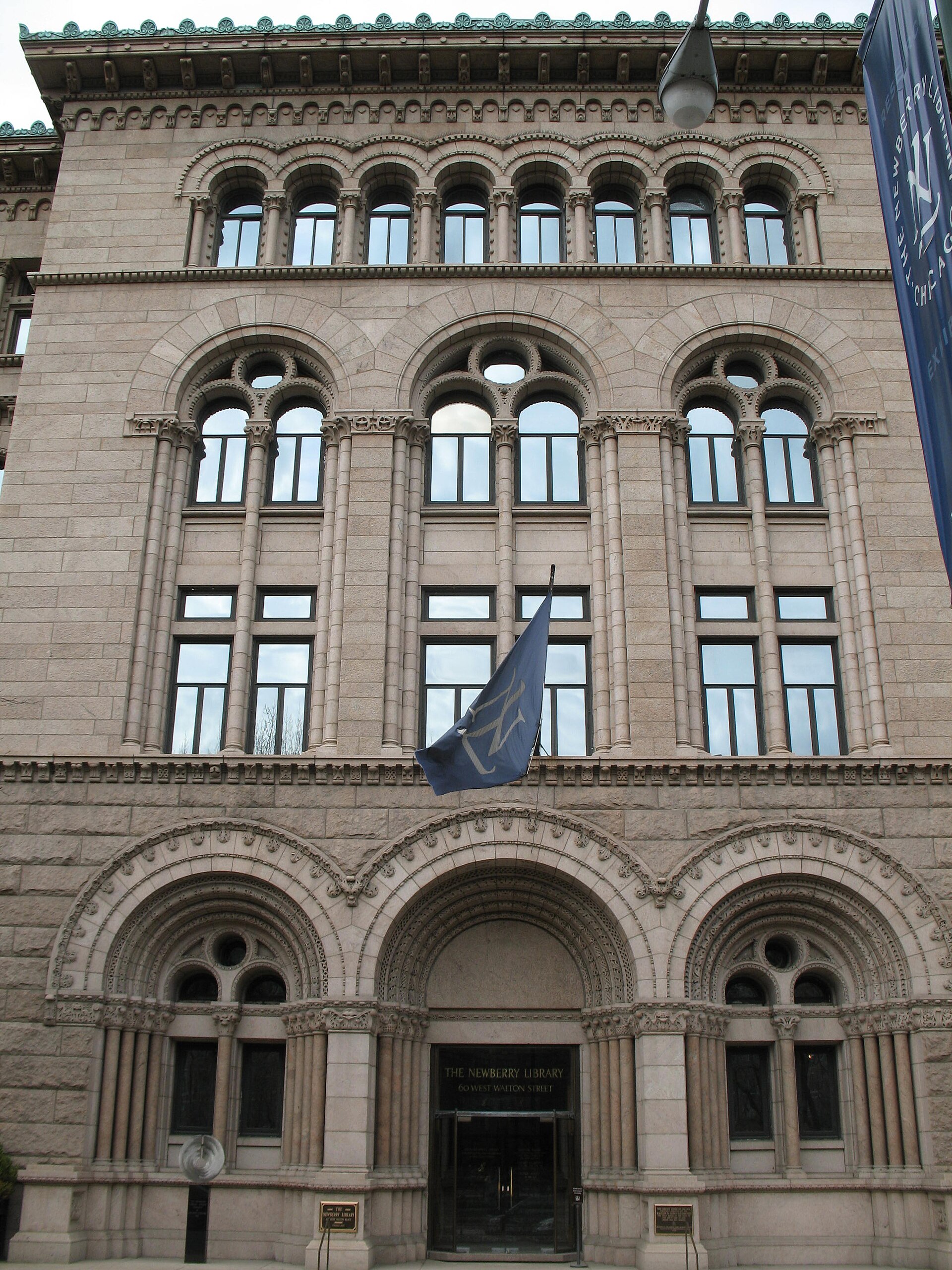
It was established in 1887.
Newberry Library is an independent research library in Chicago, founded in 1887 and dedicated to rare books, manuscripts, maps, and other humanities materials. It is not a lending library for ordinary borrowing; its importance comes from preserving collections for scholarship and public understanding. The building’s Romanesque Revival character adds architectural interest to the visit, while public exhibitions make selected materials accessible beyond the research community. Travellers can experience the Newberry as a quieter cultural stop on the Near North Side, especially when they want historical depth after the commercial energy of the Magnificent Mile. Its atmosphere is more reflective and academic than that of a conventional museum.
Checked 2026-08-26 · Source
The library’s humanities collections include American history, American Indian and Indigenous studies, Chicago and Midwest history, cartography, music, genealogy, and the history of the book. Holdings range from medieval manuscripts and early printed works to exploration narratives and family-history resources. Public exhibitions draw on these collections and present selected objects with interpretation for general visitors. These galleries offer the clearest route into the institution for a first visit, because they reveal the character of the collections without requiring a research project. The contrast between delicate historical materials and the substantial library setting is part of the experience, giving the visit a sense of discovery and concentration.
Checked 2026-08-26 · Source
Allow one to two hours for a general visit focused on the public exhibitions. The galleries are compact compared with a major art museum, but rare books, maps, and manuscripts reward slow reading and close attention. Researchers using the reading rooms may spend several hours or return over multiple days, depending on the material they need to consult. A traveller combining the Newberry with Near North Side sightseeing can treat the exhibition visit as a self-contained cultural pause. Leave enough time to absorb the interpretation rather than moving through quickly; the library’s value lies in detail, context, and atmosphere rather than scale.
Checked 2026-08-26 · Source
The Newberry suits a weekday cultural itinerary, particularly for visitors who prefer quieter indoor spaces and time with historical material. Reading-room activity follows a different rhythm from public exhibitions, so researchers should structure their visit around the work they need to do. Exhibition galleries may change as displays rotate, making repeat visits worthwhile for travellers with a strong interest in books, maps, or Chicago history. The Near North Side is busy around major shopping streets, but the library provides a more contemplative counterpoint. Pair it with a walk through the surrounding historic streets when you want a day with less emphasis on large attractions.
Checked 2026-08-26 · Source
Public exhibitions at Newberry Library are generally presented as free cultural experiences, while research access serves a different purpose from ordinary museum entry. Reading-room visitors register and demonstrate a legitimate research need before consulting collection materials. Lectures, workshops, or special programmes may have their own arrangements, but the central visitor experience is the public exhibition. Think of the library as a place where access is shaped by the material being consulted: displayed objects welcome broad audiences, while rare items in research areas require controlled use. This distinction helps visitors arrive with realistic expectations about what they can see and how they can engage.
Checked 2026-08-26 · Source
Newberry Library is on Chicago’s Near North Side near Walton Street and Clark Street. CTA bus routes serve the surrounding district, while Red Line stations at Chicago or Grand provide rail access within walking distance. From central hotels and nearby attractions, walking can be an enjoyable way to reach the library and see the changing streetscape around the Magnificent Mile. Street parking is limited and subject to local restrictions, making public transport or walking more practical for many visitors. Place the library between other Near North Side stops so the route remains efficient and the quieter destination feels connected to the rest of the day.
Checked 2026-08-26 · Source
Newberry Library is a working research institution, so visitors should expect quiet conduct and a clear separation between public exhibitions and research areas. Reading rooms are not casual lounge spaces: bags, coats, food, and drinks may be restricted near collection materials. The library’s environment rewards patience and consideration rather than hurried sightseeing. Visitors who expect a lending library or a large museum may find the scale and purpose different, but that difference is central to its character. Keep conversations low, follow staff directions, and treat displayed and consulted materials with care. The building is best enjoyed as both an architectural setting and a place of scholarship.
Checked 2026-08-26 · Source
Photography is most appropriate in the public exhibition galleries where the displays are arranged for general viewing. Reading rooms and collection areas require greater restraint because materials may be fragile, copyrighted, or subject to security controls. A small camera or phone is easier to use discreetly in the library’s quiet interior. Avoid flash, tripods, and equipment that obstructs circulation or distracts researchers. Exterior architectural details offer another strong photographic subject, especially the Romanesque Revival character of the building. When inside, let the exhibition’s interpretation and the library’s calm atmosphere guide the way you make images.
Checked 2026-08-26 · Source
Yes. Public exhibition galleries are open to general visitors, while reading-room access is intended for registered research use.
No. Newberry Library is an independent research library with rare books, manuscripts, maps, and humanities collections.
No. The library is non-circulating, so collection materials are consulted on site in controlled reading-room conditions.
General visitors can explore public exhibitions drawn from the library’s rare books, manuscripts, maps, and other humanities collections.
One to two hours is suitable for the public exhibitions; research visits can occupy several hours or multiple days.
Notable strengths include American history, Indigenous studies, Chicago and Midwest history, cartography, music, genealogy, and the history of the book.
Loading the interactive map…
The interactive map could not be loaded.

Last updated:
Source: OpenStreetMap contributors, Wikidata ·