
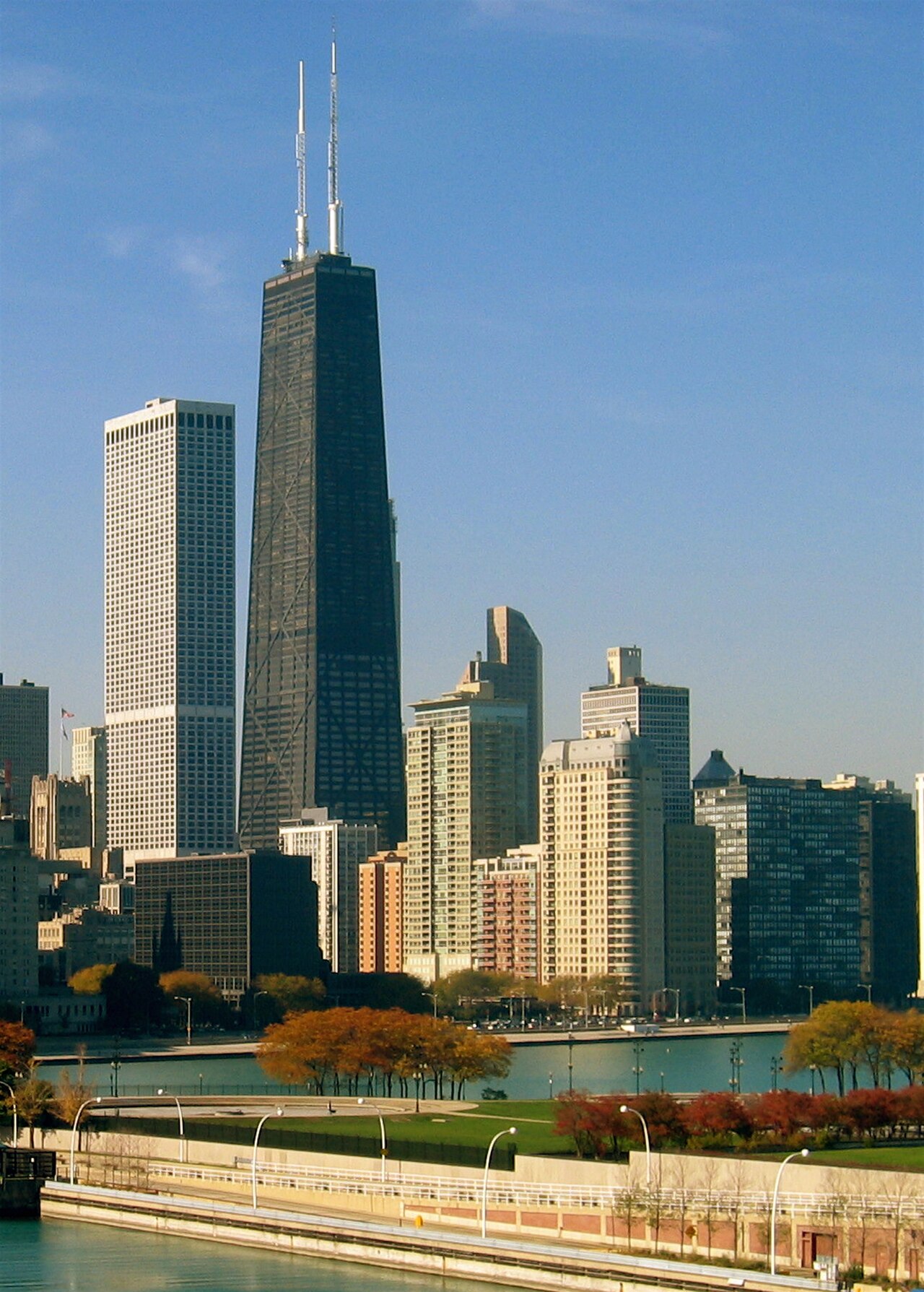
2 min walk
360 CHICAGO
- Must see
- Viewpoint
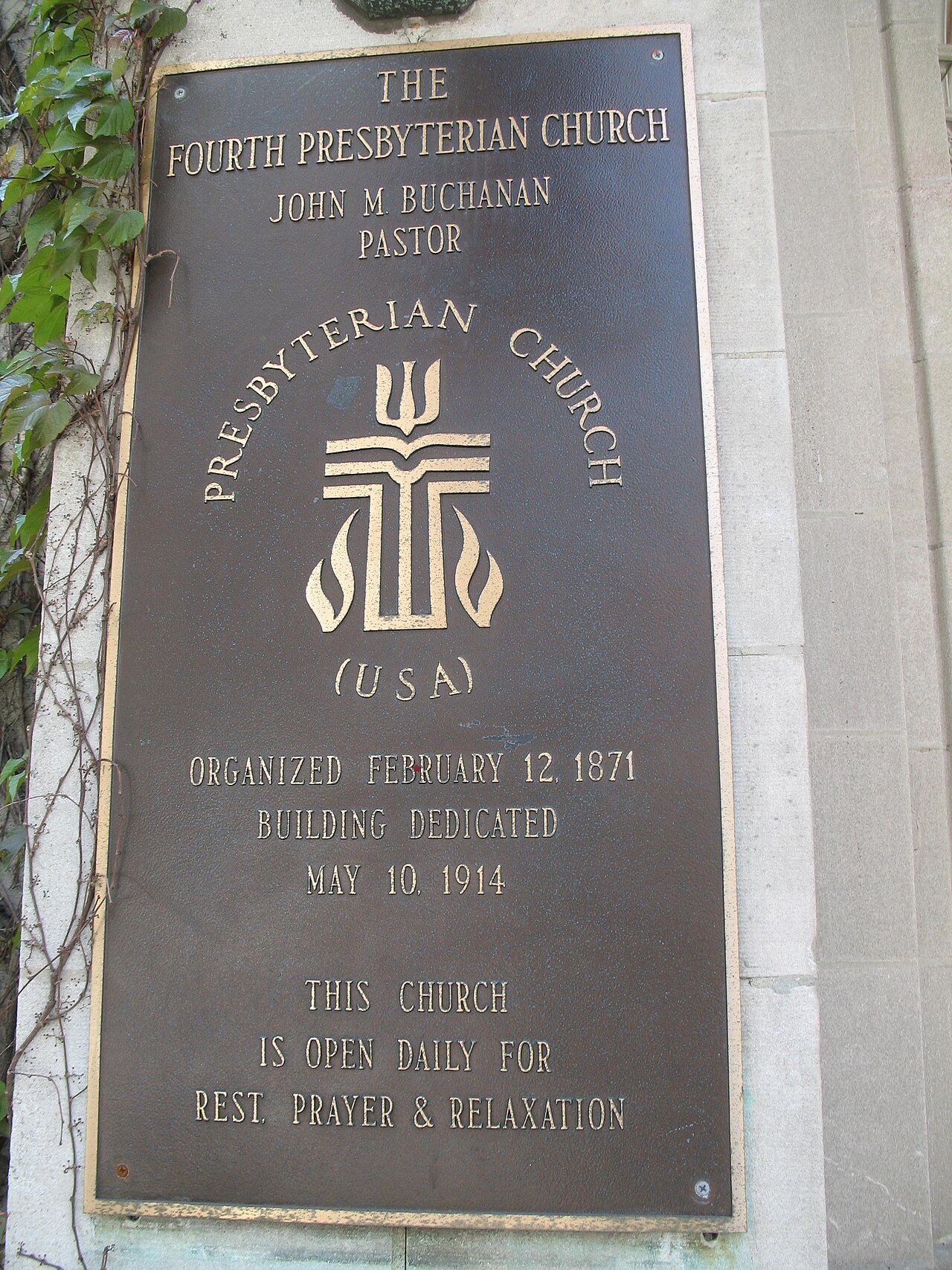
Place of worship · Chicago
Fourth Presbyterian Church
Fourth Presbyterian Church stands on North Michigan Avenue beside the Magnificent Mile, where Gothic Revival architecture meets one of Chicago’s busiest commercial corridors. It is an active church and a recognised architectural landmark, giving visitors a chance to move from luxury shops and high-rise streets into a more contemplative historic setting. The congregation’s nineteenth-century origins and continuing religious life give the building significance beyond its appearance. Travellers interested in architecture, stained glass, urban history, or sacred spaces will find the church especially rewarding. Its position makes it easy to include in a walking day through the Near North Side and central Chicago.
Checked 2026-08-26 · Source
The interior continues the Gothic Revival language of the exterior through stained glass, pointed forms, stonework, wood details, and an atmosphere shaped for worship. Pews, the organ, and the altar area show how the building functions as a congregation’s church rather than a preserved monument. Look for the way coloured light changes the character of the sanctuary and for the carved and structural details that can be overlooked from the busy avenue outside. Additional rooms support the church’s community life beyond the main worship space. The contrast between the commercial street and the quiet interior is one of the visit’s defining experiences.
Checked 2026-08-26 · Source
Allow fifteen to forty-five minutes for a self-guided look at the architecture and interior. That is enough for a visitor making a brief stop between Michigan Avenue destinations, while stained-glass enthusiasts and architecture students may prefer longer to study the details. Anyone attending worship should reserve about an hour for the service itself and arrive with enough time to enter quietly. The site is compact and does not require extensive walking between separate buildings. Because it is an active church, the pace and usable space can change when services, ceremonies, or congregation activities are taking place.
Checked 2026-08-26 · Source
Fourth Presbyterian Church is a strong addition to a Magnificent Mile walking route when you want a quiet architectural contrast to shops and traffic. A visit between worship activities offers the best opportunity for unhurried observation. Sundays bring the church’s congregational life into focus and may make the building busier for sightseeing. Chicago’s weather matters because the church sits on a heavily walked avenue where visitors may wait outdoors or continue on foot between stops. Pair the church with nearby architecture, shopping, or public spaces, and allow the visit to remain flexible around religious use of the building.
Checked 2026-08-26 · Source
Fourth Presbyterian Church is an active house of worship, so a basic architectural visit is approached differently from entry to a commercial attraction. Visitors can appreciate the sanctuary, stained glass, and Gothic Revival setting while remembering that the church’s primary function is religious. Donations may support the congregation and its work. Concerts, programmes, or special events can have separate arrangements from ordinary entry. The church is most rewarding for visitors who value atmosphere and design as much as formal sightseeing, and who are comfortable sharing the space with worshippers and community activities.
Checked 2026-08-26 · Source
The church is on North Michigan Avenue in downtown Chicago, a location served by CTA buses and within walking distance of nearby Red Line stations, including Chicago. It is easy to reach on foot from hotels, Millennium Park, and other central destinations, making it a natural part of a pedestrian itinerary. Michigan Avenue traffic can be heavy, and parking is limited and costly, so public transport or walking is usually more convenient. Rideshare vehicles and taxis serve the corridor. Adjacent streets and bicycle routes can help visitors approach without remaining on the busiest avenue.
Checked 2026-08-26 · Source
Fourth Presbyterian Church is an active religious institution, so visitors should keep voices low, dress considerately, and avoid interrupting prayer or worship. The busy Michigan Avenue setting can make the entrance and immediate approach crowded, while Chicago weather can make outdoor movement uncomfortable in winter or summer extremes. Give congregants priority and keep children supervised in the sanctuary. Photography and phone use should remain discreet, especially during services. The church may feel more intimate and purposeful than a formal museum; that is part of its character. Approach it as a living place of worship with architectural interest, not merely as a backdrop.
Checked 2026-08-26 · Source
The church’s Gothic Revival exterior creates strong images against the modern buildings and commercial signs of Michigan Avenue. Inside, stained glass, stone, timber, pews, and vertical architectural lines offer quieter compositions. Use a small camera or phone so movement stays unobtrusive, and avoid flash or equipment that blocks aisles. During worship, put the service ahead of photography and keep people out of posed frames. Exterior photography from public streets can show the contrast between historic church design and contemporary Chicago. The most successful images usually come from noticing light and texture rather than trying to document every part of the building.
Checked 2026-08-26 · Source
Visitors can appreciate the church as an architectural and religious landmark, provided they respect worship, prayer, and congregation activities.
The church is a significant Gothic Revival building with stained glass, pointed forms, stonework, wood details, and a traditional sanctuary.
Allow fifteen to forty-five minutes for architectural observation, or about an hour if you attend a worship service.
The interior includes stained glass, Gothic Revival details, pews, an organ, an altar area, and spaces supporting the congregation’s community life.
The church is beside the Magnificent Mile and near central Chicago destinations including Millennium Park, the Art Institute, and other downtown sights.
Its historic Gothic Revival setting offers a calm architectural contrast to the shops, traffic, and high-rise environment of Michigan Avenue.
Loading the interactive map…
The interactive map could not be loaded.
Last updated:
Source: OpenStreetMap contributors, Wikidata ·