
5 min walk
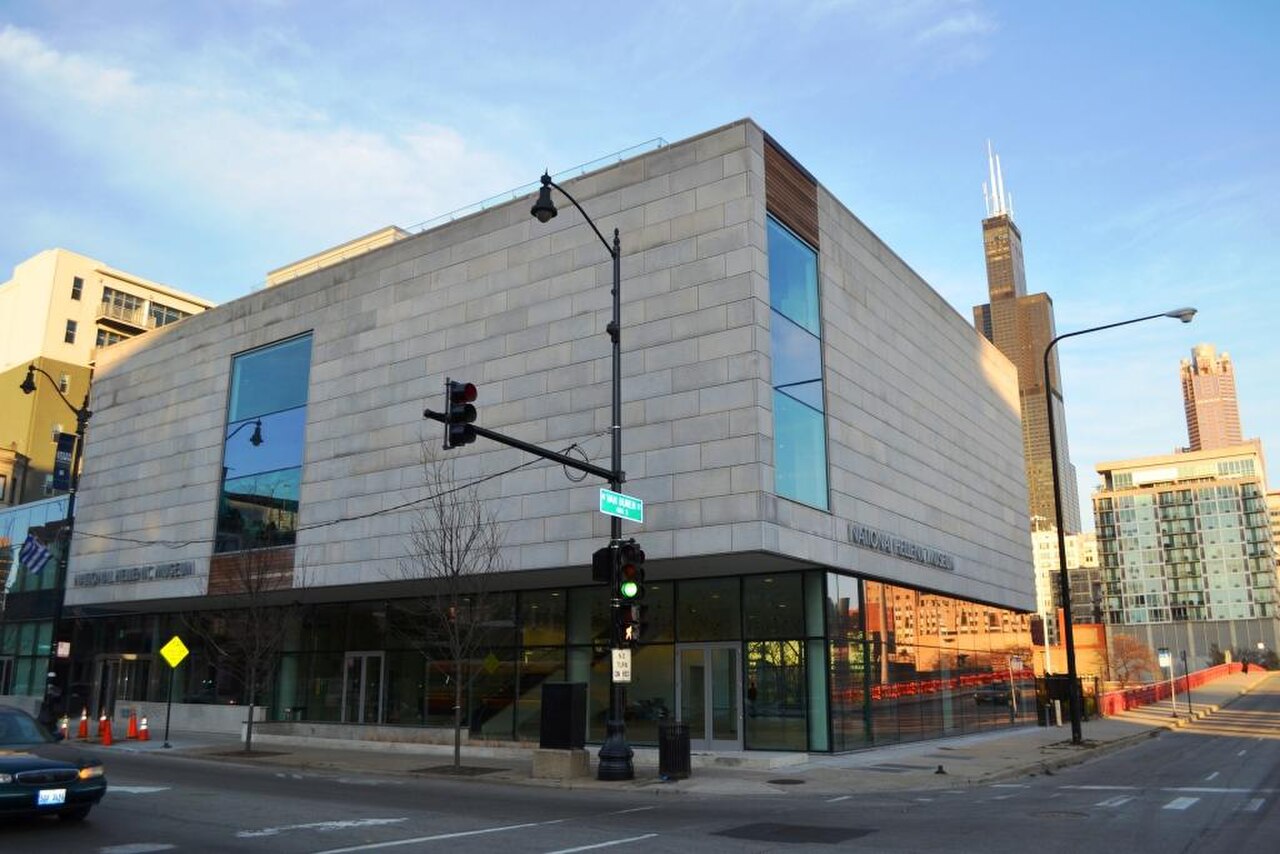
National Hellenic Museum
- Notable
- Museum
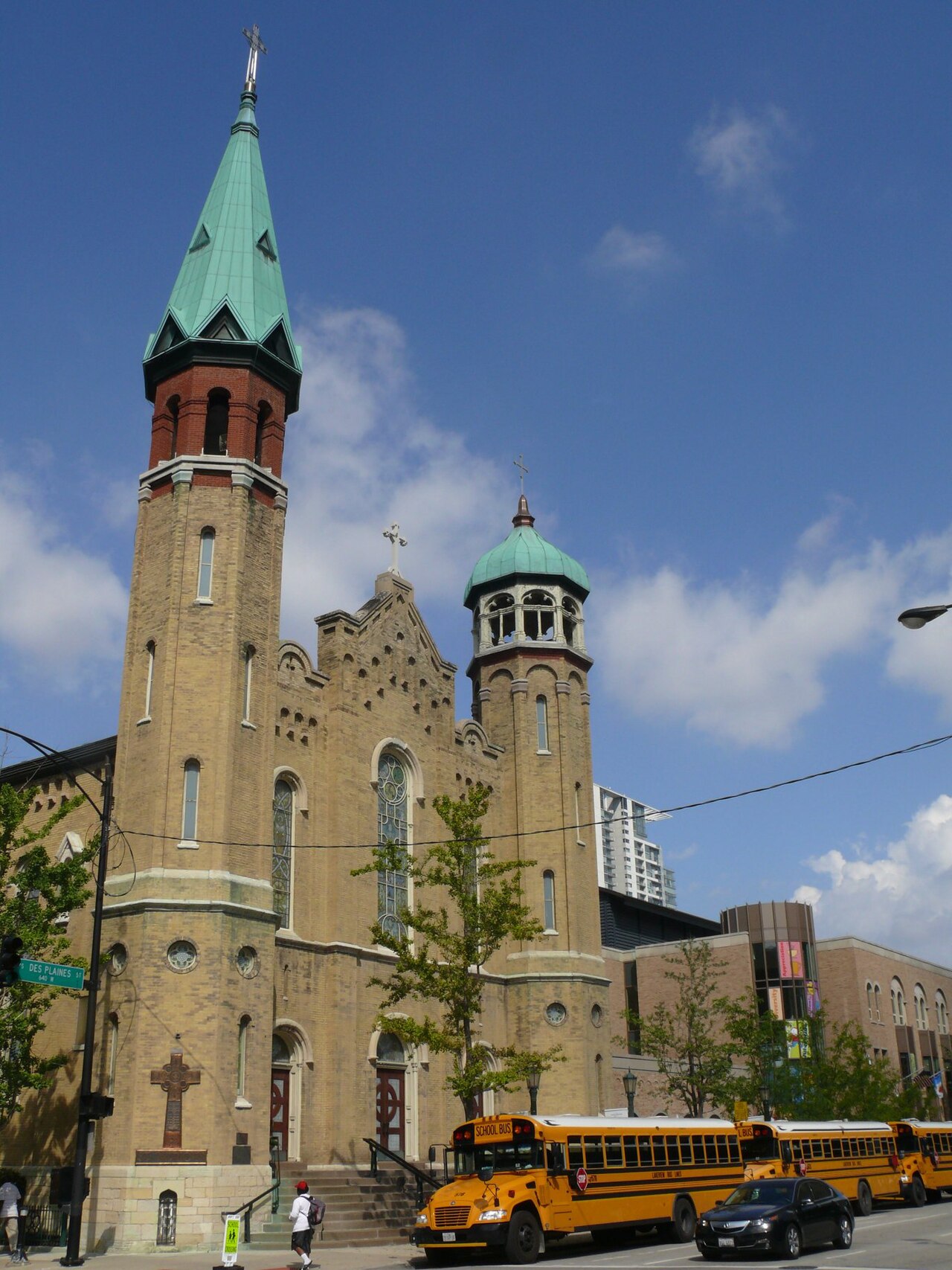
Place of worship · Chicago
Old Saint Patrick's Church
Old St. Patrick's Church is a Roman Catholic parish in Chicago and one of the city's oldest surviving churches. Its 19th-century building predates the Great Chicago Fire of 1871, giving the church unusual importance in a city reshaped by that disaster. The church remains an active place of worship, so its historical interest is closely connected with its continuing religious role rather than a museum-style presentation. Patrick's Church is a Roman Catholic church in Chicago, Illinois. It is one of the oldest surviving churches in the city and holds designation as a National Historic Landmark. The church has served the Catholic community since the mid-19th century and represents an important part of Chicago's architectural and religious heritage. It survived the Great Chicago Fire of 1871, making it a rare surviving example of pre-fire architecture in the downtown area. The building continues to function as an active parish church. The church is an active parish. Visitor access depends on current schedules and events. Contact the parish directly to confirm availability before visiting.
Checked 2026-08-26 · Source
Inside, visitors encounter a functioning Catholic church with wooden pews, stained glass, traditional furnishings and an altar arranged for worship. The interior rewards a slow look at its religious decoration and historic character, but it is not arranged as an exhibition with interpretive displays. Keep the atmosphere quiet, leave worshippers undisturbed and treat the sanctuary as a sacred space throughout the visit. The interior of Old St. Patrick's Church contains traditional Catholic church furnishings and decorative elements consistent with 19th-century ecclesiastical design. The church features stained glass windows, wooden pews, and an altar area arranged for liturgical worship. Architectural details reflect the period of its construction and subsequent renovations. As an active place of worship, the interior is maintained for religious services rather than as a museum display. Visitors should expect a functioning church environment with appropriate religious decorum required at all times.
Checked 2026-08-26 · Source
Allow about 15 to 45 minutes for Old St. Patrick's Church. A short stop can cover the exterior and a respectful glance inside, while visitors interested in stained glass, architecture or Chicago's pre-fire history may stay longer. The building is compact, so the experience is focused rather than extensive. If worship is underway, let the service determine the pace and movement of your visit. A visit to Old St. Patrick's Church typically requires between fifteen and forty-five minutes depending on individual interest.
Checked 2026-08-26 · Source
Plan Old St. Patrick's Church as a quiet daytime stop between other downtown activities. Masses, weddings, funerals and parish events take priority over sightseeing, and Christmas or Easter observances can make the church especially busy. Weekday visits outside services may feel calmer. The church's character is strongest when you have enough time to pause, observe the historic details and avoid turning a religious service into a tourist spectacle.
Checked 2026-08-26 · Source
There is no ticketed museum experience described for Old St. Patrick's Church. Visitors encounter a parish church rather than a commercial attraction, and worship is the central purpose of the building. A voluntary donation may support parish work, but entry should be approached as access to a working church, not as admission to a paid exhibition. Keep any contribution separate from the act of visiting respectfully.
Checked 2026-08-26 · Source
Old St. Patrick's Church stands in Chicago's West Loop, within reach of downtown hotels and attractions on foot. CTA buses and nearby elevated rail stations serve the wider area, including Green and Pink line stops. Driving brings the usual central-city parking constraints, with meters, restrictions and garages shaping the final approach. Walking from another downtown stop makes the church an easy addition to a neighborhood day.
Checked 2026-08-26 · Source
Remember that Old St. Patrick's Church is an active parish first. Wear considerate clothing, speak softly and never interrupt Mass, weddings, funerals or private prayer. Staff or clergy may limit movement or photography during religious activities. A 19th-century entrance can include steps, so visitors with mobility needs should consider the building's historic form when planning. Urban traffic and surroundings also call for ordinary care when arriving or leaving.
Checked 2026-08-26 · Source
The church's exterior, stained glass and historic interior details offer the strongest photographic subjects. Photograph quietly and put worship before image-making, especially during Mass or other ceremonies. Avoid flash if it distracts people or disrupts the atmosphere, and keep equipment compact in the limited interior space. A respectful photograph from the public approach can convey the building's age and setting without intruding on parish life.
Checked 2026-08-26 · Source
It is an active Roman Catholic parish and one of Chicago's oldest surviving churches, valued for its 19th-century architecture and religious heritage.
The church predates the Great Chicago Fire of 1871 and survives as an important example of Chicago's pre-fire religious and architectural heritage.
Allow roughly 15 to 45 minutes, depending on whether you focus on a brief look or spend time studying the architecture and stained glass.
Catholic Mass is open to visitors, who should remain quiet, follow the congregation's lead and avoid sightseeing behavior during the service.
Old St. Patrick's Church is in Chicago's West Loop, close to downtown walking routes, CTA services and other central attractions.
Treat the building as a working place of worship: speak softly, dress respectfully and avoid interrupting Mass, prayer or parish ceremonies.
Loading the interactive map…
The interactive map could not be loaded.
Last updated:
Source: OpenStreetMap contributors, Wikidata ·